I
n 1986 Spokane’s real estate scene was dominated by a downtown office market, strip‑center retail with a single open‑air mall on the North Side, and an industrial park of aging low‑ceiling buildings. Low‑teen interest rates kept new construction scarce and most owners were local. Since then the city has faced many challenges: banks have exited, downtown anchors like JCPenney, Crescent, and Macy’s closed, Deaconess Hospital changed hands twice, and the pandemic permanently altered office demand.
The office sector has long centered on the central business district, but over four decades developers added millions of square feet. Suburban growth was driven by the need for free parking and the rise of call‑center jobs from the 1980s through the pandemic. Speculative projects such as Rock Pointe Corporate Center, Iron Bridge, Pinecroft Business Park, and Meadowwood Technology Campus met the appetite of newer tenants seeking expansion.
Retail has evolved from Riverside Avenue and the former River Park Square to a Main Avenue focus spurred by River Park Square’s redevelopment. Spokane’s mid‑size market still hosts a Nordstrom and brands like Apple, Carhartt, and Lego that have disappeared from Seattle’s core. The Spokane Valley Mall, Northpointe Plaza, and Evergreen Crossing broadened the retail mix, while online shopping forced the closure of legacy stores such as Sears, Macy’s, and Emporium.
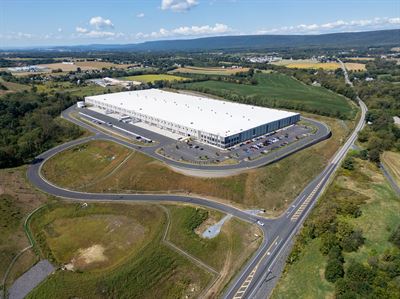
Industrial space remains robust, with vacancy rates in the low single digits. However, the lack of high‑bay, large‑size projects has been a hurdle. New developments have begun to address this, creating a slightly overbuilt market that historical absorption should correct in coming years.
A strong downtown core has always been a priority. River Park Square’s renovation sparked a wave of smaller projects, including the Davenport Hotel remodel, that strengthened retail and tourism. In the past decade, the Chronicle Building, former Macy’s, James S. Black Building, and the soon‑to‑be‑completed Peyton Building have been converted into market‑rate housing, removing obsolete office space and adding vibrancy.
City and county leaders, backed by voters, expanded Riverfront Park, built ONE Spokane Stadium, enlarged the Convention Center, and recently added The Podium. Improvements at the Spokane County Fair & Expo Center and The Course Spokane Valley cross‑country facility have boosted hospitality, a key economic driver.
Growth in the last 40 years has come from corporate expansion, proactive elected officials, economic development teams, and business leaders who improved transportation, lowered real‑estate costs, and reduced the cost of living. Looking ahead, continued progress is expected, provided the community remains clean, safe, and affordable. Real‑estate cycles will persist, but strong leadership points to a bright future for Spokane over the next four decades.
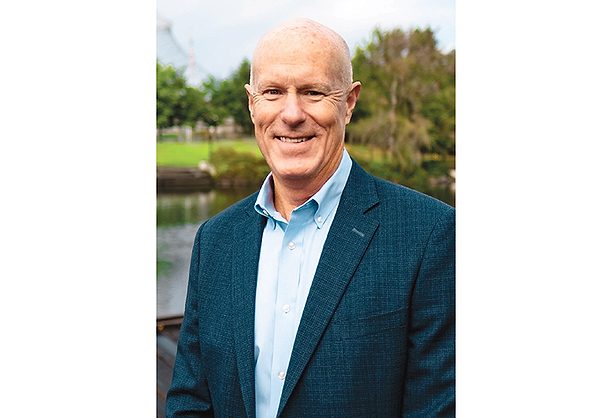
Craig Soehren, broker at Spokane‑based Kiemle Hagood.