B
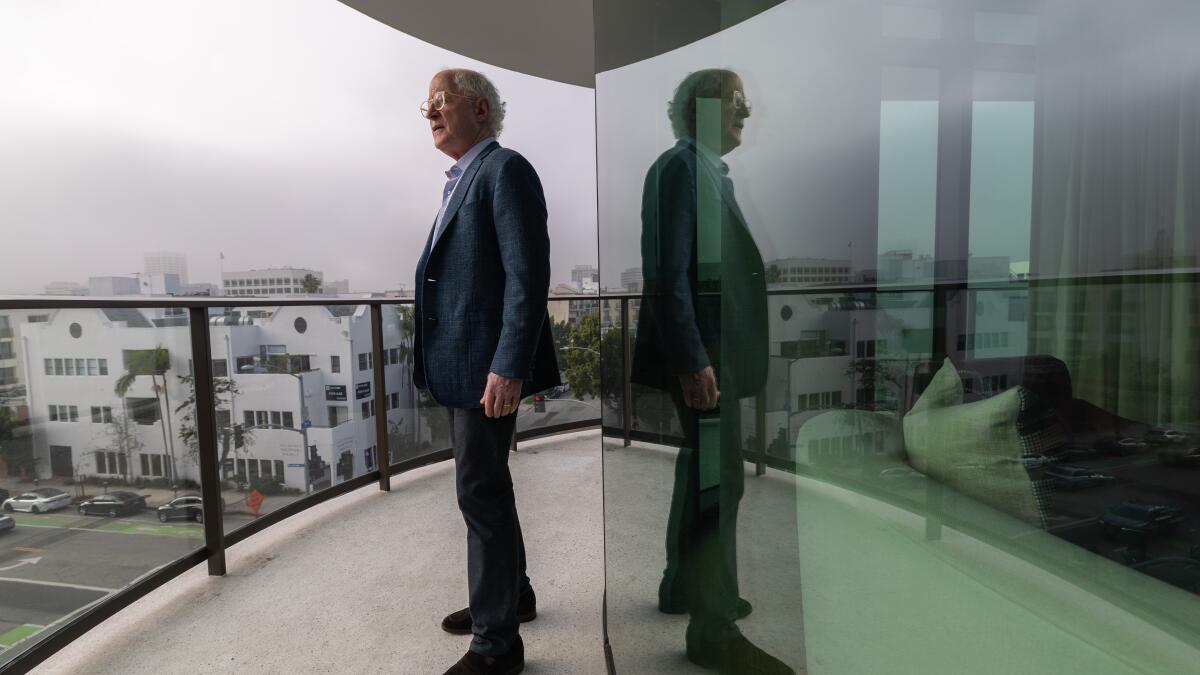
ill Witte is stepping down as chairman of Related California, the West Coast’s largest developer of both luxury and affordable housing, after more than three decades of leadership. His tenure saw the birth of landmark projects such as the $1 billion Grand LA—an upscale mixed‑use complex designed by Frank Gehry that sits opposite the Walt Disney Concert Hall—and the upscale 700 Broadway in Santa Monica, which features a private park, a grocery store and an Equinox club. Related also launched Alveare, a low‑income and senior housing project in downtown Los Angeles’s South Park neighborhood, and has built over 21,000 residential units across the state.
Witte’s roots in development trace back to his childhood in New York, where his father was a builder. He earned degrees in urban studies and planning from the University of Pennsylvania, then worked on Philadelphia’s planning staff during Mayor Frank Rizzo’s tenure, tackling a city with 25,000 vacant units. He later served as San Francisco’s deputy mayor for housing before joining Related. On January 1, he will be succeeded by Gino Canori as chief executive of the market‑rate division and Ann Silverberg for the affordable division; Witte will become chairman emeritus.
During a conversation with the Los Angeles Times, Witte addressed the challenges facing downtown Los Angeles, which has suffered reputational damage since the pandemic, especially regarding homelessness and safety. He argued that the area is still the cultural heart of the region and that the city’s progress on homelessness is more substantial than many realize. “It’s not just about bricks and mortar,” he said. “The issue is multifaceted.” He praised Mayor Bass’s efforts, noting that improvements are underway but that more frequent sidewalk cleaning and better food cart placement could make the streets feel more welcoming. Small details, he added, can have a big impact.
Witte also discussed the exodus of major firms from downtown to places like Century City and Pasadena. He called for the city and mayor’s office to engage directly with remaining tenants, identify problems, and showcase visible successes. “We need active dialogue with those who have left and those who stay,” he said, citing San Francisco’s proactive promotion of its downtown as a model. The downtown area, he noted, is just one part of the city but was hit hardest by the pandemic.
The lack of public‑sector employees downtown, which dampens foot traffic and business activity, was another concern. Witte suggested that the private sector’s perception of the city’s inability to attract workers could discourage firms from staying. He urged the city to demonstrate tangible improvements to reverse this trend.
Regarding the 2022 Measure ULA, which imposes a tax on luxury housing to fund affordable units, Witte acknowledged its impact on profitability. Yet he highlighted that Related’s Alveare project, with 105 affordable units, secured $10 million from ULA funds. He explained that while the measure adds costs, it also provides essential financing for projects that might otherwise be unfeasible.
When asked about community resistance to affordable housing, Witte described a strategy of transparency and education. He has organized bus tours of existing developments, many of which are a decade old, to show neighbors the quality and benefits of affordable units. “We’ve earned more design awards for affordable housing in California than any other developer,” he said. He emphasized that thoughtful design, on‑site services, and integration with market‑rate projects can mitigate NIMBY concerns. The real challenge, he noted, is the financial side: rising construction costs, labor shortages, and high interest rates. He pointed out that progressive city council policies—such as higher minimum wages—add to the cost burden, making it harder for developers to justify projects without sufficient funding.
Witte concluded that while Los Angeles faces significant hurdles, a balanced approach that protects existing tenants and encourages growth is essential. By fostering open communication, showcasing successful projects, and securing public funding where possible, the city can rebuild its downtown’s vibrancy and continue to thrive as a cultural and economic hub.