A
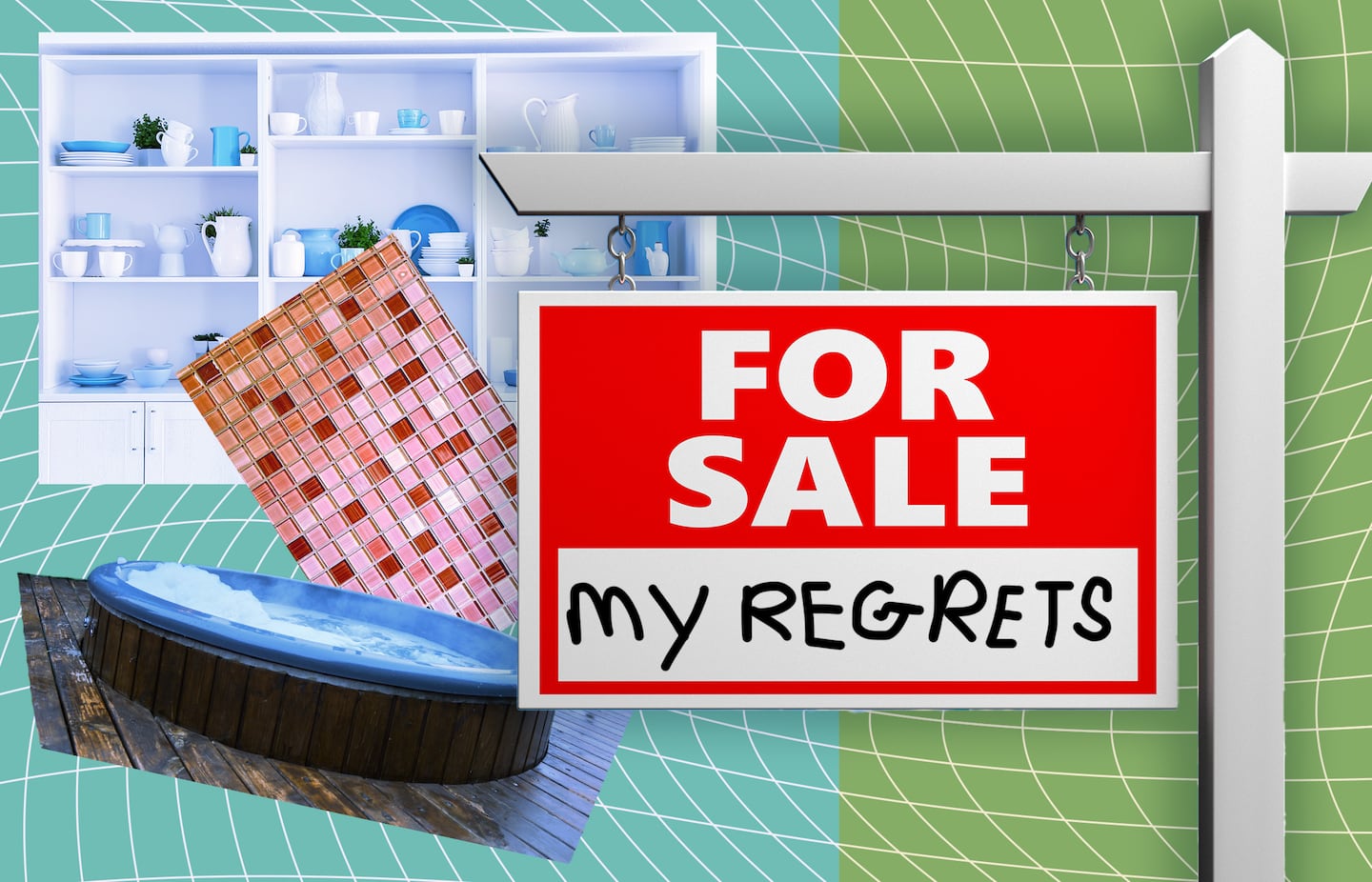
n electrician warned that scaffolding would be required, she recalled. The pandemic has accelerated the buyer’s dilemma, Lisa Sevajian of Compass Andover explained. “Everyone turned into a DIY enthusiast during COVID, and those questionable choices are now haunting homeowners and their prospective buyers.” Sevajian listed a litany of pitfalls, sounding as if no design decision could be safe. “I urge people to avoid bold backsplash tiles that clash with the rest of the kitchen,” she said. “Granite is unsettling for eco‑conscious buyers. Many now demand primary‑suite bathrooms with ample space for 60‑inch vanities and a double sink.” She added that bedrooms once converted into home offices during the pandemic now contain extra desks, sacrificing functional closet space.
Accepting a mistake is difficult, Sevajian noted. “People are reluctant to admit they’ve made poor decor choices, yet they love to complain about the burden they carry.” In Southborough, Jessica Levenson struggles with a bathroom remodel from previous owners that features bland brown and beige tiles and a tub so shallow it’s unusable. “It’s only useful for goldfish,” she said. Renovating would cost tens of thousands and feels ethically wrong to replace a newly finished space. “I won’t spend money on a bathroom that’s essentially brand new.” While many issues are visible at an open house, some design flaws only reveal themselves later. “It’s like marrying someone with problematic family members,” a first‑time homebuyer remarked, hoping the trade‑off is worth it.
Eric Klein, a broker with Engel & Völkers Newton/Boston and independent appraiser, sees the same trend. “I could spend hours sharing stories,” he wrote. On the phone, he highlighted common offenders: saunas, jacuzzis, and hot tubs on decks—expensive to maintain and insure; faux‑fancy LED fireplaces; and double‑height atriums. This summer he represented a buyer for a $1.5 million Colonial in Newton that featured a kitchen counter with a built‑in motorized base for a blender and food processor. “It’s an oddity, not a deal‑breaker,” he said, noting the couple’s initial reaction.
Both sellers and buyers can be victims and perpetrators. Wilkins, for instance, bought a Brookline condo in 2018 and removed dated cabinet doors, leaving open shelves that trapped grease and dust. “It was a terrible idea,” she admitted. The condo eventually proved too small for her family of five, leading to a sale. A new owner inherited the open shelves, while Wilkins took on someone else’s atrium and chandelier. The cycle continues.
Beth Teitell can be reached at [email protected]. Follow her @bethteitell.