M
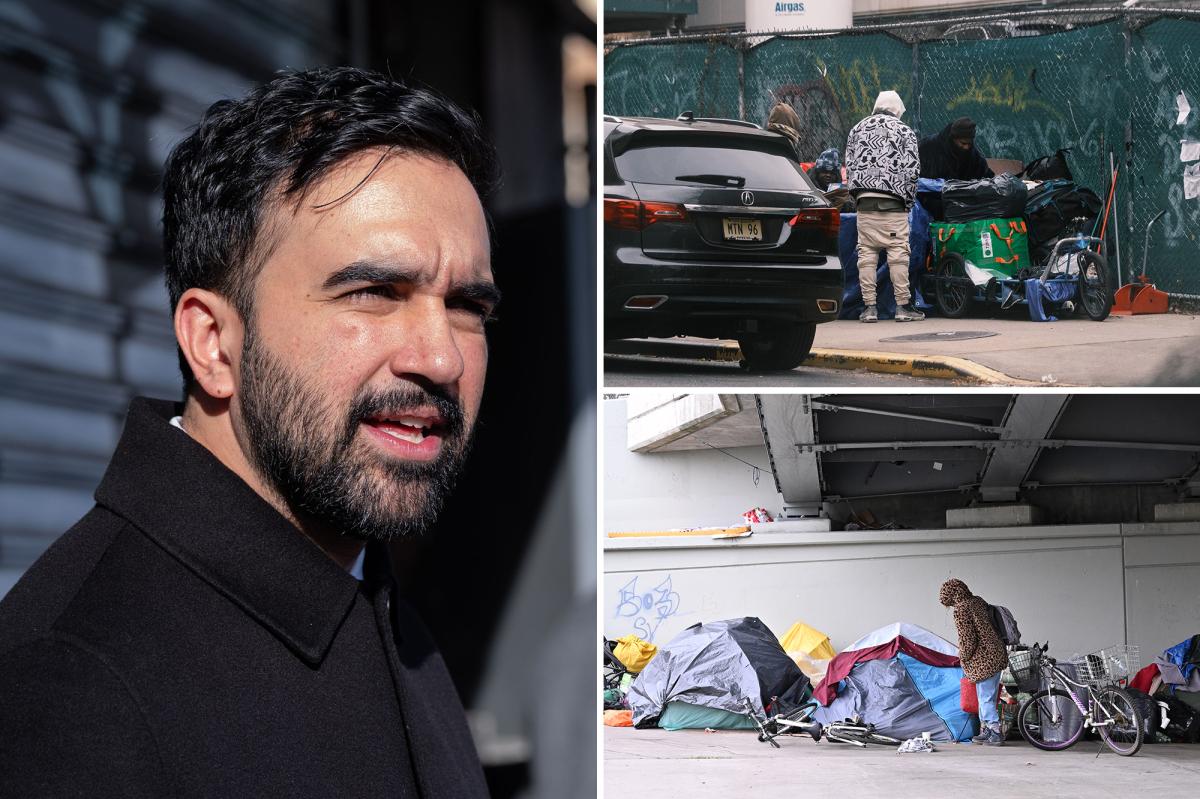
ayor‑elect Zohran Mamdani’s decision to halt the removal of homeless encampments has sparked alarm among New York’s real‑estate and business sectors, who fear the move will damage the city’s housing market and quality of life. “It will be disastrous for the market and for people,” said top Manhattan broker Ann Cutbill Lenane, who has topped Douglas Elliman’s sales charts and earned the Real Estate Board of New York’s Broker of the Year award in 2018. Lenane urged the city to relocate the homeless to shelters and permanent housing, arguing that street living benefits no one.
Susan Miller of Empire State Properties, which rents short‑term furnished apartments in Midtown, warned that allowing camps to persist would increase crime, attract rodents, and drive residents away. “If the city lets this happen, people will leave New York because of the dirt and the danger,” she said. A 311 report near 11th Street and 2nd Avenue in Lower Manhattan has already documented a surge in homelessness complaints.
The real‑estate community is already uneasy about the new administration’s progressive agenda. Many city and state leaders have tried to lure New Yorkers to relocate elsewhere, hoping to reduce the city’s population and alleviate strain on services. Mamdani’s reversal of Mayor Eric Adams’ sweep policy has been criticized as unrealistic and likely to create public space blight. “If he stops the sweeps, he needs a viable alternative,” said Becky Lin, owner of Quality A+ Cleaners near Union Square, where homeless people have repeatedly camped under scaffolding. Lin emphasized that the encampments harm local businesses and called for a different solution.
Billionaire John Catsimatidis of the Red Apple Group warned that a failure of Mamdani’s plan could put another Democrat in political jeopardy. “The governor will be held accountable for any misstep,” Catsimatidis said, noting that Gov. Kathy Hochul oversees the city and must ensure responsible action. A Hochul spokesperson confirmed the governor’s disagreement with the encampment policy, stating, “She does not believe that allowing New Yorkers to sleep on sidewalks or under bridges is a humane solution. She supports a balanced approach that includes enforcement, when necessary, and connections to supportive housing, mental‑health, and substance‑abuse services.”
Industry voices also highlighted the potential economic fallout. “The presence of tent cities will deter buyers from investing in the city’s neighborhoods,” said Lenane. “It will hurt the market, the people, and the overall quality of life.” The real‑estate sector, already grappling with the fallout from the far‑left political shift, fears that the new policy could exacerbate existing challenges.
The city’s response to the encampments has drawn scrutiny from across the country. While some officials advocate for a more compassionate approach, others emphasize the need for public safety and cleanliness. The debate centers on balancing humane treatment of the homeless with the city’s economic vitality and residents’ well‑being.
In summary, Mamdani’s plan to stop clearing homeless encampments has triggered widespread concern among real‑estate professionals, business owners, and political leaders. They argue that the policy could damage the housing market, increase crime, and drive residents away. Calls for a comprehensive strategy that combines enforcement with supportive housing and services have intensified, as the city seeks to address homelessness without compromising its economic and social fabric.