R
ising land values and a surge of affluent buyers are forcing many long‑standing ranch families across the U.S. to put their properties on the market. Some, however, are choosing a different path.
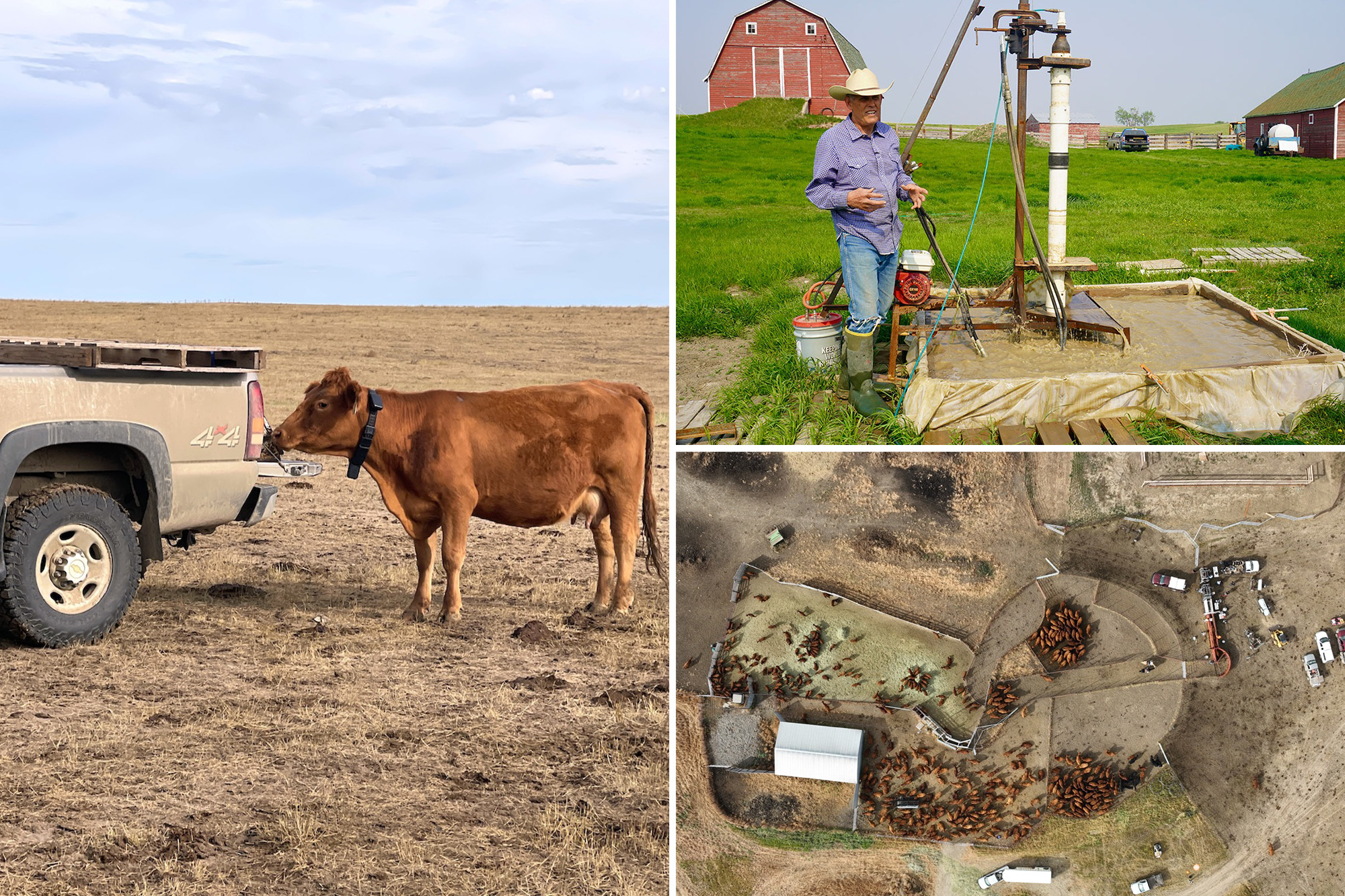
In Montana, Dale and Janet Veseth decided to donate their 38,000‑acre Phillips County ranch instead of selling it to an outside investor. The gift, worth $21.6 million, is the largest land donation ever recorded in the state and the biggest working‑ranch transfer in Montana history. The ranch, operated under the name Veseth Cattle Co., has been in the family for three generations, with Dale having stewarded it for decades.
The donation was made to the Ranchers Stewardship Alliance (RSA), a nonprofit Dale helped found 22 years ago to protect working ranches in Montana. RSA’s mission is to provide education and conservation funding to ranchers, arguing that ranching is essential to preserving the state’s grasslands and rural communities. The Veseths’ gift marks RSA’s first major land acquisition, and the organization is now grappling with how to manage a potential influx of similar donations.
“People from as far as Kansas are calling us, which is far beyond our usual reach,” said RSA communications director Haylie Shipp. “This is unprecedented.”
The Veseths’ decision was announced quietly at an RSA board meeting last spring. The room fell silent, then erupted in tears. Dale has long expressed a desire to keep the land in productive use, especially for ranchers who lack the capital to buy and maintain large tracts. “It won’t become condos or a hunting preserve,” Shipp emphasized. “It will stay in production agriculture.”
The broader market reflects similar pressures. In March, a 110,000‑acre New Mexico ranch—larger than Denver—was listed for $68.5 million after 45 years of family ownership. In August, a Wyoming ranch larger than Rhode Island hit the market for $79.5 million. Even the iconic Marlboro Man’s 100,000‑acre Wyoming property was listed for $52.8 million in October. Brokers report a 250 % rise in large ranch listings over the past year, fueled in part by the “Yellowstone Effect,” where the hit Paramount series has attracted billionaires and celebrities to the American West.
High land costs, low wages, and an aging rancher population are discouraging younger generations from staying in the business. The average age of an American rancher is now 60, and many are eyeing retirement. “Paying $20 million for an average job isn’t sustainable,” Dale told Cowboy State Daily. Rising cattle prices only sweeten the pot for sellers.
Within the Veseth family, there are no heirs or relatives working the ranch. When Dale and Janet eventually retire, RSA plans to lease the land to neighboring ranchers and younger operators, thereby expanding grazing opportunities and supporting the local community. “We’ll likely bring in new ranchers who need land,” Shipp said. “It’s a way to keep the property productive and shared.”
For now, the Veseths will continue running the ranch, moving their cattle across the property 170 times a year. While the future under RSA remains uncertain, the donation represents a creative solution to preserve Montana’s working ranches in the face of market forces and demographic shifts.