O
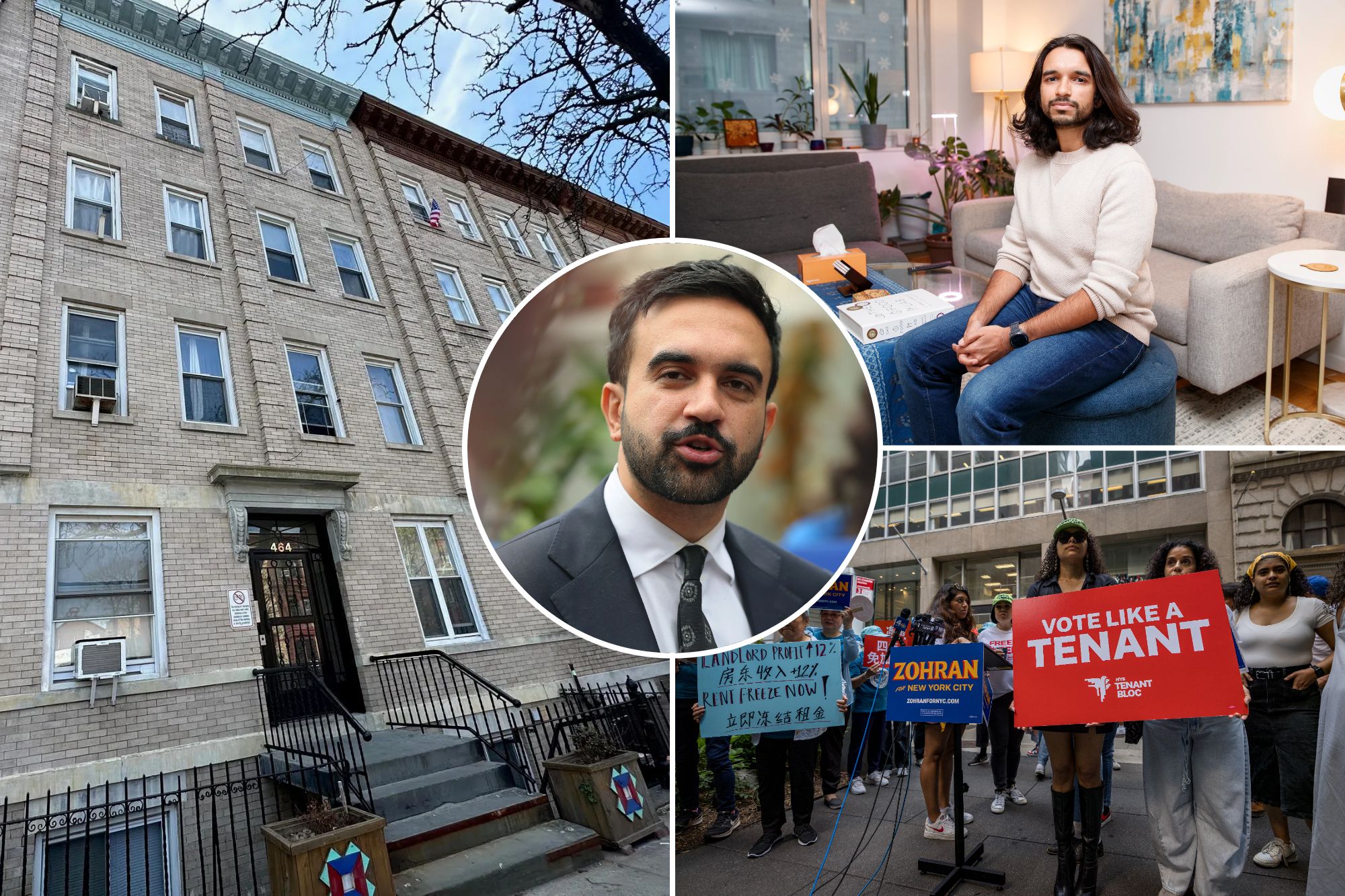
n the morning of the Astoria election, a 31‑year‑old paralegal—who chose to remain anonymous for privacy—lined up at her polling place, a block‑long queue that curled around the building. She earned $78,000 a year, yet over five years she had been priced out of three apartments. Her rent had risen by $520 in the last three years, reaching $2,270 a month, even when she shared a market‑rate unit with two roommates who each paid that amount. “I was tired of feeling like the city was pushing me out,” she told reporters, explaining why she turned out to vote for Assembly member Zohran Mamdani, who campaigned on rent freezes for stabilized units, tenant protections, and a promise to “fight the right people.”
Mamdani’s platform resonated with many voters. He won 50.4% of the vote, capturing 78% of those under 30 and 66% of the 30‑44 age group, despite offering broad promises with little detail and receiving only lukewarm support from Governor Kathy Hochul. His victory underscored a growing perception that New York’s affordability crisis demanded action.
The crisis has deepened since late 2021, when pandemic‑era rent concessions ended and prices surged. “It’s been a real roller coaster,” said Jonathan Miller, a real‑estate appraiser with Miller Samuel. “Rents zoomed back after their correction in 2020, surged in 2021 and 2022, went up again significantly in 2023, and in 2025 went up even more.” Douglas Elliman’s latest market report, authored by Miller, shows Manhattan’s average rent hit an all‑time high of $5,651 in October, up 9.4% year‑over‑year, while inventory fell 6.9% from the previous year—its 19th consecutive month of decline. Miller warned that salaries are not keeping pace with rents, and that affordability could become unmanageable for many residents in a few years.
Against this backdrop, Mamdani’s promises gained traction. He pledged to freeze rents in roughly one million stabilized apartments and to borrow $70 billion to build 200,000 permanently affordable units over the next decade. Julia Musilli, a 24‑year‑old freelance content creator and social‑media manager living in Williamsburg with two roommates, said she voted for Mamdani mainly because of his rent‑freeze plan and overall commitment to affordability. She had lost her production job in July but still paid $1,550 in rent and an additional $1,550 in student‑loan payments each month. “I have a lot of side hustles and social media bringing income in, so that definitely helps,” she explained, noting that her friends were in similar financial tight spots.
Samir Lavingia, a 31‑year‑old Fordham law student who had previously worked at Google and Twitter, also supported Mamdani. He had lived in a Union Square apartment where rent jumped from $3,600 to $4,900 over two years, forcing him to move to Midtown, where his rent rose from $3,700 to $4,050. “I cried at my desk when I was looking for apartments,” he recalled, describing the exhausting search amid low inventory.
Another voter, a 48‑year‑old artist named Marcela M. (who declined to give her full name), lives with her 10‑year‑old son and a roommate in a rent‑stabilized two‑bedroom building in Bushwick. Her income fell from roughly $55,000 in 2024 to $30,000 this year. She pays $1,750 a month for rent, which she says is a large portion of her budget. “You choose to live in New York because of the people, because of how special it is, how open‑minded it is,” she told reporters. “It’s my home, but it’s become very expensive.”
While tenants rally behind Mamdani’s proposals, landlords of rent‑stabilized buildings—accounting for 42% of New York City rentals—are alarmed. Many are selling at steeply reduced prices to exit the market. Charles Olson, a broker with Keller Williams Realty Empire, is marketing a 30‑unit, 22,200‑square‑foot rent‑stabilized property at Crown Heights for $2.27 million, compared to a nearby three‑bedroom condo listed for $2.29 million. “Rent‑stabilized buildings are a money loser,” he said. “The cost of inflation is far outstripping our ability to keep up with repairs.” As a result, landlords are listing properties at bargain prices: a 5,600‑square‑foot building in Brooklyn was listed for $1.83 million in July, and a 5,000‑square‑foot building with six units lowered its asking price to $1.75 million from $1.79 million.
Landlords also point to the Housing Stability and Tenant Protection Act, which eliminated the ability to raise rents when tenants move out, preventing landlords from recouping renovation costs. “There are more and more of these rent‑stabilized apartments disappearing from the market because the landlords can’t get them into a condition that they can rent,” Olson said. The New York Apartment Association’s CEO, Kenny Burgos, called the policy a failure, noting that units going offline amid a housing crisis is unacceptable. He added that unfunded mandates—such as the 2019 law requiring large buildings to switch to electric heat pumps—add further costs that rent‑stabilized landlords cannot recover.
A nonprofit report last month estimated that Mamdani would need to provide landlords with a billion‑dollar bailout to prevent mortgage defaults. Burgos warned that well‑intentioned laws to inspect boilers, reduce greenhouse gases, or require facade work come with high costs, and when rent revenue is capped, those costs either defer maintenance or cannot be paid. This contributes to the fiscal distress gripping regulated housing.
Financial data reveal that while average net operating income rose 8% between 2022 and 2023, the Bronx is now home to several rent‑stabilized buildings at risk of default. One 22‑unit property faces an annual loss of nearly $82,000 because rents are too low to cover rising costs. A November NYU Furman Center report found that one‑third of rent‑stabilized housing in the city is losing money. Median gross income per unit in buildings with more than 90% stabilized units fell 9% after adjusting for inflation between 2019 and 2025, with median rents at $1,344 in 2025—insufficient to cover costs.
Mamdani’s campaign received support from left‑wing politicians, including Bernie Sanders, but real‑estate industry leaders remain skeptical. Jeff Fox, principal of Foxy Development, a Bronx‑based affordable‑housing developer, cautioned that while Mamdani’s goals address the financial struggles of many, the broader implications of a rent freeze could further erode the rental market, reduce housing stock, and intensify competition for the remaining units, ultimately pricing out younger residents.
Ann Korchak, board president of the Small Property Owners of New York and landlord of a 10‑unit building on the Upper West Side, echoed these concerns. “Every unfunded mandate is a cost we have to take on, but we cannot get any of it recovered through the rents,” she said. “You know, everybody feels bad when the restaurant closes, but no one gives a s–t about us.”
In sum, the election highlighted a stark divide: tenants and many voters rally behind Mamdani’s rent‑freeze and affordability promises, while landlords fear that such policies will render their buildings unsustainable, leading to vacancies and a shrinking rental supply. The city’s affordability crisis, fueled by post‑pandemic rent surges, stagnant wages, and regulatory burdens, remains a complex challenge that will require balancing tenant protections with the financial viability of landlords.