W
ith winter’s short days and long nights, natural light is scarce, making artificial illumination critical when selling a home. Buyers may focus on other details, but lighting subtly shapes their perception of space and condition. Proper illumination highlights features, conveys room size, and signals maintenance, while dim or uneven light can make a space feel smaller or neglected.
Sharon Gautschi, Chief Merchandising Officer at Lightopia, offers practical advice for sellers. She recommends starting with modern LED bulbs—bright, energy‑efficient, and inexpensive (under $2 each). Soft‑white or neutral‑tone LEDs reveal a room’s true character and suggest upkeep. For a modest upgrade, consider smart bulbs with dimming and color‑changing capabilities; they add versatility without costly rewiring, enabling a realtor to showcase the home in optimal lighting.
If budget allows, invest in fixture updates or additional lamps to create layered lighting. Contemporary fixtures signal a well‑maintained property and reassure buyers about electrical safety. Accent pieces—table lamps, sconces, LED strips—can draw attention to focal points and eliminate dark corners that make rooms feel cramped. When selecting fixtures, match them to the room’s décor; a modern fixture in a dated room can clash, whereas a subtle design blends seamlessly. Avoid cheap, builder‑grade options that may look unrefined.
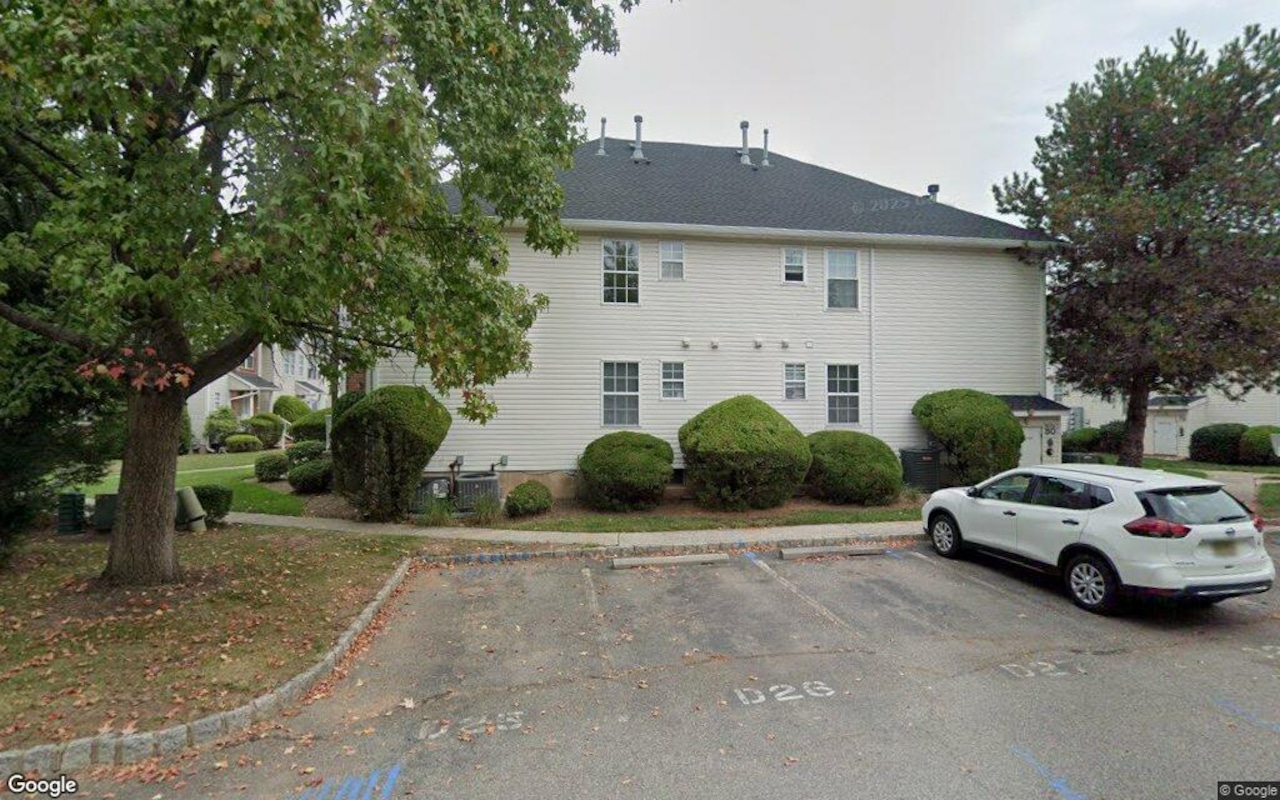
Outdoor lighting is often overlooked but essential, especially in winter when evenings are long. A well‑lit exterior enhances curb appeal, showcases the home’s dimensions, and offers a welcoming approach for visitors. Adequate exterior illumination also deters crime, giving buyers peace of mind.
In summary, effective lighting—both interior and exterior—can accelerate a sale and increase price. Start with affordable LED upgrades, add smart features if desired, then consider fixture and accent lighting for a polished look, all while ensuring the exterior is welcoming and secure.