R
ent or buy? In Greater Boston, 2026 the decision feels less like a rite of passage and more like a financial calculus. Mortgage rates hover near 6 %, median home prices stay stubbornly high, and the gap between owning and renting has never been wider.
The “Greater Boston Housing Report Card 2025” shows that the household income needed to buy a starter home jumped from $98,000 in 2021 to over $162,000 today. For a median‑priced single‑family home, the required income rose from $150,000 to $236,000 in the same period. The share of renter households that could afford an entry‑level home fell from 30 % in 2021 to 15 % now. Meanwhile, rent growth in some neighborhoods is flattening as new supply, especially near colleges, comes online.
**Buying a home**
On paper, a mortgage payment can look more expensive than rent in the short term, but real‑estate experts argue that a mortgage is a forced savings plan. “Real estate is the only asset class that isn’t swinging wildly,” says Ricardo Rodriguez of Coldwell Banker. “Even when it dips, it’s on an upward trajectory.” In Boston, property values held steady through the 2008 recession and the COVID‑19 slump, never falling significantly.
A fixed‑rate mortgage locks the largest monthly expense for 30 years, shielding owners from annual lease hikes. Buyers in 2026 can lock in rates now, potentially benefiting from a refinance “lottery” if rates drop below 6 % later. If rates rise, homeowners are protected; renters face higher costs each renewal. The long‑term wealth potential outweighs the upfront costs—closing fees, down payment—if you plan to stay five to seven years or more.
**Renting**
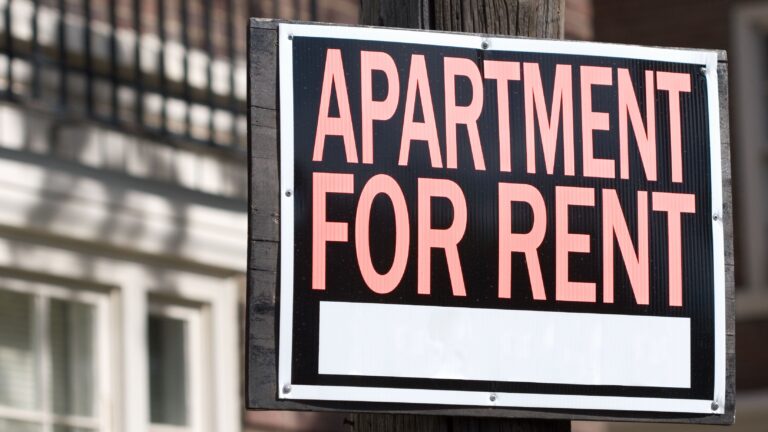
Renting offers cash‑flow advantages. For many professionals, the down payment on a Boston condo ties up liquid capital that could earn higher returns elsewhere, especially as the stock market hit record highs in 2025. Renting also provides lower upfront costs, predictable monthly payments, and mobility for those who value flexibility over roots.
In neighborhoods like Everett or Brighton, new residential projects compete for tenants, often offering concessions such as a free month or waived fees—benefits rarely seen in the sales market. Renting shields you from hidden home‑ownership costs: rising insurance premiums, property taxes, and unexpected repairs like a broken hot‑water heater. Vacancy rates near colleges may also reflect a decline in international students due to recent immigration policies, according to the Housing Report Card.
**Verdict**
- **Buy** if you intend to stay in the same home for at least five to seven years. The long‑term equity build‑up and fixed payments outweigh the initial outlay.
- **Rent** if your timeline is under five years or if you need to keep cash liquid for other investments. Renting can be a strategic choice in a market where buying costs are high and mobility is valued.
In 2026, the smartest real‑estate move may be to avoid buying altogether, especially if you can leverage the stability of renting while preserving liquidity for higher‑yield opportunities.