R
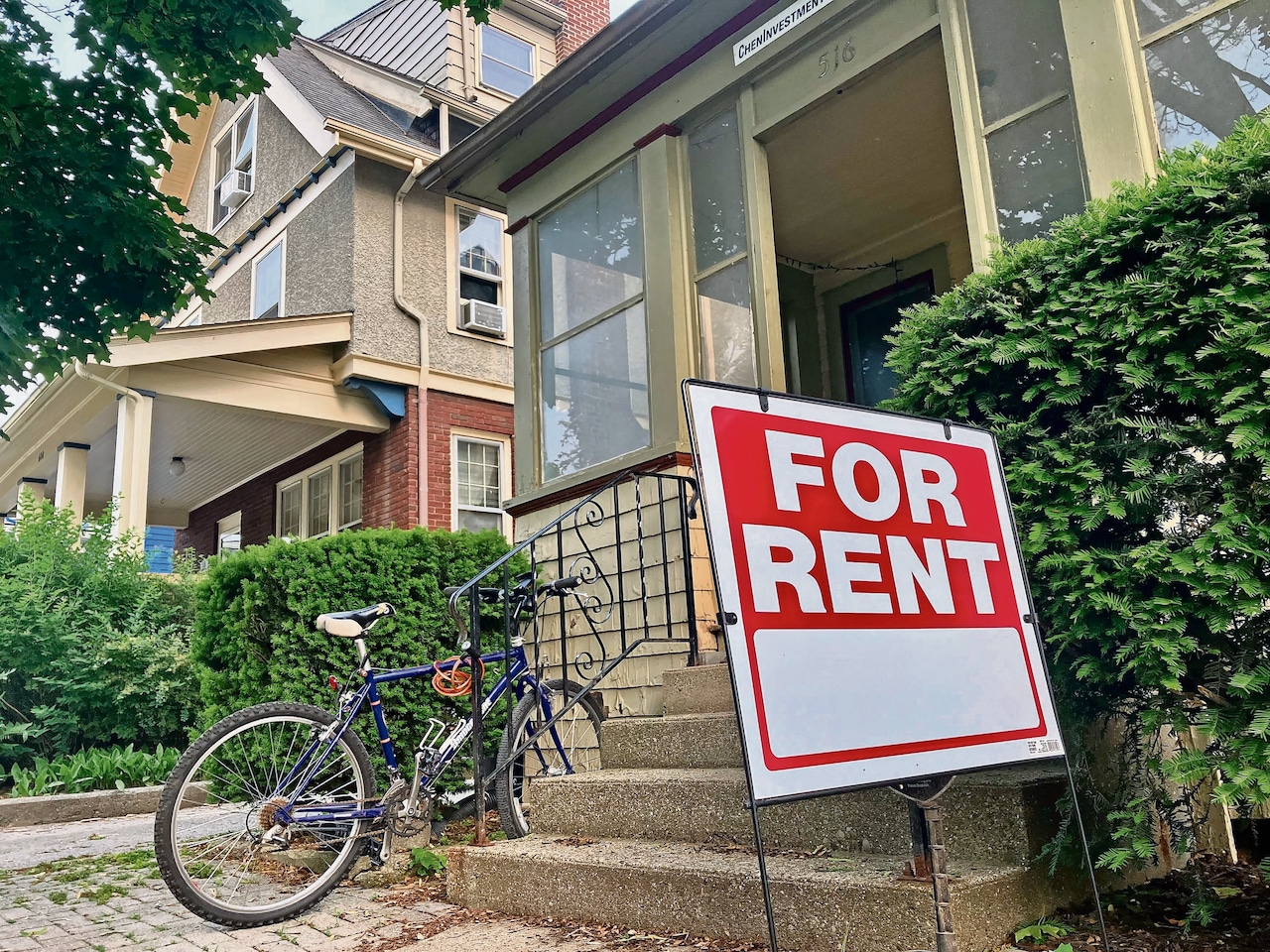
ent growth for single‑family rentals slowed sharply in October, registering only a 0.9% year‑over‑year increase—about one‑third of the 2.8% rise seen over the previous 12 months—and marking the slowest pace since the 2008 crisis. Cotality’s latest Single‑Family Rent Index shows rents remain 9% above 2022 levels, even as the market shifts toward long‑term renting because home‑buying affordability has slipped, boosting demand for rentals.
In 2025, rising vacancy rates are adding pressure to this already sluggish growth. John Wise of Newfi Wholesale notes that vacancy rates have climbed past 7% this year, a seven‑year high that has largely gone unmentioned. Rentometer’s mid‑year review indicates that single‑family homes house up to 40% of U.S. renters. During the pandemic, vacancies dipped below 5% and stayed under 6% each quarter from 2018 until 2025, but the current uptick threatens to erode rental income.
As rent growth decelerates—sometimes falling below inflation—investors are becoming more cautious. Wise warns that negative real rental returns could prompt regional value declines and trigger sales, potentially benefiting first‑time buyers who are still fighting for entry‑level homes. Investor‑buyers rely on debt‑service coverage ratio (DSCR) loans, which are evaluated on projected rental cash flow rather than personal credit. Rising vacancies and shrinking returns jeopardize the viability of these takeouts.
Charles Goodwin of Kiavi’s bridge‑loan and DSCR division stresses that the current environment demands a return to fundamentals: less speculation, tighter operational discipline, and a realistic view of rent growth and occupancy. Investors are now proceeding with greater selectivity, according to Goodwin.
The broader market is adjusting after pandemic‑era distortions. Florida metros have recorded two consecutive years of declining single‑family rent growth; Miami’s rents fell 0.9% YoY in October, while Dallas saw a 1.3% drop. Lower‑end rentals are decelerating faster than higher‑priced units, reflecting affordability strains on budget‑conscious renters. Cotality notes that rentals priced 125% or more above the regional median grew 1.4% in October, whereas those 75% or below the median rose only 0.4%.
Despite these headwinds, investor appetite remains robust. Newfi’s Wise reports that residential real‑estate investors accounted for roughly 30% of home sales in the first half of 2025 and surpassed 100,000 units sold in May, June, and July. William Fisher of Dominion Financial Wholesale explains that investor‑buyers face little competition from owner‑occupiers, allowing them to be more selective. Liquidity from secondary‑market investors—insurance companies, aggregators, and investment firms—helps maintain purchase levels.
Fix‑and‑flippers, however, are feeling the squeeze. High borrowing costs, rising acquisition prices, and extended post‑repair sales timelines have eroded their profit margins. DSCR‑financed properties are particularly vulnerable to renter pressure, as slower rent growth or declines threaten their cash flows.
Over the past five years, single‑family rent growth has averaged 39.5%, outpacing the 23% rise in median household income, according to Rentometer. While the explosive growth of previous years has cooled, rents have not reversed outside specific correction markets like Florida, suggesting a stable environment for acquisitions. Kyle Concannon of Constructive Capital notes that opportunities exist in resilient Midwest metros such as Chicago and Detroit, which have consistently led U.S. rent growth in 2025. For mortgage brokers working with investor clients, the market’s normalization signals long‑term health.
In summary, single‑family rental markets are experiencing slower rent growth and rising vacancies, prompting investors to adopt more disciplined, cautious strategies. While the overall environment remains stable, selective opportunities persist in certain resilient markets, and liquidity from secondary investors continues to support active buying.