M
ortgage rates are projected to edge toward 6 % over the next year, giving buyers a fresh boost of purchasing power. The National Association of Realtors (NAR) examined ten indicators—such as how lower rates expand buying power, the alignment of home prices with local incomes, migration patterns, and job growth—to pinpoint the U.S. markets where “home sales will likely be liveliest in the coming year.” A market qualified if it had a population over 250,000, outperformed the national average on at least five of the indicators, and offered clear opportunities for buyers and agents.
**Top 10 markets for 2026**
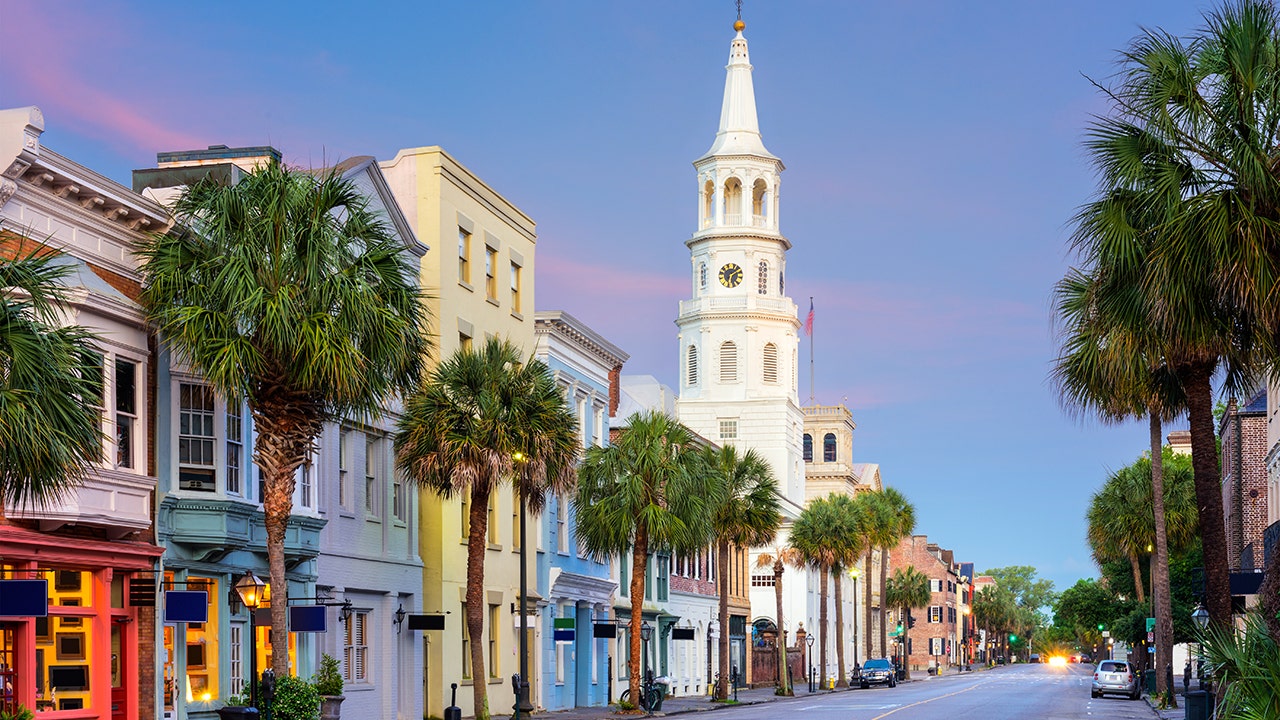
- **Charleston, SC** – Inventory in the $200k–$350k range is rising. A 6 % rate would add more than 20,000 qualifying households. Millennials represent 36 % of residents, and the city enjoys strong job and income growth. The shift from 7 % to 6 % expands affordability for many renters.
- **Charlotte, NC** – Over 52,000 extra households would qualify at 6 %. The metro’s migration inflow, income gains, job growth, and high millennial concentration create a winning formula: young buyers, solid jobs, and plentiful listings where needed.
- **Columbus, OH** – More than 41,000 additional households would qualify. Millennials make up 37.5 % of the area, incomes are up year‑over‑year, and job growth is robust. Columbus remains one of the Midwest’s most resilient housing markets, with logistics expansions fueling high‑quality jobs.
- **Indianapolis, IN** – The city is “balanced and opportunity‑rich.” A 6 % rate would add over 42,700 qualifying households. Strong millennial presence, solid job gains, and a good match between home prices and local incomes support demand.
- **Jacksonville, FL** – Affordability and inventory are improving simultaneously. More than 39,700 households would qualify at 6 %. The market also enjoys strong income growth and rising migration.
- **Minneapolis–St. Paul, MN** – The Twin Cities gain over 81,000 newly qualified households at 6 %. Homes in the $250k–$450k range are returning to the market, and the area shows strong job growth, a high concentration of millennials, and better price‑income alignment.
- **Raleigh, NC** – Nearly 27,000 more households would qualify. Raleigh’s fast‑growing incomes, high millennial population, solid job gains, and better‑aligned inventory make it a clear opportunity market for 2026.
- **Richmond, VA** – More than 25,500 additional households would qualify at 6 %. Richmond is a “quietly powerful” market with strong job gains, fewer price cuts than the national average, and a solid match between prices and incomes.
- **Salt Lake City, UT** – About 25,000 extra households could afford a median‑priced home at 6 %. The city’s strong millennial presence, income growth, job gains, and listings increasingly aligned with local incomes make it one of the biggest beneficiaries of lower rates.
- **Spokane, WA** – Spokane is one of the few Western metros where affordability and inventory are trending right. Over 9,500 additional households would qualify at 6 %. The market also has strong income growth, a high millennial concentration, and fewer price cuts than the national average.
**Market backdrop**
Mortgage rates ticked up this past Thursday as the Federal Reserve cut its benchmark rate for the third straight time amid uncertainty over the labor market and inflation. The average 30‑year fixed rate rose to 6.22 % for the week ending Dec. 11, up from 6.19 % the previous week, according to Freddie Mac. A year earlier, rates averaged 6.60 %.