C
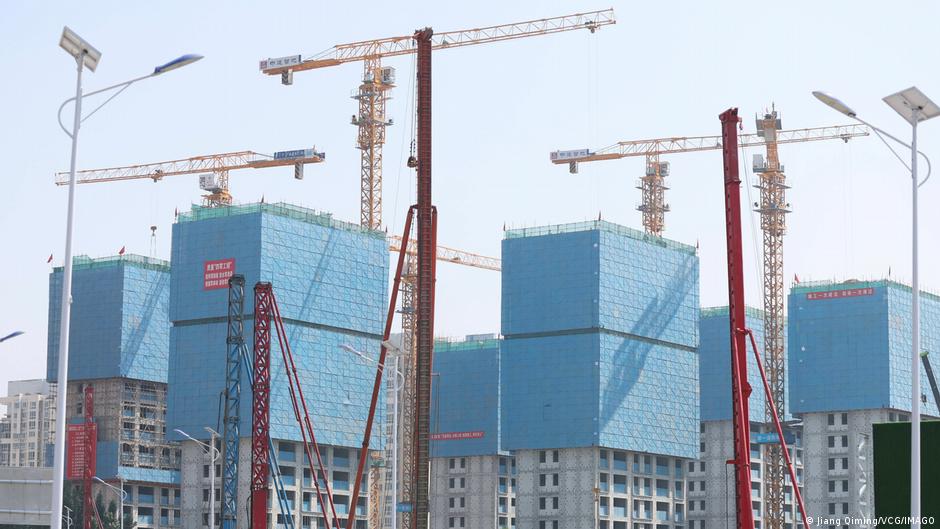
hina’s real‑estate surge, which began in the late 1990s, reached a peak in 2020 when housing prices were more than 17 times the average annual wage. The rise was fueled by 1998 reforms that moved housing from state allocation to private ownership, the migration of nearly half a billion rural residents to urban centers, and generous credit from state banks. Skyscrapers multiplied, families invested savings in apartments, and speculation became routine, giving many middle‑class households a false sense of prosperity.
The bubble burst during the first COVID‑19 lockdowns when President Xi’s administration introduced the “three red lines” policy, capping developers’ debt levels. The crackdown forced giants such as Evergrande and Country Garden, along with dozens of smaller firms, into default or state‑backed bailouts. Over 70 developers collapsed or required rescue. Five years on, the downturn shows no easing. Barclays estimates that household wealth has fallen by more than $18 trillion (€15.38 trillion) as home values collapse, while construction—once a major GDP driver—now drags growth below Beijing’s targets.
In a bid to control the narrative, officials recently ordered private data providers to cease publishing home‑sale figures, cutting off a key independent view of the market. The directive followed a 42 % year‑on‑year drop in new‑home sales by the top 100 builders in October, the steepest decline in 18 months. Anne Stevenson‑Yang of J Capital Research argues that the true price fall could be 50 % to 85 % before markets stabilize. She cited a case in Xi’an where a developer offered three homes for the price of one, effectively a two‑thirds price drop per unit.
In Tier‑1 cities like Beijing and Shanghai, average prices have slipped roughly 10 % from their peaks, with luxury demand cooling further. Tier‑2 and Tier‑3 cities—Chengdu, Dongguan, and others—suffered steeper falls, up to 30 %. The crash has left half‑finished projects, ghost cities, and millions of homeowners in negative equity, sparking public anger and sporadic protests as buyers await Beijing’s stimulus response.
George Magnus of Oxford’s China Center notes that excess supply could persist for 3–5 years, especially in smaller cities, and that the cohort of first‑time buyers (ages 20–35) is shrinking. China’s population, once 1.41 billion, is now declining, ending decades of growth. Demand for construction raw materials—steel, cement, iron ore—has fallen sharply, hurting employment and investment. China’s role as the world’s largest consumer of these materials has pressured exporters such as Australia, Brazil, and Chile, while domestic consumption of luxury goods and cars has weakened.
The government’s approach to the crisis differs from past interventions after the 2008 global financial crisis, the 2015 stock‑market crash, and the pandemic. Beijing prefers a gradual deflation of prices to avoid a new speculative bubble, prioritizing long‑term stability over short‑term stimulus. Stevenson‑Yang notes that a large‑scale stimulus would be inflationary and unsustainable. Bloomberg reports that Beijing is considering mortgage‑interest subsidies, lower transaction fees, and larger income‑tax rebates for borrowers, but no broad rescue plan is on the table.
Historical analogues suggest a protracted downturn. The U.S. housing bust of 2007 took until 2012 for prices to stabilize; Spain’s post‑2008 collapse lasted about five years. Japan’s post‑bubble era, from 1991 to the 2000s, saw home values stagnate for over a decade and never fully recover. Analysts predict that China’s property sector could experience another decade of negative or flat growth, with some forecasts pointing to a recovery as late as 2027. For ordinary families, the reality is stark: apartments purchased at record highs now hold little value, mortgages remain unaffordable, and the prospect of regaining 2020 price levels seems remote.
The pattern is not unique to China. Homeowners worldwide often assume perpetual price appreciation, but when cycles reverse, the consequences can be severe. The Chinese experience underscores the risks of unchecked speculation, the limits of state intervention, and the long‑term costs of a housing bubble.