T
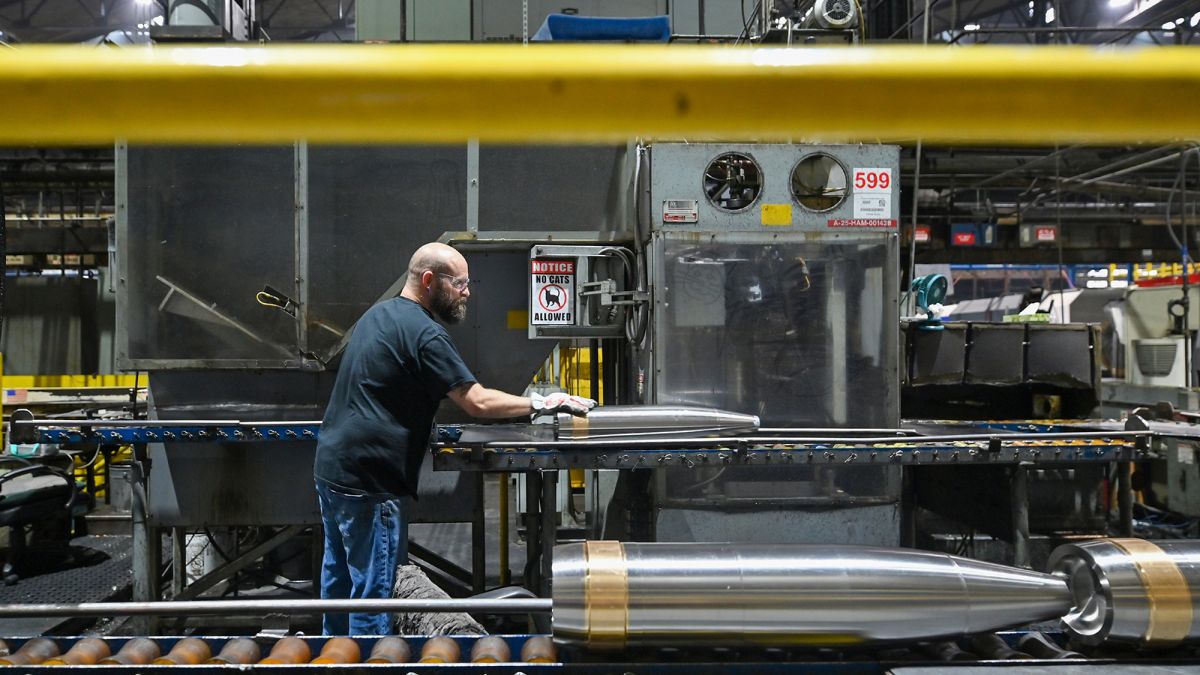
he Trump National Security Strategy now declares that America must rebuild its industrial base, strengthen domestic supply chains, and speed up advanced manufacturing in semiconductors, batteries, aerospace, shipbuilding, critical minerals, and defense. It frames this as essential to out‑pacing China and safeguarding long‑term security and economic resilience.
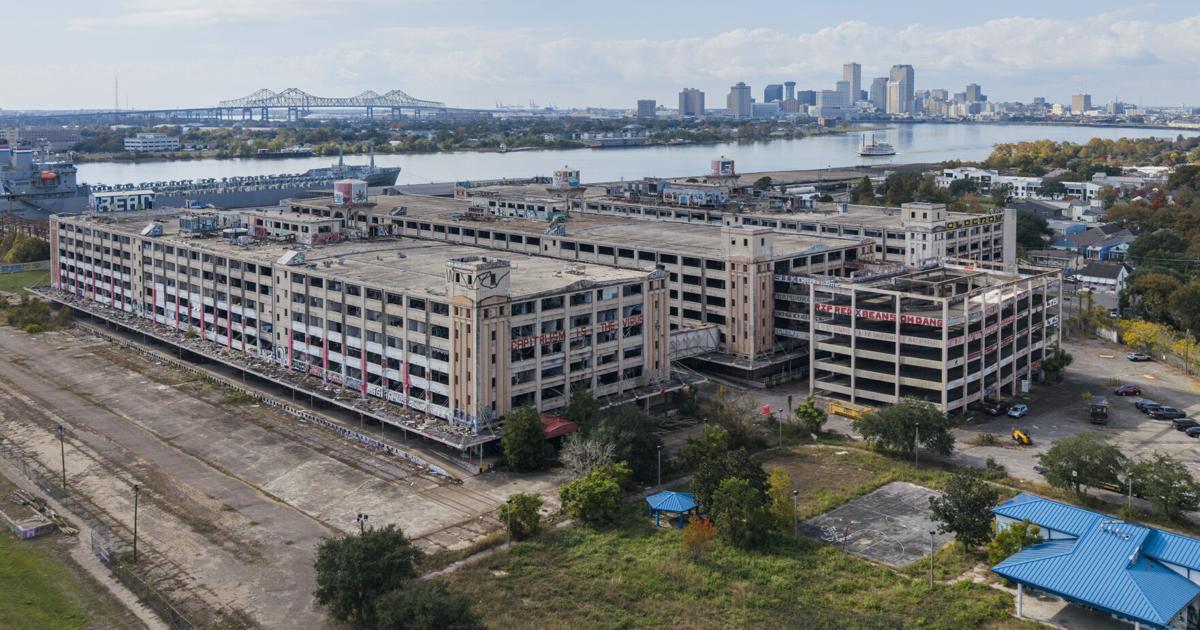
The goal is overdue, yet a key obstacle remains unaddressed: the lack of ready real‑estate. Across the country, projects stall not because firms lack capital or innovation, but because communities lack industrial sites with zoning, environmental clearance, power, broadband, water, transport, and predictable permitting already in place.
China’s approach to manufacturing mirrors how the U.S. once built interstate highways—strategic, national, and large‑scale. If America continues to treat industrial development as piecemeal negotiations, it risks losing the very industries it seeks to bring home.
Power supply is another bottleneck. AI and data‑center construction are rapidly draining grid capacity, and the best sites are already earmarked for these projects. Advanced manufacturing—especially defense, aerospace, materials processing, and clean tech—also demands megawatt‑scale, reliable power for robotics, microelectronics, and precision energy storage. While data‑center developers have trillion‑dollar backing, the newest advanced‑manufacturing firms are still venture‑backed and reliant on federal loans, grants, or contracts. In some states, projects are stalled because the grid cannot support their load for years, pushing them into the “Valley of Death” where early funding and market entry collide.
Talent is the third critical element. Modern manufacturing requires technicians, machinists, programmers, robotics specialists, welders, chemical process operators, and systems engineers. Communities investing in community colleges, technical schools, and high‑school exposure to manufacturing stand out. The most competitive regions train workers on state‑of‑the‑art machines, craft curricula with industry input, partner with employers on apprenticeships and equipment donations, and treat vocational pathways with the same rigor as four‑year degrees. Employers no longer ask whether training exists; they ask whether it already works and can be tailored to their needs.
Over the past three years, I have visited sites beyond the coastal hubs—Huntsville, Tulsa, Raleigh, Youngstown, Greenville, Wichita, and others—and found communities energized by the idea of rebuilding America’s core strengths: good jobs, middle‑class opportunity, and pride in making things that matter. Politics fades outside Washington; conversations focus on whether students can stay, whether new industries will arrive, and whether families will have a reason to plant roots.
To meet the National Security Strategy’s goals, the U.S. needs a whole‑society approach that includes federal investment and permitting, venture and institutional capital, and proactive state and regional engagement. Key actions include:
* Preparing industrial sites now, not after a company expresses interest.
* Designating and pre‑permitting industrial corridors to cut delays.
* Planning energy generation and transmission aligned with industrial priorities.
* Building evidence of talent readiness: modern equipment, apprenticeships, credentials, and employer partnerships.
* Streamlining predictable permitting for strategic industries.
This is not a call to lower environmental standards or silence community voices; it is a call to align regulatory timelines with the strategic urgency outlined in the National Security Strategy.
We have a rare window of alignment—policy momentum, global supply‑chain shifts, capital investment, and community enthusiasm. But none of it matters if we fail to prepare. Reindustrialization is not a concept; it is a physical reality that requires land, power, trained people, and coordination across local, state, and federal levels. It demands planning measured in years, not in response to the next opportunity. America can rebuild its industrial base; the question is whether we will prepare fast enough to seize it.