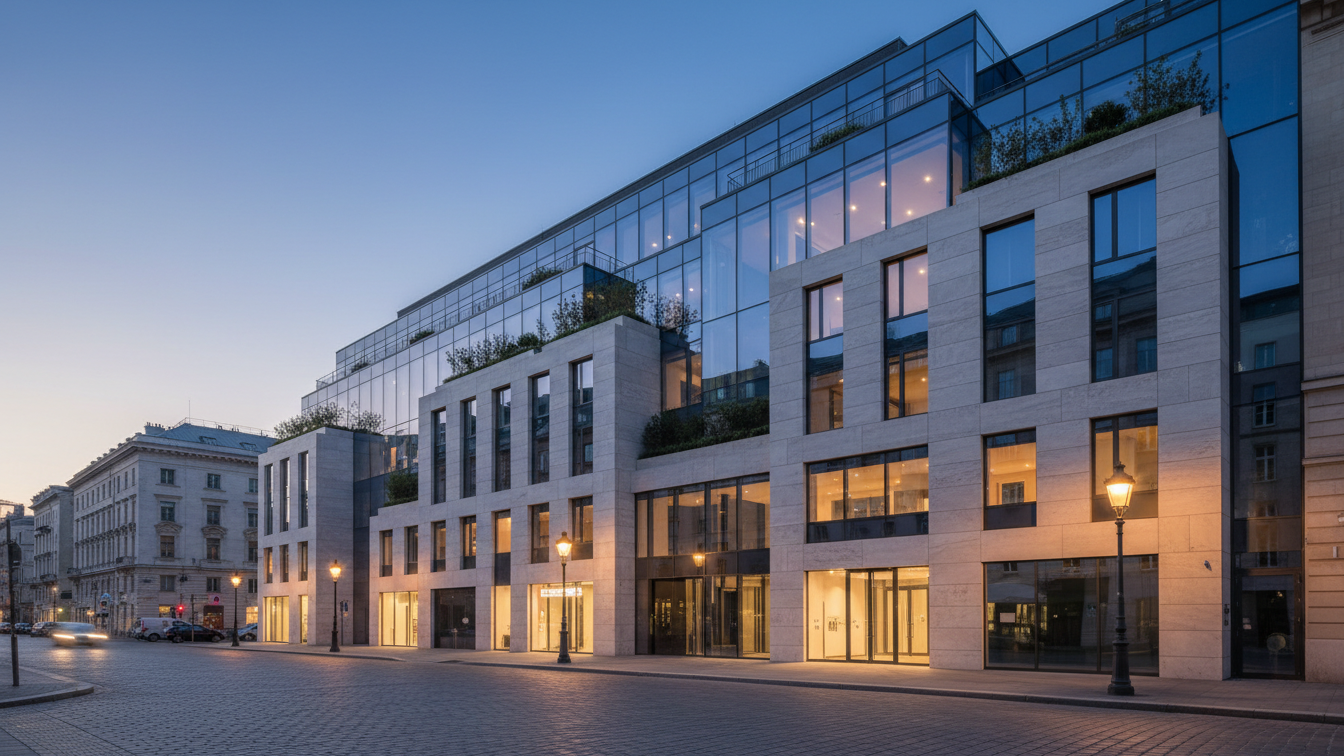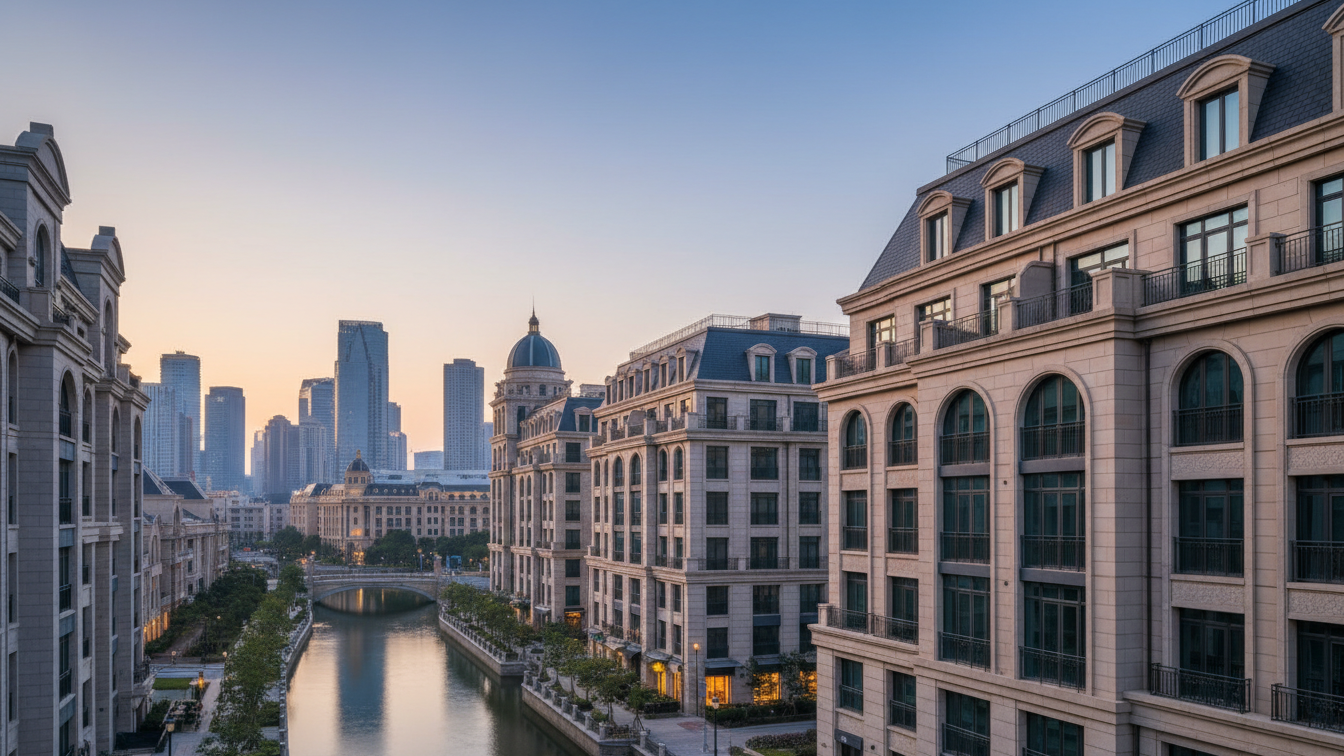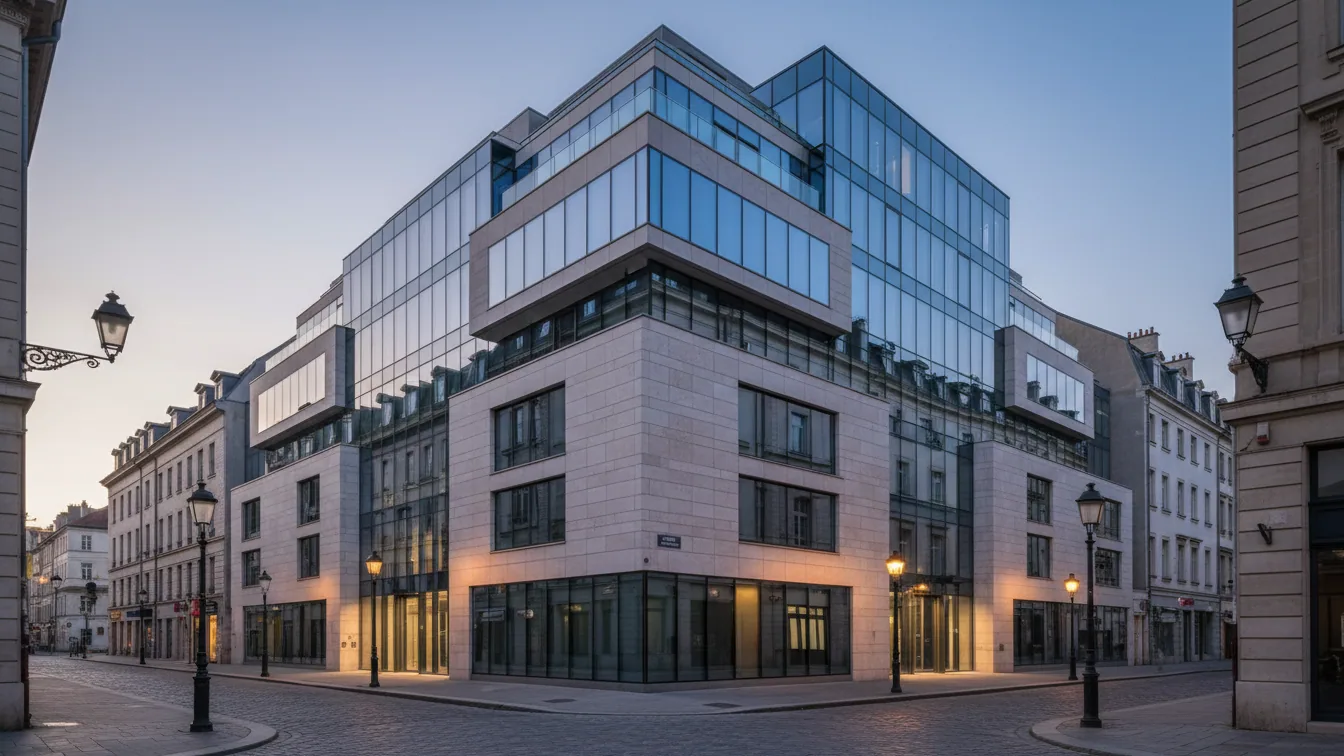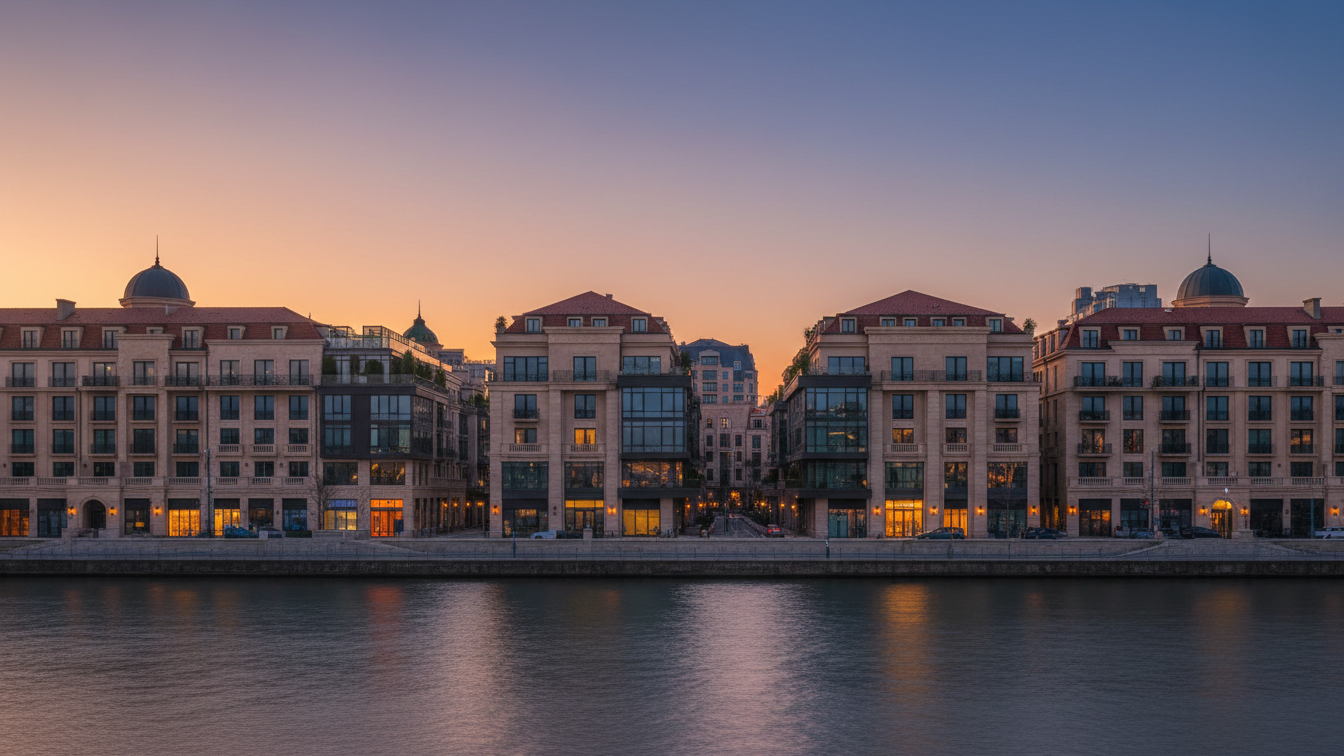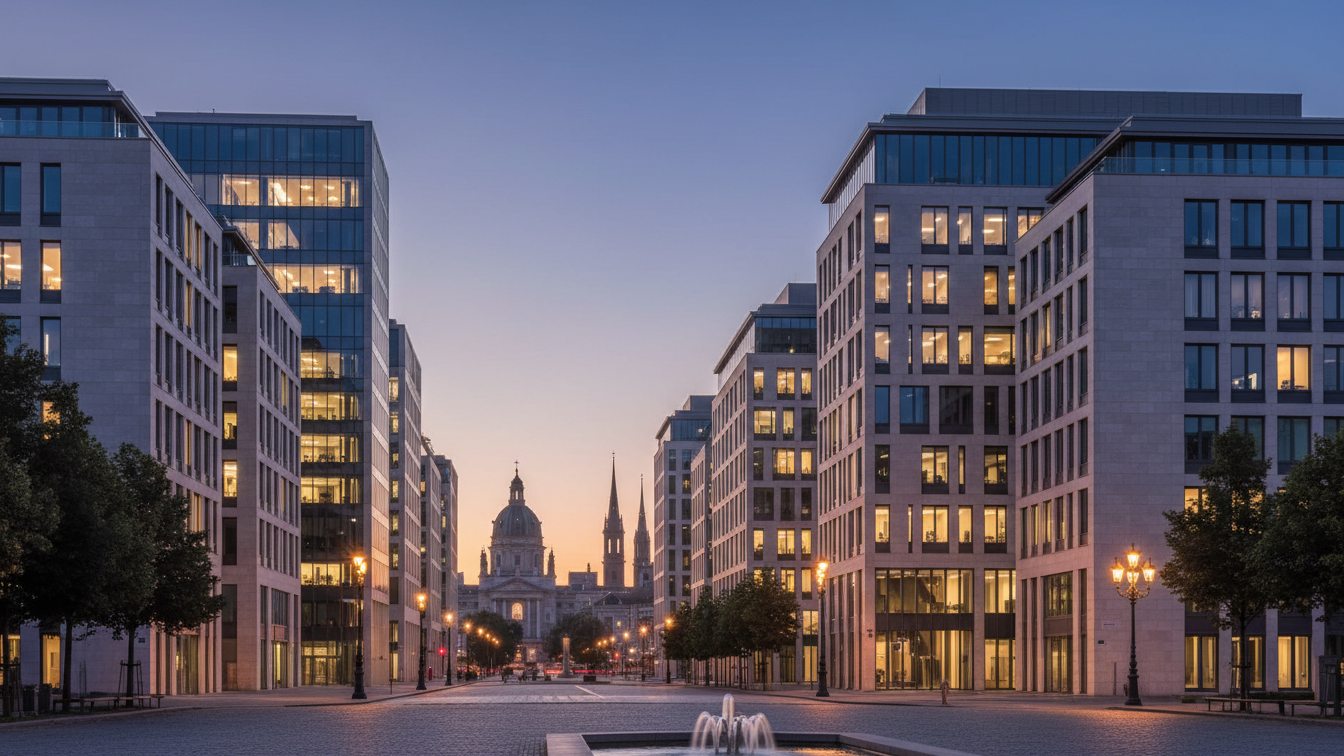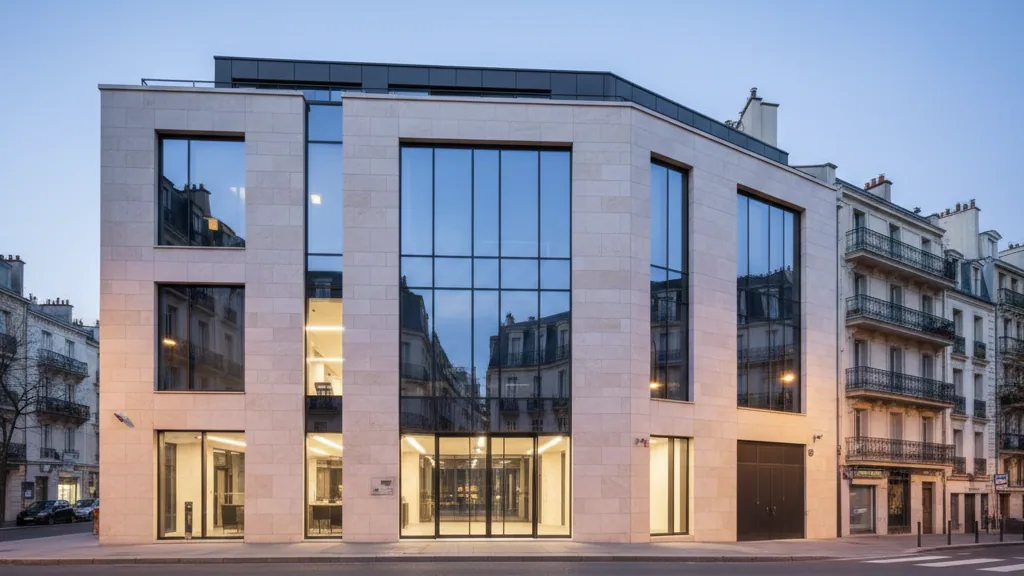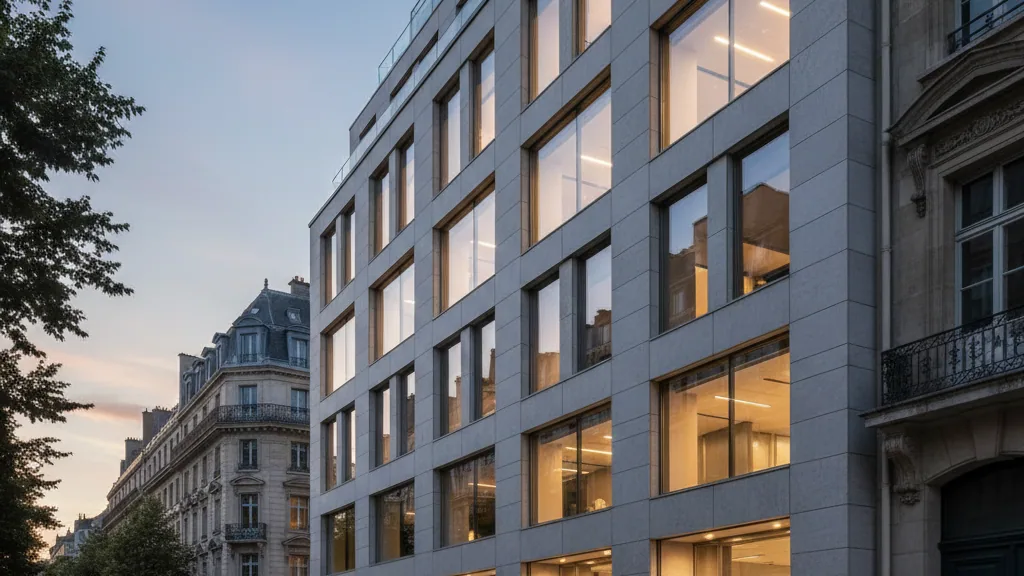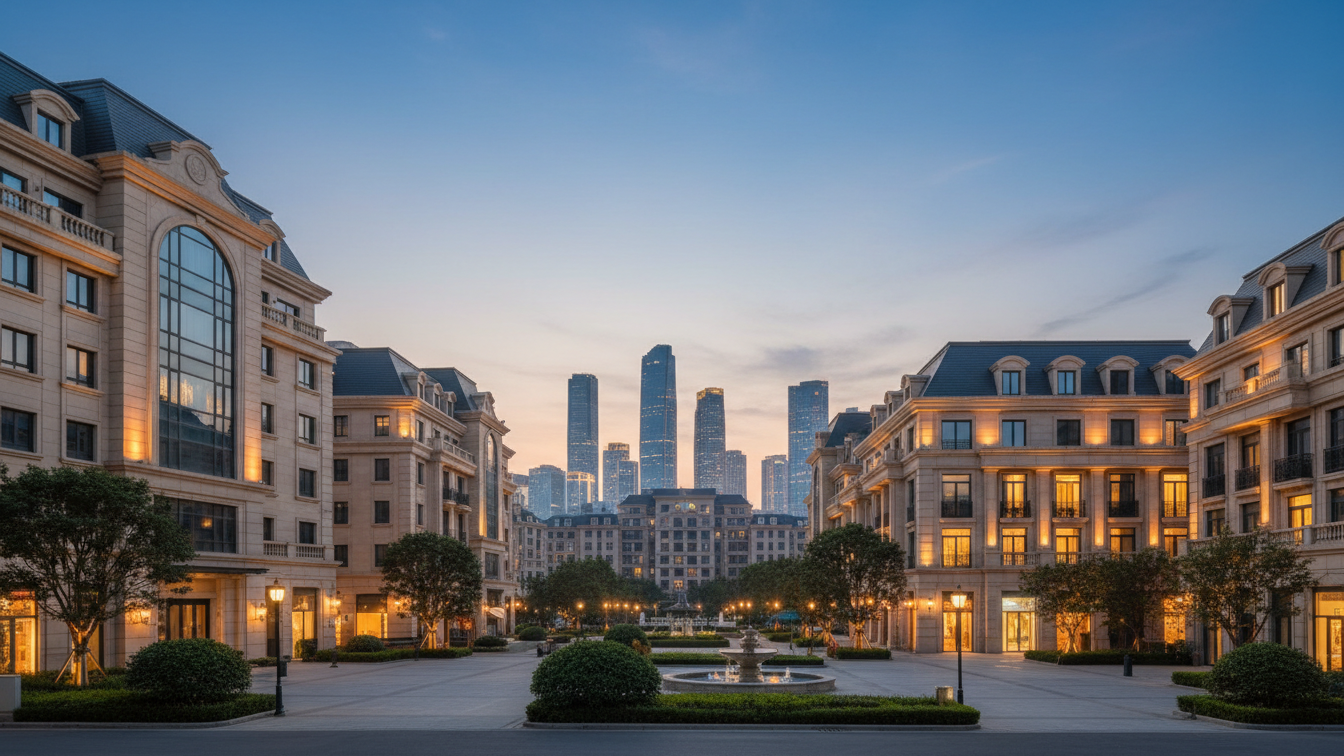
The LOOP Park Quarter, a joint development by ECKPFEILER Immobilien Nuremberg and HI Wohnbau, is progressively taking shape on the former grounds of the Reichelsdorfer Keller velodrome in Nuremberg. A key milestone is the awarding of the Gold district certificate by the German Sustainable Building Council (DGNB). This marks a premiere for a Nuremberg urban quarter at this quality level and acknowledges the project's comprehensive sustainability measures.
Particular recognition was given to the assessment criteria of social infrastructure, open space planning, biodiversity, and ecology, in which the quarter achieved top marks, in some cases reaching 100 per cent of the possible evaluation points. The responsible handling of the site's history is a defining element. A approximately 30-metre section of the former velodrome's steep curve and a themed cycling café with historical exhibits will be preserved. Information boards and support for cycling events complement this concept for preserving local history.
Sustainability and Social Infrastructure
The ecological concept of the LOOP quarter includes extensive measures for tree preservation, the protection of roots and habitats, and climate-resilient new plantings. Large-scale green roofs, retention areas above the underground car park, and significant de-sealing of the ground contribute to improved rainwater retention and optimised infiltration, despite challenging conditions. A highly efficient district contracting system also reduces CO₂ emissions. In conjunction with a construction method oriented towards the KfW-40-QNG standard, primary energy consumption will be reduced by over 50 per cent, enabling lower utility costs for future residents and commercial tenants.
Another integral component of the holistically planned quarter is its social infrastructure. Diakoneo will operate a day care centre for children with a capacity for 99 children, which is being built on an approximately 700 square metre area at the quarter's entrance. The opening is planned for September 2027 and will secure childcare options for families in the quarter for a fixed term of 25 years. Verena Bikas, Board Member for Education and Health at Diakoneo, highlights that the day care centre creates an offering where families live, and Diakoneo is pleased to be part of this sustainable and family-friendly project.
The success in leasing commercial spaces even before completion underscores the attractiveness of the concept. Bäckerei Der Beck will operate the themed cycling café, scheduled to open simultaneously with the completion of the first construction phase in September 2027. ECKPFEILER Managing Director Greim emphasises that LOOP creates added value for the district by making a formerly private site accessible to the public with a pocket park, a walking path, and public children's playgrounds. In addition, a diverse housing offer comprising townhouses and multi-family dwellings for rent and for sale is being created.
Second Construction Phase and Further Development
Parallel to the first construction phase, preparations for the second development phase are already underway. Construction for the second phase, planned jointly with HI Wohnbau, is scheduled to start by the end of 2026. This section will include 78 owner-occupied flats and townhouses with two to five rooms. The different floor plans and housing types cater to owner-occupiers and capital investors alike, and range from city flats to spacious family flats with private gardens, terraces, balconies, or roof terraces. The second construction phase is also committed to the high ecological standards of the overall project and is being planned to the KfW-40-NH efficiency house standard with an aimed-for Sustainable Building Quality Seal (QNG). A DGNB Silver certification is also being sought for the buildings in this section.
The DGNB Gold award for the overarching quarter concept, the progress in the second construction phase, and the long-term leasing of commercial spaces are crucial steps for the LOOP project on its way to becoming a future-proof urban quarter. The project demonstrates how sustainable urban development extends beyond mere new residential construction by preserving existing identities, fostering new encounters, and combining ecological quality with long-term economic viability.