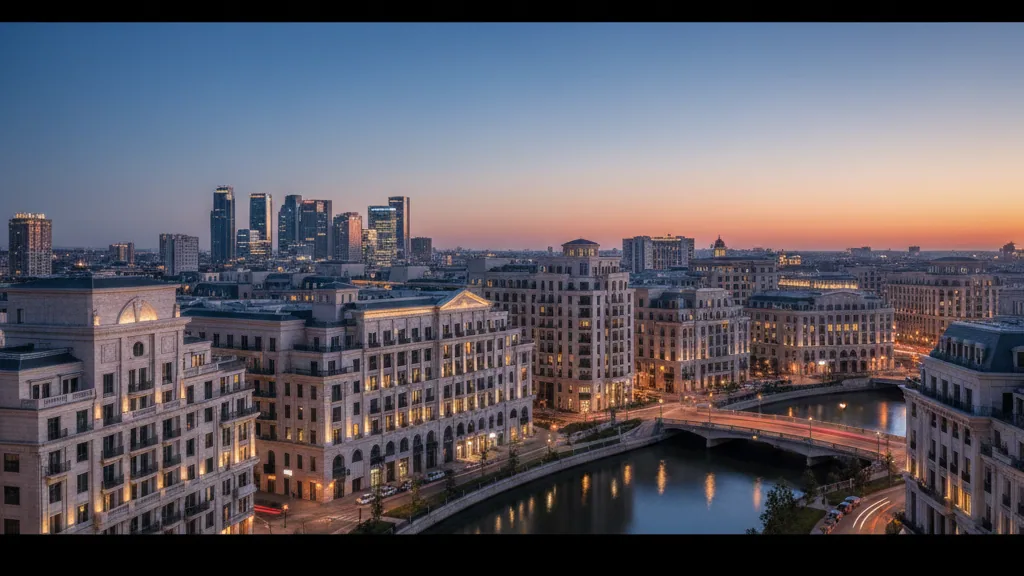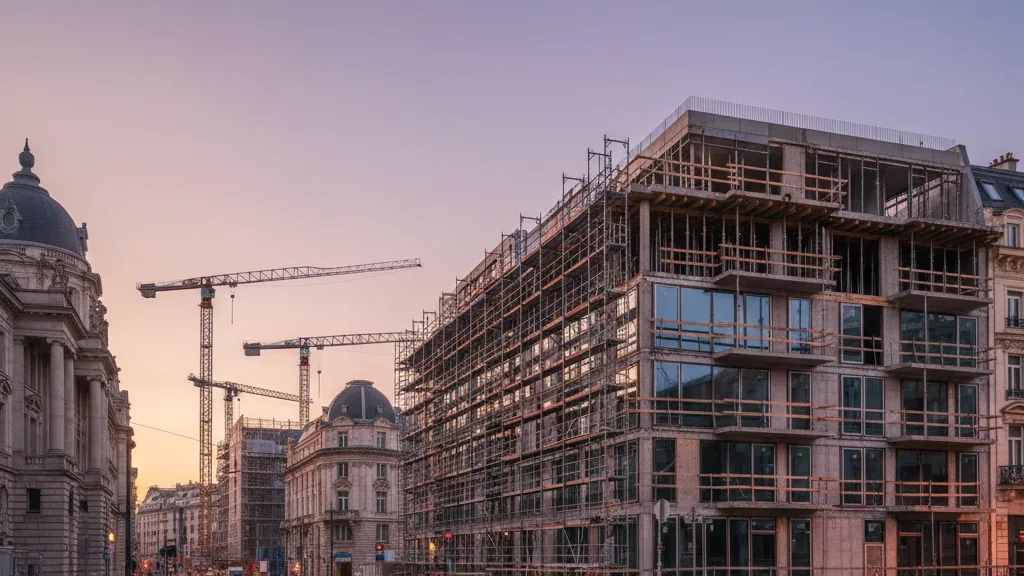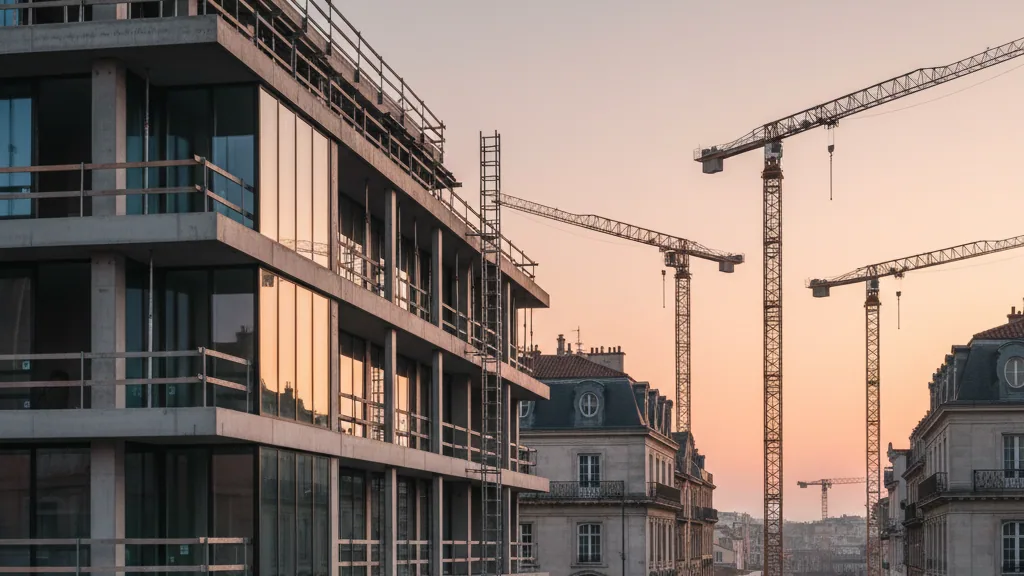
According to leading construction research institutes, Germany could build a third more homes, but existing, excessive standards prevent this. The Working Group for Contemporary Building (ARGE) from Schleswig-Holstein and the Institute for Building Research (IFB) from Lower Saxony presented their findings in Berlin, signalling a 'standards emergency'. The institutes argue that a reduction and substantial improvement of building standards could lower total new-build costs by approximately EUR 1,000 per square metre of living space. This would enable the construction of significantly more homes.
Professor Dietmar Walberg, head of ARGE, and IFB Director Heike Böhmer critically commented on the current situation. They stated that the situation has escalated and frustration in the construction industry is enormous, as the multitude of regulations is almost impossible to oversee. To create more housing, an urgent 'disarmament' of standards is required to restore them to their original purpose of cost reduction. The construction researchers are calling for a swift and considered radical overhaul of building standards.
Standards as a Cost Driver in Housing Construction
According to the research institutes, the continuous development of new, more complex, and stricter standards in Germany inhibits the use of simple and cost-effective construction solutions. The federal and state governments further embed these standards through legal provisions, making them binding. Professor Dietmar Walberg emphasised that this continuously makes new housing construction more expensive. Since 2000, there has been a cost explosion of around 245 per cent in nationwide new residential construction. Of this, 20 per cent of the cost increase is directly attributable to the constant tightening of standards. Specifically, this means that over the last 25 years, standards have increased the total costs in new builds by about EUR 600 per square metre of living space, leading to a reduction in construction activity. Walberg referred to this in this context as a 'catastrophic state of shock' in housing construction, caused by overregulation.
A concise case study for the problem of standards is sound insulation. Heike Böhmer explained that since 2015, the effort and costs for sound insulation standardisation have tripled. An elaborate computational verification for every single room is necessary, which is barely feasible without specific building physics software. As an example, a residential building in Wesel was mentioned, where the required sound insulation for balconies, due to minimal exceedances of the guideline value, would have resulted in the glazing of all balconies, ultimately preventing their construction as they would have become unaffordable.
Complexity and Construction Defects
The construction researchers warn that building quality is not increasing due to ever more complex standards; on the contrary, the number and cost of construction defects have risen. Heike Böhmer criticised the practice of 'turning up individual standards at the drawing board like adjusting screws' without considering their effects on the overall building. Energy efficiency was cited as a prime example, where maximum theoretical requirements for windows, thermal insulation, and heating technology led to over-insulated, airtight houses with maintenance-intensive ventilation and complex, repair-prone technology. This results in inflated costs, building defects, and risks, for example, for moisture damage. Nearly two-thirds of construction damages regulated by insurance companies, especially moisture damage, are attributable to increasing complexity, according to the IFB. The average cost per claim has almost doubled from 2013 to 2024, now standing at nearly EUR 14,000 per regulated case. The continuous increase in technical standards for residential construction leads to less being built, a realisation that, according to experts, has not yet been fully grasped by politicians.