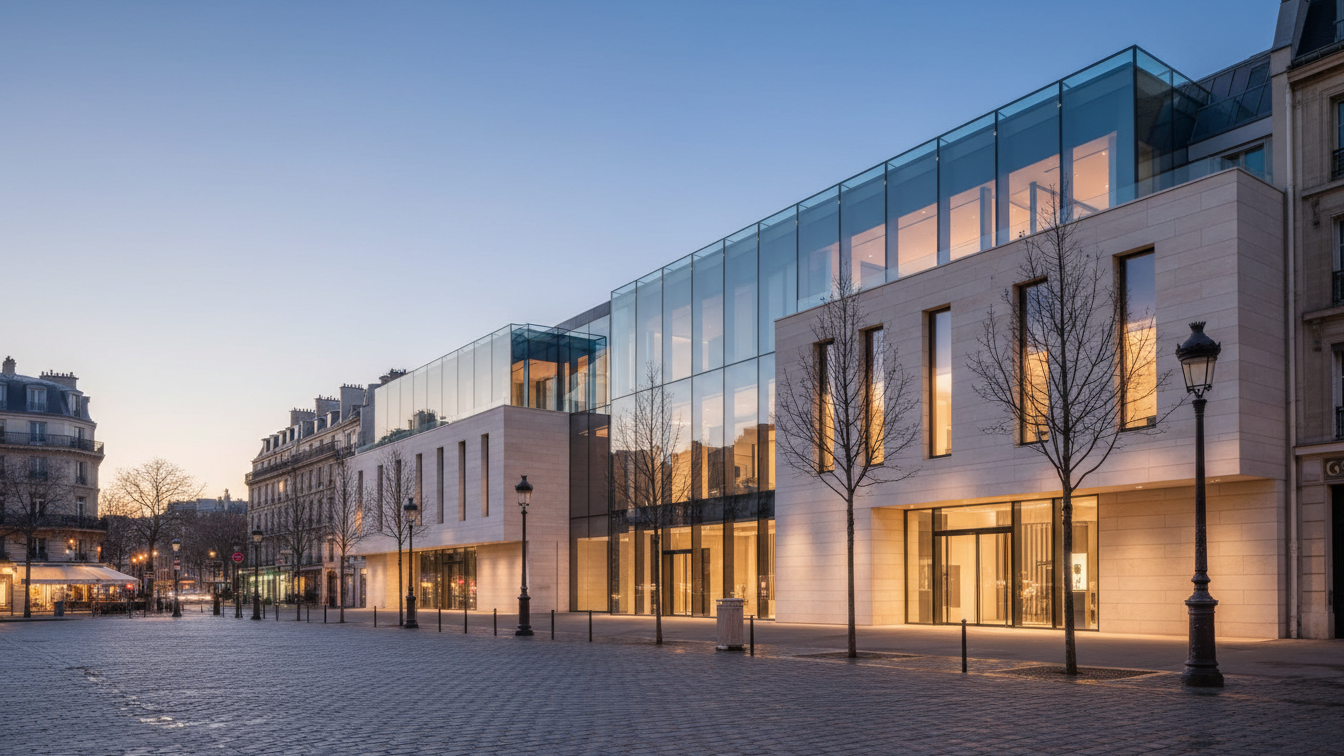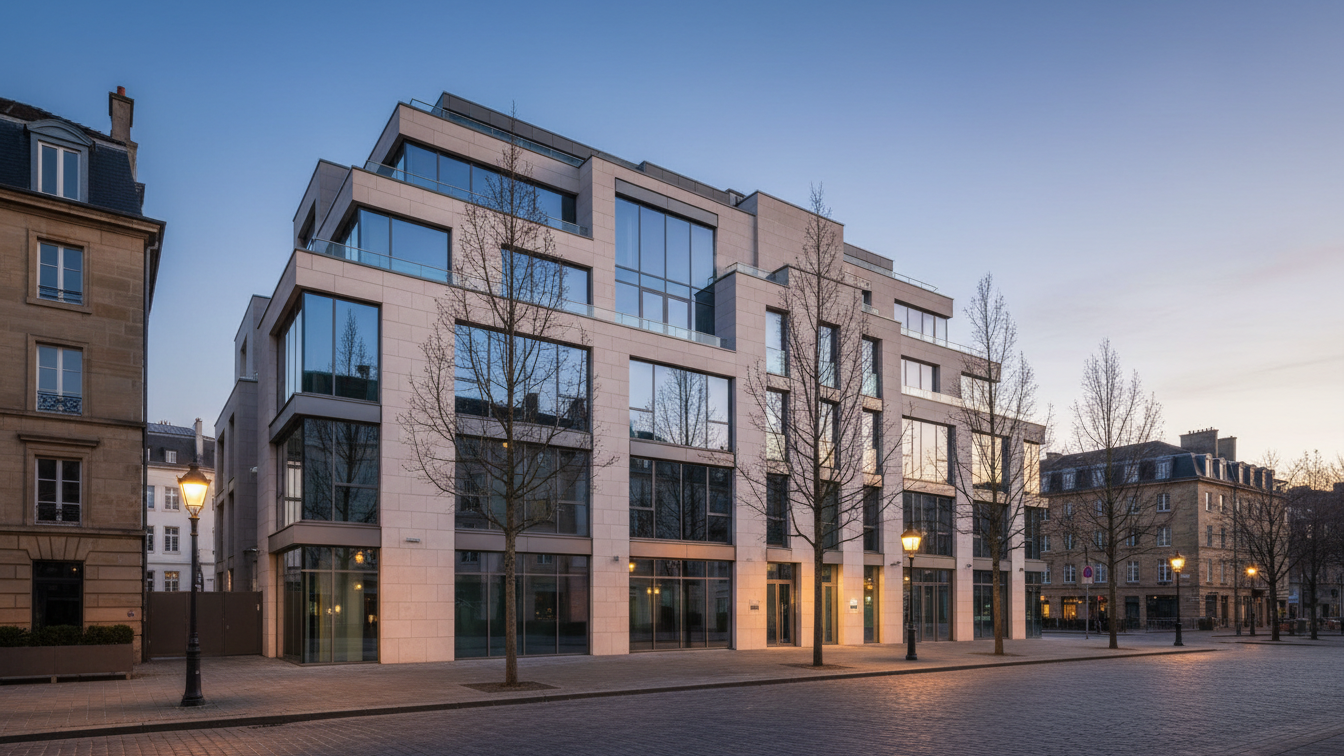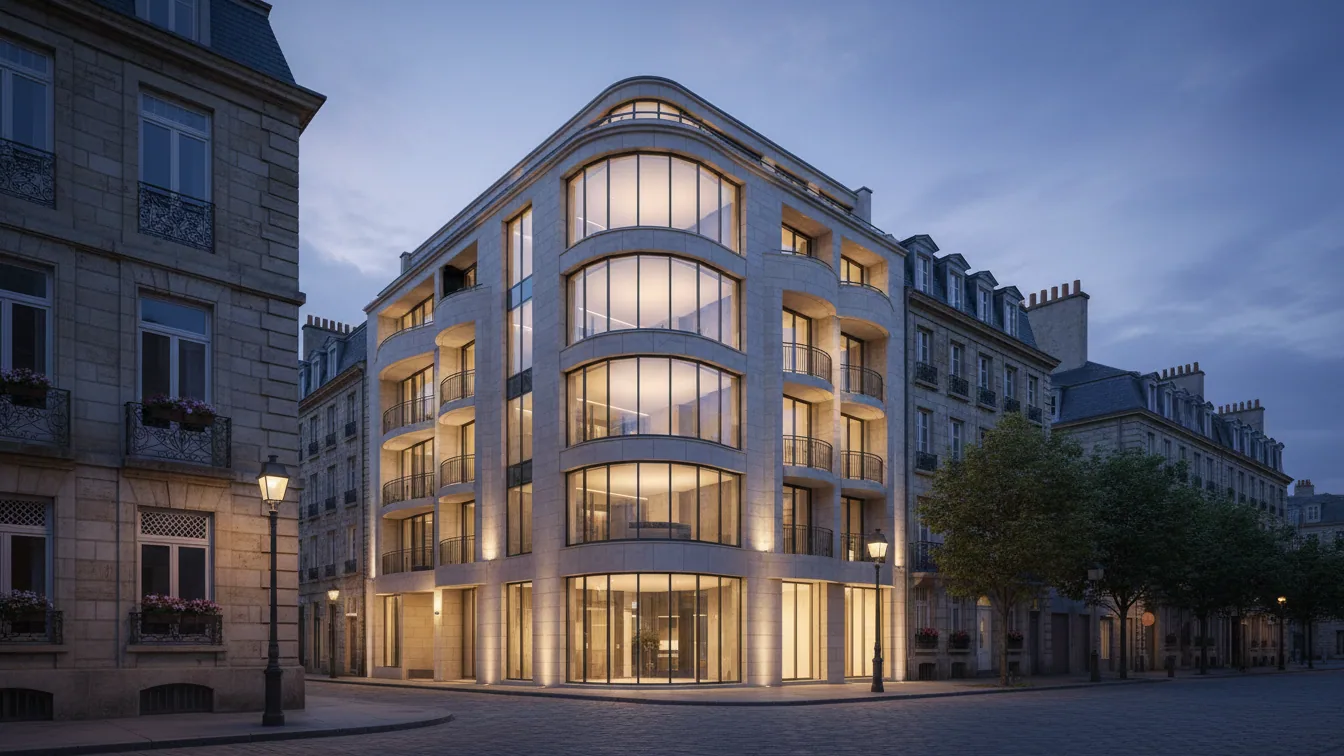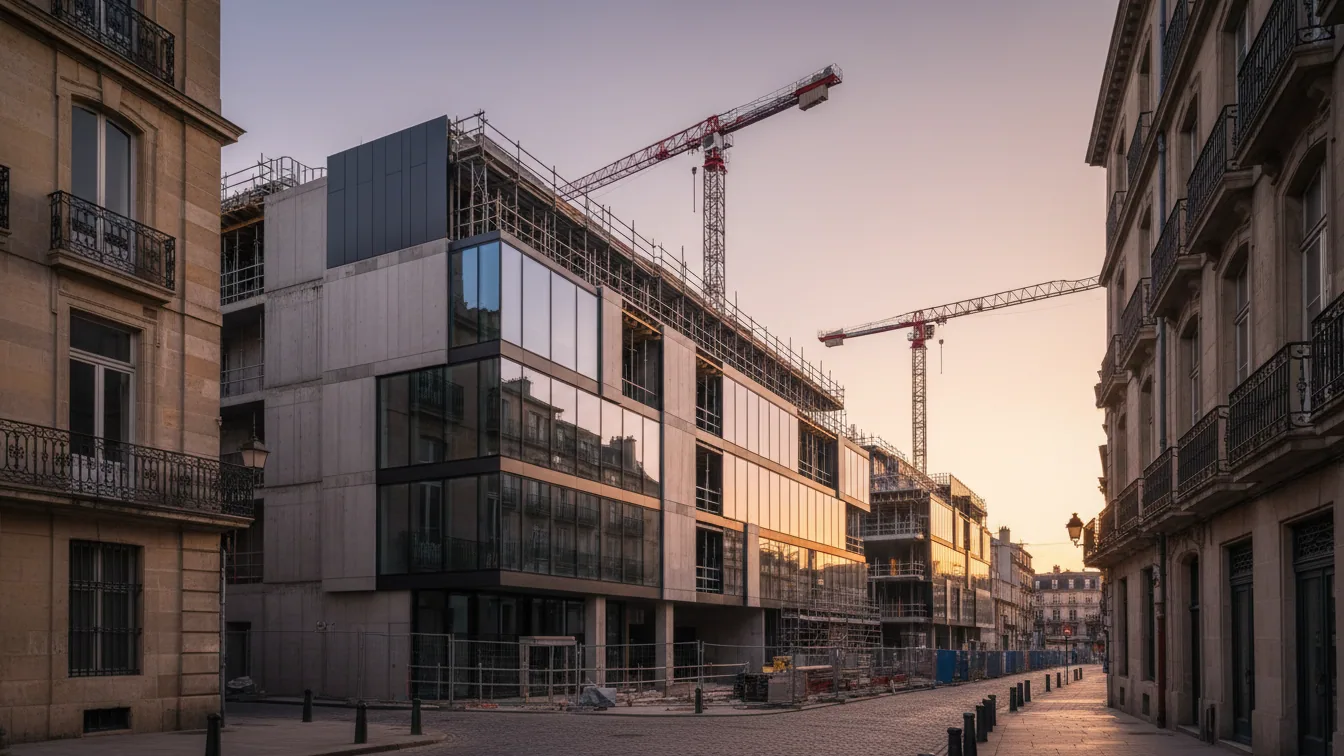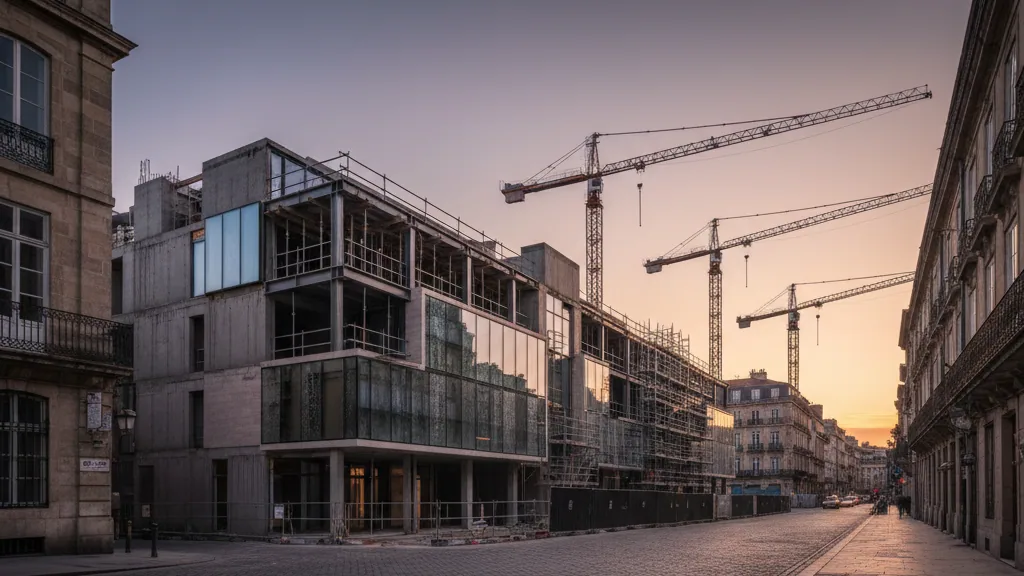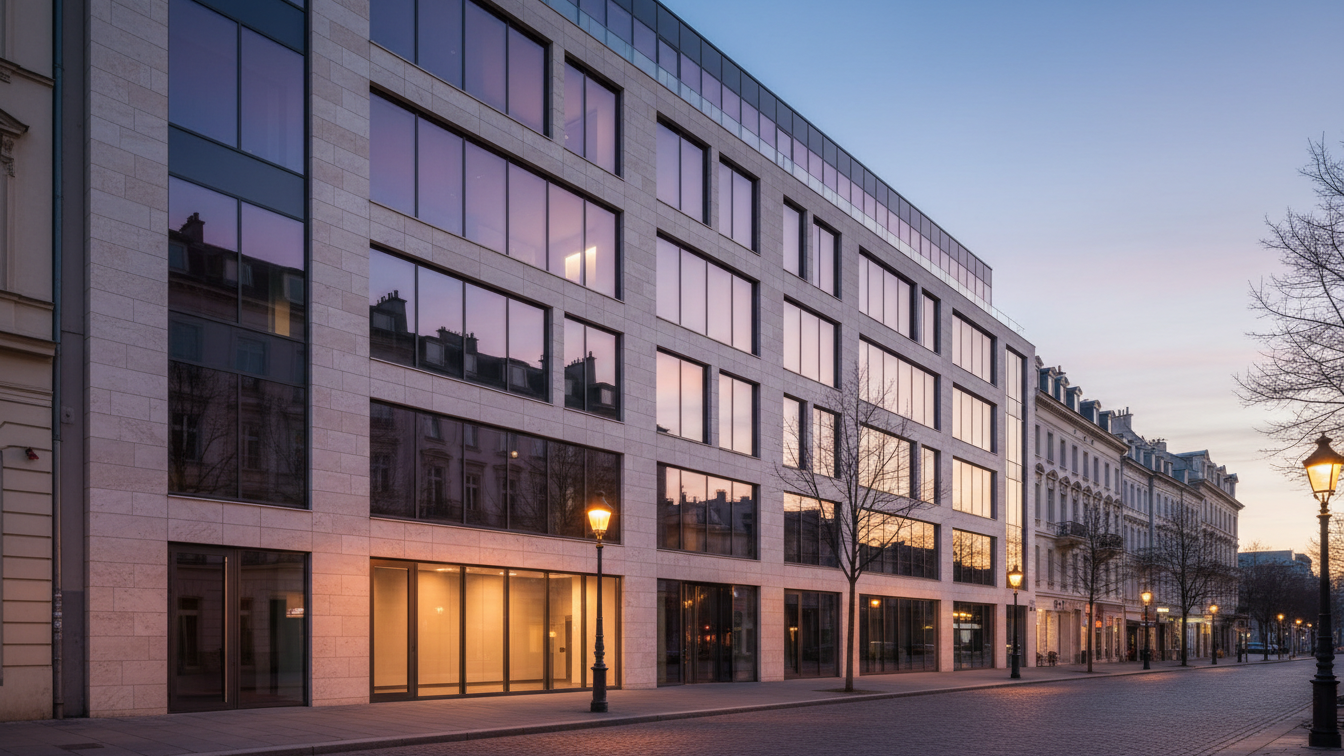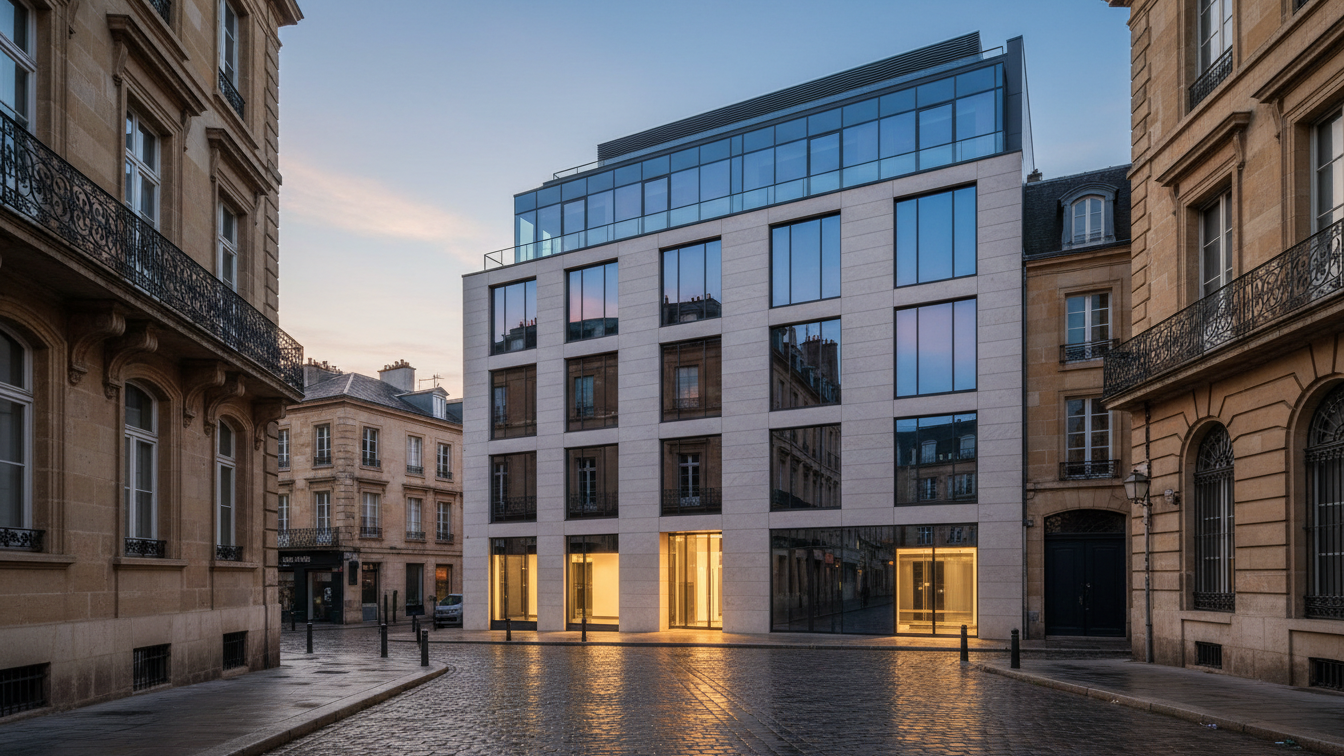
John Catsimatidis's Red Apple Group has filed plans with New York's Department of Buildings for a 99-unit residential building at 253 West 24th Street. The property is located in Manhattan's sought-after Chelsea neighbourhood and directly adjoins another of the company's development sites at 280 Eighth Avenue.
Catsimatidis acquired the 59,250-square-foot existing building in 2024 for 22.5 million dollars. According to the filings now submitted, a 15-storey residential building is to be developed on the site. Of the 99 planned residential units, 17 are designated as affordable housing. Chris Fogarty from the practice Fogarty Finger is registered as the architect of record for the scheme.
Amenities and architectural layout
The planning documents specify that there will be between five and seven flats per floor from the first to the 15th storey. It remains open whether the scheme will be structurally or operationally combined with the neighbouring development at 280 Eighth Avenue, which was previously reported to comprise 13 storeys and 104 rental units.
For future residents, the design includes various communal spaces and amenities intended to complement urban living:
- —A landscaped roof terrace and a lounge area for residents
- —Dedicated co-working spaces and conference facilities
- —A separate children's playroom and a fitness studio
- —Secure bicycle storage spaces in the basement
Strategic unit cap and the 485-x tax programme
The decision to cap the scheme at exactly 99 apartments follows a pattern currently observed among many property developers in New York City. The controversial 485-x tax incentive programme imposes strict construction cost and wage requirements for site labour once a project reaches 100 units. Projects with up to 99 residential units can claim the tax benefits without being subject to these mandates.
Data from the Real Estate Board of New York (REBNY) highlights this trend: between July 2024 and September 2026, 172 building filings for developments with precisely 99 residential units were registered across the city. Of these, 49 were filings under the 485-x process with the housing authority HPD, and 123 were new building applications with the Department of Buildings. In view of this trend, Basha Gerhards, Executive Vice President of Public Policy at REBNY, cautioned that the city requires an estimated 700,000 new homes over the coming decade. As a result, policy frameworks must once again incentivise larger schemes more effectively, rather than encouraging developments to be artificially scaled down.