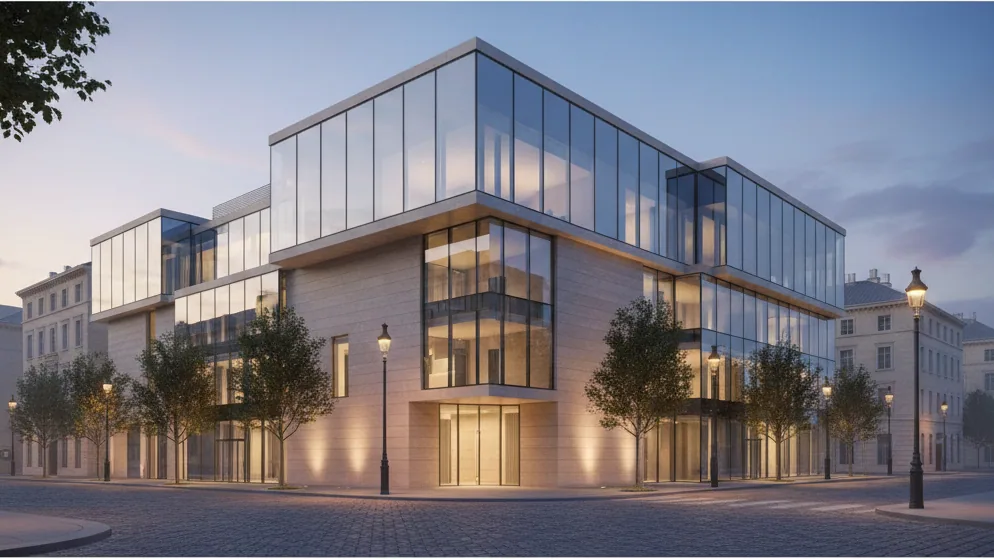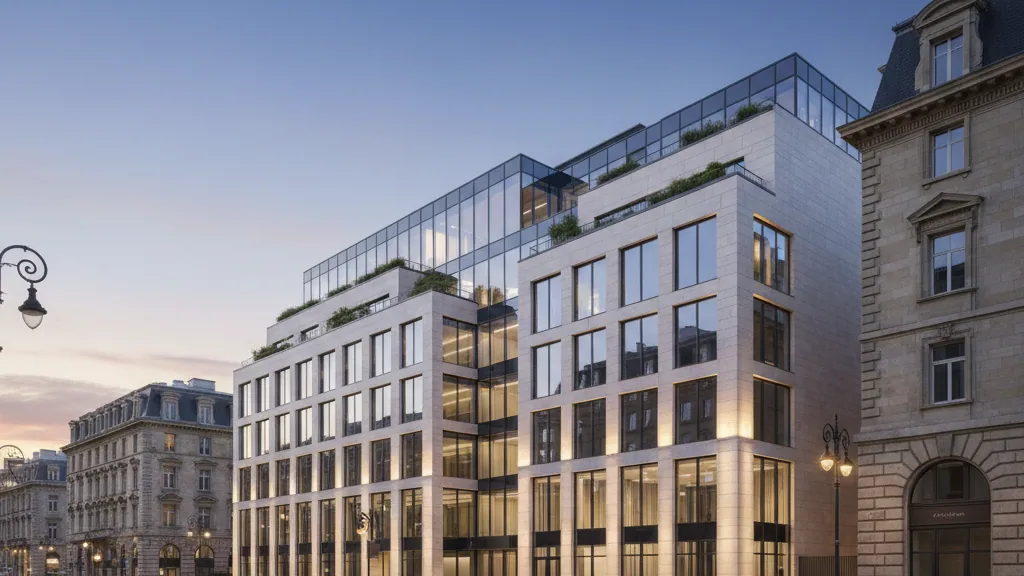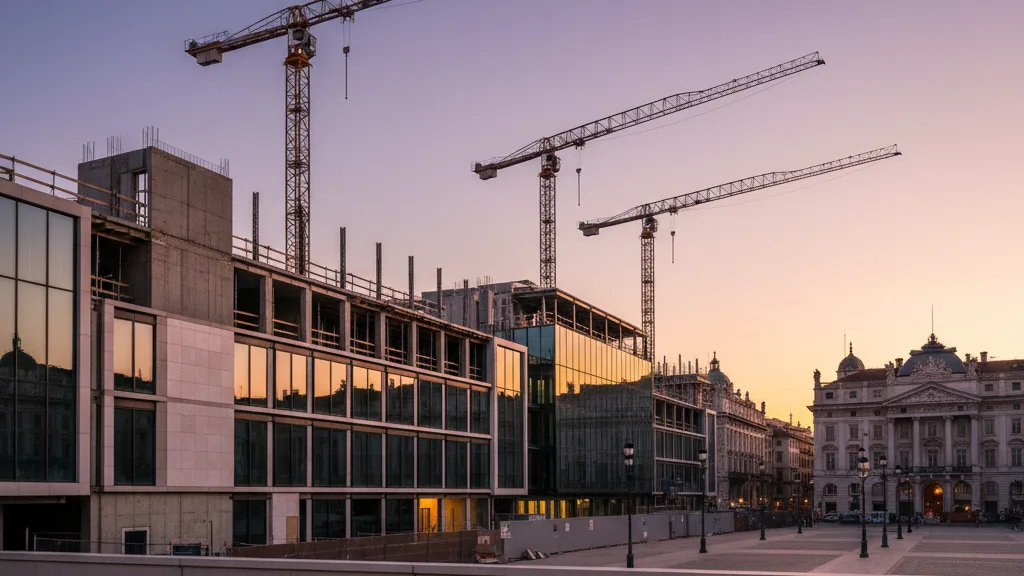
The Related Urban Development Group announced on Thursday that it has secured 129 million US dollars in financing for Gallery Lummus Parc. This project comprises 257 residential units and is conveniently located in Downtown Miami. Greystone Real Estate Capital is providing 80 million US dollars as a construction loan. Additionally, a permanent mortgage loan of 60 million US dollars has been identified as a tax-exempt bond through Freddie Mac.
Further financing sources include 27.1 million US dollars from the Low-Income Housing Tax Credit programme. A State Apartment Incentive Loan of 12.75 million US dollars comes from the Florida Housing Finance Corporation. Miami-Dade County is contributing 5 million US dollars from a Documentary Surtax loan, while the City of Miami is providing an American Rescue Plan Act loan of 3 million US dollars. In addition, 6.4 million US dollars from an Opportunity Zone investment by an entity affiliated with the Related Group will flow into the project. The sources for the remaining 15 million US dollars of financing were not specified in detail.
Details of the project and location
The affordable housing project is being built on a 0.7-acre site at 101 Northwest North River Drive and 395 Northwest First Street. It adjoins Lummus Park and is located two blocks from the Metrorail and Metromover stations of Government Centre. Plans foresee a 27-storey residential building and a five-storey garage. Construction is scheduled to begin this month, with completion expected in two years. The high building density is permissible because the site is located in the Rapid Transit Zone of Miami-Dade County.
More than 80 per cent of the flats in Gallery Lummus Parc will have rental prices linked to household income. This includes 167 units for tenants whose income is between 20 and 80 per cent of the average area income. In addition, there are 47 units for workforce housing and 43 market-rate residential units. Alberto Milo Jr., President of Urban Related, stated that the project demonstrates what is possible when housing is combined with access to public transport, employment, and essential services.
Significance for the local community
Alberto Milo Jr. emphasised that housing for locals from various income brackets would be created on a compact, county-owned plot. The initiative thus contributes significantly to providing much-needed affordable housing in one of the most dynamic regions of the United States, with a focus on integration into the existing infrastructure and the needs of the community.