The market for flexible office space continues to see sustained growth. According to the latest Flexmark Report 2026 by Workthere, the specialist division of real estate advisory firm Savills, 76 per cent of surveyed operators plan to expand their footprint over the next twelve months. Around 200 senior executives from operating companies worldwide were surveyed for the study.
Alongside growth intentions, the global average occupancy rate rose to a peak of 85 per cent in 2026. San Francisco leads this ranking with an occupancy rate of 97 per cent, followed by Madrid at 91 per cent, as well as London and New York at 90 per cent each. In terms of desk prices in the premium segment, London ranks top globally with a monthly rent of 1,328 US dollars, ahead of New York at 1,240 US dollars and Los Angeles at 1,100 US dollars.
Rental prices by city and shifting tenant structures
In the German market, Berlin sits ahead of Munich with a monthly rent of 936 US dollars per premium desk, compared to 850 US dollars recorded in Munich. In a global comparison, Berlin ranks sixth, whilst the German capital holds third place within the European Union.
Larger companies, whose requirement profiles differ from those of smaller firms, are increasingly responsible for the high demand. Whilst 85 per cent of start-ups and small to medium-sized enterprises enquire about units with fewer than 20 desks, 48 per cent of larger companies require more than 50 desks. Among multinational corporations, 23 per cent look for space accommodating more than 200 desks. At the same time, large corporations commit to locations for longer: their average length of stay is 3.9 years, compared to 2.6 years for start-ups and smaller businesses.
For operators, this development secures long-term revenues, but it also entails longer re-letting periods for larger spaces. Seventy-four per cent of units with up to 25 desks are re-let within three months. For sizes of 26 desks or more, re-letting takes more than four months in 53 per cent of cases.
Shift in occupier requirements and future prospects
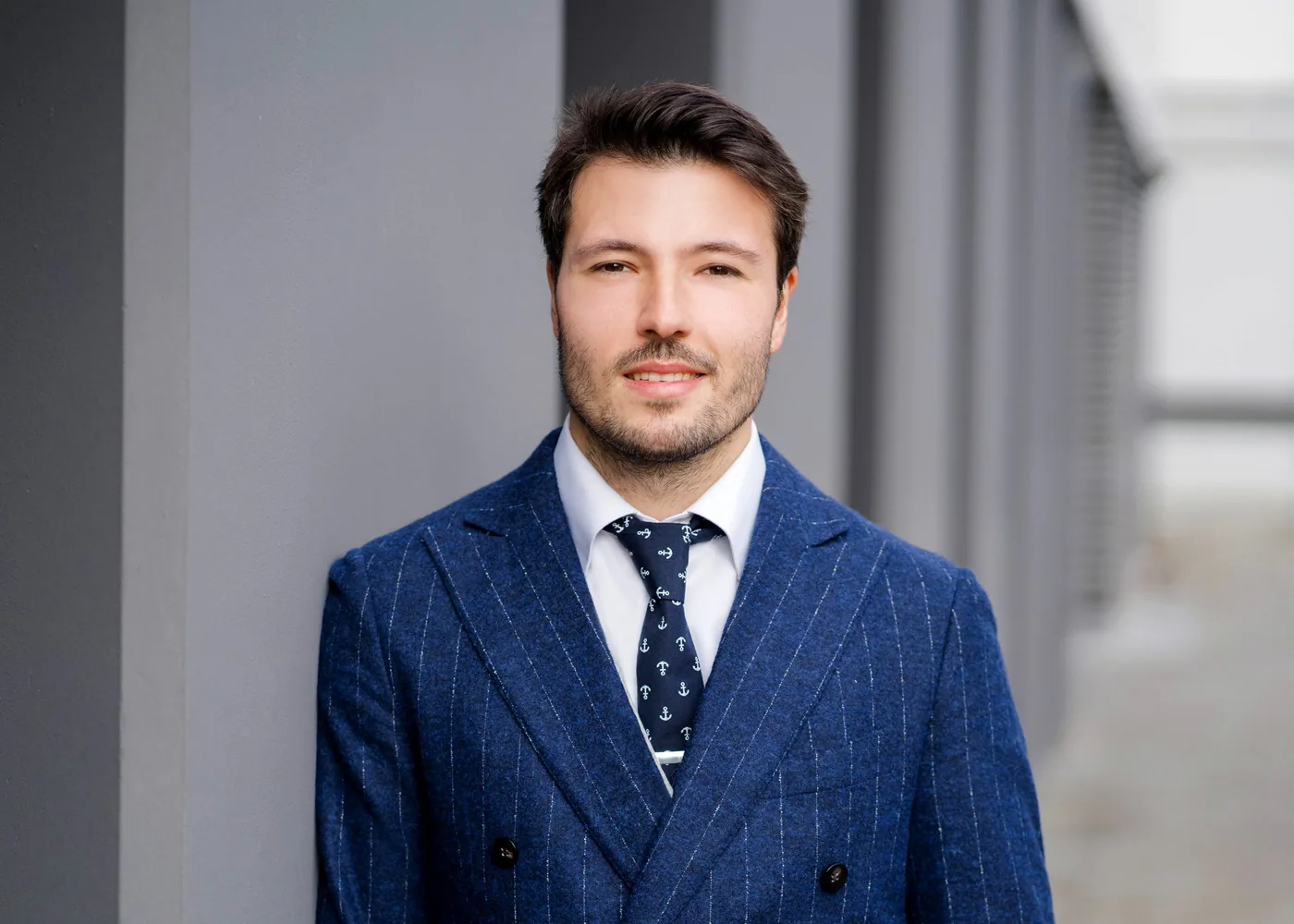
Daniel Jessop, Head of Workthere Germany at Savills, points to a clear shift in occupier criteria. Additional amenities such as gyms or roof terraces are taking a back seat to functional requirements. Priority is given to car parking availability, quiet architectural retreat areas, and immediate proximity to established pedestrian zones.
- —More than 65 per cent of operators expect demand for spaces with a focus on lifestyle and design to rise over the next five years.
- —Over 60 per cent of respondents anticipate an increased use of artificial intelligence in day-to-day space operations.
- —Around 55 per cent assume that the conversion and retrofitting of existing buildings will become increasingly relevant for further space expansion.