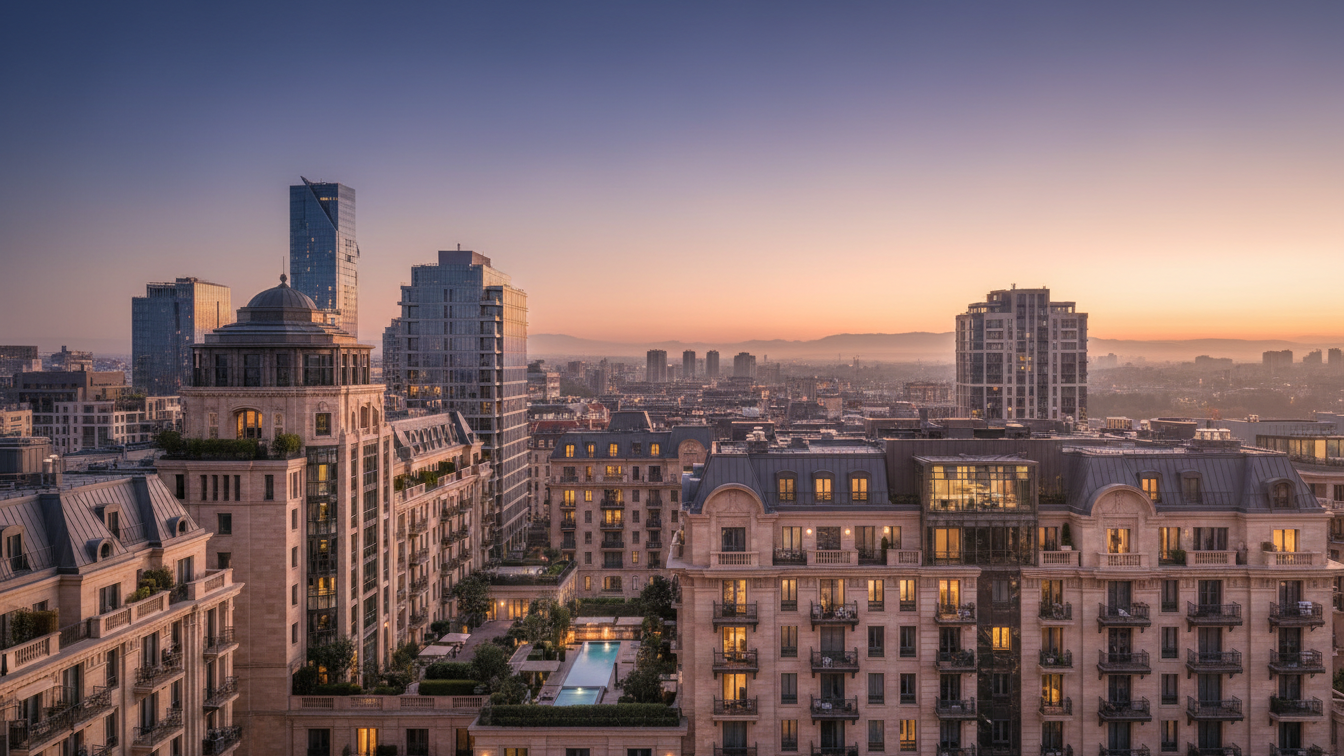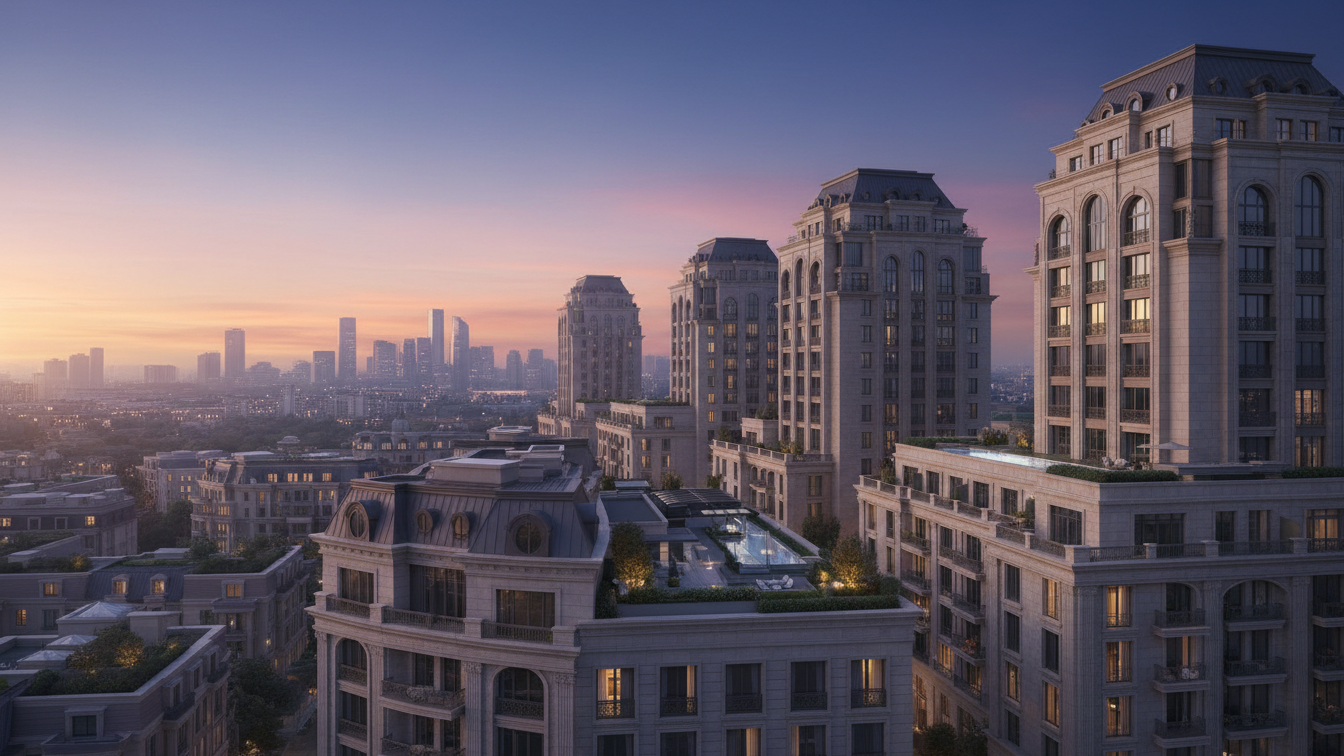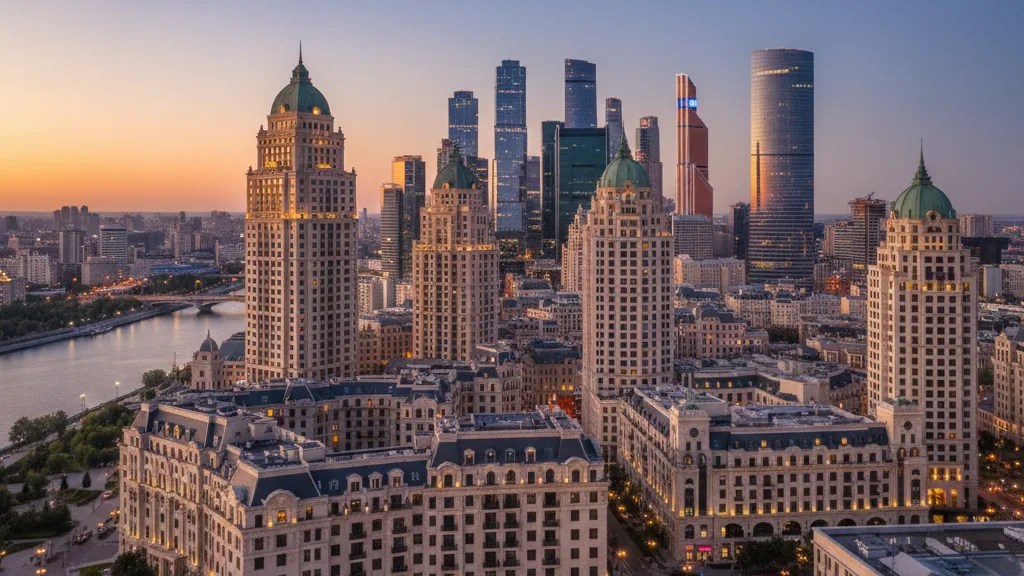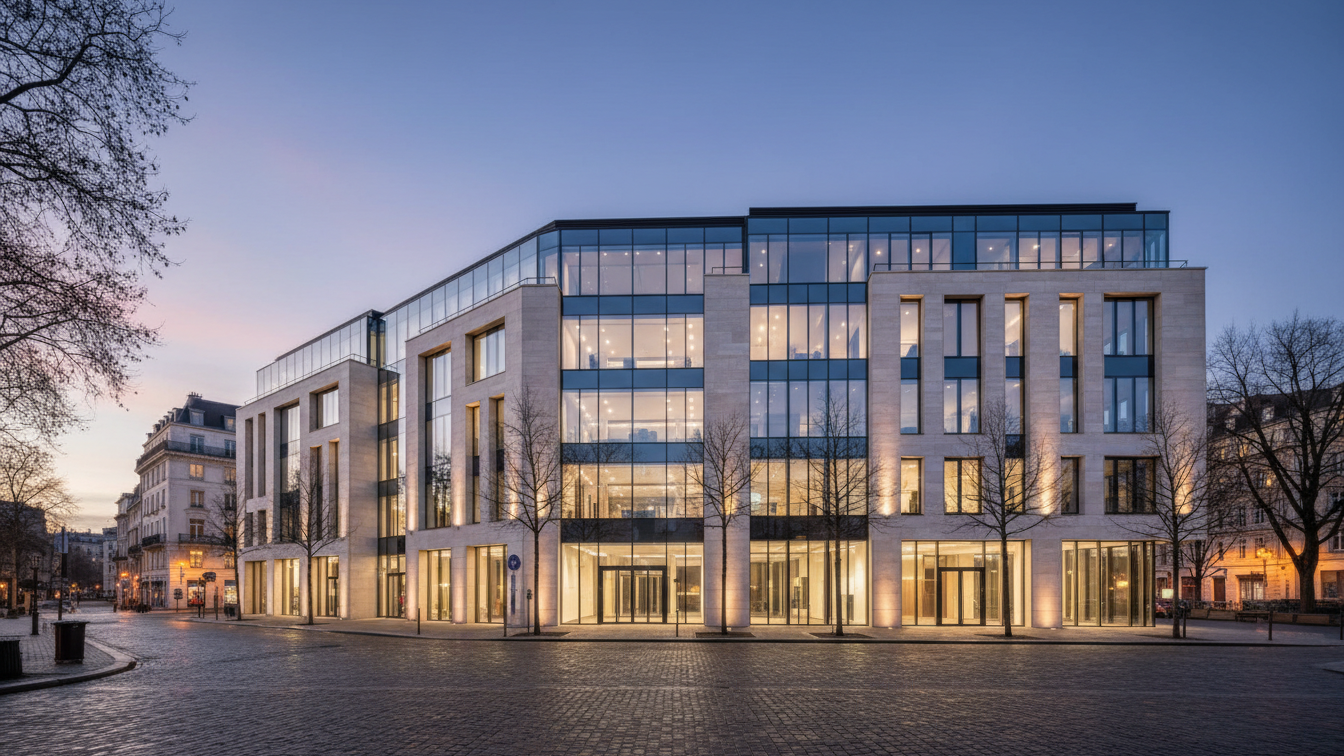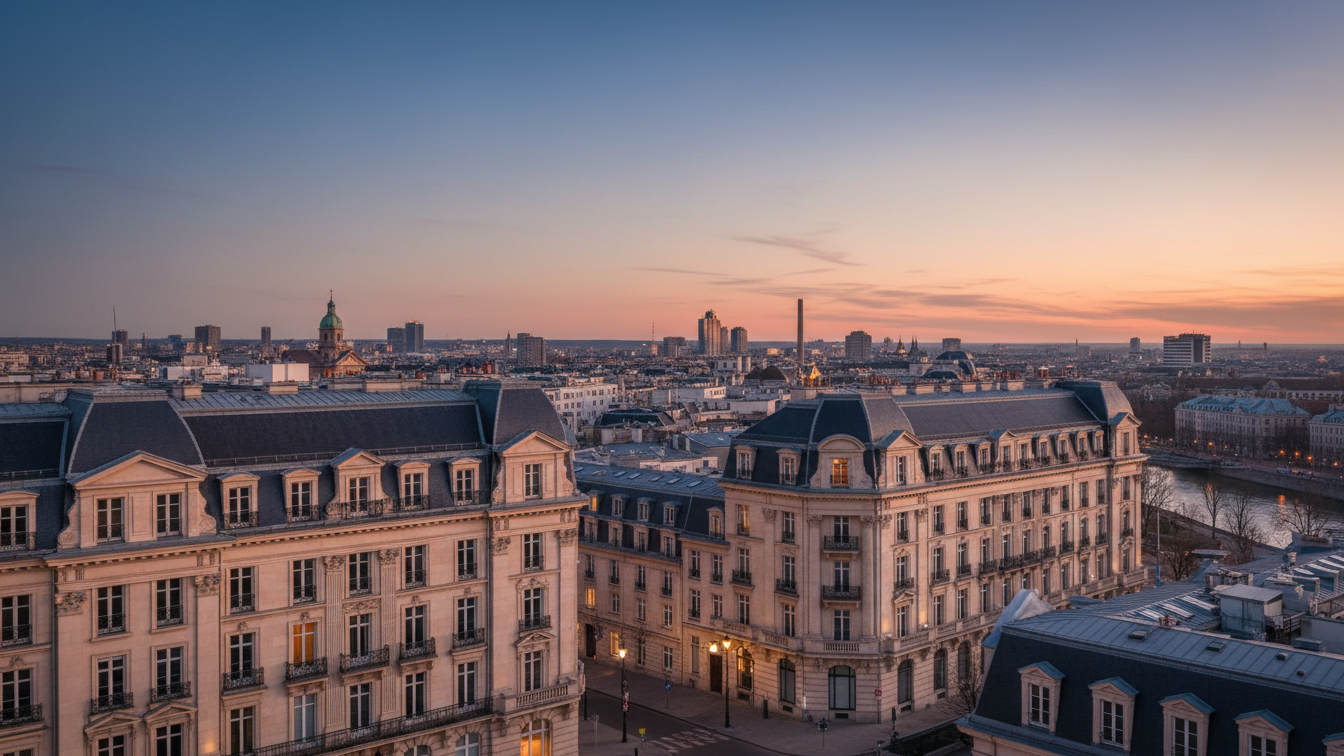
An urban development framework agreement has been signed for the transformation of the Hertzallee Nord area in Berlin, located in close proximity to Zoologischer Garten station. The agreement, concluded between Projekt Berlin Hertzallee GmbH (a company of Reiß & Co. GmbH) and the Senate Department for Urban Development, Building and Housing, lays the foundation for the further development of the area. This followed a letter of intent signed with BVG in July 2021.
An urban campus is planned to be created on a gross floor area of approximately 150,000 m². This is designed to integrate university uses, offices and various forms of housing. The urban design for the excellently connected location envisages the construction of four high-rise buildings with heights between 75 and 110 metres. The Berlin Senate had already approved the associated framework plan in 2022.
Comprehensive Usage Structures and Urban Integration
The project includes the construction of several new buildings for Technische Universität Berlin (TU Berlin). The development of office and residential space is conditional on the existing BVG bus terminus within the planning area being relocated and enclosed. Subsequently, two high-rise buildings with modern office and commercial space can be realised on the Projekt Berlin Hertzallee GmbH sites, covering approximately 54,500 m² gross floor area. Additionally, 500 student apartments and 210 flats are planned on state-owned land.
The design of the district places emphasis on the quality of open spaces and thoroughfares. Small shops, cafes and public uses on the ground floors, particularly at the newly emerging city square on Hertzallee, are intended to contribute to its attractiveness. Measures in the open spaces and on the buildings are geared towards promoting a healthy urban climate. The development is taking place in close cooperation between the Senate Department for Urban Development, Building and Housing and the districts of Charlottenburg-Wilmersdorf and Mitte. One objective of the land reorganisation is to provide a modern, electrified bus terminus for the BVG on a site owned by Projekt Berlin Hertzallee GmbH. Following the conclusion of the urban development agreements, the development plan procedure should promptly lead to the creation of building rights.
The area surrounding Zoologischer Garten station forms a central part of City West and is of significant urban policy importance for Berlin. The previously inadequately utilised areas between Hardenbergstraße, Fasanenstraße, Müller-Breslau-Straße and the railway viaduct perform a crucial connecting function as a spatial hinge between Campus Charlottenburg and City West. This offers substantial potential for the urban development and networking of these areas.
The urban development framework agreement is based on an adapted variant of the design by Yellow Z Urban Architecture & bgmr Landschaftsarchitekten. Professor Petra Kahlfeldt, Senate Building Director, emphasised that the previously underdeveloped area is to be transformed into a new urban district and expressed gratitude for the joint development with Reiß & Co. Mr Oliver Reiß, Managing Director of Projekt Berlin Hertzallee GmbH, welcomed the Senate's initiative to develop an urban and future-oriented campus. He noted that Yellow Z's design is based on a contemporary understanding of university locations, which are no longer seen as isolated places of science, but as integral components of urban life. In partnership with TU Berlin, realisation competitions for new faculty buildings will be conducted to implement this open campus concept.