Kobi Karp, founder of Kobi Karp Architecture and Interior Design, has shaped South Florida's building architecture for over three decades. His portfolio includes notable projects such as the Four Seasons at the Surf Club in Surfside, the 1 Hotel South Beach, the Four Seasons Fort Lauderdale, Wynwood 25, and Moxy Wynwood. Throughout his career, he has collaborated with many of the region's most prominent developers.
A representative from Commercial Observer recently spoke with the star architect about his next major projects, the Live Local Act, and the changes in South Florida development over the decades. The following summary is based on this conversation.
Current Projects and the Housing Market
Karp reports that the current focus is primarily on multi-family dwellings with secured financing, which are being pushed forward. He cited a recently completed project on the Miami River with 635 units, 80 percent of which were leased within approximately 80 days. Rents there range between $5 and $6 per square foot, which is considered remarkable given the high demand and the amenities offered, which enable a comprehensive lifestyle. Residents are mostly between their early 20s and late 30s, many of whom work in Downtown Miami and plan an extended stay.
Further projects are located in the Omni District and Edgewater, Miami, as well as in Broward County and West Palm Beach. These developments are designed to offer residents an integrated living environment that goes beyond mere housing – with lounges, libraries, and social areas that also welcome friends.
Live Local Act and Design Evolution
The Live Local Act, a Florida law, has sparked lively debate, according to Karp, but has also produced concrete results. Several projects have already been funded and are under construction. In Wynwood, two projects were approved where the community welcomed the development, as 40 percent of the units are offered as affordable housing and the remaining 60 percent at market rates. Karp believes that the Live Local Act is proving to be a financially viable and plausible direction for developers and projects, even in Miami Beach, where some projects have already been approved. The homes created by the Act allow people who would otherwise have to live further afield to remain in their community.
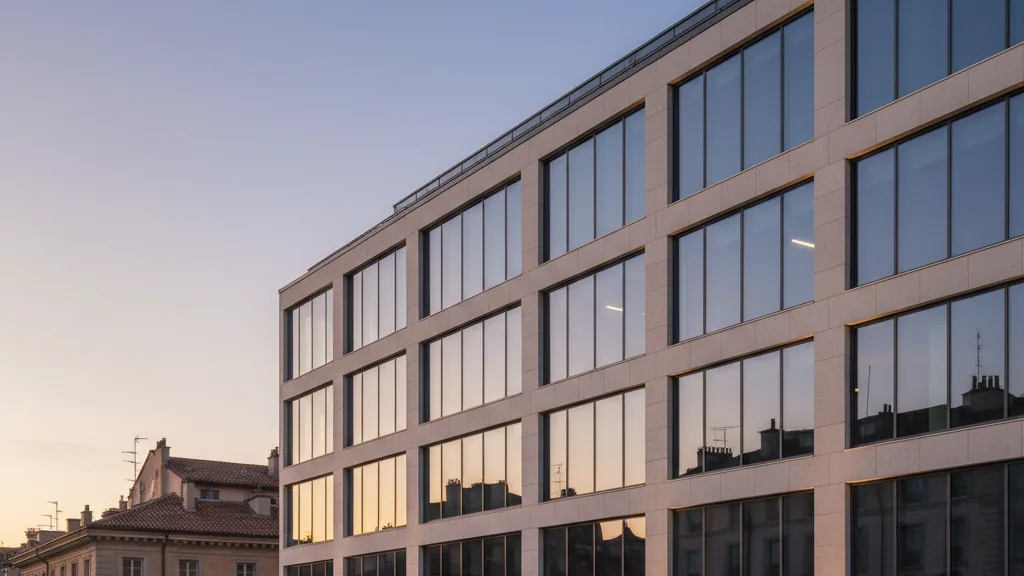
Regarding design development, Karp notes that the quality of interior and exterior materials has significantly improved over the past 10 to 20 years. Modern buildings now use stone, metal, and bronze for exterior cladding, largely replacing the previously common stucco that was merely painted. This more careful selection of materials and attention to detail creates higher value and a better feel for passers-by and residents alike. The end result is a higher quality product that meets people's expectations and desires, whether in condominiums or rental projects.
Karp's biggest challenge currently is delivering the required number of units in Florida, be it in West Palm Beach, Miami Beach, Sarasota, or Satellite Beach. Demand significantly outstrips supply, as many newcomers have to resort to older properties and desire newer, fresher options.
Regarding the collapse of the Champlain Towers in Surfside, Karp remarked that this event was a 'game-changer'. It raised awareness that buildings, like living organisms, require constant care. A lack of maintenance, such as rust formation or component failure, takes its toll over years and decades. The tragedy reminded people that all buildings must be maintained and cared for, especially older structures that require close scrutiny.