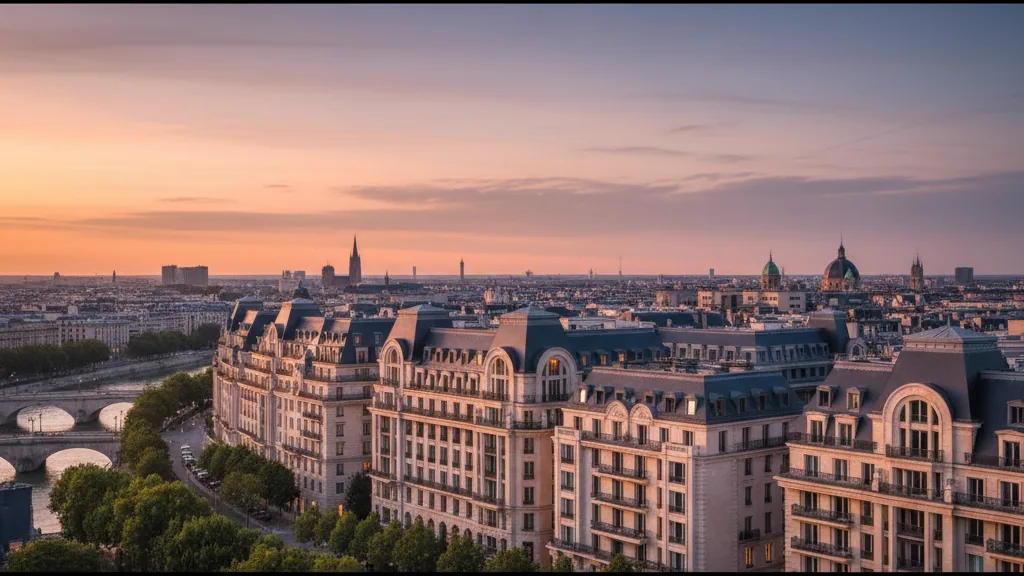
The “Deutschlandstudie Innenstadt 2026/27” (Germany City Centre Study 2026/27) by CIMA Beratung + Management GmbH highlights the significant role of gastronomy and cafés as crucial footfall drivers in urban centres. These findings, published in the current survey, confirm the assessment of the Denkfabrik Zukunft der Gastwelt (DZG - Think Tank for the Future of the Hospitality Sector) regarding the relevance of the sector, which encompasses tourism, hospitality, foodservice, and the leisure industry, for the attractiveness and vibrancy of city centres.
The study reveals a positive trend in visitor intentions: 83.3 per cent of respondents plan to visit their city centre at least as often in the future as they do currently. This figure marks the best result in the past six years. Among the assessed city centre offerings, gastronomy and cafés achieved the highest approval rating with a grade of 2.51, ahead of services (2.56) and retail (2.59). For 45 per cent of respondents, gastronomy represents the primary reason for a visit, positioned after shopping (65.6 per cent) and strolling (46.2 per cent).
Dr. Marcel Klinge, Spokesperson for the Board of DZG, notes a substantial functional change in city centres. He explains that while shopping continues to serve an important function, the demand for culinary offerings, social meeting points, and experiences is increasingly gaining importance. Klinge emphasises the growing significance of physical meeting places in an increasingly digitised society.
Integrale Betrachtung von Angebot und öffentlichem Raum
The study clarifies that the appeal of city centres does not exclusively depend on gastronomic offerings. Aspects such as cleanliness, the availability of seating, green spaces, and general pedestrian-friendliness achieve approval rates of around 90 per cent. At the same time, 39.4 per cent of respondents identify an urgent need for action regarding public toilets. The DZG interprets these results to mean that a holistic view of economic offerings and the quality of public space is essential.
A vibrant city centre results from the synergistic interplay of retail, gastronomy, culture, leisure activities, and high-quality public space. The hospitality sector not only generates reasons for visits but also extends the length of stay and establishes city centres as central places of encounter, as the former Member of the Bundestag elaborates.
Politische Rahmenbedingungen für eine starke Gastwelt
Against the backdrop of the CIMA study, the DZG appeals to federal, state, and local governments to give greater consideration to the economic conditions for hospitality businesses when strengthening city centres. This implies ensuring reliable and flexible conditions for businesses. These include, in particular:
- —The retention of flexible employment models such as 'Minijobs'.
- —The flexibilisation of weekly working hours.
- —A significant reduction in bureaucratic hurdles.
- —The creation of reliable conditions for investments.
Klinge stresses the necessity of coherent policy: it is inconsistent to demand vibrant city centres on the one hand, but on the other hand, increasingly burden the very actors who ensure this vibrancy. Strong city centres therefore require a strong hospitality sector, which is why urban development and economic policy must be conceived as inseparable entities.