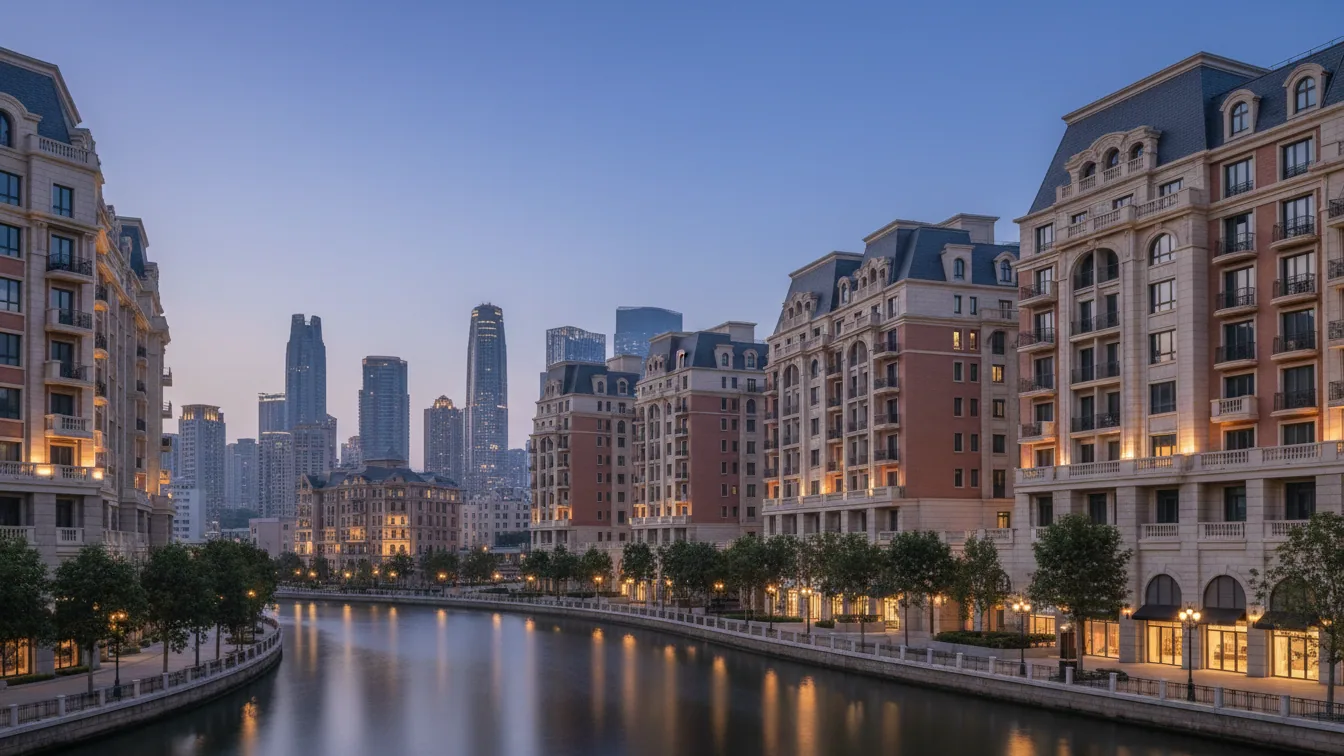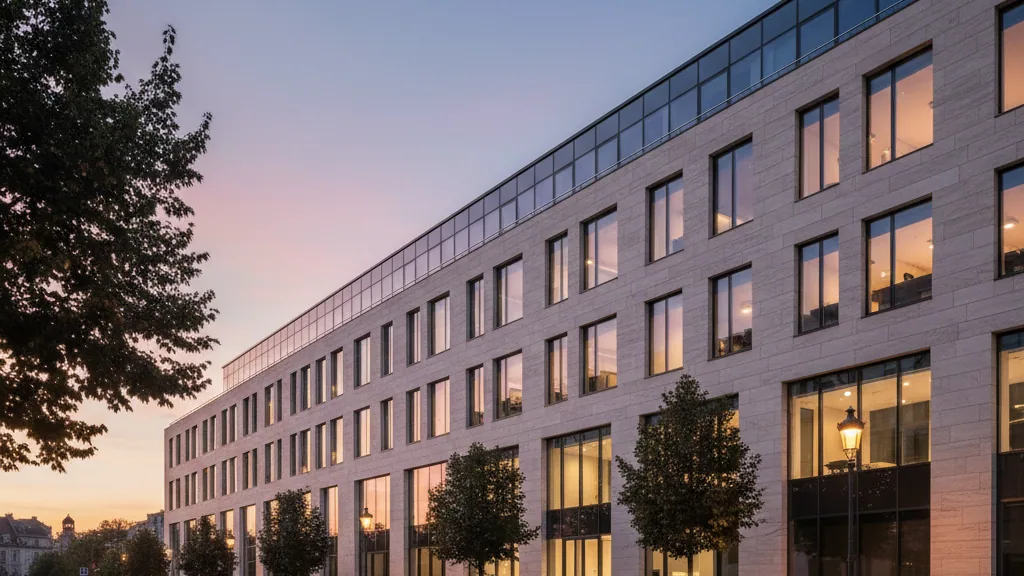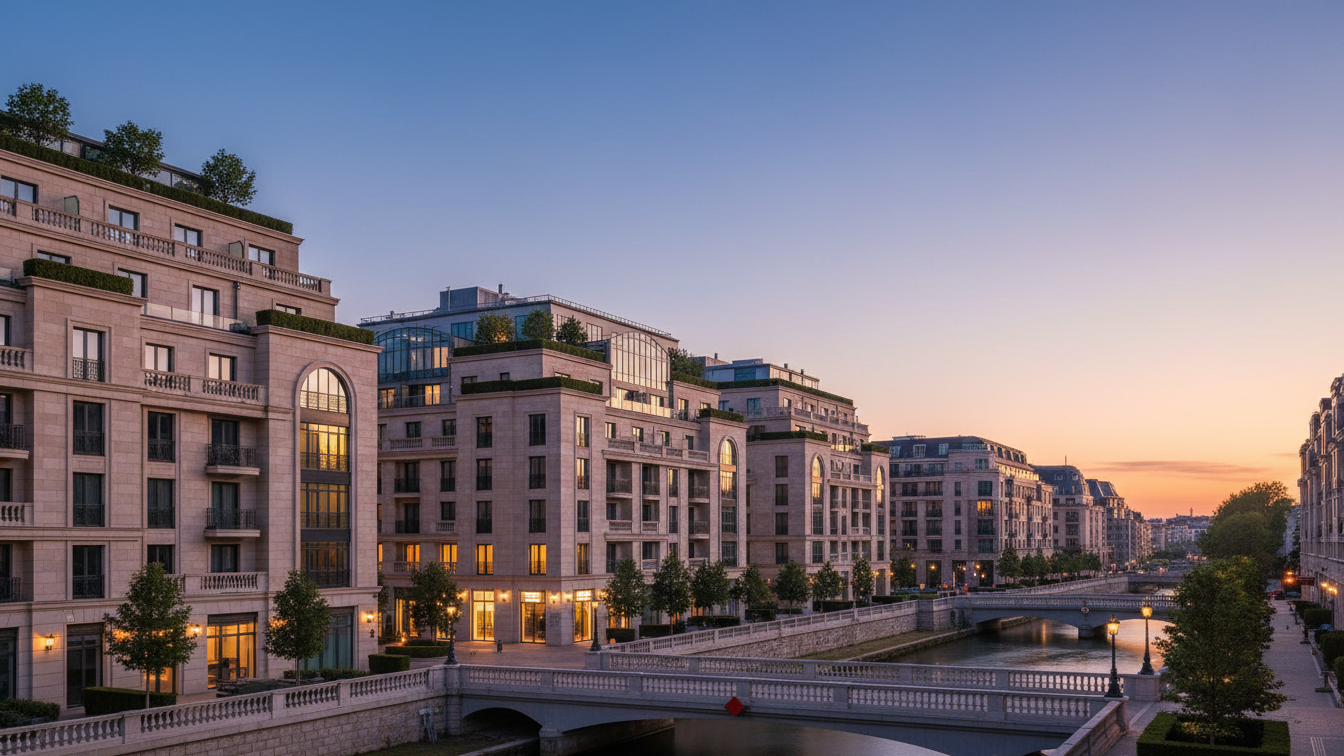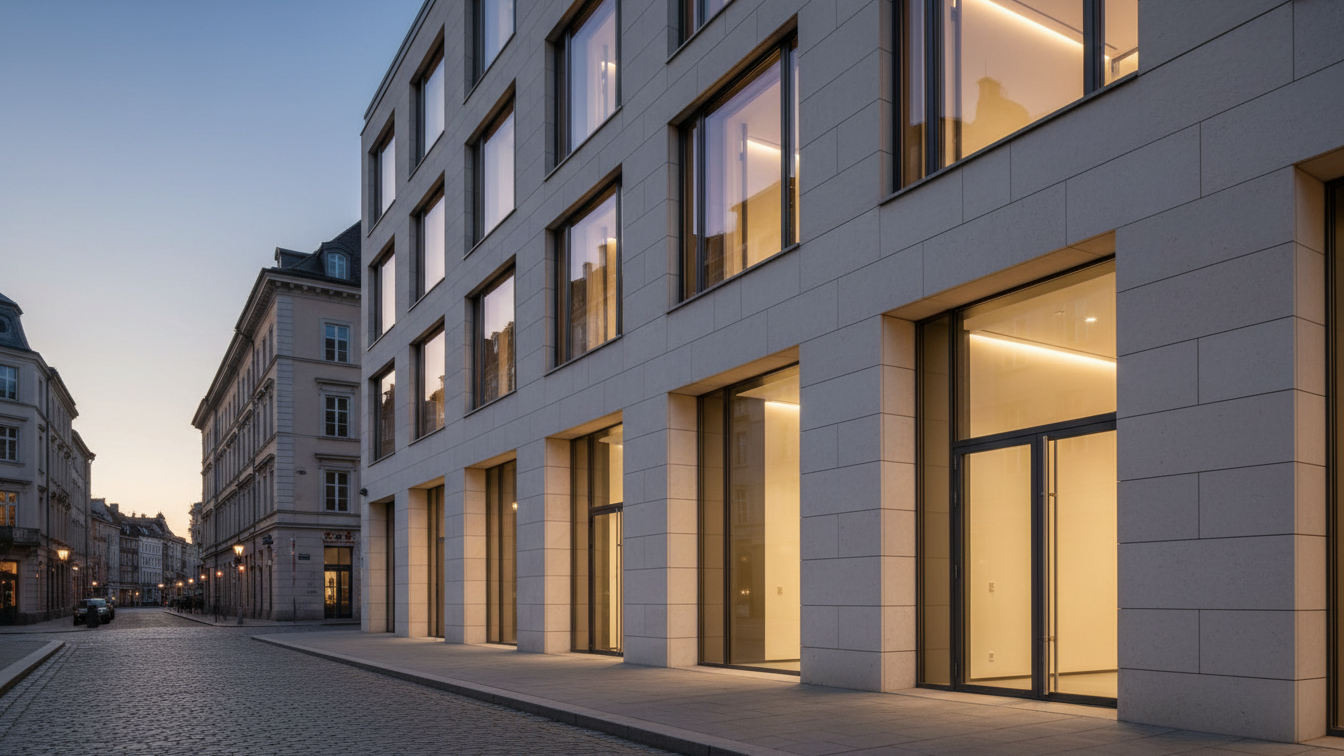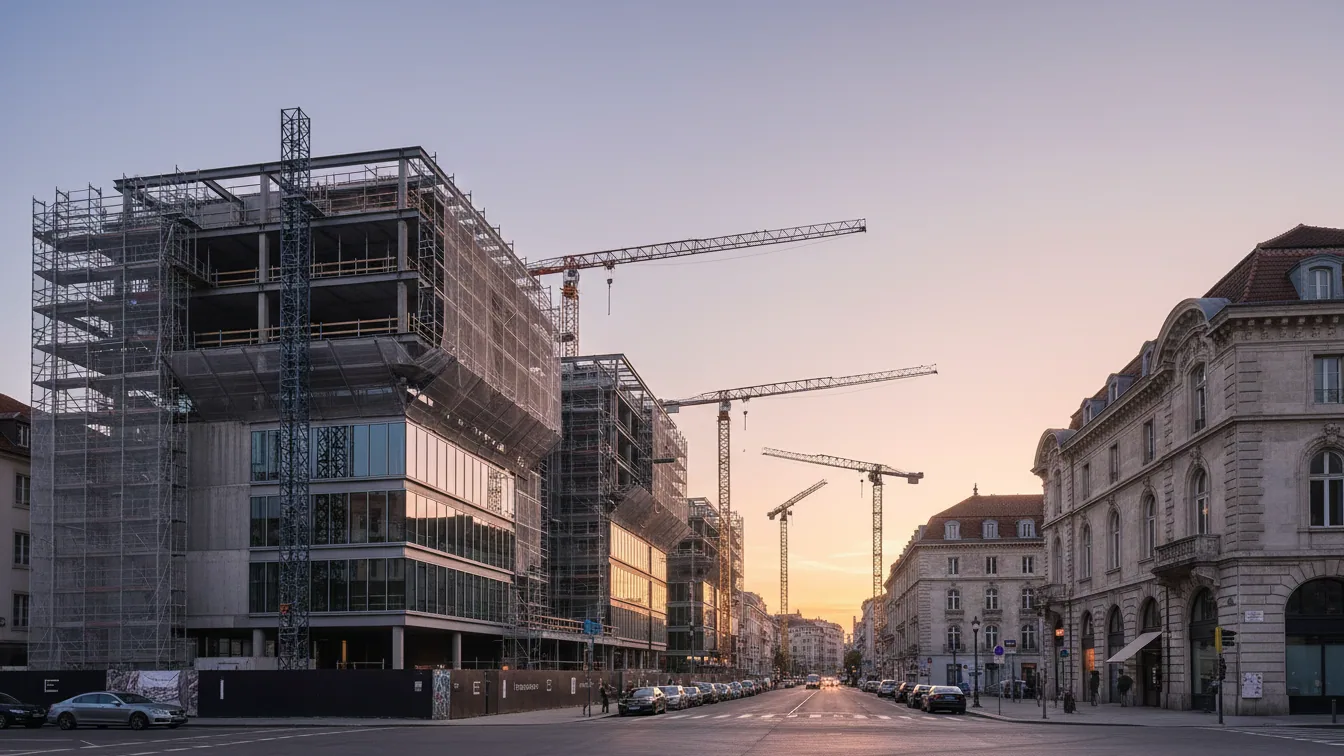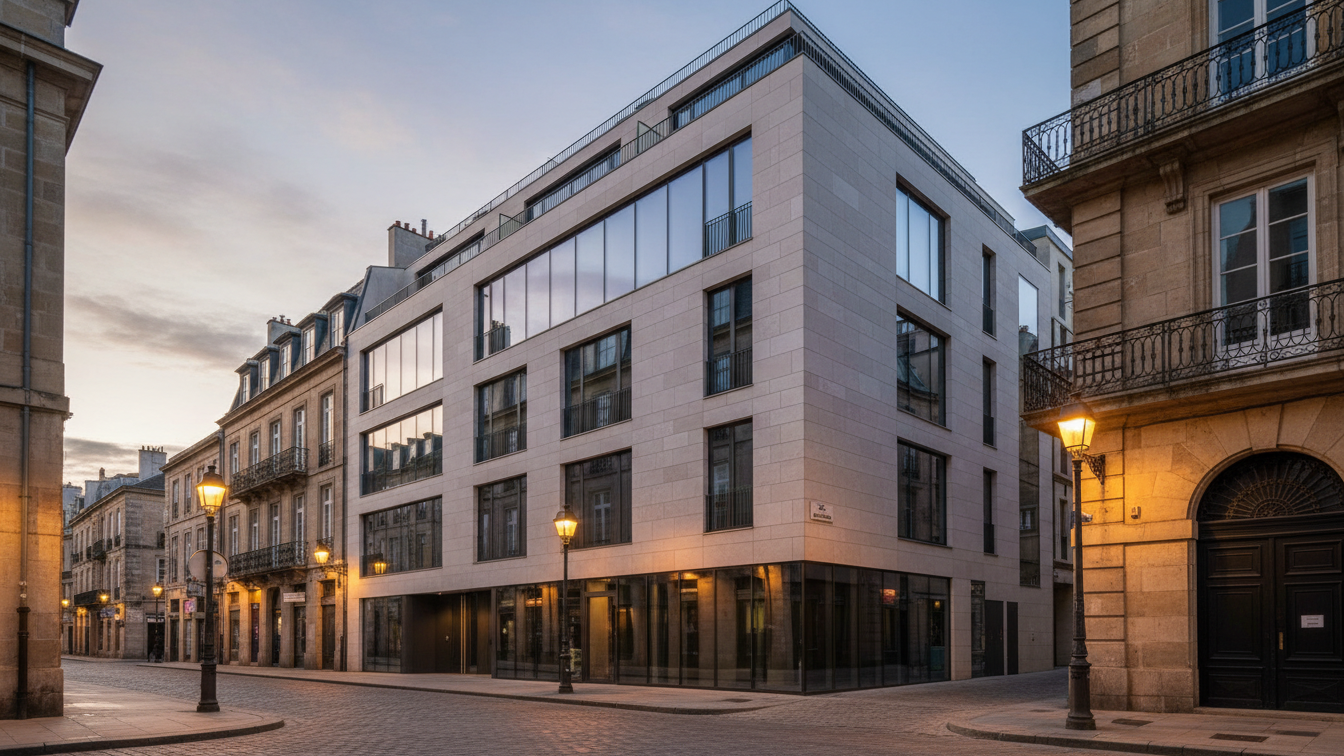
WBM Wohnungsbaugesellschaft Berlin-Mitte mbH has announced the start of construction for two new-build projects in Berlin-Mitte. At the Melchiorstraße/Engeldamm and Neue Jakobstraße sites, a total of 89 residential units will be realised using timber-hybrid construction. A substantial proportion of 45 flats will be offered under the housing subsidy programme, with entry rents in this segment starting at EUR 7 per square metre. The average flat size is approximately 60 square metres.
These construction projects represent WBM's fourth and fifth construction starts this year. They serve as pilot projects for sustainable building for the company and meet the Efficiency House 40 standard. Completion of both projects is scheduled for autumn 2028.
Details of the sites
In Neue Jakobstraße, an area previously used as a car park will be transformed to create new living space. Here, an eight-storey residential and commercial building with 35 flats, comprising a total living area of approximately 2,300 square metres, will be constructed. Additionally, around 265 square metres of commercial space are planned for the ground floor. The design concept focuses on efficient floor plans, serial bathrooms, and modular construction. Two structural escape routes also allow for the execution of a timber façade.
At the Melchiorstraße/Engeldamm site, 54 flats with a total living area of approximately 3,000 square metres will be built within an existing WBM residential ensemble. The planning placed particular emphasis on a sensitive approach to the existing fabric, especially with regard to the residential environment and the existing green and open spaces. The spaciousness of the inner courtyard and a large part of the tree population will be preserved.
Development and Context
The development of these two projects was preceded by a multi-year planning process. Since 2018, possibilities for creating additional living space have been evaluated and various options examined. Several information events for tenants took place during 2018 and 2019. WBM intends to provide transparent information on project progress and upcoming measures even during the construction phase.
Representatives of Berlin's political sphere commented on the projects. Berlin's Governing Mayor, Kai Wegner, stressed that Berlin urgently needs more affordable housing, which is why existing areas and potentials, especially where the necessary infrastructure is already in place, must be utilised. The WBM projects show how this can be implemented in practice, by creating 89 flats, 45 of which are subsidised, on already used land. This creates additional living space and strengthens the offering for people with low and middle incomes. He underlined the importance of the contribution of the state-owned housing associations to Berlin's sustainable development.
Christian Gaebler, Senator for Urban Development, Building and Housing, highlighted that WBM demonstrates the potential for intelligent further development of existing neighbourhoods. He noted that flats are being built on plots of land already belonging to WBM's portfolio, rather than claiming new areas. This is an important component in creating additional affordable housing, especially in the densely built-up city centre.
Ephraim Gothe, District Councillor for Urban Development and Facility Management, stated that, especially in a densely built-up district like Mitte, it is crucial to create new housing while also dealing responsibly with existing neighbourhoods. WBM's projects show that both are compatible by further developing already used areas and largely preserving existing green and open spaces. This enables the creation of urgently needed housing that integrates sensitively into its surroundings.
Lars Dormeyer, Managing Director of WBM, affirmed the company's growth trajectory, which is also manifesting in attractive inner-city locations in Berlin with these two projects. He explained that the start of construction aligns with the annual plan of a total of eight construction starts and is an integral part of the commitments made to the State of Berlin within the framework of Roadmap 2.0. Simultaneously, WBM is exploring new approaches for sustainable and efficient new construction, with the experience gained to be used for further projects.