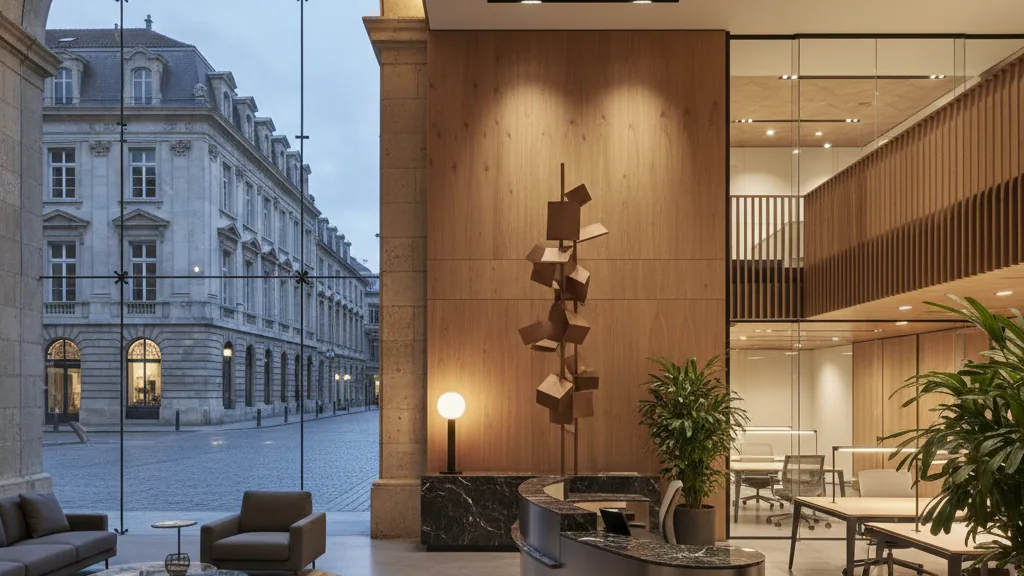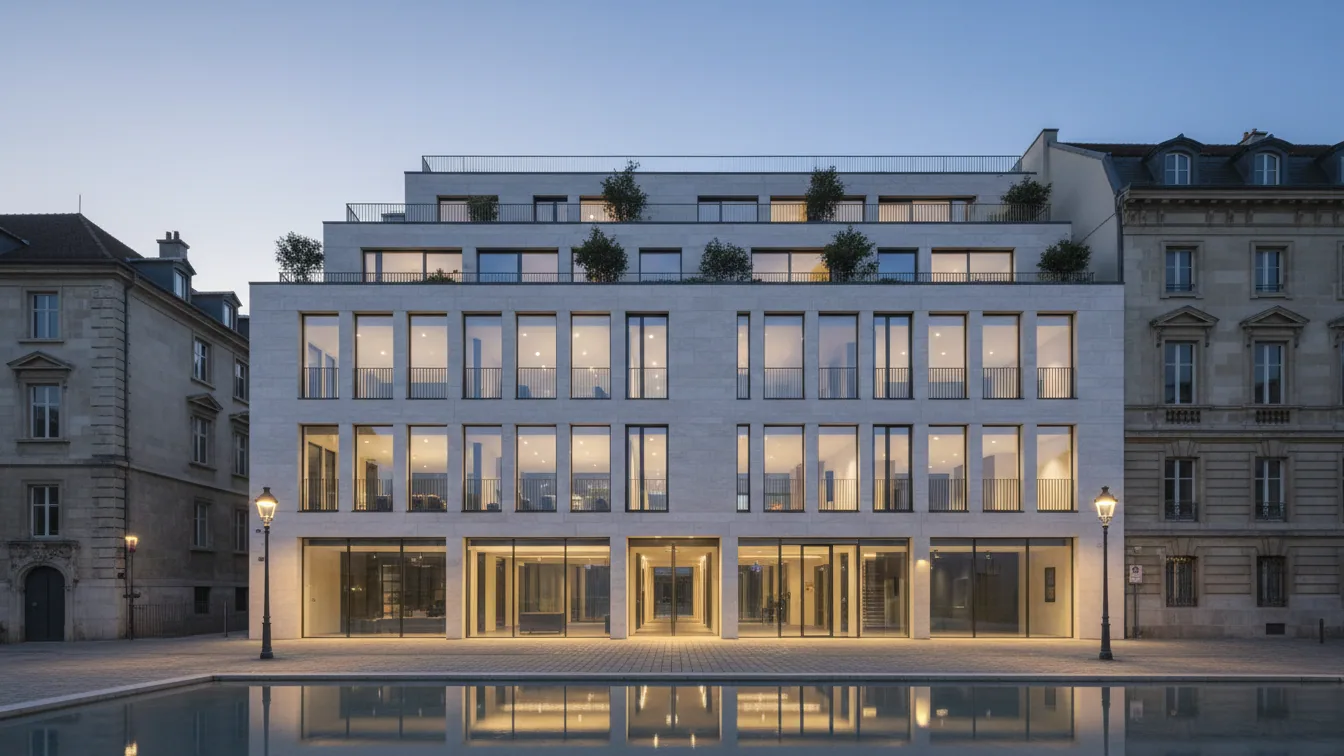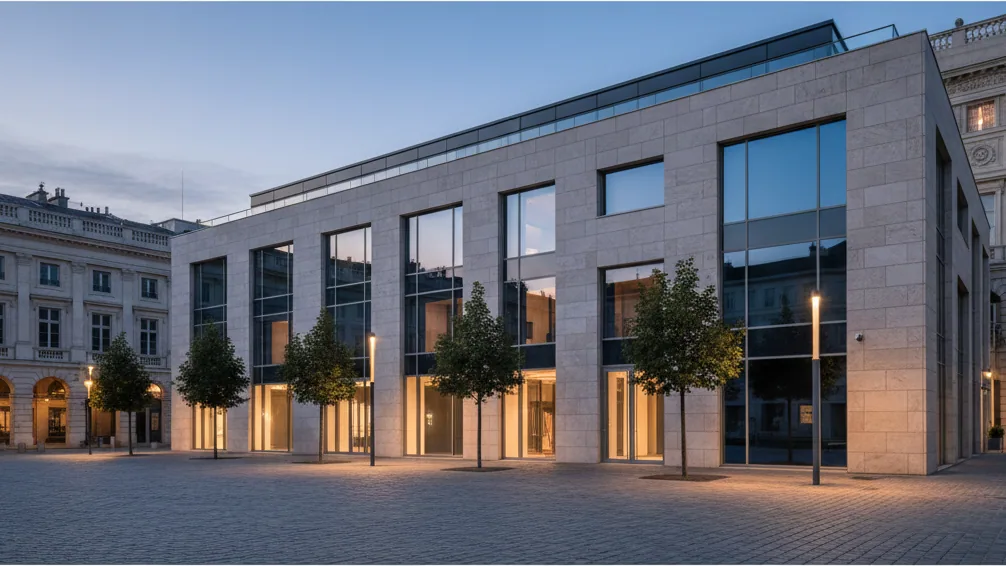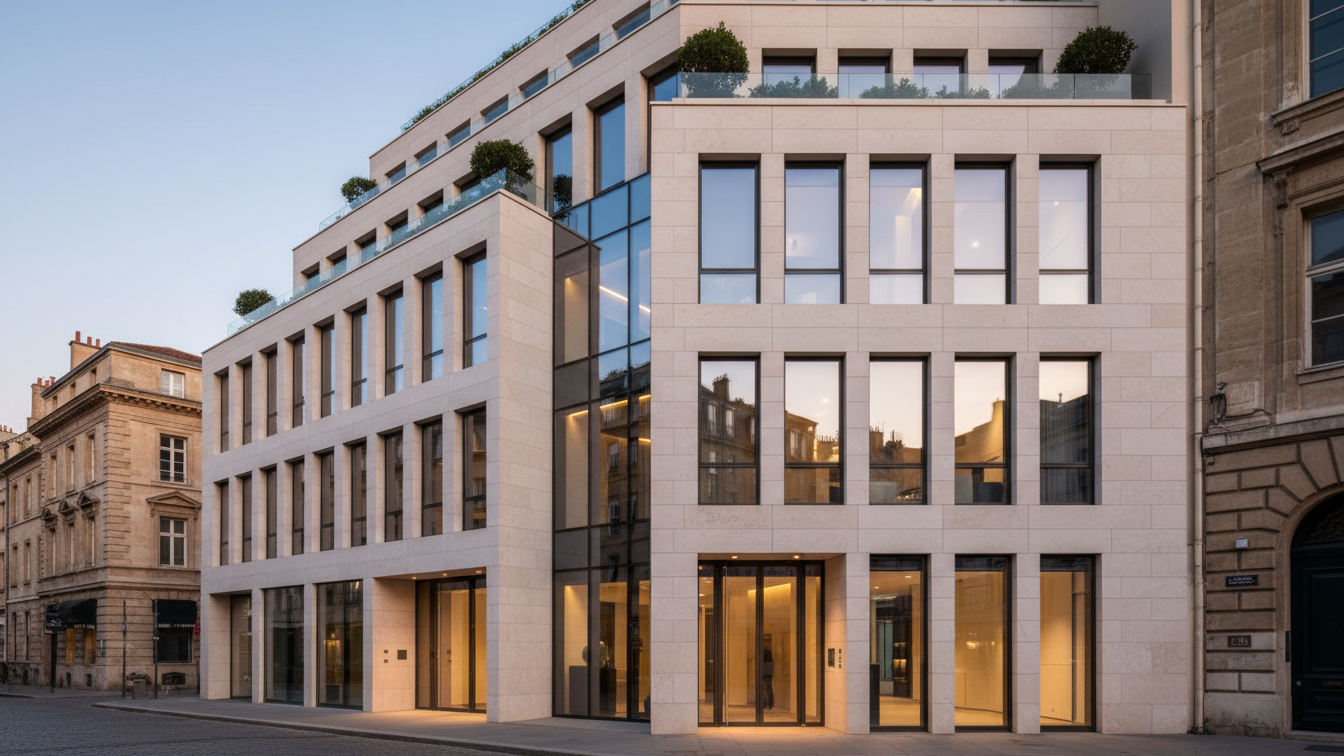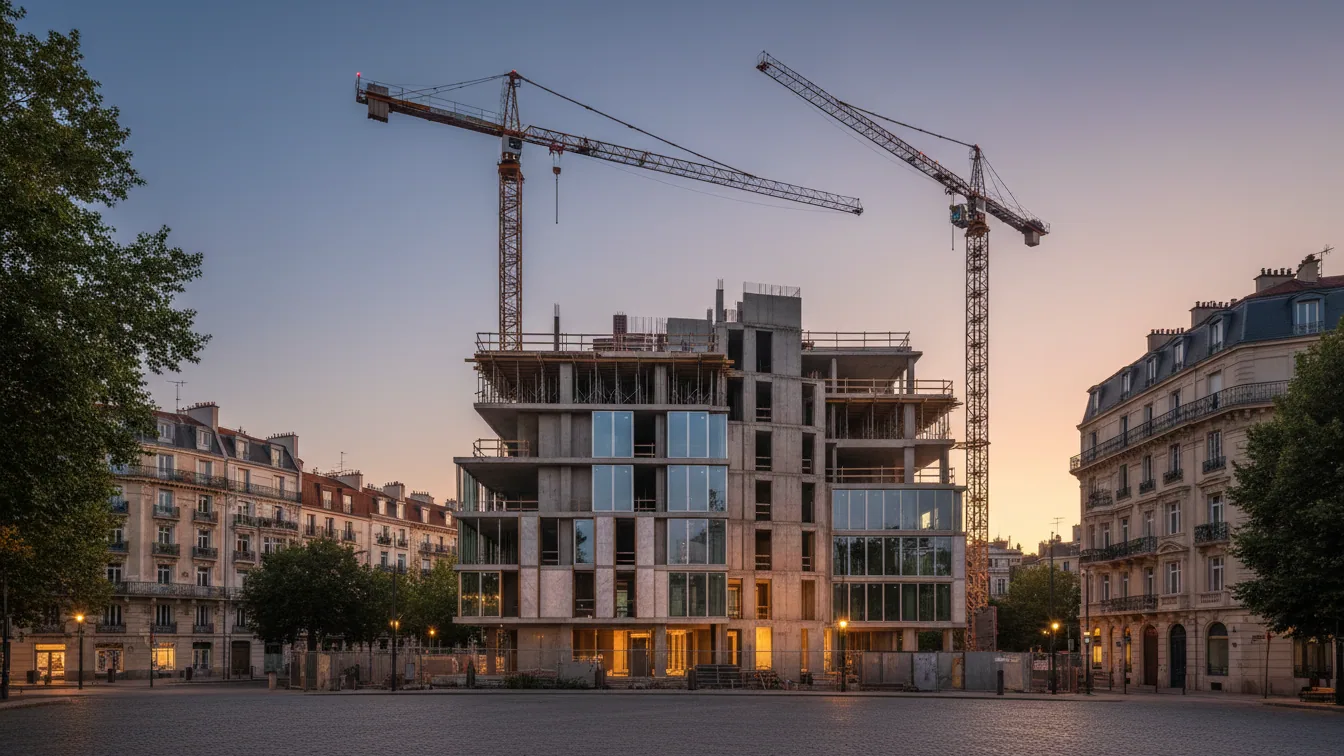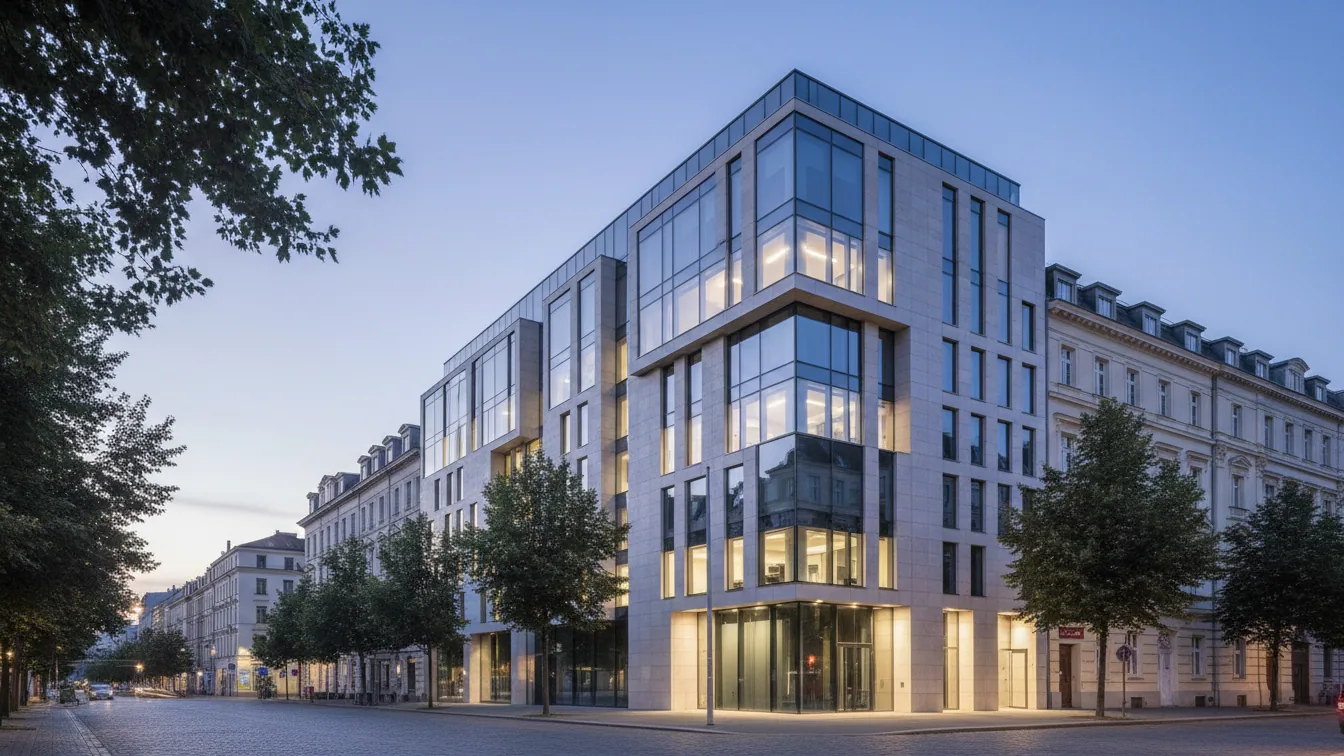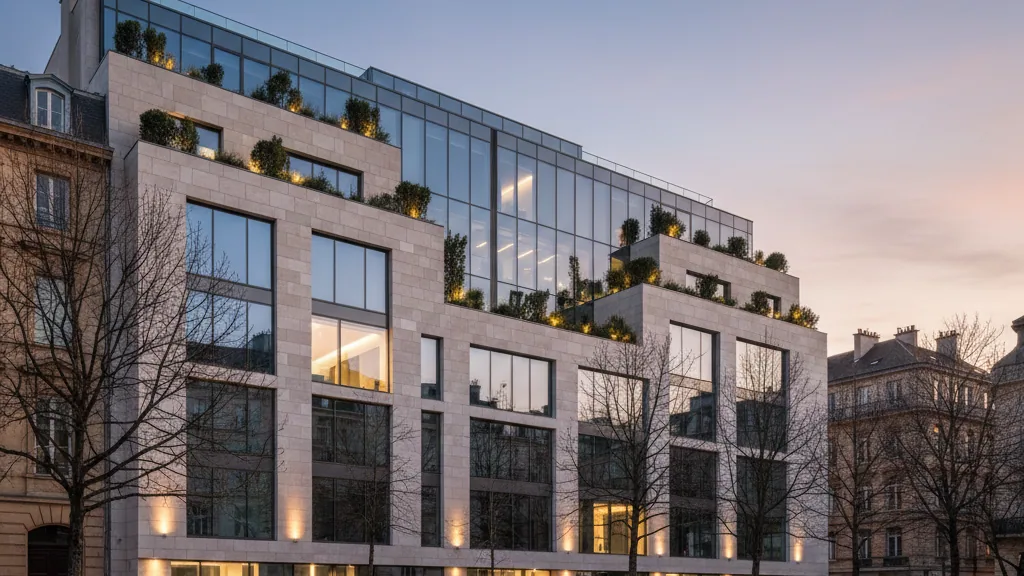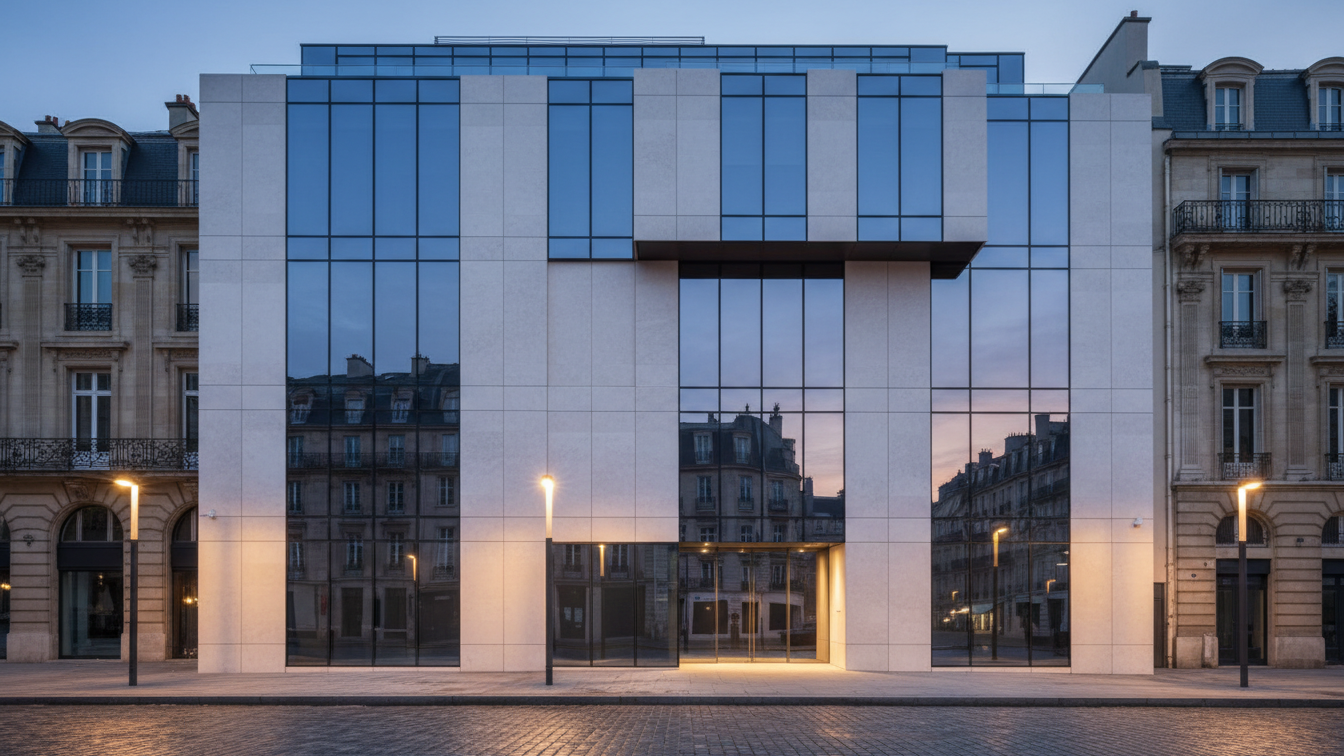
The necessity of offering compelling incentives for employees to return to the office is frequently emphasised in today's working world. The building at 360 Lexington Avenue, a boutique office building, provides precisely this. Following its acquisition by AmTrustRE in 2024 for $65.5 million, the property has been comprehensively redesigned, as reported by Jonathan Bennett, President of AmTrustRE.
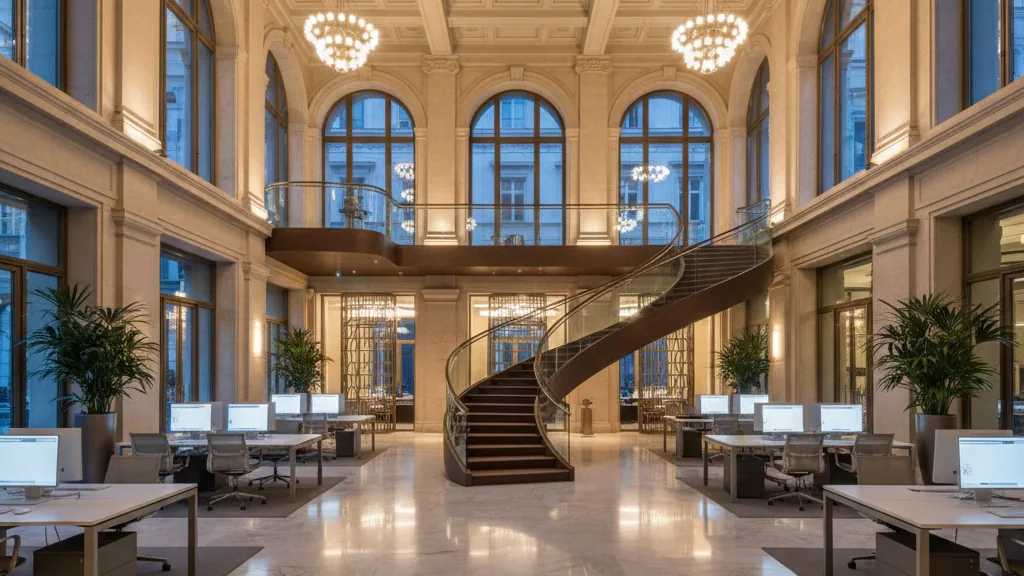
The aim of the redesign was to create a working environment that goes beyond merely providing desks. The developers focused on designing spaces that foster the productivity and well-being of users. This includes modern communal areas, flexible workspaces, and an appealing aesthetic that meets current demands for high-quality office spaces. These investments are intended to ensure that tenants find an attractive and functional environment.
Comprehensive Modernisation and New Concepts
The renovation work encompassed not only cosmetic changes but a fundamental overhaul of the infrastructure and design. Building technology was updated to optimise energy efficiency and comfort. Furthermore, new spatial concepts were implemented, tailored to the changing needs of businesses. This includes both individual offices and open collaboration areas, supporting a variety of working styles.
- —Complete redesign of the lobby and communal areas.
- —Modernisation of building technology and installation of energy-efficient systems.
- —Creation of flexible office layouts for diverse tenant requirements.
- —Integration of amenities that enhance employee well-being.
Jonathan Bennett highlights that the vision for 360 Lexington Avenue was to create a place that is not only functional but also inspiring. The repositioning of the property aims to attract companies that value a modern, prime working environment and wish to offer added value to their employees. This strategy reflects a broader trend in the real estate market, where the quality and amenities of office buildings are crucial factors for tenant retention and acquisition.
The transformation of 360 Lexington Avenue is thus an example of how owners are responding to changing expectations in the office sector. Through substantial investments and strategic repositioning, they are striving to enhance the attractiveness of their properties and position themselves in a competitive market environment. This is particularly relevant in urban centres such as New York City, where competition for high-quality office space is consistently high, and tenant demands are increasing.