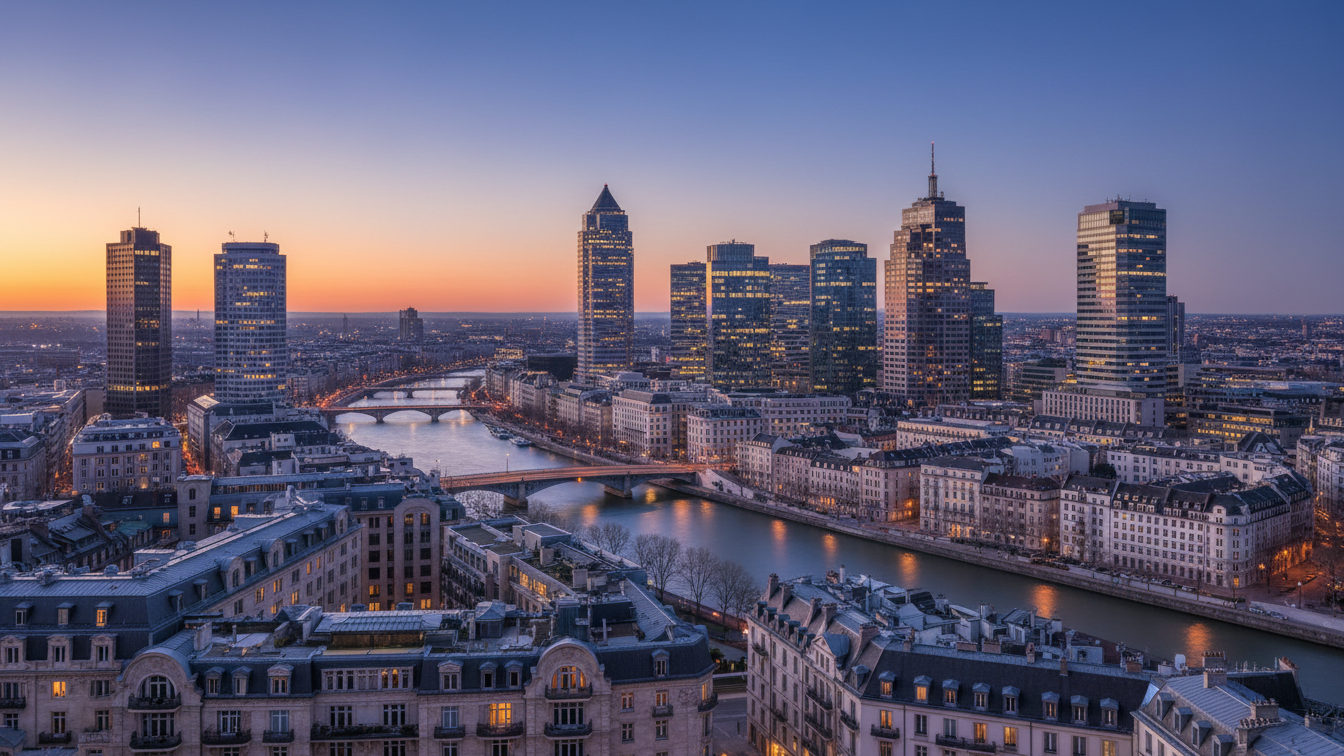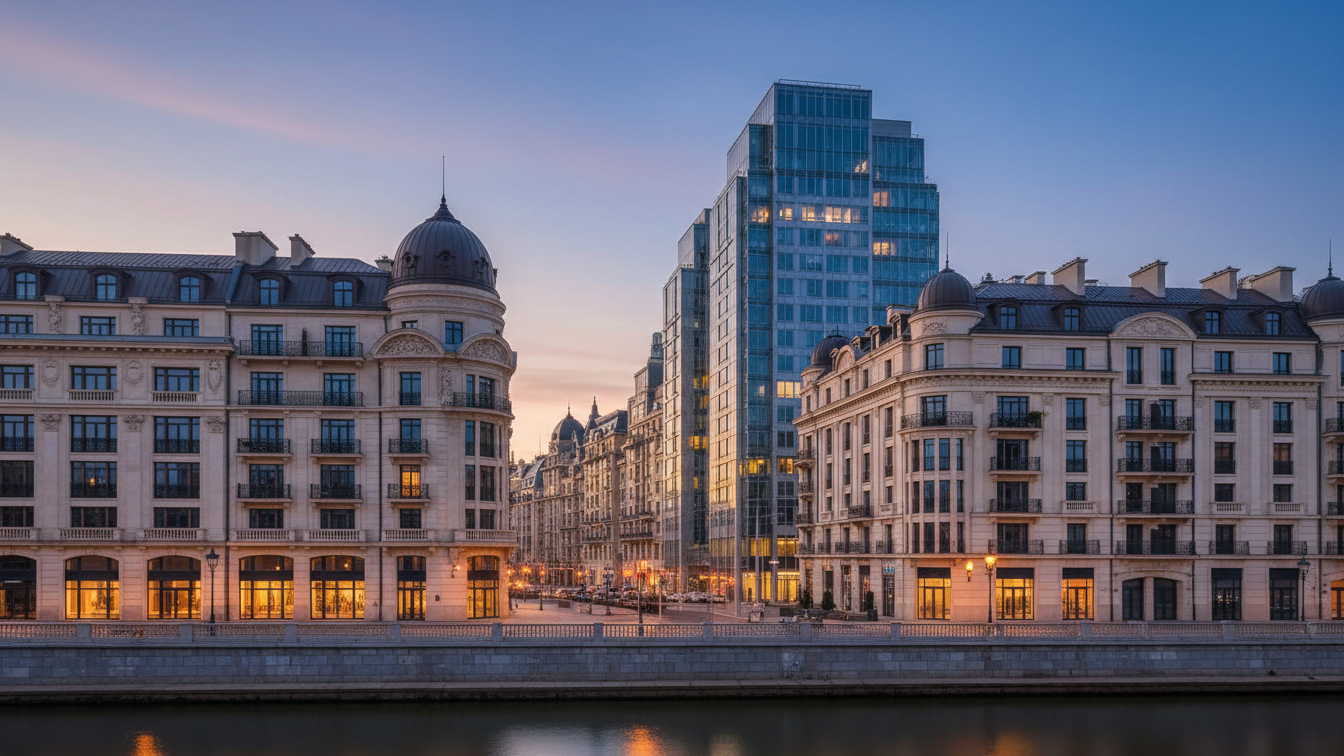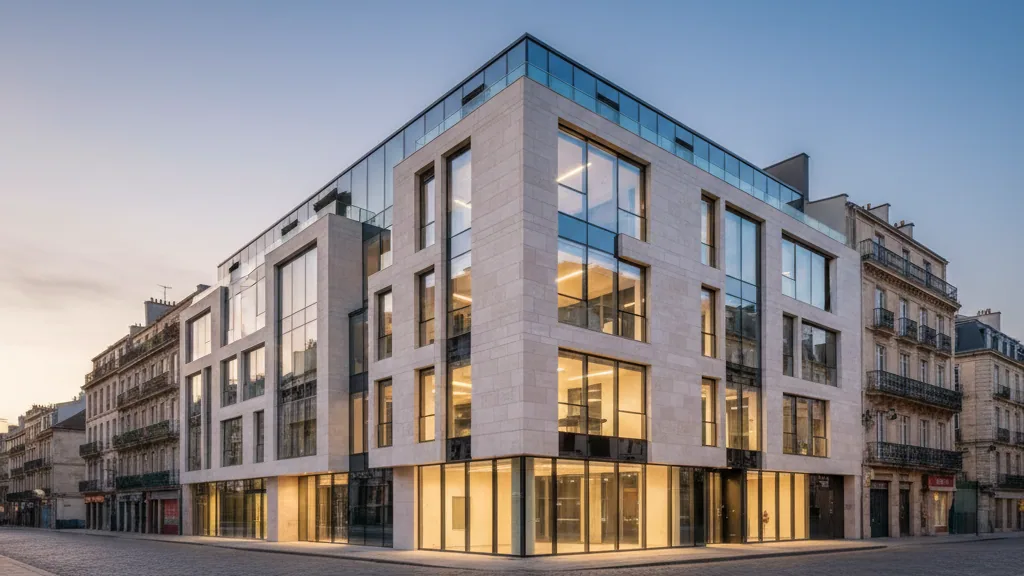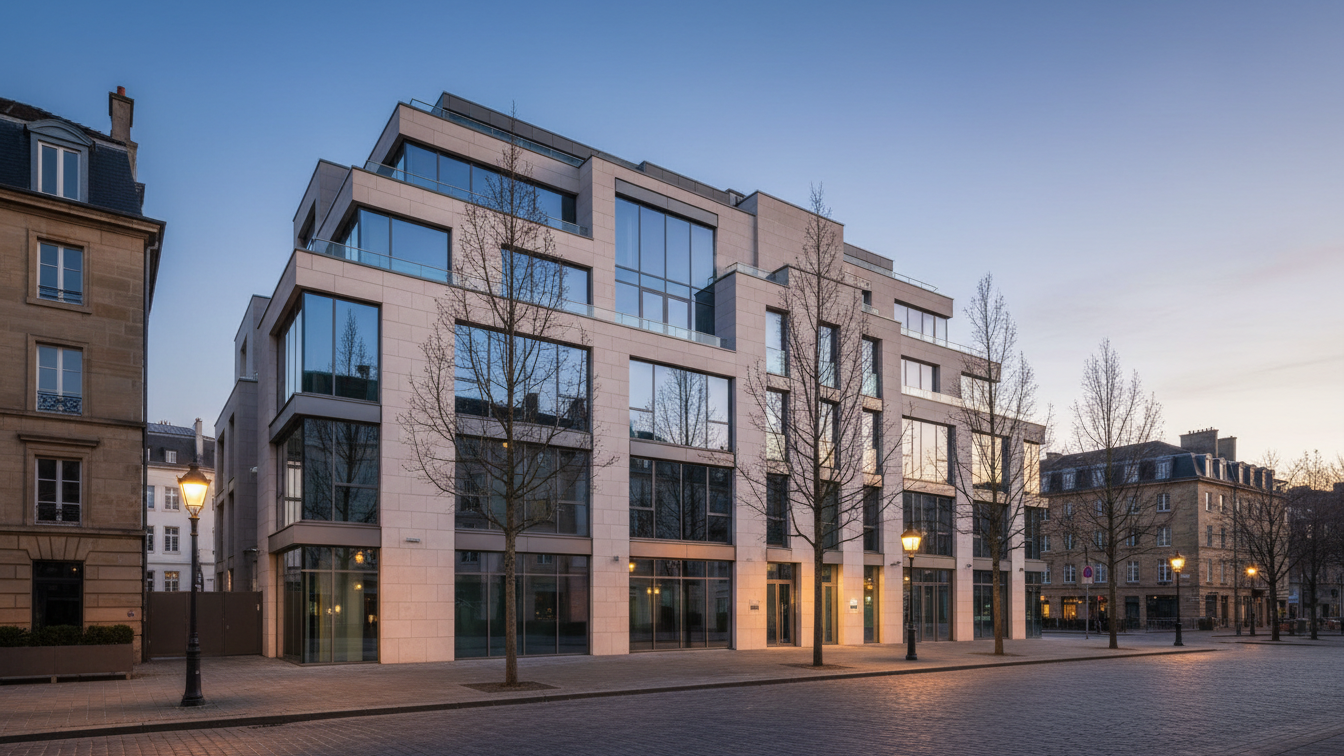
Estate agents are increasingly resorting to artificial intelligence (AI) tools to digitally edit property photos. These edits range from repainting walls to adding non-existent lawns. This practice raises serious questions regarding transparency in real estate marketing. The application of AI technologies in image processing for sales purposes has already led to discussions among agents, potential buyers, and trading standards experts, particularly with regard to appropriate disclosure standards.
The digital optimisation of images undoubtedly offers advantages by presenting properties in a more appealing way and emotionally engaging potential buyers. It can help to improve the first impression and increase the time spent on online listings. However, the line between aesthetic improvement and the creation of a misleading representation is fluid and requires clear definition. The fundamental question arises as to what extent digital modifications are permitted to distort the real appearance of a property without this being transparently communicated.
Discussion on ethical guidelines
The debate focuses on what information must be made available to potential buyers when photos have been altered using AI. While minor adjustments that correspond to reality are generally accepted, extensive changes, such as adding entire extensions or altering environmental details, fall into a critical area. Industry associations and regulatory bodies face the challenge of developing clear guidelines that safeguard both the interests of estate agents and consumer protection.
Experts fear that a lack of transparency could undermine confidence in the real estate market in the long term. Buyers might feel deceived if the reality of a property does not match its online presentation. This could lead to frustration, wasted time during viewings, and, in the worst case, legal disputes. The development and adherence to ethical standards are therefore crucial to maintaining the integrity of real estate transactions.
International regulatory approaches
Some countries and regions have already begun to examine initial approaches to regulation in this area. The aim is to find a consensus on the nature and extent of permissible image editing. It is expected that an obligation to disclose digital manipulations could be introduced in the future – for example, through special watermarks or text additions that indicate the use of AI tools. This would enable buyers to make informed decisions and strengthen the credibility of property listings.
- —Transparency: Clear labelling of AI-generated or AI-edited images.
- —Consumer protection: Avoidance of misleading representations that do not correspond to reality.
- —Industry standards: Development and implementation of uniform guidelines for estate agents.
- —Trust: Restoration and strengthening of buyer confidence in digital property listings.