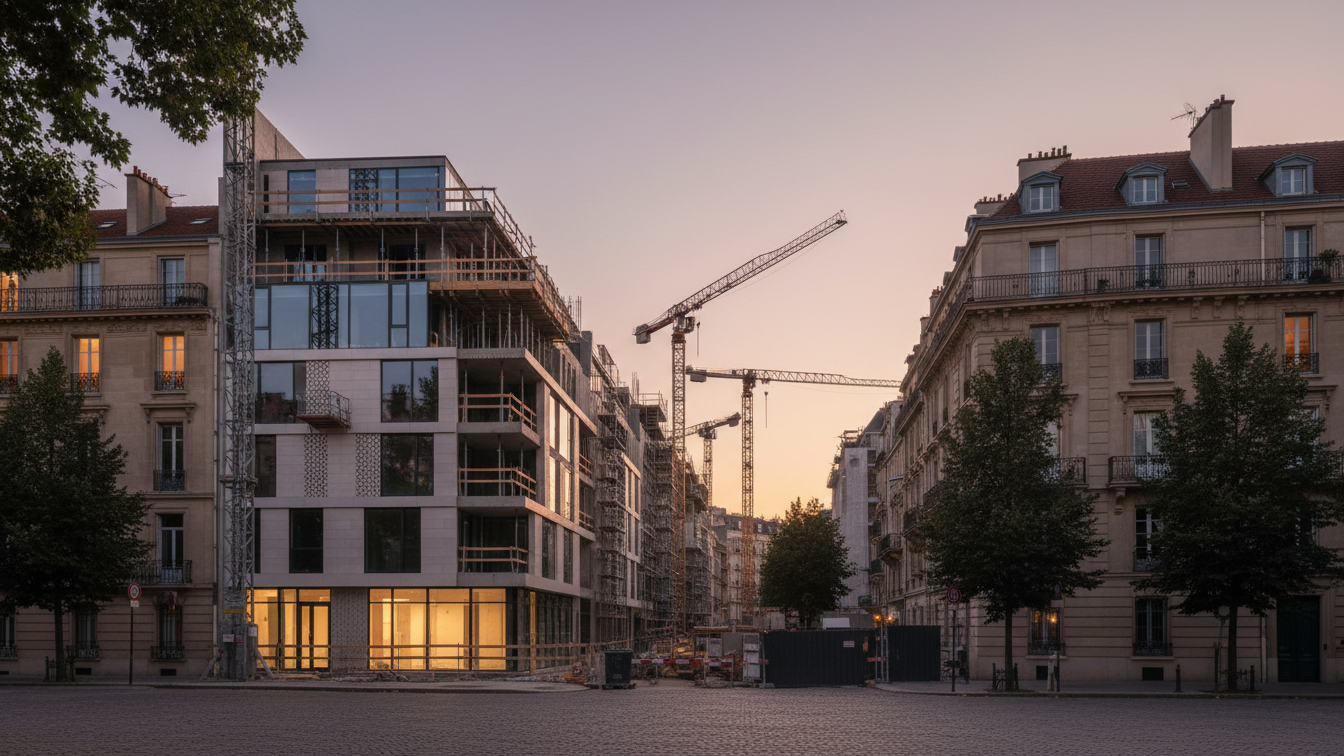
Almost nine years after the tragedy of the Grenfell Tower fire in London, numerous buildings identified with unsafe external cladding continue to await remediation. Current data shows that 47% of these properties have not yet started or fully completed the necessary works.
The survey covers 4,411 residential buildings over eleven metres in height. Of these, only 1,672 buildings have successfully completed the remediation of the problematic façade cladding. This indicates an ongoing challenge regarding building and fire safety.
Background and scope of remediation measures
The Grenfell Tower fire in June 2017 exposed serious deficiencies in the fire safety of high-rise buildings, particularly concerning combustible façade materials. Consequently, comprehensive nationwide inspections were initiated to identify potentially hazardous buildings and ensure residents' safety. The identified defects often relate to the type of insulation and composite panels, which can facilitate the rapid spread of fire in an emergency.
The slow rate of progress in remediation works raises questions regarding funding, the availability of skilled workers, and the complexity of the projects. Owners' associations and developers face considerable costs and regulatory hurdles, which often delay the remediation process. There remains an urgent need for accelerated measures to ensure the safety of affected residents and to strengthen confidence in building standards.
The persistent problem of unremediated buildings has far-reaching consequences for the property market, as many owners struggle to sell their flats or refinance mortgages. Uncertainty about the future distribution of costs and the duration of the works continues to significantly burden both owners and the broader housing market.
- —47% of identified buildings with unsafe cladding are not yet remediated.
- —A total of 4,411 residential buildings over 11 metres in height were surveyed.
- —Only 1,672 of these buildings have completed remediation works.