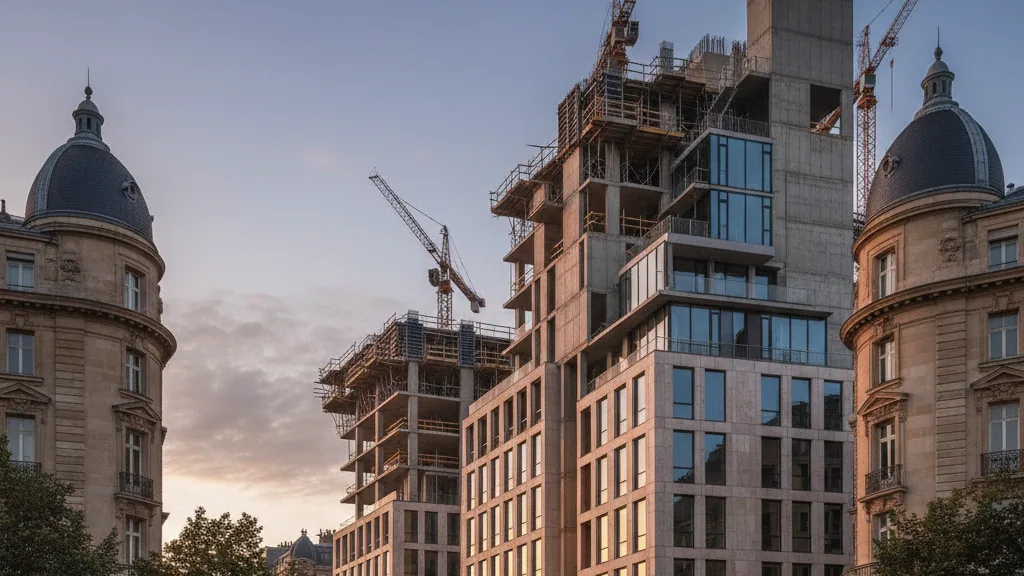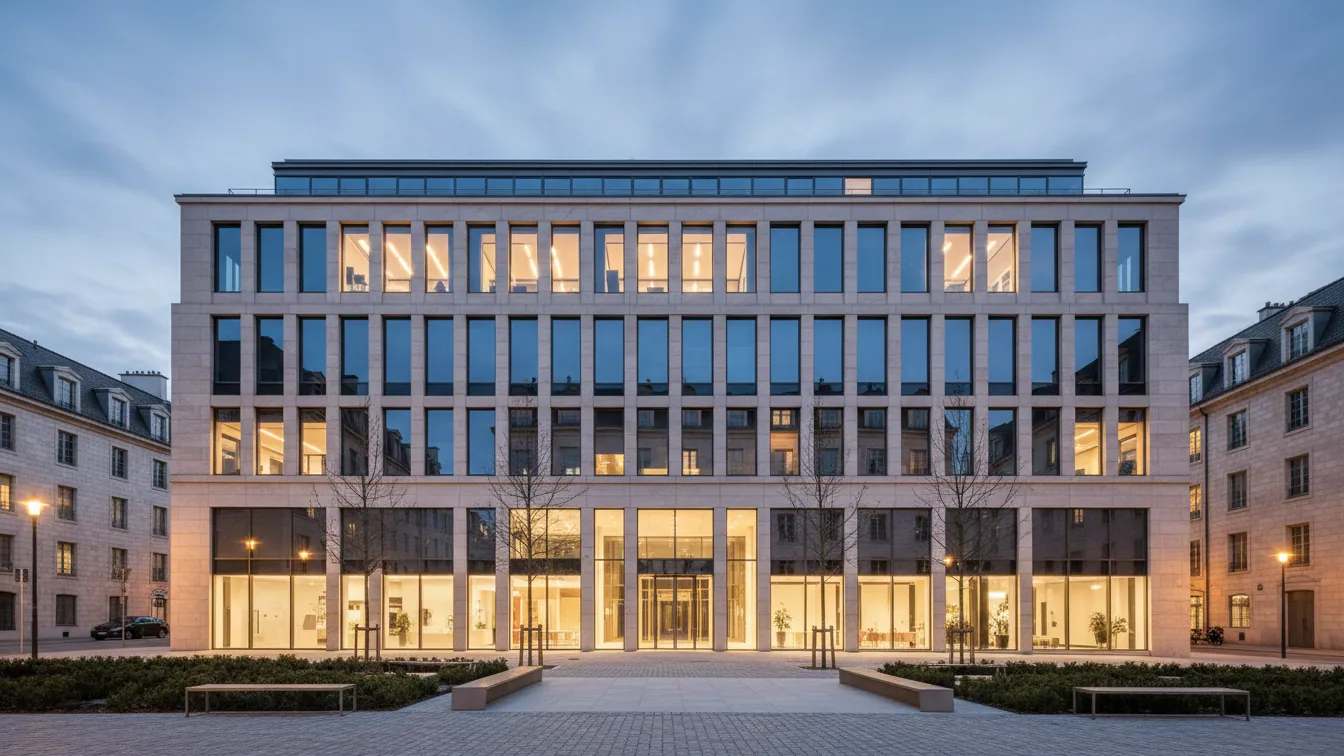
Housing cooperatives in Bavaria are experiencing a tense market situation. A combination of high construction costs, limited building land resources, and a complex funding landscape is impairing their ability to provide affordable housing. This development represents a growing challenge in the Bavarian housing market.
The number of new housing cooperative formations in the Free State is declining. While 36 new cooperatives were established between 2015 and 2021, only eight more have been founded since 2021. Hans Maier, Managing Director of the Association of Bavarian Housing Companies, attributes this to the high construction costs for initial projects, as well as the scarcity of suitable and affordable building plots in Bavarian metropolitan areas. Furthermore, the current funding environment makes it difficult for young cooperatives to get started.
Challenges in Financing and Implementation
Scarce funding causes planning uncertainty, while new disbursement schedules in subsidised housing necessitate expensive interim financing. The association therefore advocates for increased state support for start-up cooperatives. Even established cooperatives have been reducing their new construction activity since 2022. Maier notes that rents exceeding 18 EUR per square metre would be required to refinance current construction costs – a level that cooperatives cannot and do not wish to impose on their members.
In response, the association demands measures to reduce construction costs, particularly the swift legal anchoring of building type E in the German Civil Code (BGB). The implementation of this measure is long overdue, according to Maier.
The Role of Cooperative Housing
The 348 Bavarian housing cooperatives play a stabilising role in the regional real estate market. Their members act as co-owners and residents and possess a cooperative permanent right of use, which effectively implies a lifelong right to reside. Terminations due to own use requirements or the sale of a dwelling are excluded in this model. Average rents, at 6.75 EUR per square metre, are significantly below the market average, making cooperatives one of the most affordable and secure forms of housing in Bavaria.
However, the current market conditions, characterised by rising costs and bureaucratic hurdles, jeopardise this important function. An adjustment of the framework conditions is necessary to ensure the future viability of this model and to continue securing affordable housing in the Free State.