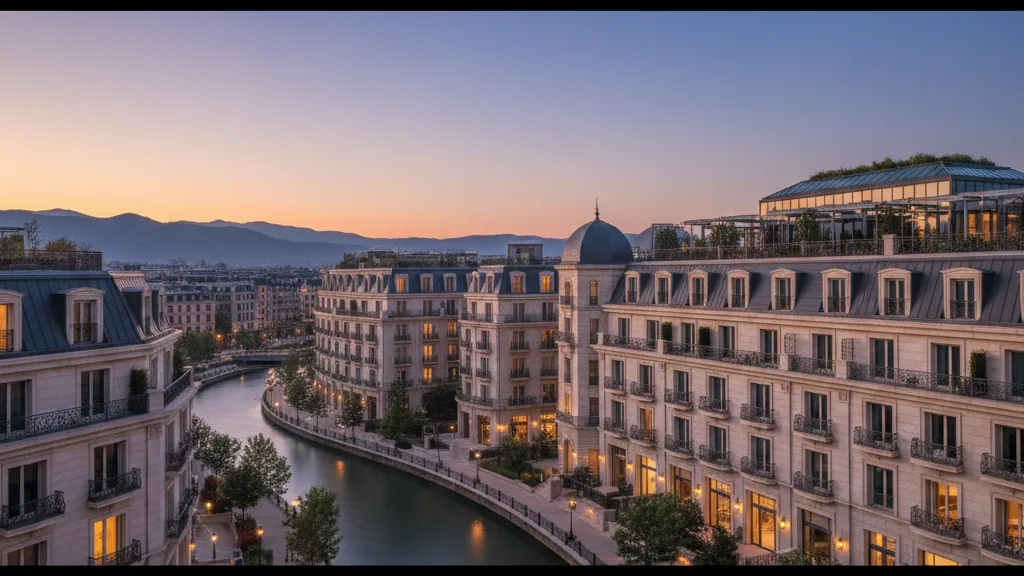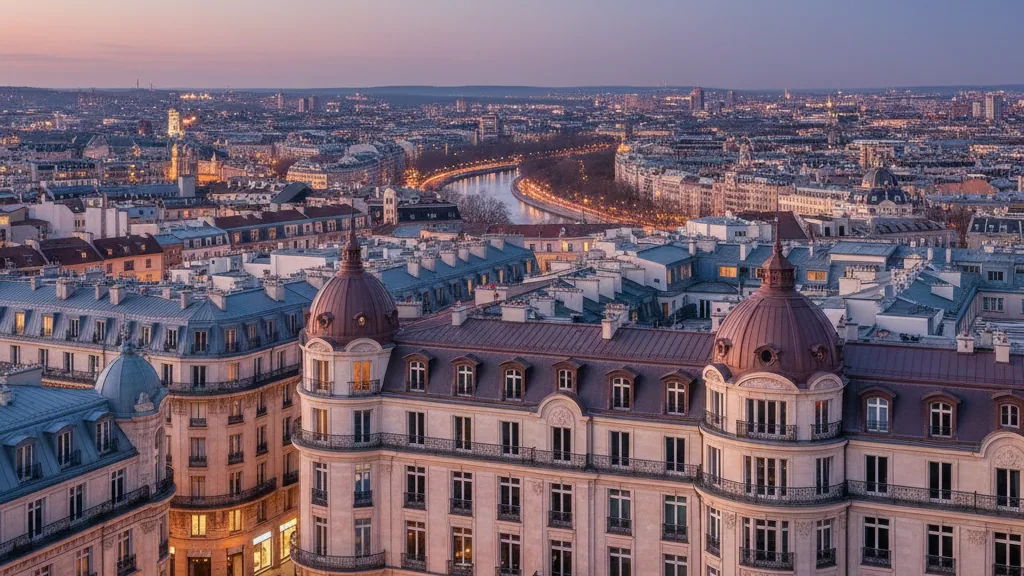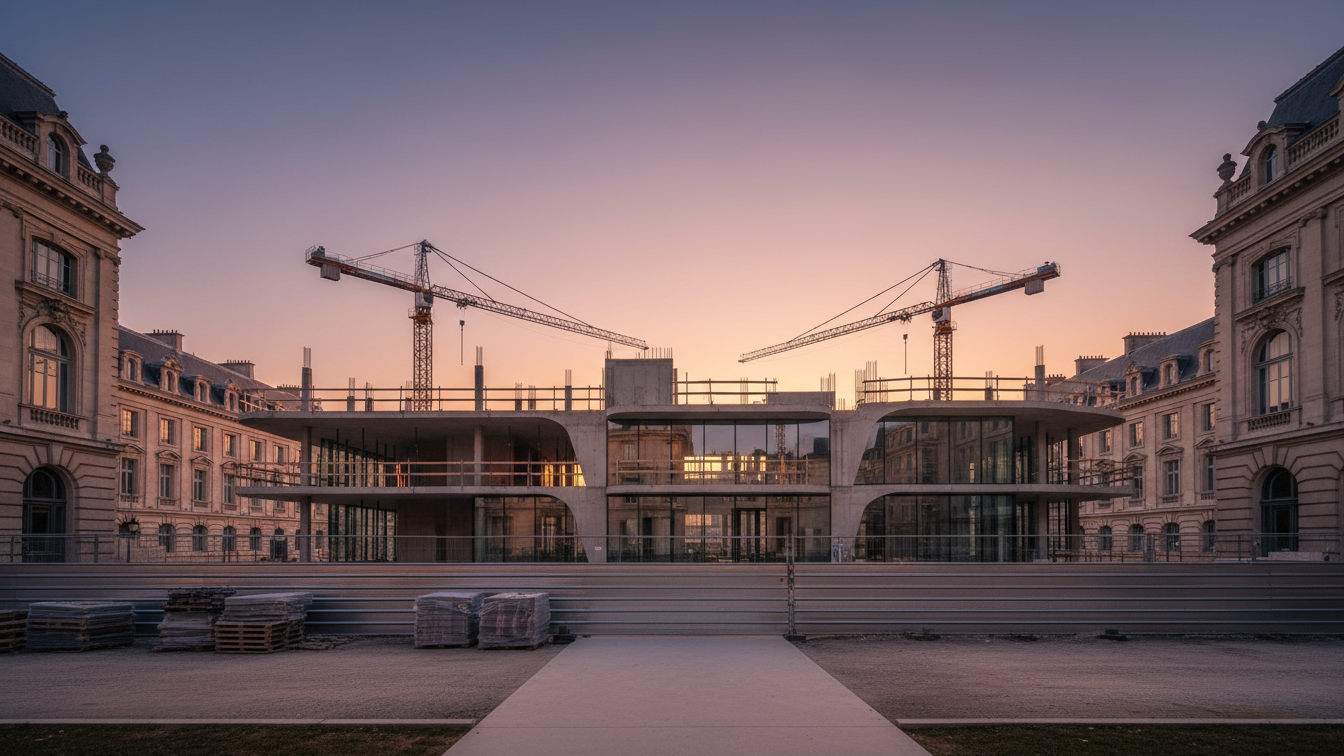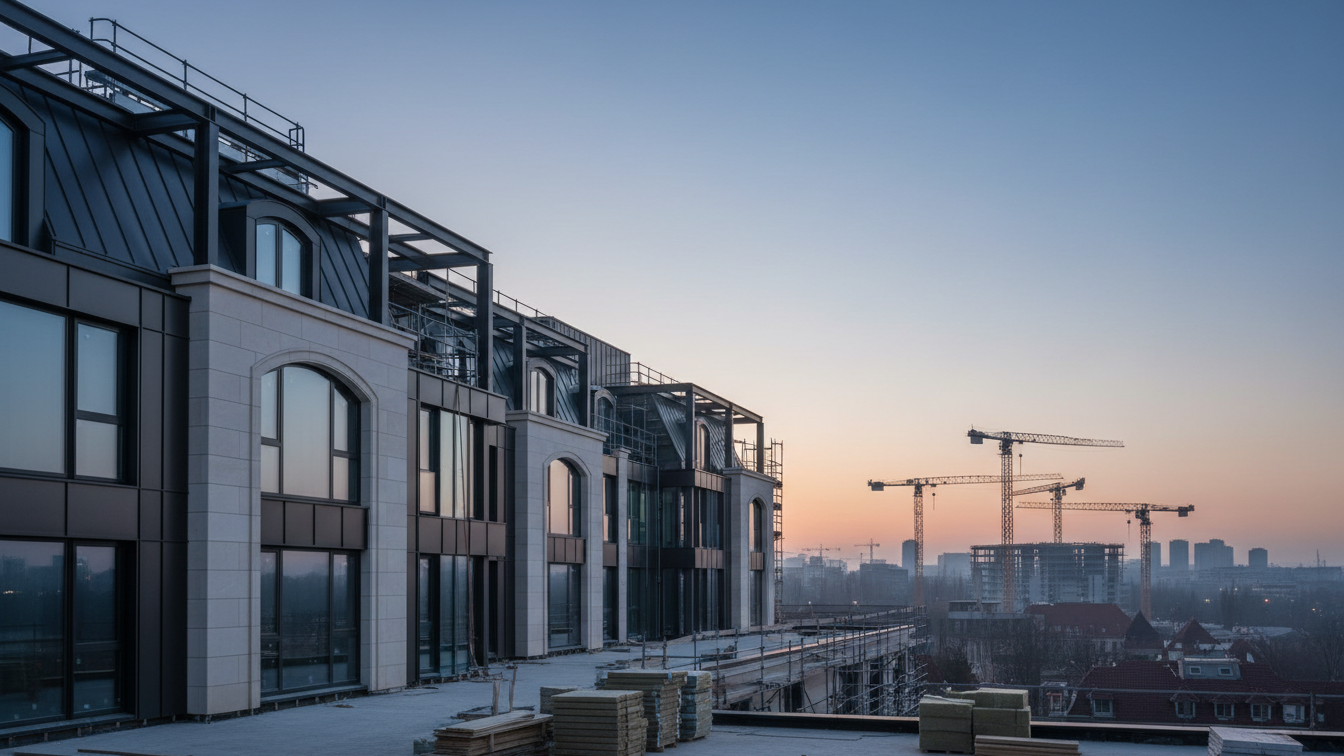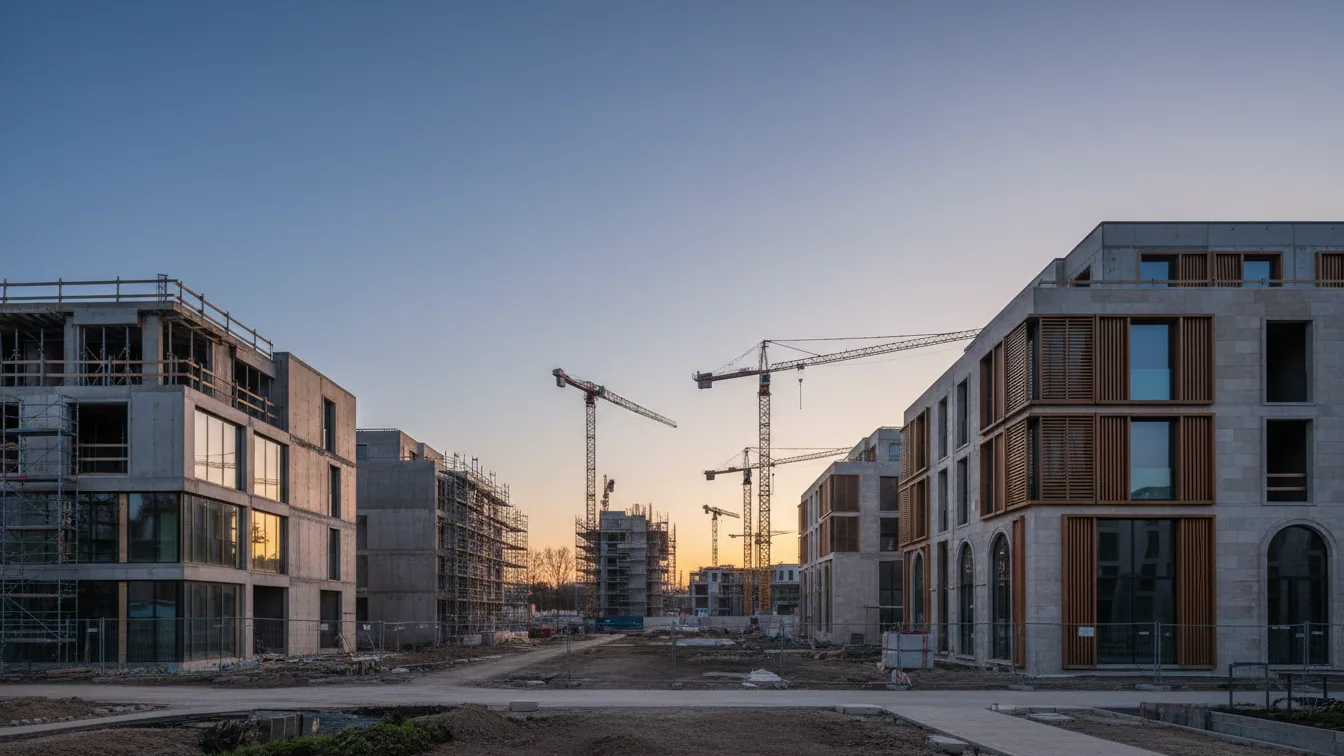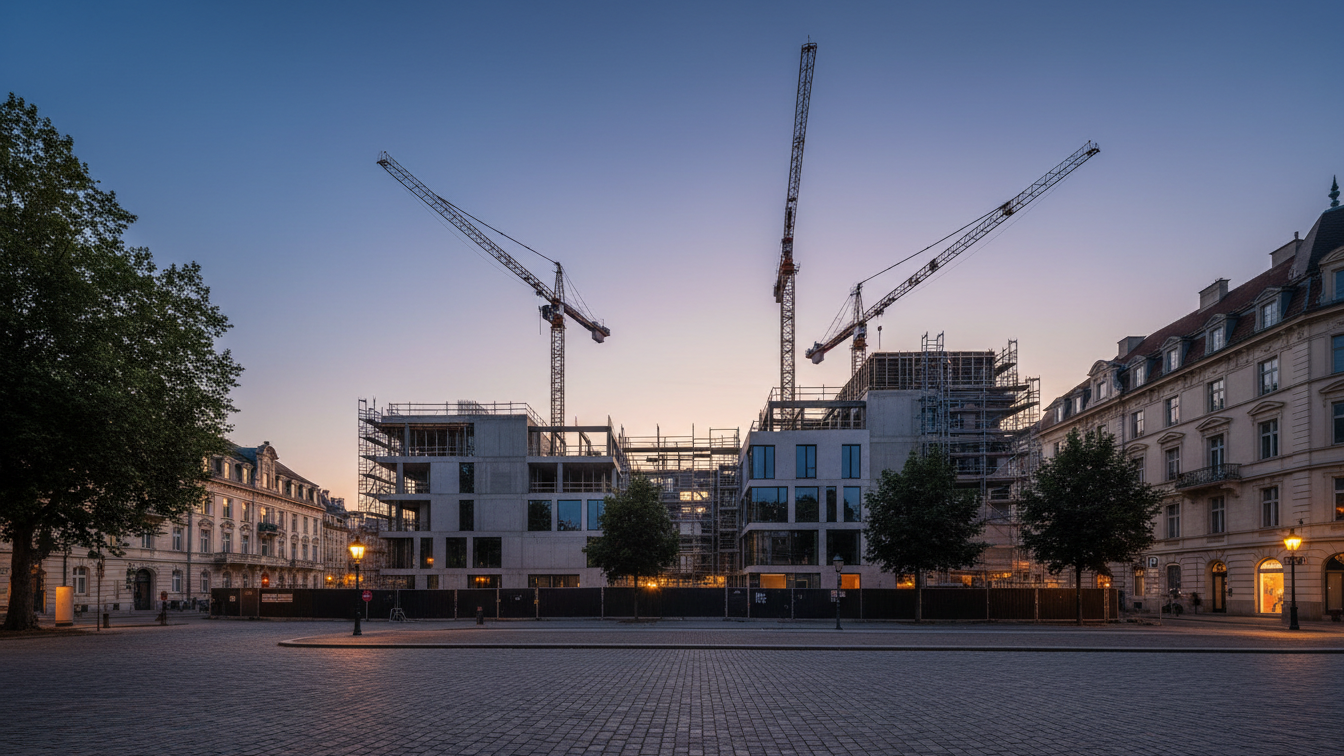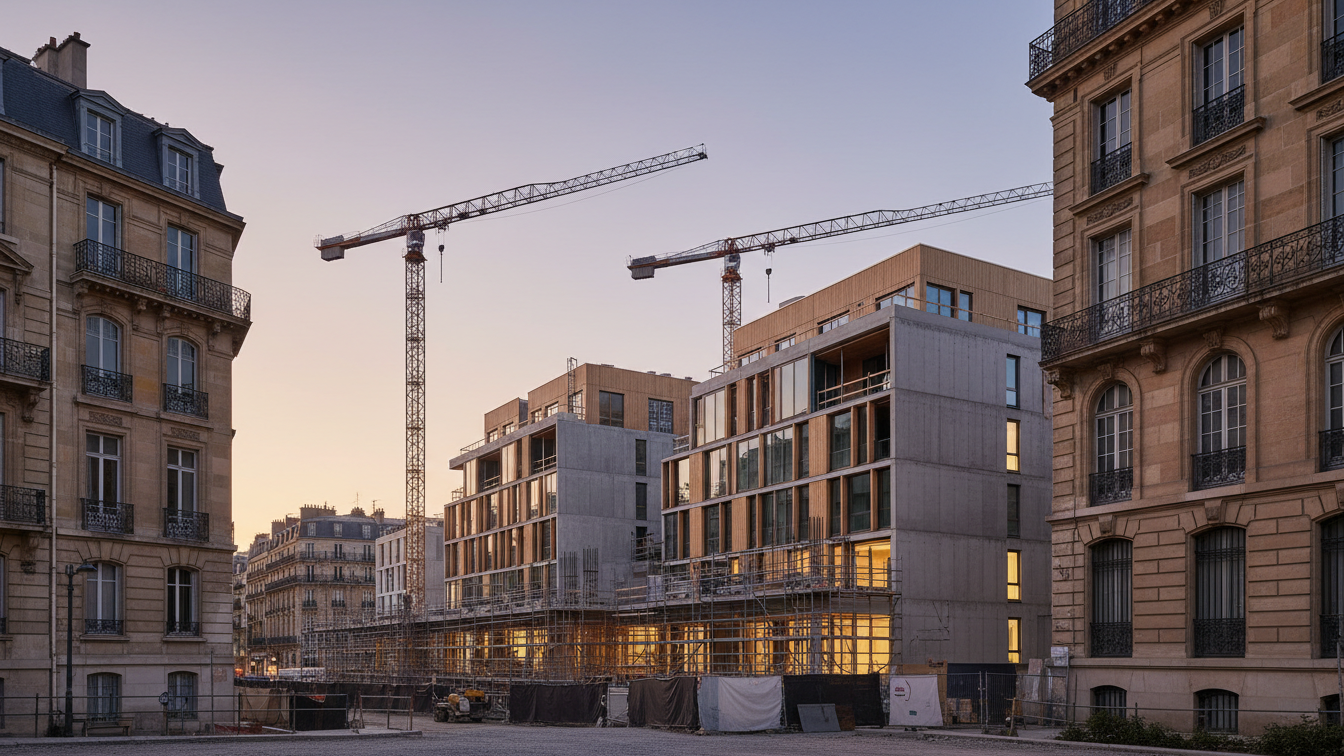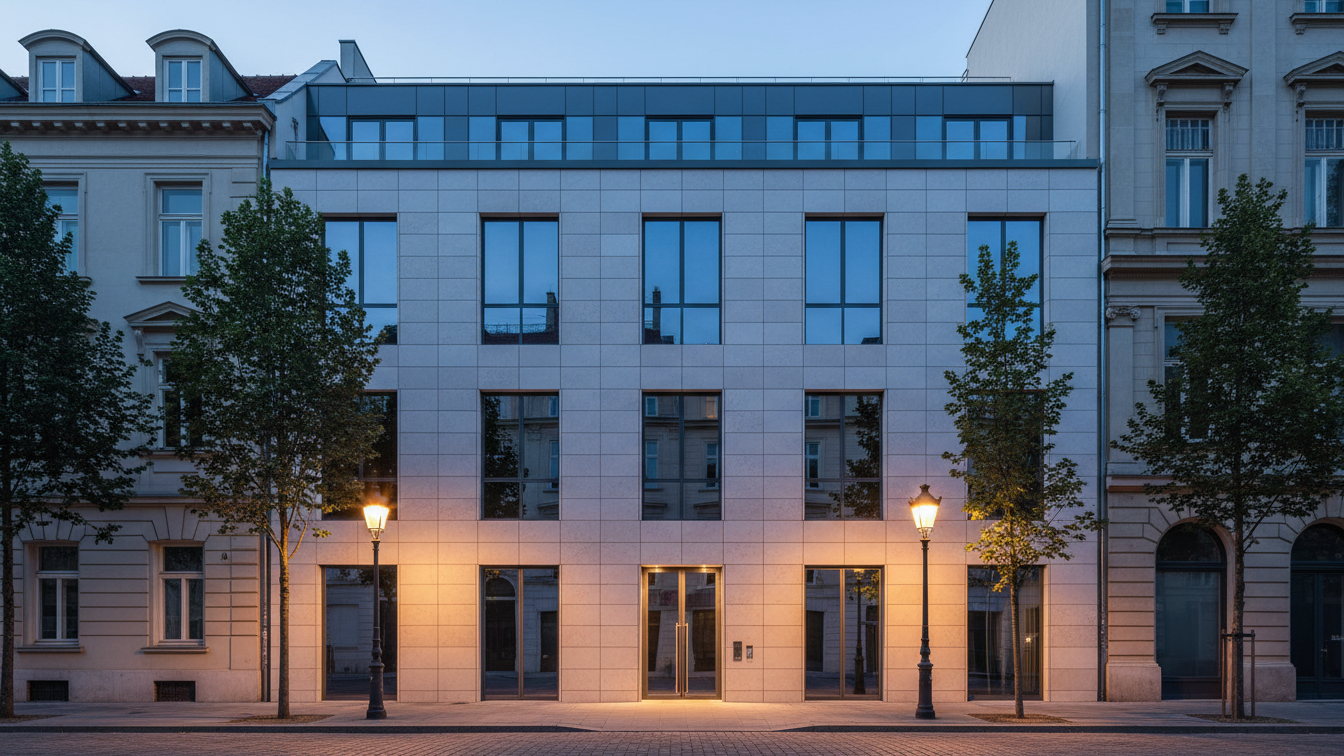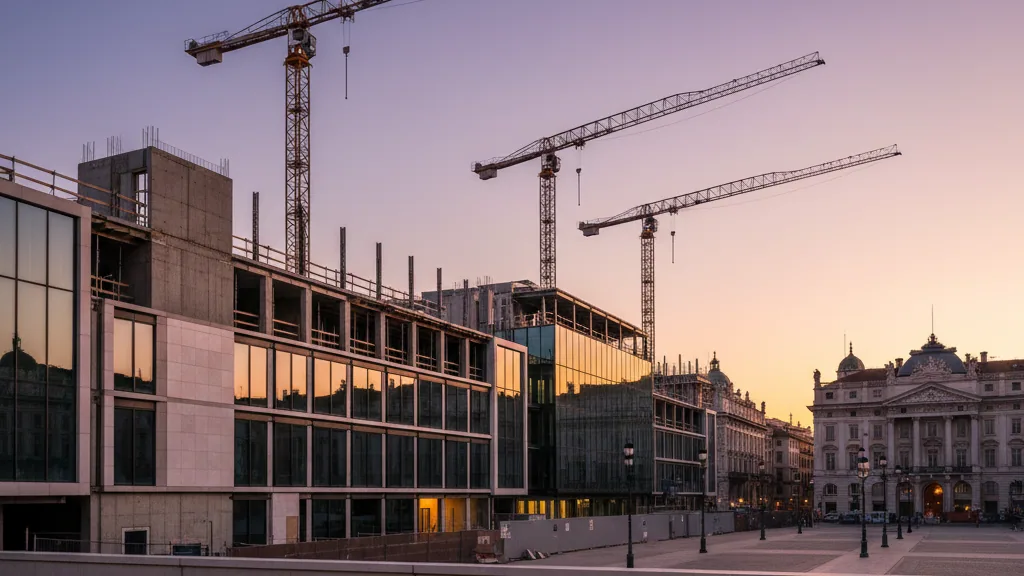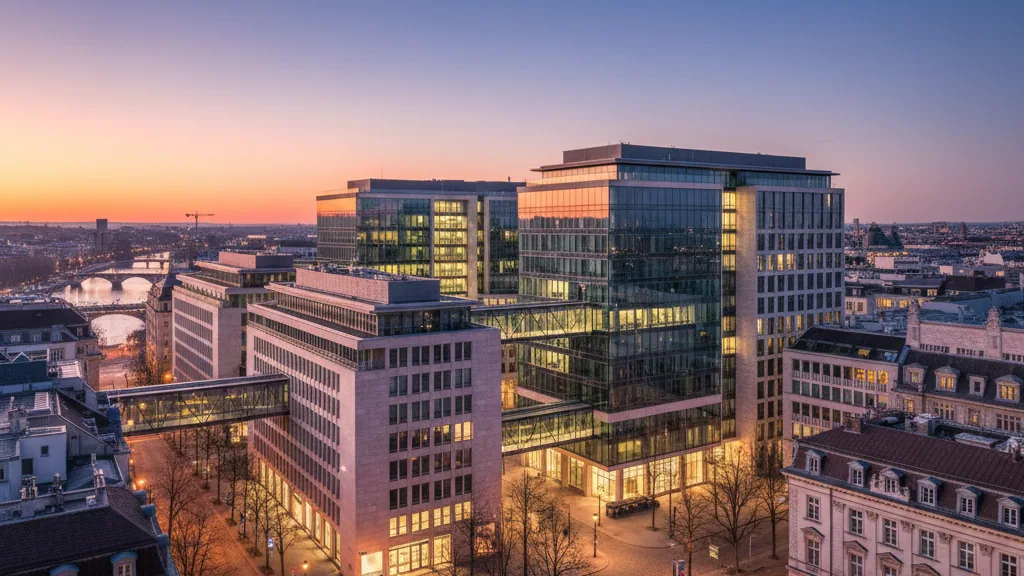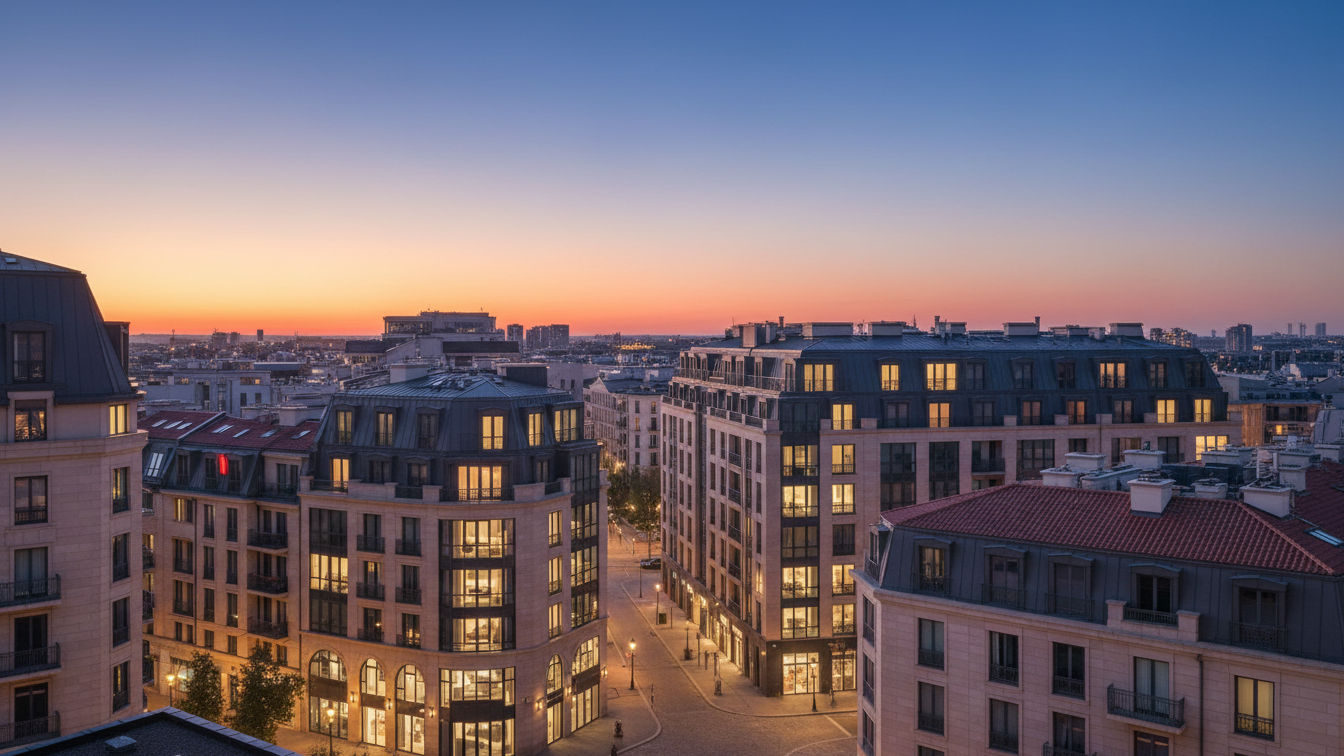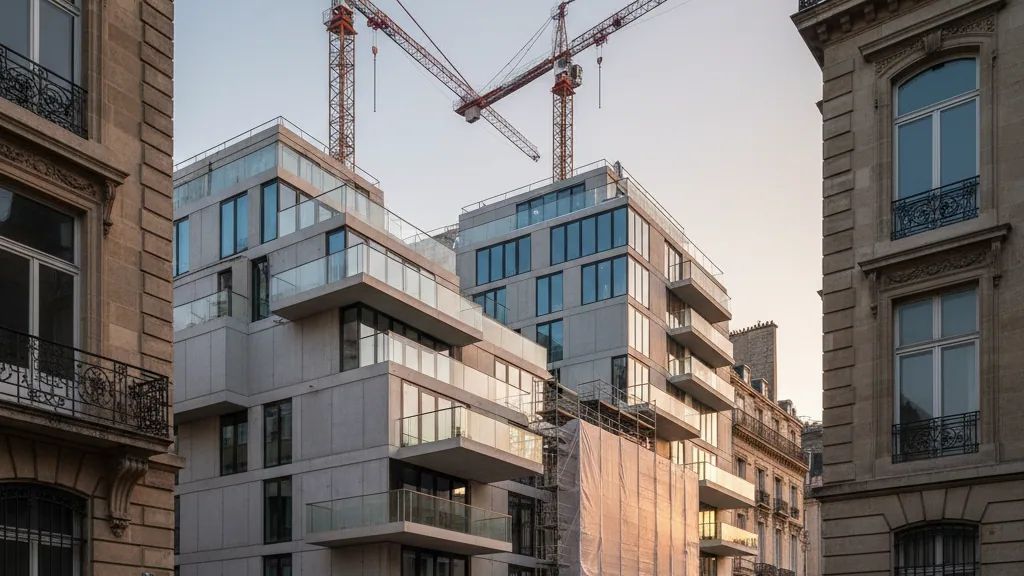
IMMOPACT Immobilien GmbH has celebrated the topping-out ceremony for buildings C and D on the site of the Campus Universelle Werke on Zwickauer Straße in Dresden. The nationwide developer and portfolio holder is expanding the space available for offices, research and development across the former industrial complex. Attendees at the celebrations included Dirk Hilbert, Lord Mayor of the state capital Dresden, and Sören Trillenberg, State Secretary in the Saxon State Ministry for Infrastructure and Regional Development. Completion of the two buildings is scheduled for 2028.
The entire site spans around 46,000 square metres and will offer approximately 28,500 square metres of lettable space once all construction work is completed. While parts of the heritage-protected building stock have already been revitalised and are occupied by companies such as VW Group Software Innovation & Development, Viessmann Group, anvajo GmbH and the German Aerospace Center, buildings C and D expand the site with flexibly divisible units. These are designed for conventional office work as well as laboratories, development areas and small-scale production.
Technology-oriented location profile
Andreas Schöberl, Managing Director of IMMOPACT Immobilien GmbH, explained on the occasion of the topping-out ceremony that the marketing phase is now coming even more to the fore. Talks are already underway with interested parties who can now be shown the spatial possibilities directly on site. The project accompanies the structural transformation of the traditional industrial location into a modern innovation quarter.
Lord Mayor Dirk Hilbert highlighted the significance of such space for Dresden: corporate settlements in the semiconductor industry are generating noticeable demand for space among suppliers, development service providers and technology firms. The direct proximity to the Technical University of Dresden and facilities of the Fraunhofer, Helmholtz and Leibniz Associations benefits knowledge transfer. Through the Silicon Saxony industry network, the project is also closely integrated with the regional high-tech sector.
The urban planning concept links the quarter into the urban fabric via public transport and cycle path networks. In addition to commercial space, publicly accessible green spaces, amenity areas and catering facilities are being created. State Secretary Sören Trillenberg emphasised the exemplary character of the scheme, in which historic building fabric is preserved and complemented by future-ready new builds.
Energy efficiency and certification
A site-specific energy concept is being applied to the new buildings, designed to reduce operating costs by around half compared to conventional buildings. Managing Director Schöberl stressed that stable service charges are an essential locational factor for tenants, and that the company's focus as a long-term portfolio holder is on lasting operation.
- —Photovoltaic installations to cover part of the buildings' electricity requirements
- —Air-to-water heat pumps for heat supply
- —Decentralised ventilation units with demand-controlled regulation
- —Rainwater management via retention roofs and infiltration ditch systems
In June 2025, the German Sustainable Building Council (DGNB) awarded the project a Gold pre-certificate. In addition to environmental criteria, the award acknowledged the economic quality, technical execution and functional flexibility of the development project.