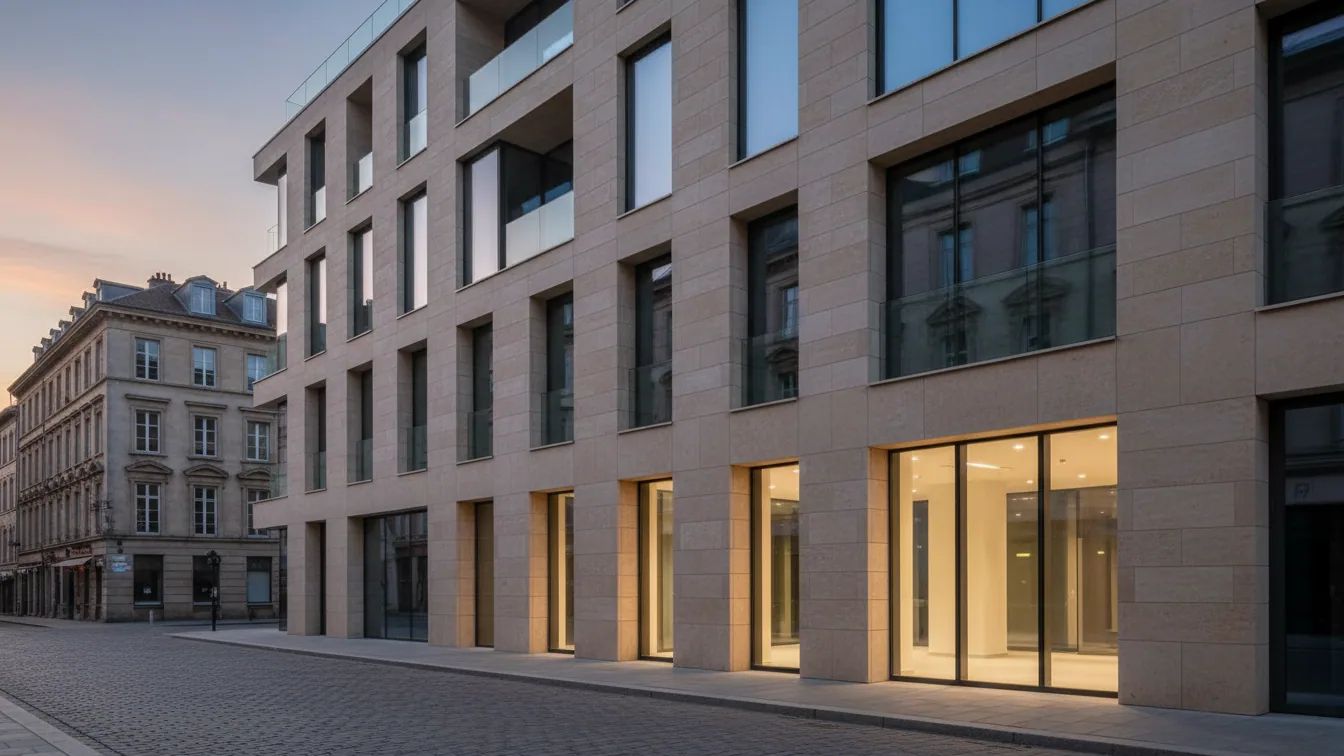
The real estate industry has been undergoing a significant transformation for several years, particularly in the area of marketing. Progressive digitisation and the introduction of innovative technologies have fundamentally changed how properties are presented and perceived. Modern visualisation techniques make it possible to engage potential buyers and tenants in ways previously unthinkable, while offering unparalleled transparency and accessibility.
Digital tools range from high-resolution 3D renderings to interactive virtual tours, enabling prospective clients to explore a property from anywhere in the world. These technologies are not only relevant for the sale of existing properties but are especially crucial for the successful pre-marketing of new build projects where physical viewings are not yet possible. They offer detailed insights into the planned rooms and fittings.
Advantages of Virtual Staging and PropTech Tools
A key element of this development is virtual staging. By digitally furnishing empty rooms, marketing experts can highlight a property's potential and give prospective buyers an idea of how a space might look with furniture and decoration. This not only increases the appeal of the listing but can also significantly shorten the marketing period. A study showed that virtually staged properties are sold faster on average than unfurnished listings.
- —Improved presentation and visualisation of properties.
- —Significant time savings in marketing and acceleration of sales processes.
- —Extended access to a global audience through online viewings.
- —Reduced financial and logistical effort compared to physical staging.
PropTech tools, which include Artificial Intelligence and machine learning, further contribute to increased efficiency. They not only optimise the creation and management of content but also target audience engagement and the analysis of prospective client data. These data-driven insights enable real estate professionals to refine their marketing strategies more precisely, thereby achieving better results.
The adoption of these technologies is continuously growing among property developers, agents and marketers worldwide. The ability to present properties comprehensively and appealingly online is increasingly considered standard in the industry. This leads to more effective communication of a property's value and enables prospective clients to make informed decisions even before a personal viewing takes place. Digital transformation in real estate marketing is therefore not just a trend but a necessity for competitiveness and success in an increasingly digitised market.