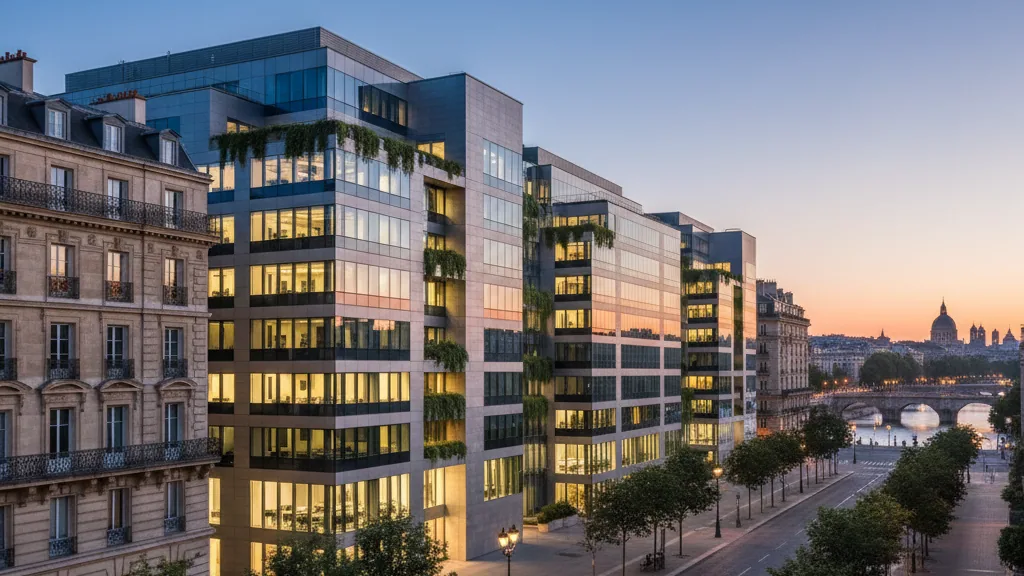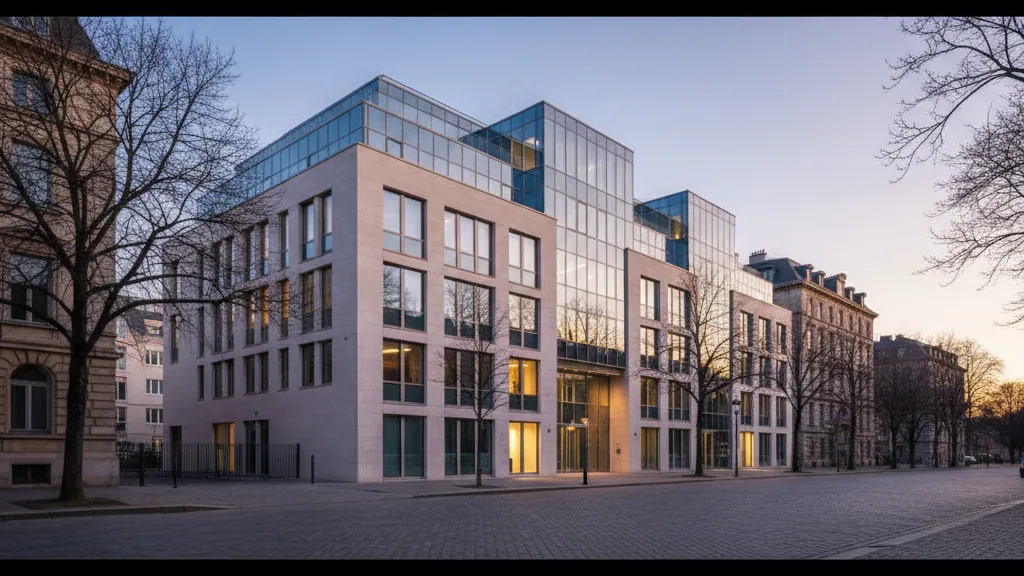
The real estate industry may be on the verge of a significant change in how properties are presented. The renowned estate agency group Spicerhaart is currently conducting tests with artificial intelligence (AI) to optimise the quality of property photographs for their listings. Industry observers suggest that this technology could soon become standard practice across the entire sector. The introduction of such advanced image editing methods promises to significantly boost the online appeal of properties and attract potential buyers more effectively.
The trials of AI technology encompass several application areas aimed at perfecting the visual representation of properties. This includes the digital removal of clutter and superfluous objects that could otherwise detract from an appealing image. Furthermore, AI enables the virtual furnishing of vacant rooms, providing prospective buyers with a better idea of the spatial feel and potential uses. Various furnishing concepts and decorations can also be digitally demonstrated to showcase a property's versatility.
Regulatory Requirements and Transparency
Despite the technological advancements and marketing benefits, regulatory aspects are of central importance. Supervisory authorities require clear labelling of images that have been processed or enhanced using AI. This regulation aims to ensure that potential buyers are always informed about the actual condition of a property and that no false expectations are created. Transparency is crucial here to maintain consumer trust and ensure fair business practices.
The implementation of such technologies is seen by real estate experts as a step towards more efficient and visually appealing property marketing. Improved visual presentation can increase the time spent on listings and thus enhance the chances of a successful sale. It remains to be seen how quickly these methods will become widespread among estate agents and what further innovations AI will bring to this field.
Potential Market Impact
The introduction of AI-powered image enhancement could have far-reaching implications for the international real estate market. Providers could differentiate themselves from competitors through outstanding imagery. At the same time, buyers' expectations regarding the quality of presentation could rise, which in turn puts pressure on agents to invest in state-of-the-art technologies. This could lead to a harmonisation of visual standards at a higher level, ultimately benefiting all market participants who value high-quality presentation.