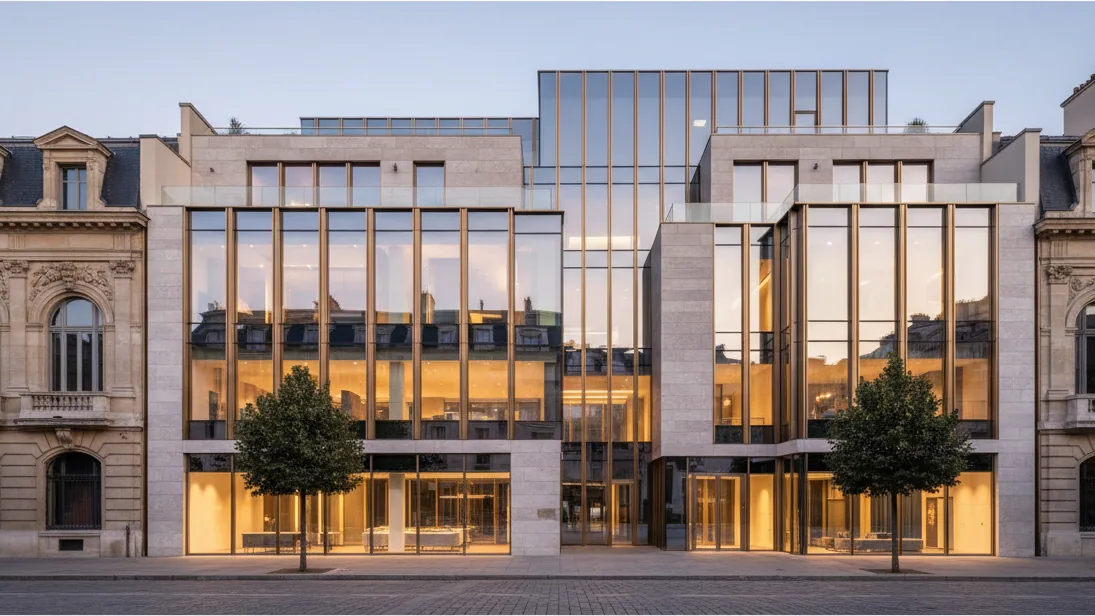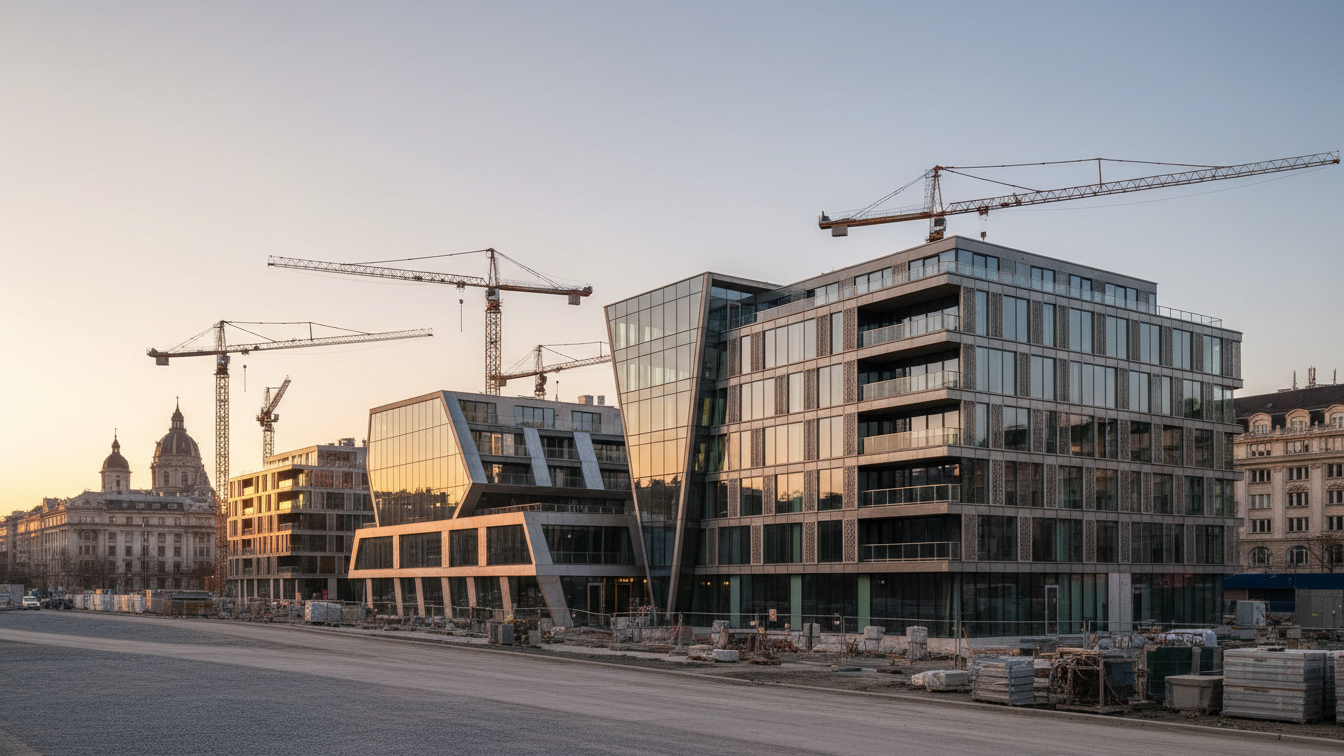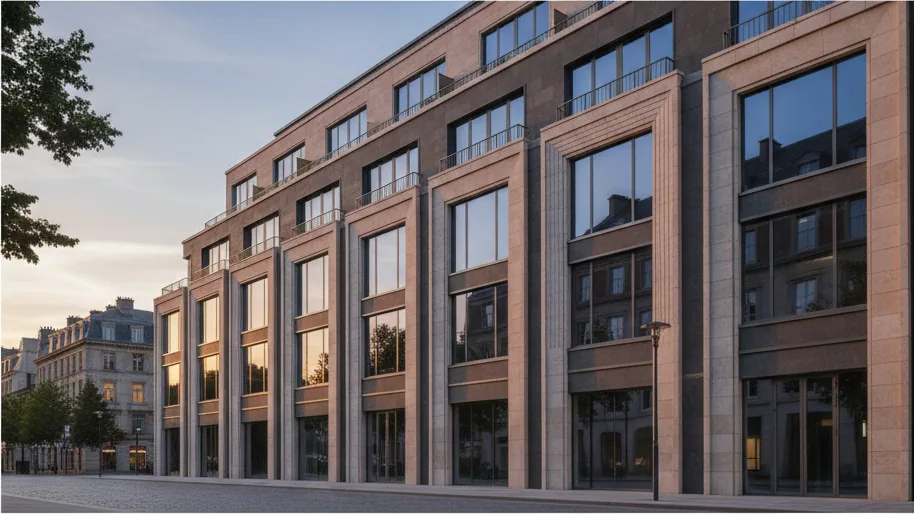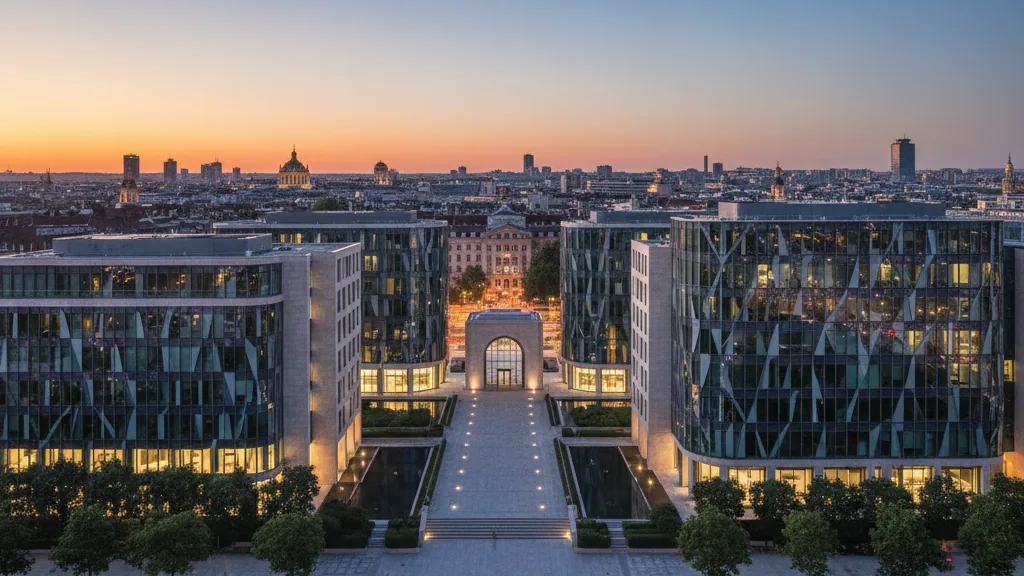
At an online press conference on 8th July 2026, four experts assessed the state of the Berlin residential property market. The discussion focused on the market's resilience, the obstacles to new residential construction, and the requirements for politicians to foster investment. Despite ongoing political discussions, Berlin's attractiveness for residential investments was highlighted.
Benjamin Rogmans, Managing Director and Head of WGH's E&V Commercial Berlin, stated that despite political debates, the Berlin residential investment market remains one of the most attractive in Germany. He emphasised that institutional capital is available, but planning security and reliable framework conditions are crucial. Rogmans described a more rational market than in previous years, where sellers have adjusted their price expectations and transactions are taking place, making the Berlin residential property market remarkably stable compared to other asset classes.
Rogmans further highlighted that new construction is the most effective way to alleviate pressure on the Berlin housing market. This requires investors' confidence in the location, faster approval processes, and political reliability.
The Importance of Confidence and Accelerated Processes
Ingo Weiss, Co-Founder and Managing Partner of DRIVEN, confirmed Berlin's long-term attractiveness as a residential property location. He argued that ending the expropriation debate would create the necessary confidence for international investors to once again consider the market more actively. Weiss identified lengthy approval processes and a lack of building land as the biggest brakes on new residential construction and called for an acceleration of planning procedures and quicker activation of sites.
For project developers, market liquidity played a role in addition to returns and financing. Planning security strengthens investor confidence and increases willingness to realise new residential projects in Berlin. Stefan Claus, CEO of BEB+, underscored the fundamentally positive aspects of the Berlin housing market: high demand, economic growth, and sufficient capital. He identified increasing regulation and a lack of reliability in political framework conditions as significant investment inhibitors.
Claus noted that the focus should not solely be on cheaper construction costs. For investors, profitability over the entire lifecycle of a property is crucial, which also includes stable management conditions for existing properties. He spoke against further regulation, as it does not create additional housing, and advocated for more trust in market-economy mechanisms and less bureaucratic interference to stimulate investment and new construction.
Regulation and New Construction Activation
Sebastian Fischer, CEO of PRIMUS Immobilien, differentiated between existing and new-build flats. While existing flats are increasingly regulated, there are initiatives at federal and state level to accelerate new residential construction. Fischer highlighted Berlin as an attractive future location, whose economic growth, influx of residents, and housing demand clearly speak for long-term investments, particularly in new construction. He concluded that new residential construction requires less complexity and faster procedures, as high planning and construction costs and long approval times represent the biggest hurdles for more housing construction in Berlin.