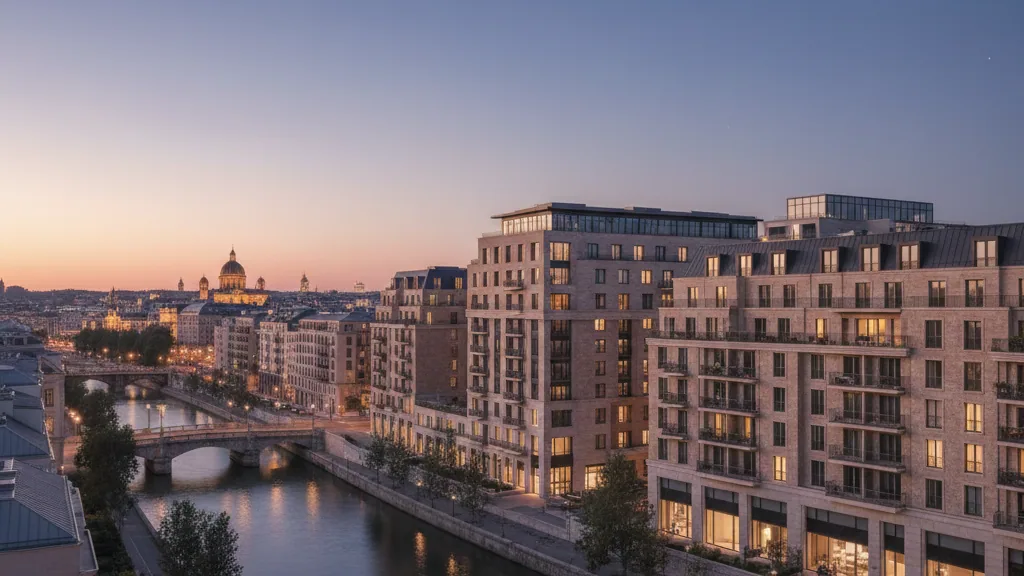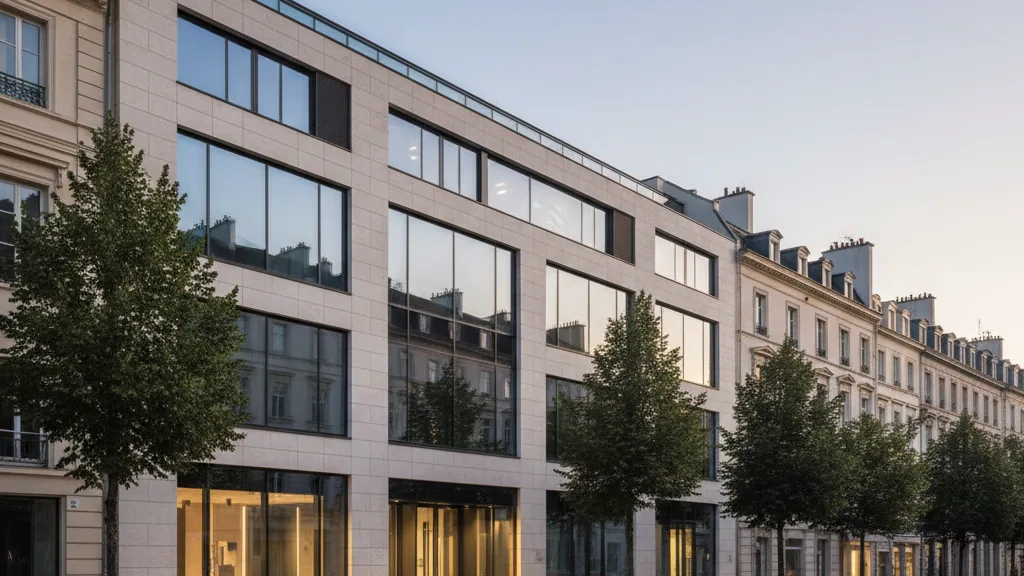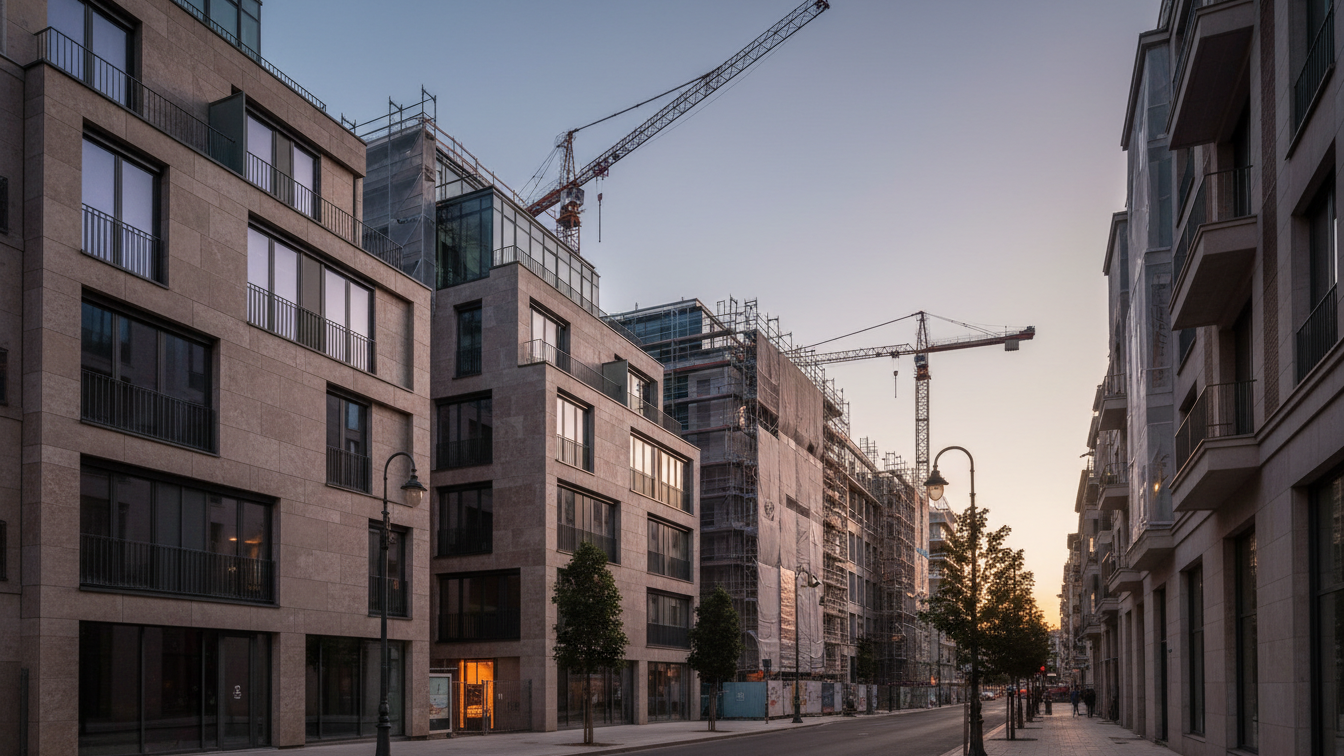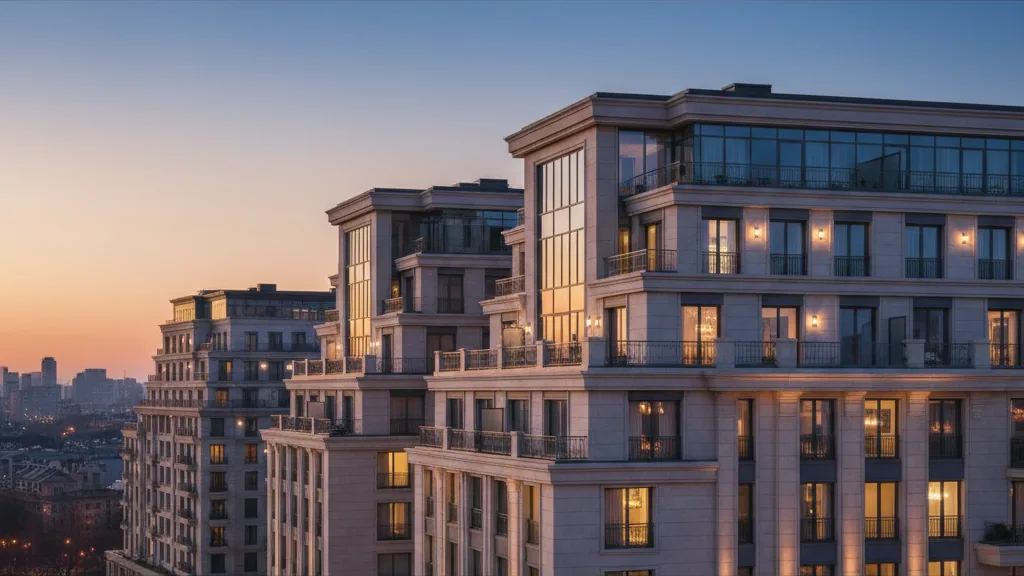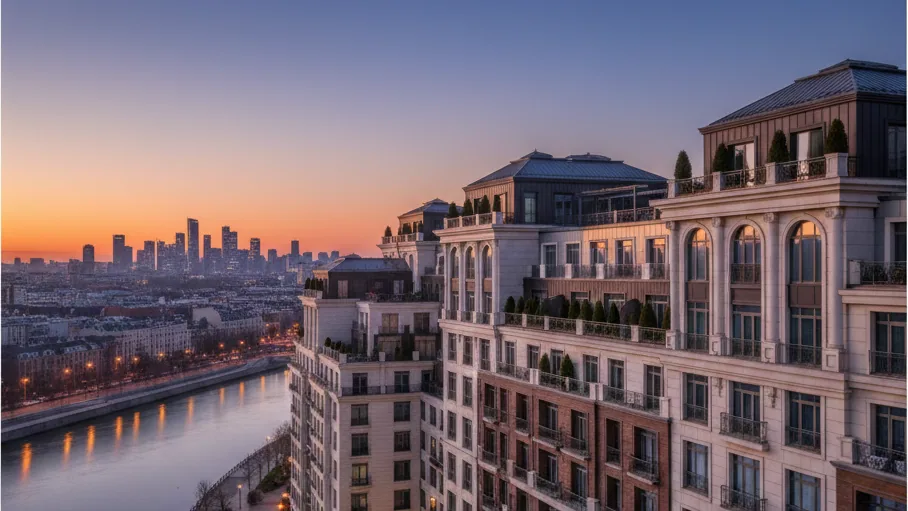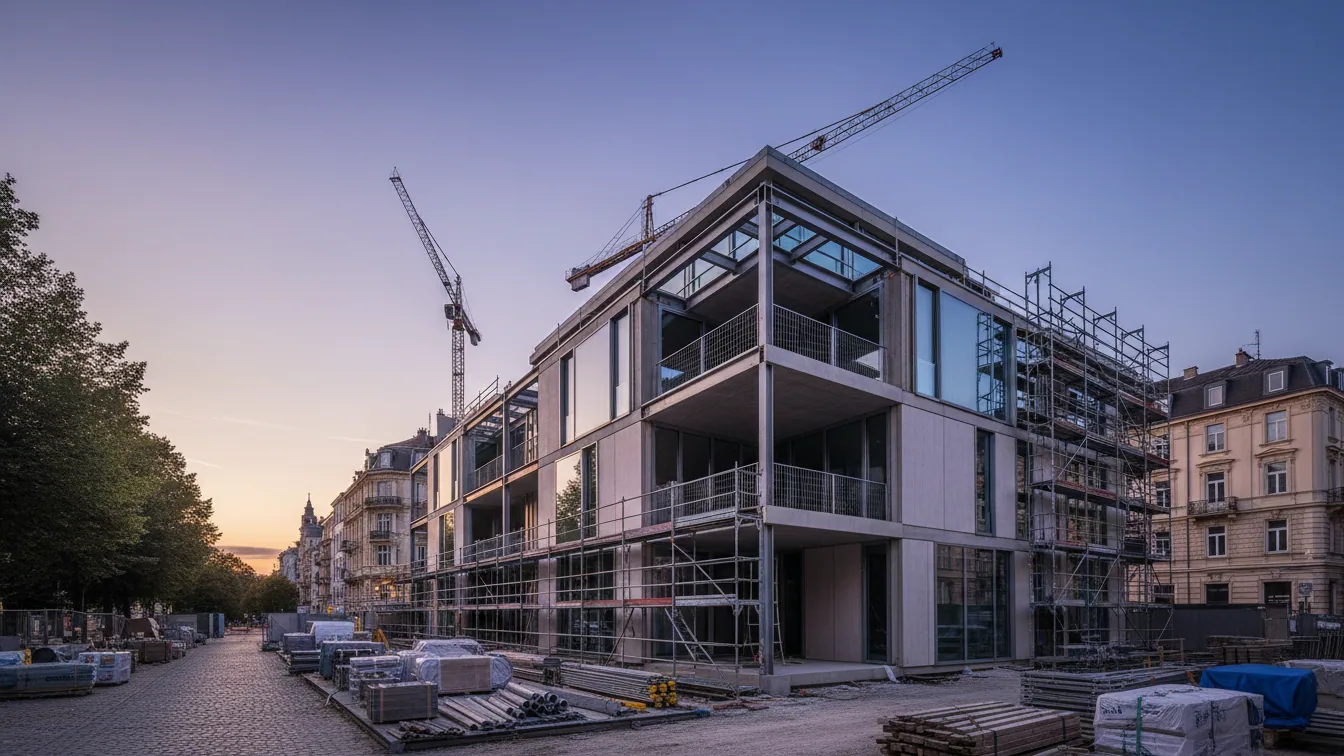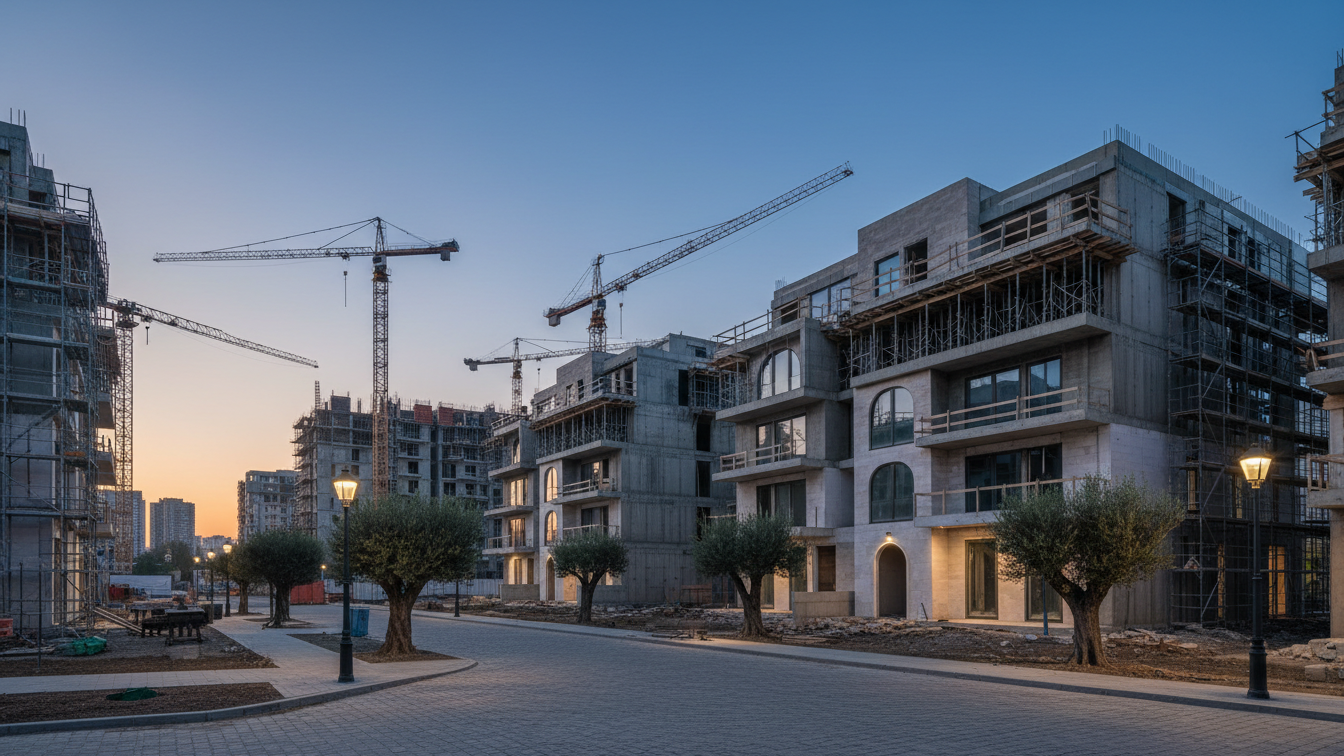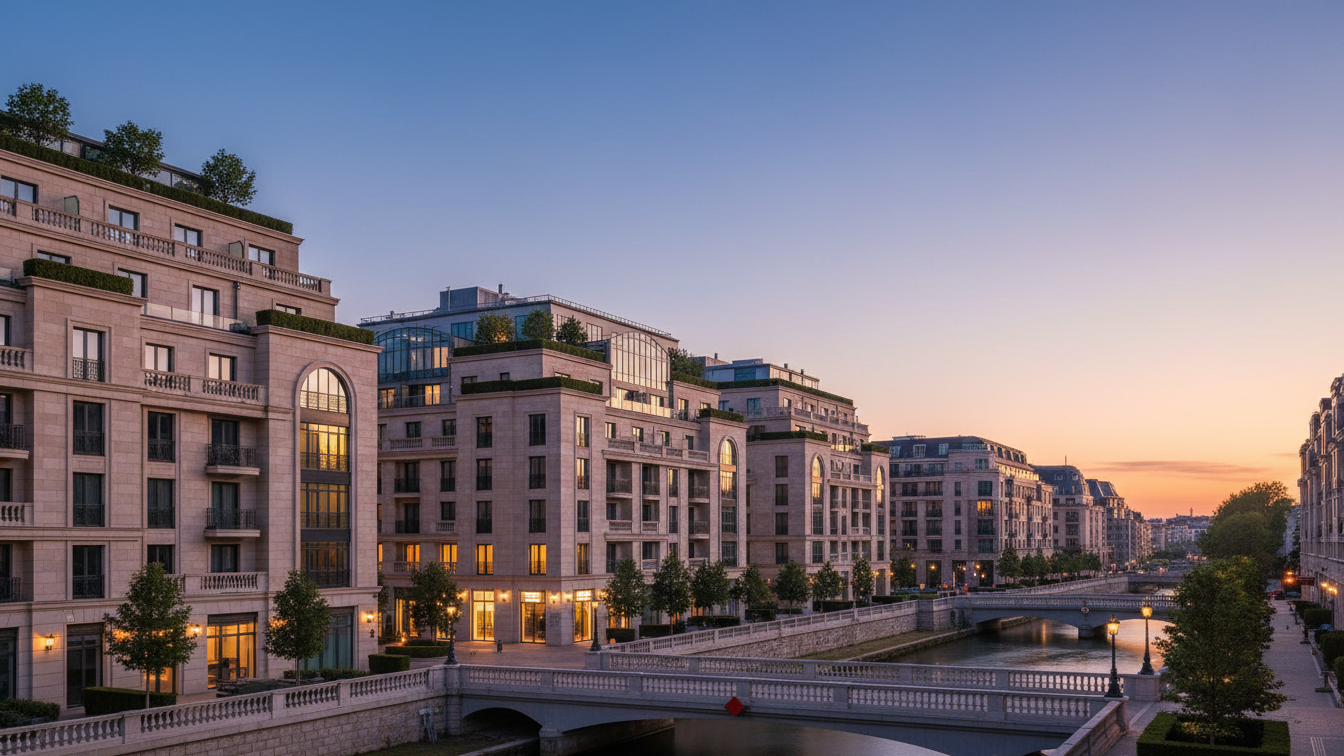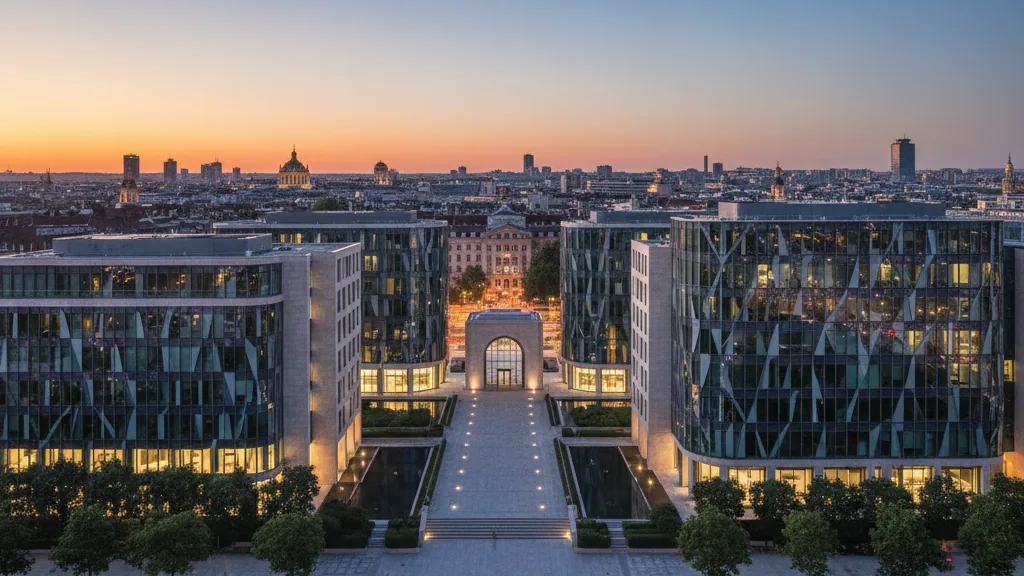
With the official groundbreaking ceremony, performed by Munich's Lord Mayor Dominik Krause, ECKPFEILER Immobilien Gruppe has initiated the second construction phase of the KIRSCHGÄRTEN project in Munich-Untermenzing. This development marks the continuation of what is claimed to be the largest district development project in Southern Germany, which is being constructed using a timber-hybrid method. The completion of the total of 384 rental apartments in this section is planned for 2028. A significantly high proportion of the living space, specifically around 60 percent, will be allocated to subsidised housing.
The financing for this construction phase is secured by a volume of 113 million EUR, provided by HypoVereinsbank – UniCredit. This comprises a combination of a Green Loan and Social Impact Financing, a financing model that represents a first of its kind for a private-sector housing project in Munich.
Focus on sustainability and community
The KIRSCHGÄRTEN project places a strong emphasis on future-proof district development, integrating aspects such as biodiversity, climate resilience, sustainable mobility and a fully regenerative energy supply. Lord Mayor Dominik Krause praised the concept as a model for sustainable district development. He stressed the importance of the equitable integration of affordable housing for low-income households and highlighted that Munich urgently needs new housing that preserves social diversity. The district is also characterised by a comprehensive sponge city concept and unsealed areas.
Professor Dr. Elisabeth Merk, Munich's Head of Urban Planning, commended the urban development concept as groundbreaking for sustainable and communal living. She highlighted that a public park for recreation and interaction would be created and described ECKPFEILER as a committed developer who acts responsibly and resource-efficiently, even under challenging economic conditions.
Developer's long-term perspective
Wolfgang Bogner, Managing Director of ECKPFEILER Immobilien Gruppe, underscored his company's long-term oriented approach. He explained that developments are fundamentally planned with the aim of being a long-term asset holder, considering the entire life cycle of a district. The goal is not primarily the number of apartments built, but the creation of a functioning and inhabited district in the long term. Bogner mentioned that despite high construction costs and changed financing conditions, efficiency is to be achieved through intelligent planning, standardisation and prefabrication.
- —Financing volume of 113 million EUR by HypoVereinsbank – UniCredit.
- —Around 42 percent of the 384 new rental apartments realised as subsidised housing.
- —District management to commence already in March 2027 with the completion of the first construction phase.
- —Planned completion of the second construction phase by 2028.
Dr. Christian Federspieler, Head of Real Estate Germany at HypoVereinsbank – UniCredit, emphasised the project's strength in combining long-term sustainability goals with a structured planning and implementation process. He highlighted that the second construction phase will create long-term affordable housing with high ecological standards for Munich.