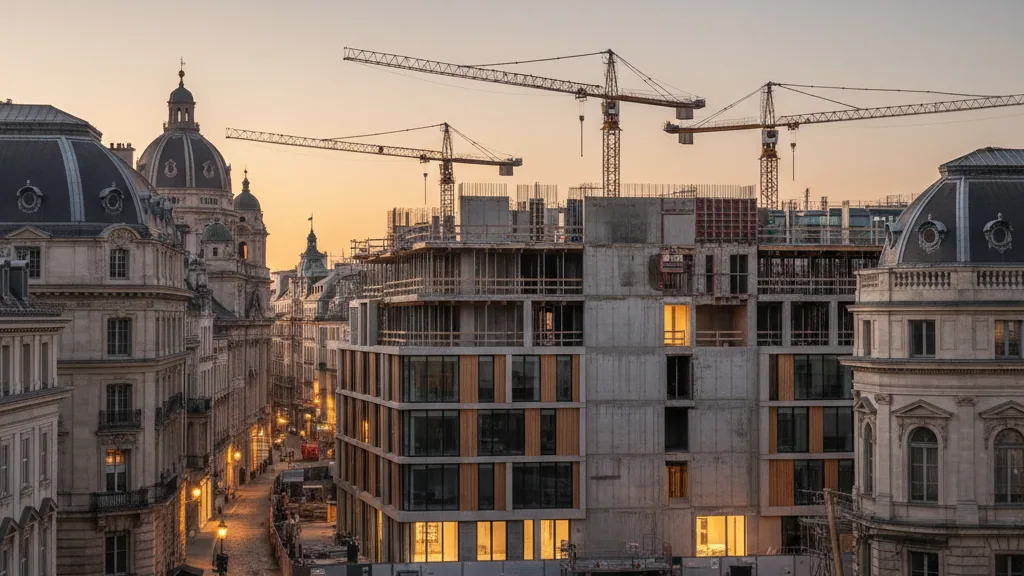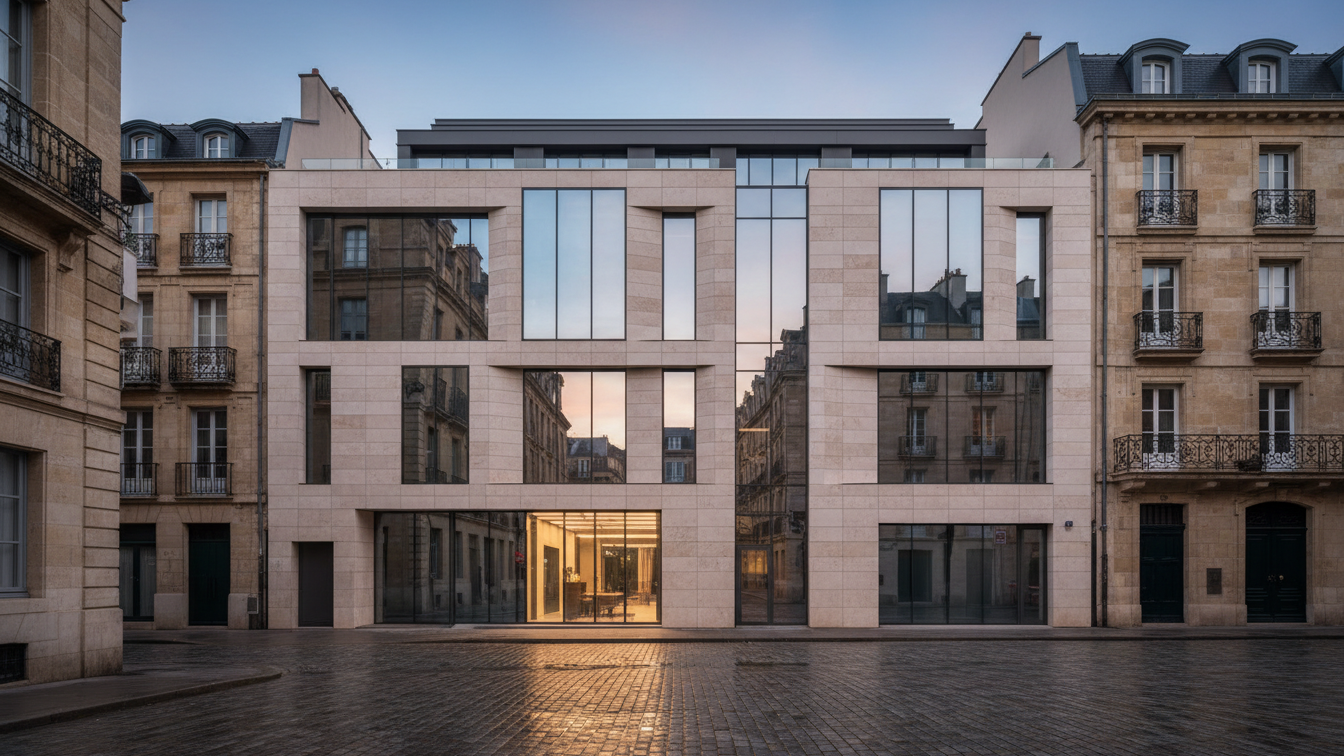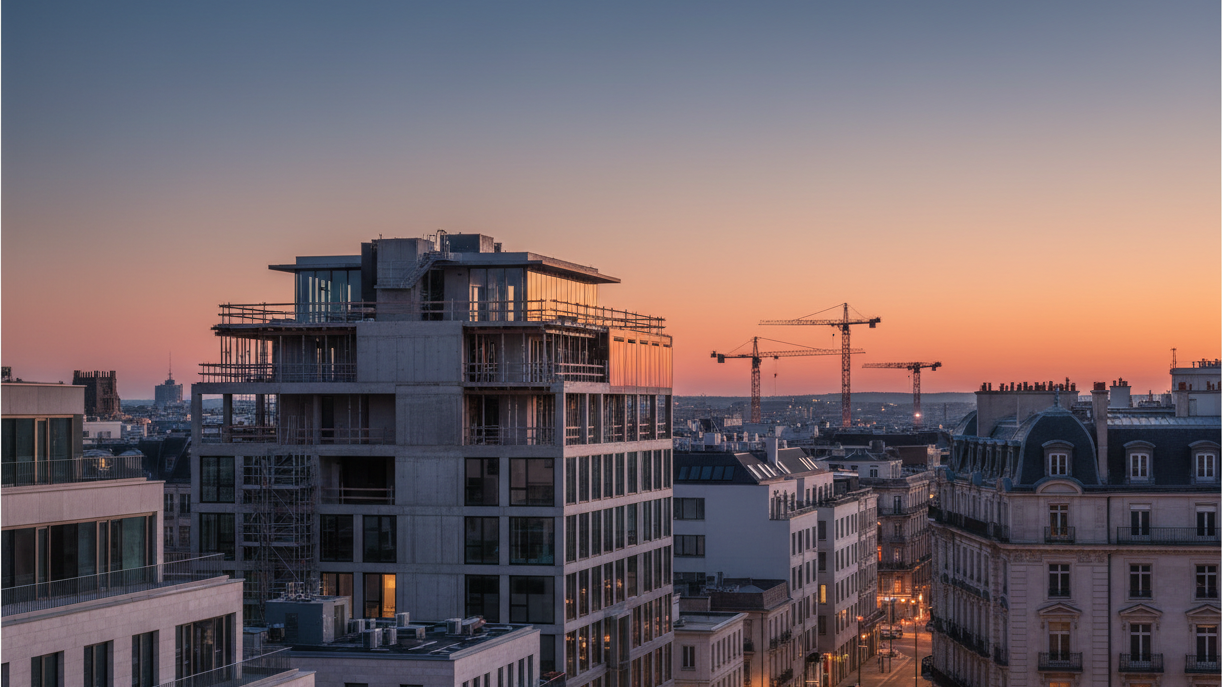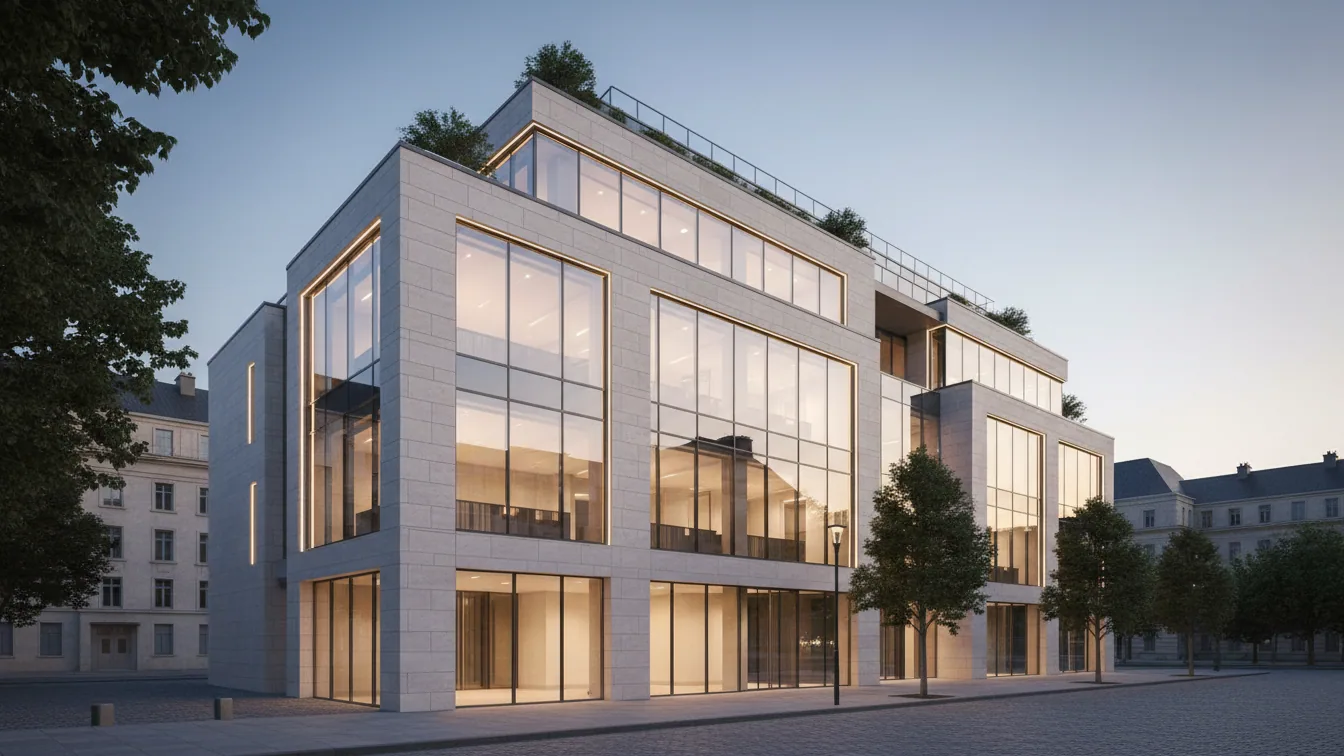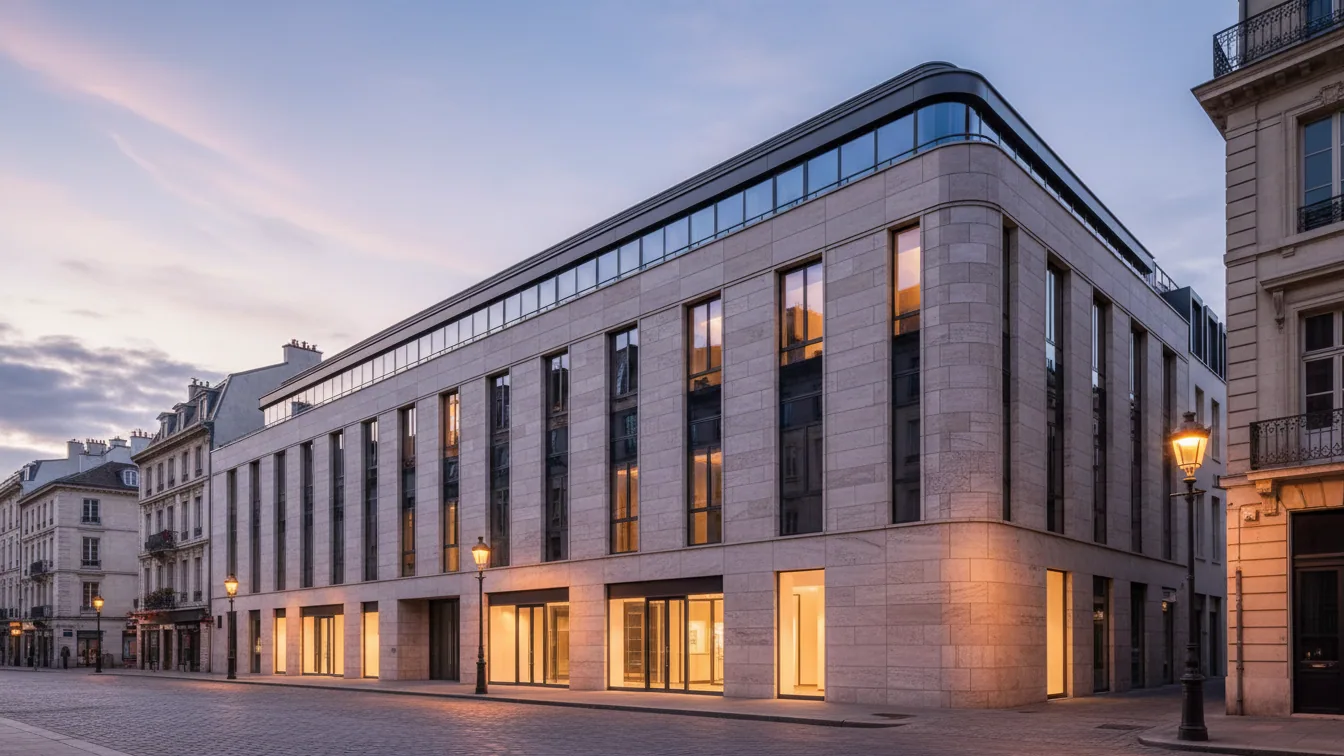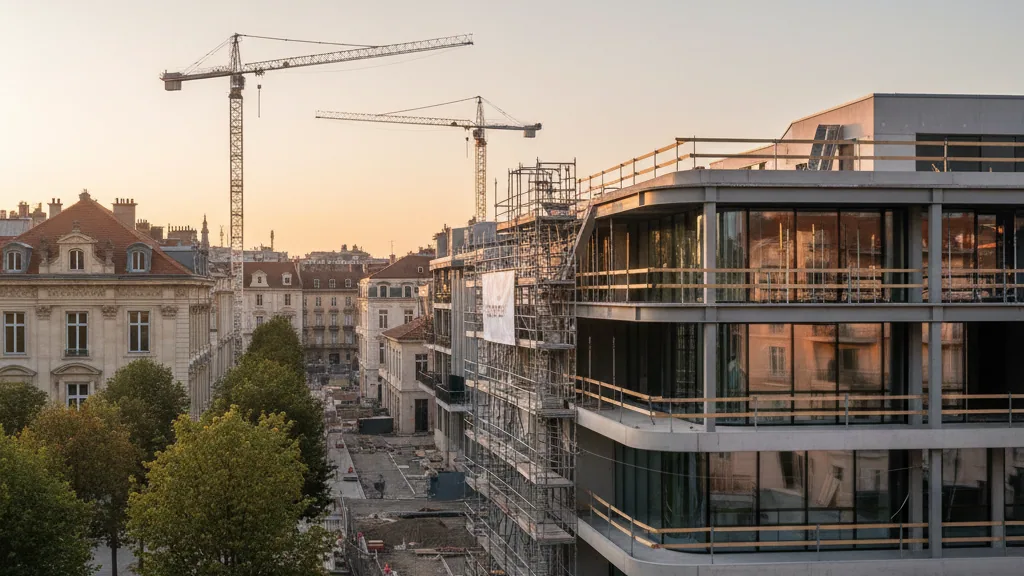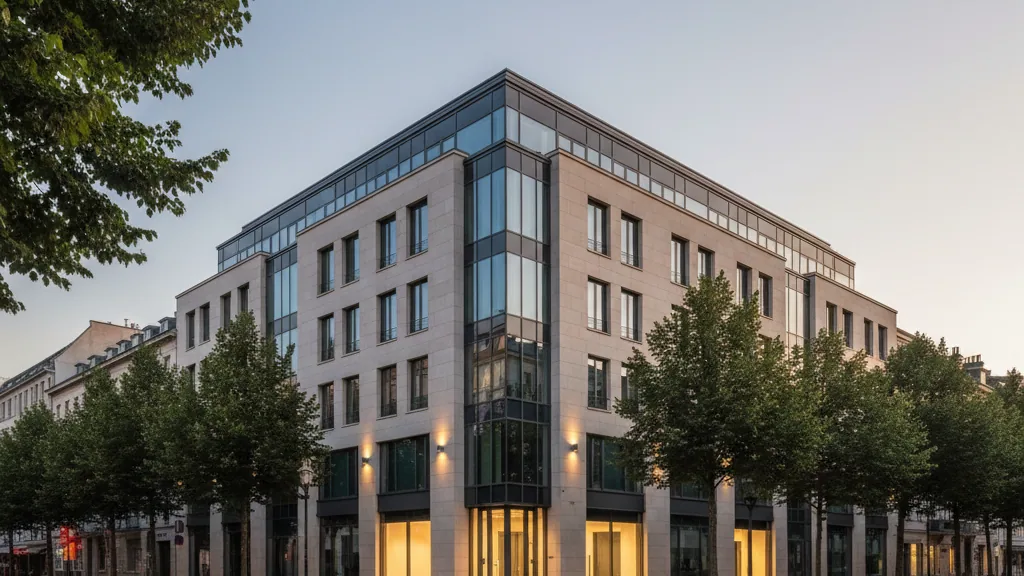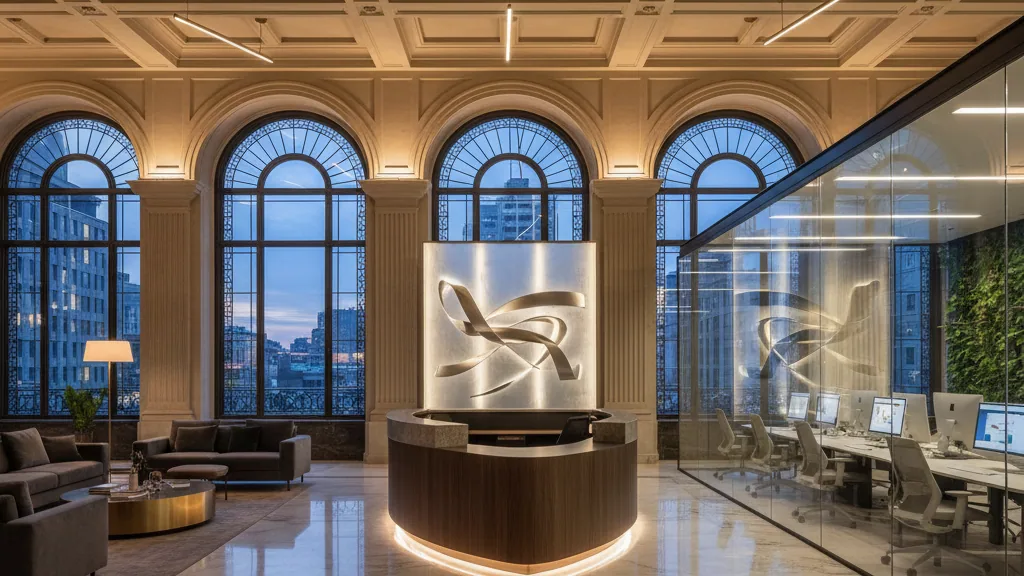
bulwiengesa and ImmoScout24 have presented a joint analysis of the German commercial real estate market in their Commercial Barometer. This is based on combining market and transaction data from bulwiengesa with supply and demand data from millions of ImmoScout24 listings. The study reveals an increasingly heterogeneous market development, differentiated by location, quality and use. Structural change here meets selective demand, which underscores the complexity of the current market situation.
The office market continues to be considered a challenging asset class by bulwiengesa. Office take-up nationwide decreased by 8 percent in 2025 to approximately 4.1 million square metres. In parallel, vacancy rates across Germany rose to 6.3 percent, while this figure reached an average of 8.4 percent in the A-cities. Despite this development, more large-scale deals were recorded again, according to the analysis. These concentrated primarily on central locations. Demand was primarily driven by service companies, banks, and the manufacturing industry. It is noteworthy that prime rents continue to rise despite increasing vacancies.
Quality and Location as Decisive Factors
This trend is interpreted as a “flight to quality and location”. Modern, ESG-compliant office spaces in good locations remain sought after, while older existing properties are increasingly coming under pressure. ImmoScout24 data confirms this development: the supply of office space has increased by around 38 percent since 2022. At the same time, demand per listing is declining in both the top 7 cities and other regions. Oliver Rohr, Head of Consulting at bulwiengesa, explains that the office market is in a phase of structural reorientation and is not facing a classic downturn. The rising vacancies primarily indicate a quality problem. He described high-quality properties in good locations as consistently in demand and as a driving force for rent development.
Potential and Limits of Repurposing
With increasing vacancies, repurposing concepts are gaining importance. In the A-cities alone, according to the analysis, 7.1 million square metres of office space are vacant, which could represent significant theoretical potential for alternative uses, for example for residential space. However, practical implementation is limited by high costs, building law hurdles, and unsuitable building structures. In addition to conversion into residential space, other forms of use are also becoming more relevant, including educational institutions, public uses, or boarding house concepts. Initial projects show that these approaches can contribute to the revitalisation of older stock.
- —In 2025, almost 60 percent of repurposed office spaces in the A-cities were converted into rental and owner-occupied flats.
- —The remaining share was predominantly accounted for by commercial apartment concepts.
- —For 2026, bulwiengesa expects a significant increase in other forms of use, such as schools or clinics, which previously played a subordinate role.
Overall, the office market shows increasing polarisation: on the one hand, modern, highly sought-after premium spaces in urban locations, and on the other hand, existing properties that are under growing pressure and require new usage concepts.