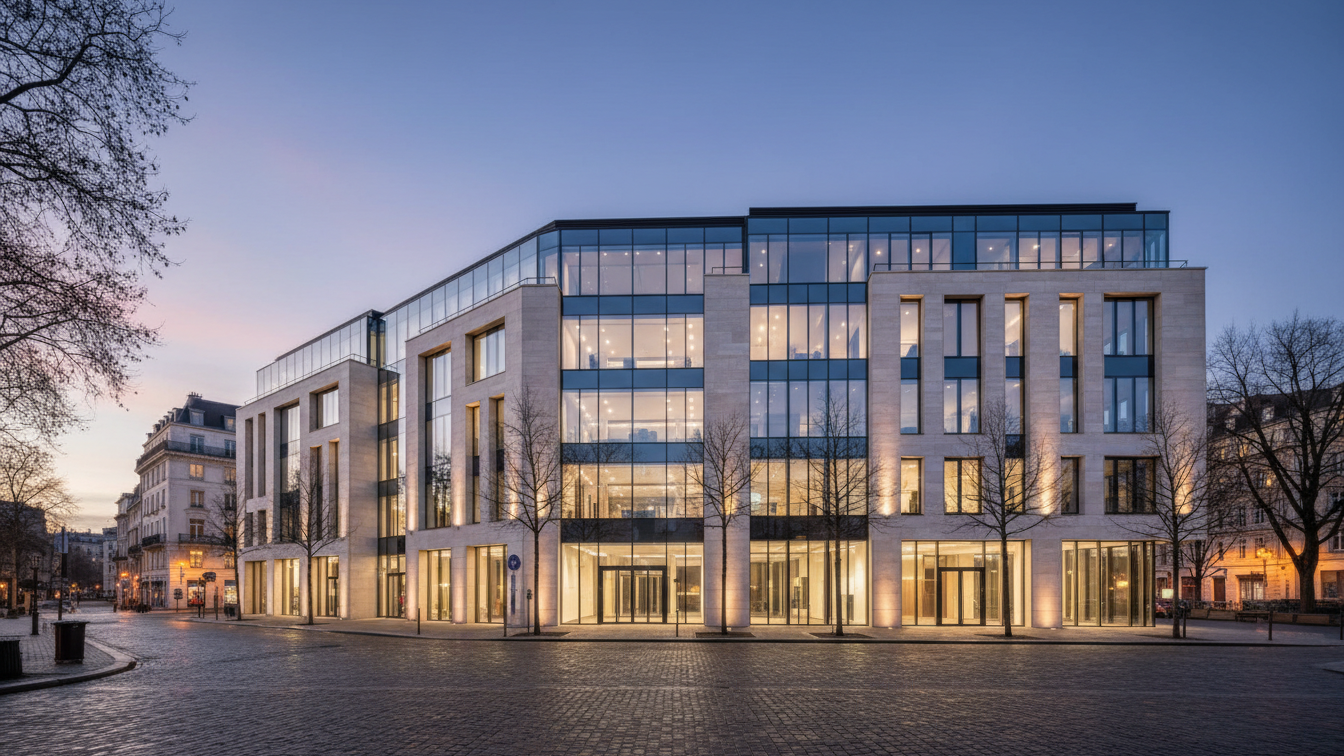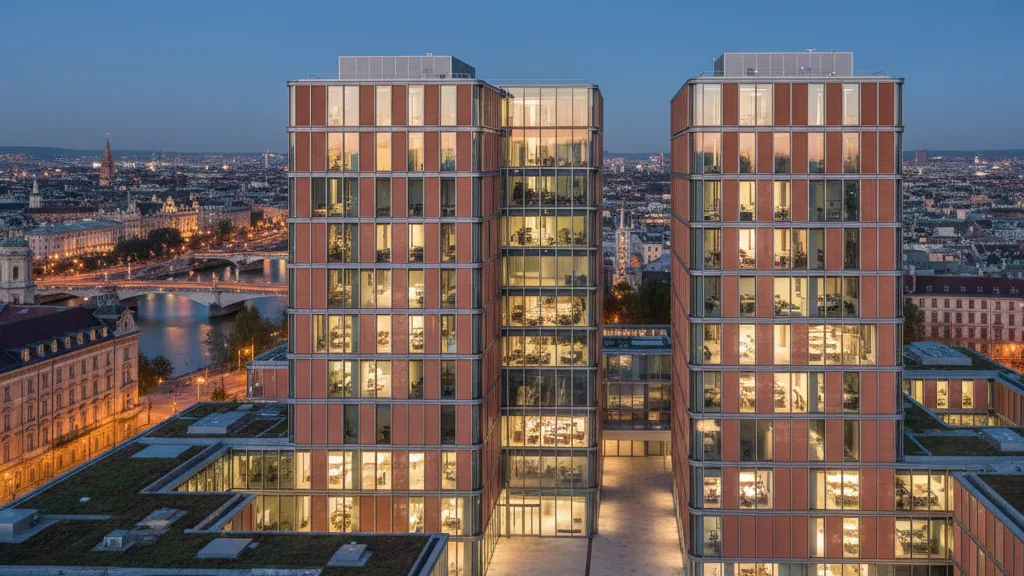
The German real estate investment market is continuing its recovery, exceeding expectations regarding transaction volumes in the first half of 2026. This result is based on the new DAVE Market Report 2026/2027, presented by the Deutsche Anlage-Immobilien Verbund (DAVE) at Expo Real 2026. The revitalisation extends across most asset classes and cities, with the level of the previous year's period being surpassed in many areas. This development is particularly pronounced in residential properties, although initial signs of a selective trend reversal are also discernible in the office, hotel, and retail segments.
René Husfeldt, Managing Director of DAVE, emphasised that the market is moving again, but a return to the conditions before the interest rate turnaround is not expected. Investors are more active, yet they scrutinise their decisions more precisely. Investment criteria therefore include location, building quality, energy efficiency, development potential, and a reliable income perspective. To this end, the report analyses market data and assessments from DAVE partners for 22 German and three Austrian real estate locations, and includes data on residential rents, purchase price factors, office markets, and yield maps.
Residential Properties as a Central Factor
The residential investment market is proving particularly robust. Rising net rents are expected for almost all examined regions in Germany and Austria. This is primarily due to scarce supply, high demand, and continued low new construction activity. Simultaneously, higher financing costs compared to the low-interest phase make it difficult for many households to acquire residential property, which further increases pressure on the rental housing markets. For investors, multi-family homes and residential complexes with development potential are increasingly coming into focus. Here, modernisation and refurbishment measures open up opportunities to improve long-term lettability and value appreciation.
Husfeldt highlighted that residential property currently functions as an anchor of stability in the real estate market. The crucial question for investors is no longer just the choice of city, but the identification of properties with genuine future potential within the respective market. This underscores the growing importance of local market knowledge, as evidenced by the report's regional analyses. Selectivity is also observed in the office market: modern, energy-efficient spaces in central locations are experiencing high demand, while older properties in peripheral locations are increasingly coming under pressure. The future viability of the individual building thus becomes the decisive investment criterion.
A differentiated picture also emerges in other commercial asset classes. Logistics properties were relatively unaffected by price corrections in recent years due to their stable demand. In the retail segment, spaces with supermarkets as anchor tenants, in particular, continue to generate attractive returns. While the German market is stabilising, Austria shows a time lag in development. There, transaction volumes continued to decline compared to 2025 for both residential and commercial properties. However, initial stabilisation tendencies are also visible in local markets there, such as in Linz, although these have been hampered by opposing factors since early 2026. High-quality properties in central locations remain scarce and maintain their price levels.
New Investment Phase and Opportunities
DAVE interprets the current market development as the beginning of a new investment phase, which differs from old market mechanisms. Investors have adjusted to the higher interest rate level after a largely completed price discovery. Family offices with high equity capital and institutional investors are increasingly active again. At the same time, financing conditions are more demanding, and acquisition decisions are scrutinised more intensely. Husfeldt summarises that the time for indiscriminate investing is over. He sees opportunities in very diverse markets, where identifying these potentials at the property and micro-level is crucial. A comprehensive consideration of return, risk, financing, and future usability is necessary for today's investment decisions and simultaneously represents an opportunity in the current market.