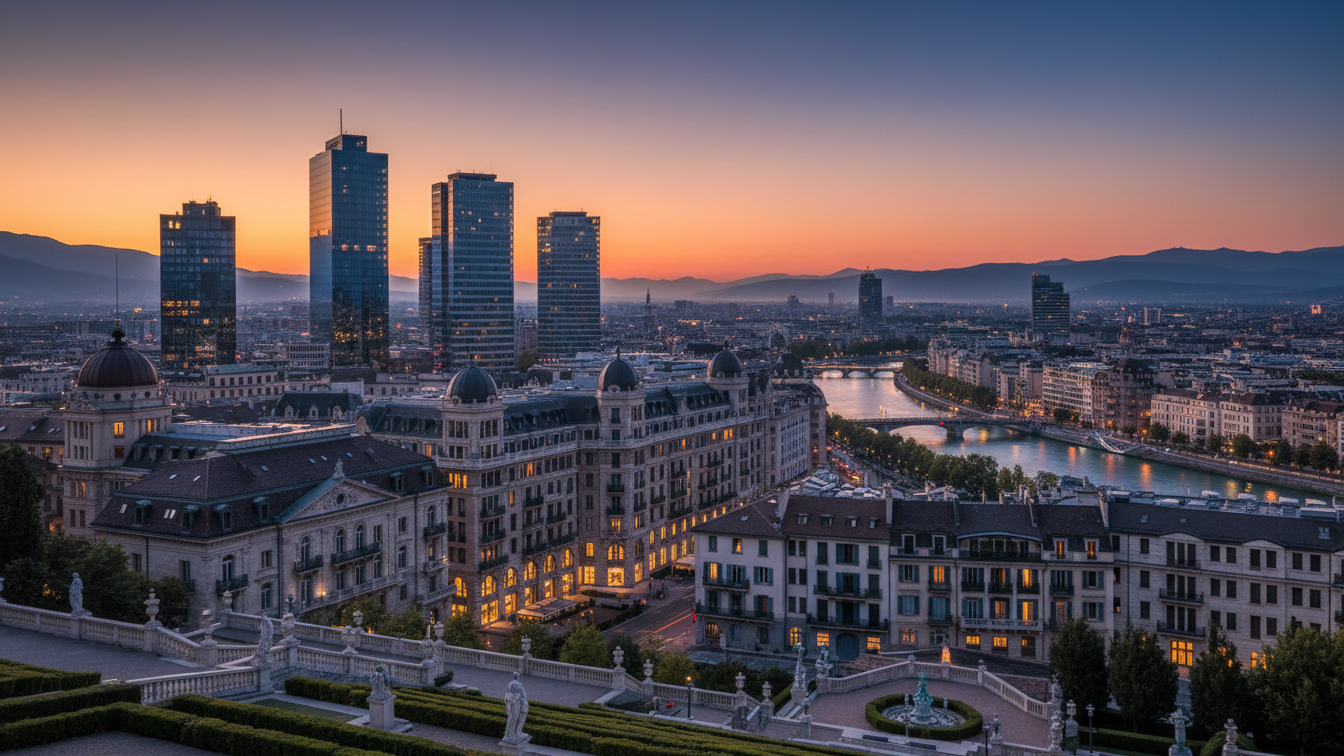
The Hamburg office letting market continued to display subdued dynamics in the third quarter of 2026. With a take-up of approximately 84,000 m², the quarterly result was below the average level. In the first nine months of the year, a total of around 270,000 m² of office space was let or used for owner-occupation. This represents a reduction in take-up of 13.7% compared to the same period last year.
Nils Larsen, Head of Office Letting Hamburg at Grossmann & Berger Immobilien, a member of German Property Partners (GPP), pointed out that the current phase of economic weakness is noticeable in the Hamburg office market. He explained that many companies are pursuing a cautious strategy, scrutinising decisions regarding their space utilisation more intensely, and requiring longer periods for letting processes. Simultaneously, the option of extending existing leases is gaining significance over relocation.
Development of supply and qualitative requirements
The subdued demand was accompanied by a further increase in the available office space supply. At the end of the third quarter, approximately 1.05 million m² of space was available, representing an increase of 11.2% year-on-year. Although the increase in supply has slowed down somewhat compared to the previous quarter, a further rise in the vacancy rate is expected in the coming months.
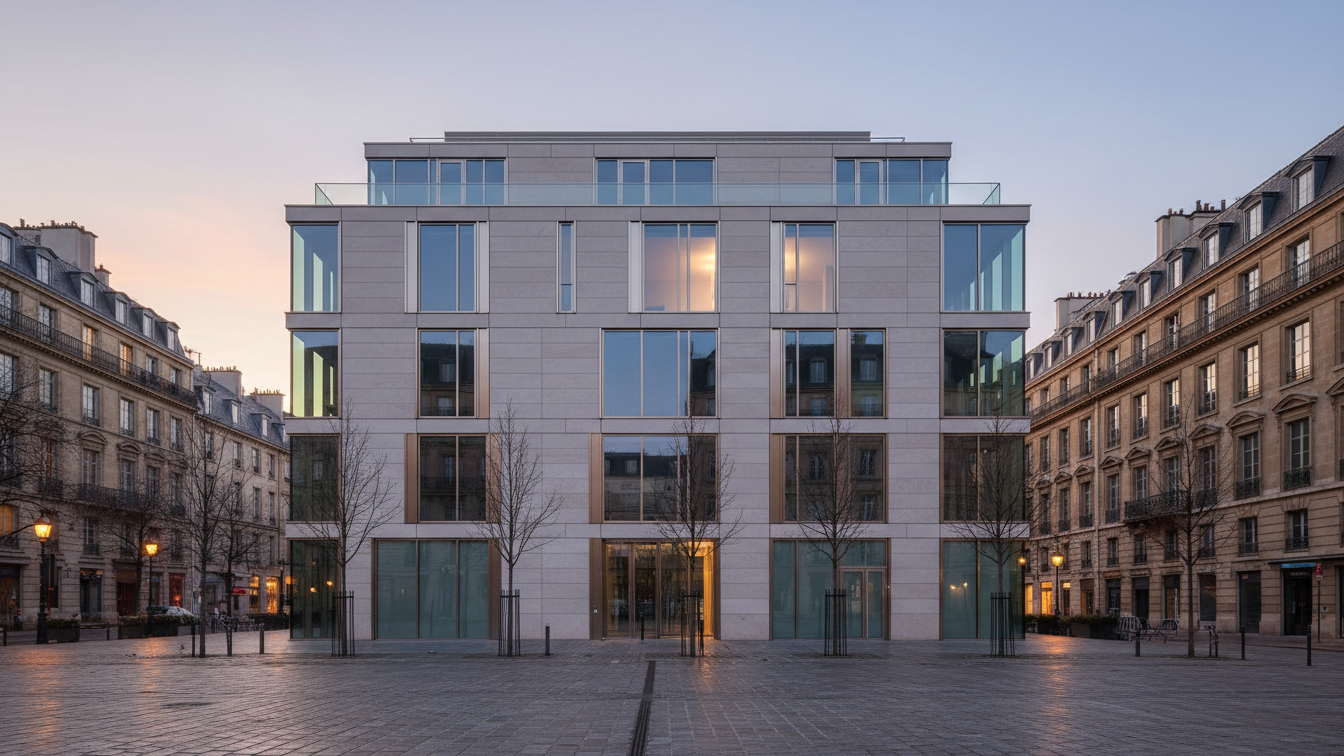
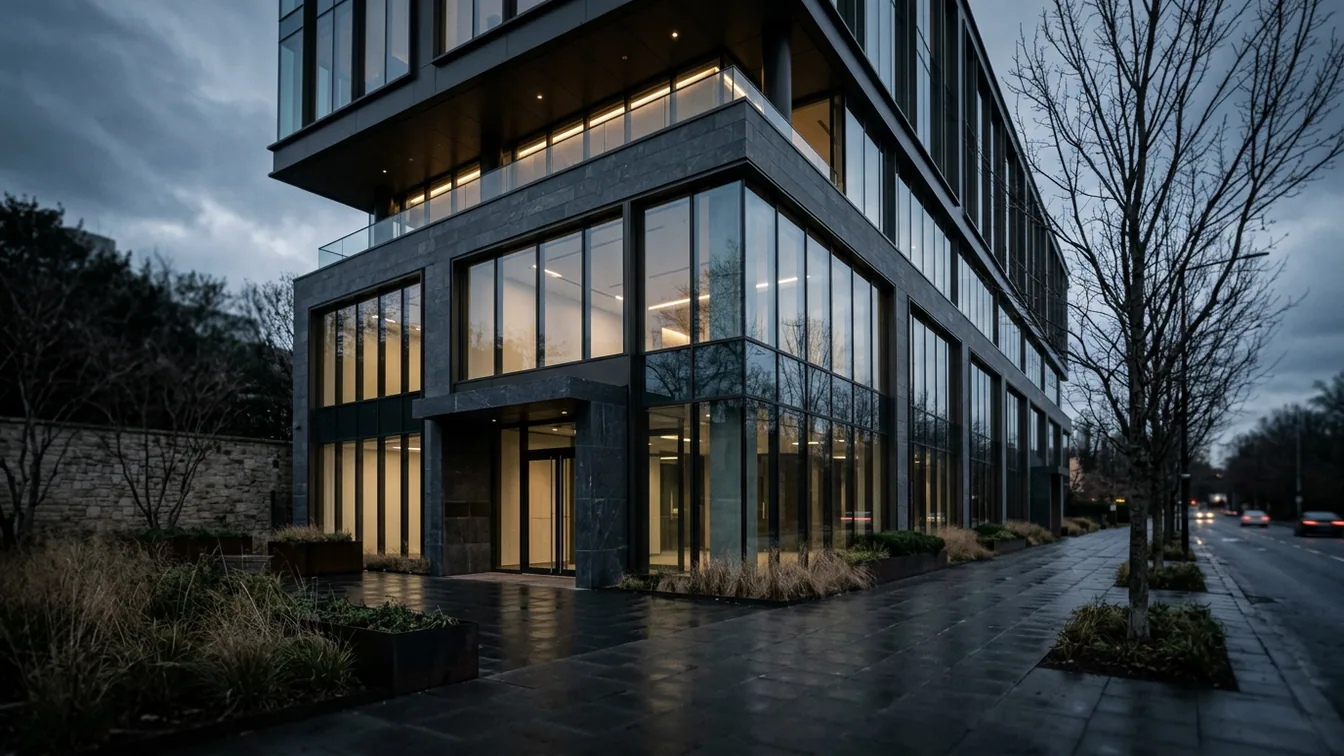
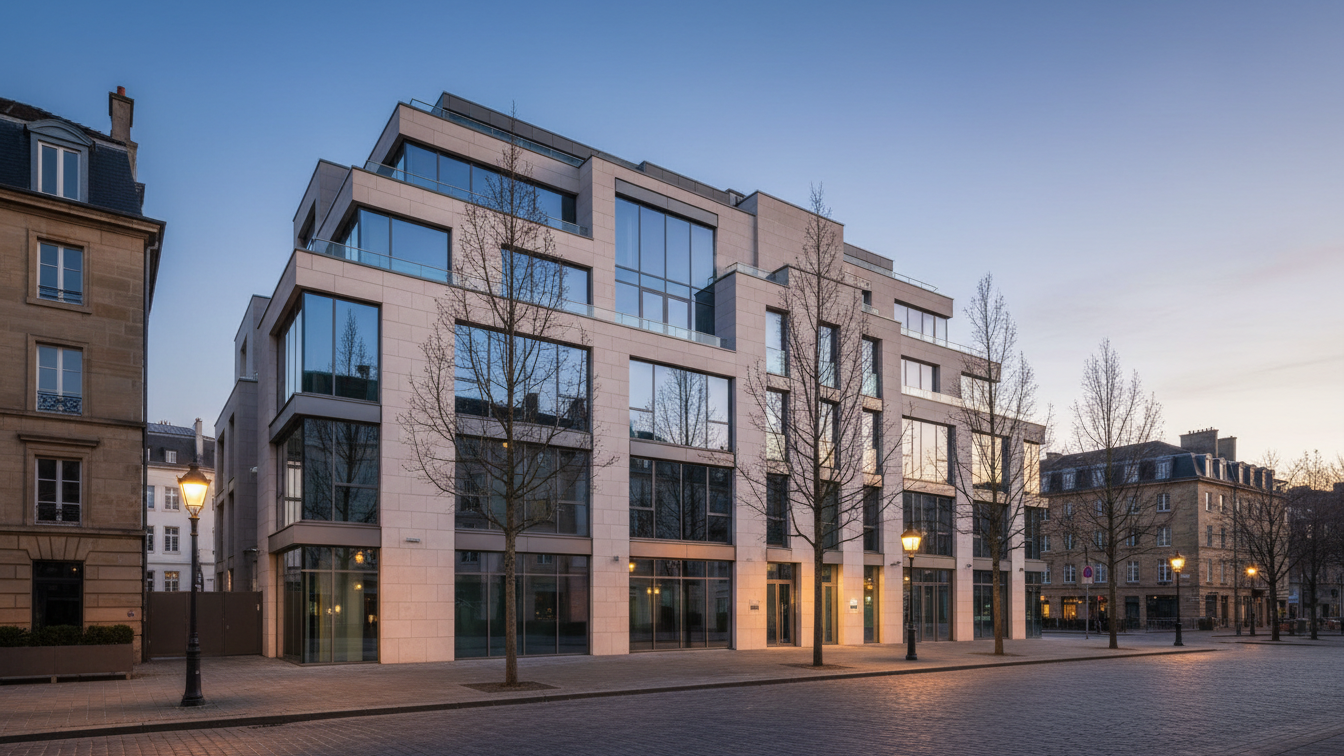
Mr Larsen also emphasised that with the growing supply of space, the question of the future of older office buildings is increasingly being raised. These often no longer meet the current requirements of users. Investments in building quality and fit-out, as well as viable concepts for alternative uses, are therefore gaining in relevance.
Outlook for the year-end and long-term perspectives
For the fourth quarter, potential for a slight recovery in letting activity is foreseen. Nevertheless, Grossmann & Berger forecasts office space take-up of less than 400,000 m² for the full year. A sustainable recovery of the market is primarily linked to a more stable economic development. Mr Larsen expressed the expectation that with a gradual improvement in general conditions, demand for modern, high-quality, and well-connected office spaces will also regain strength in the long term.