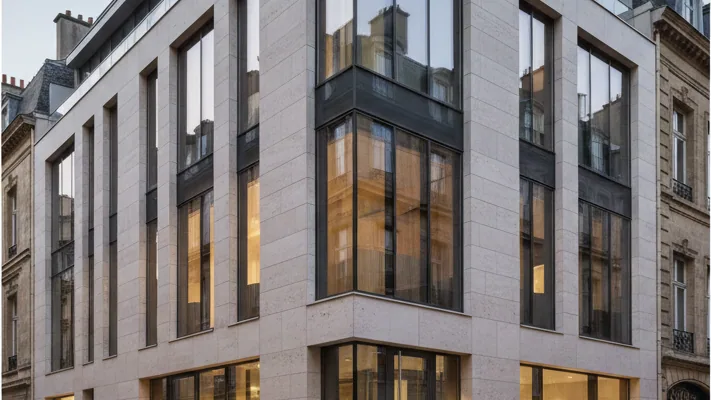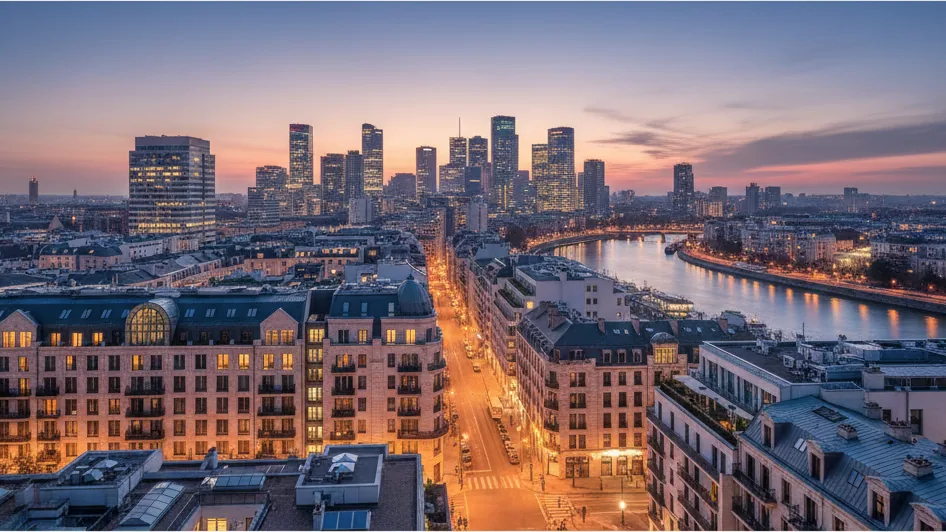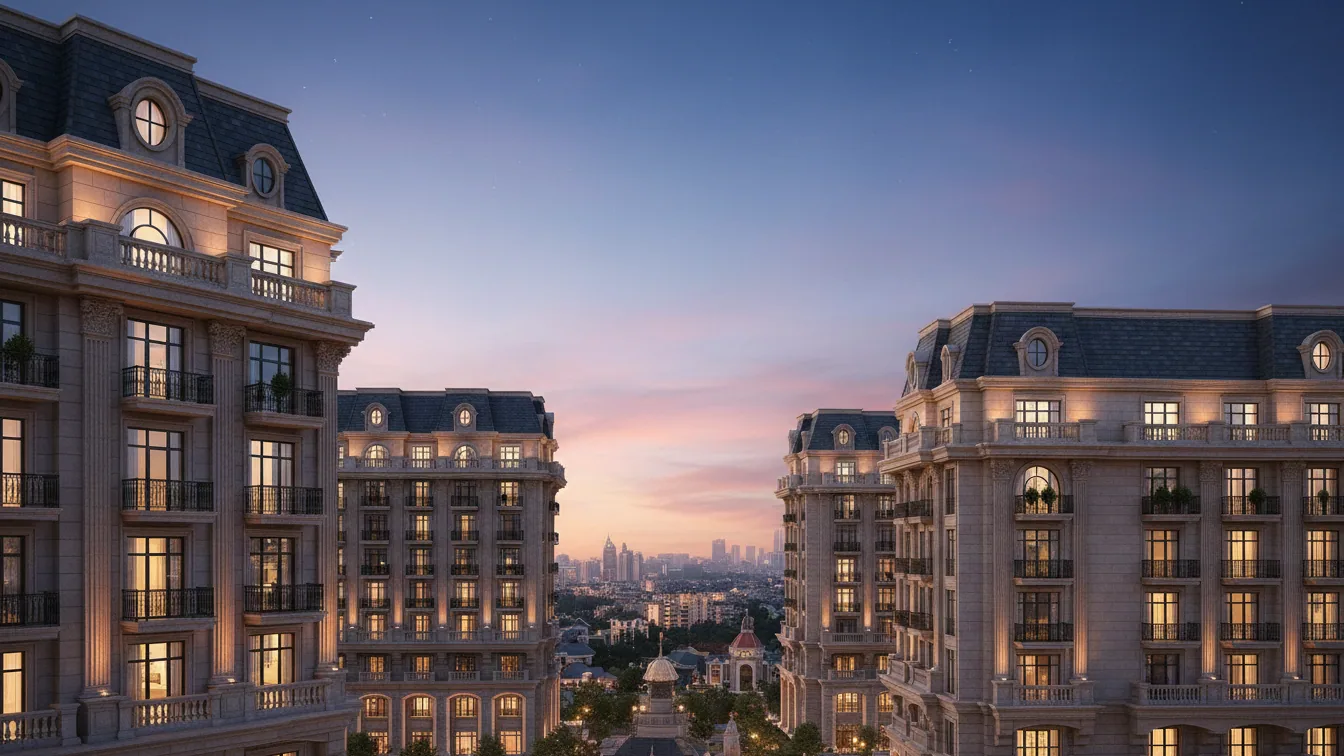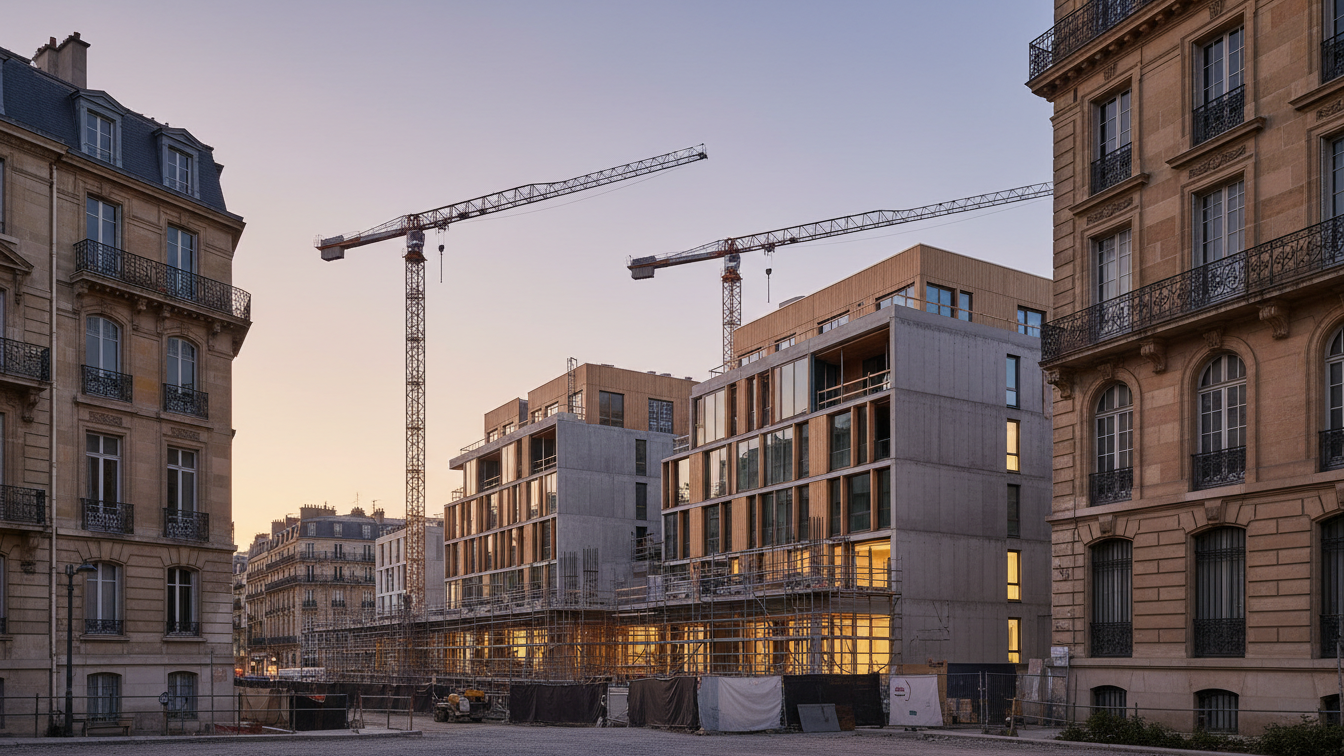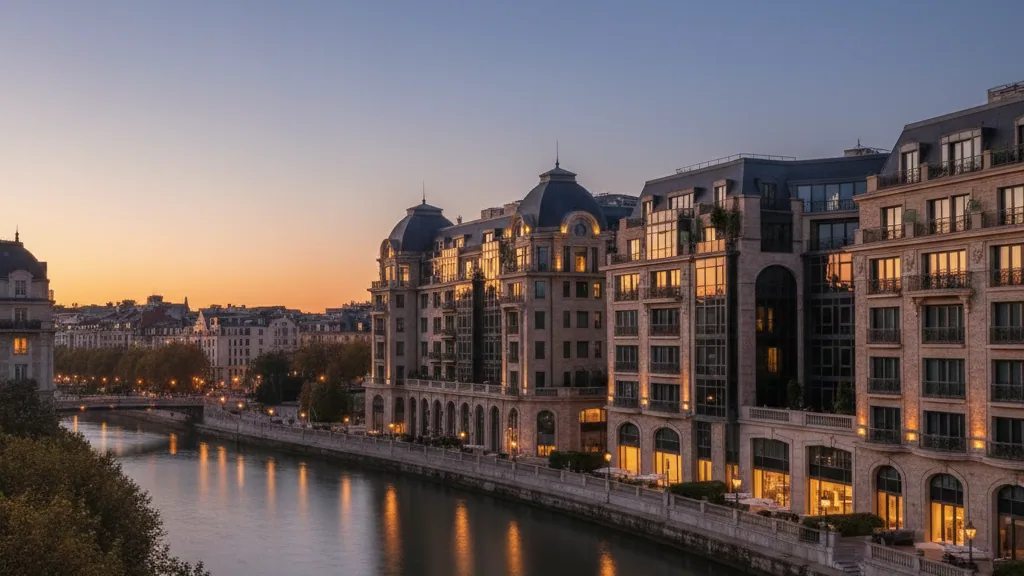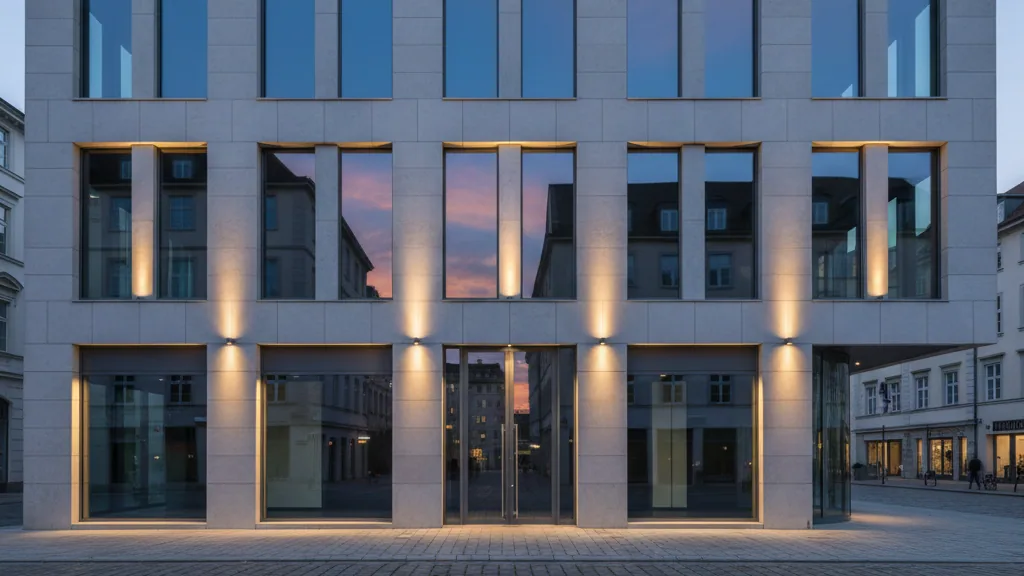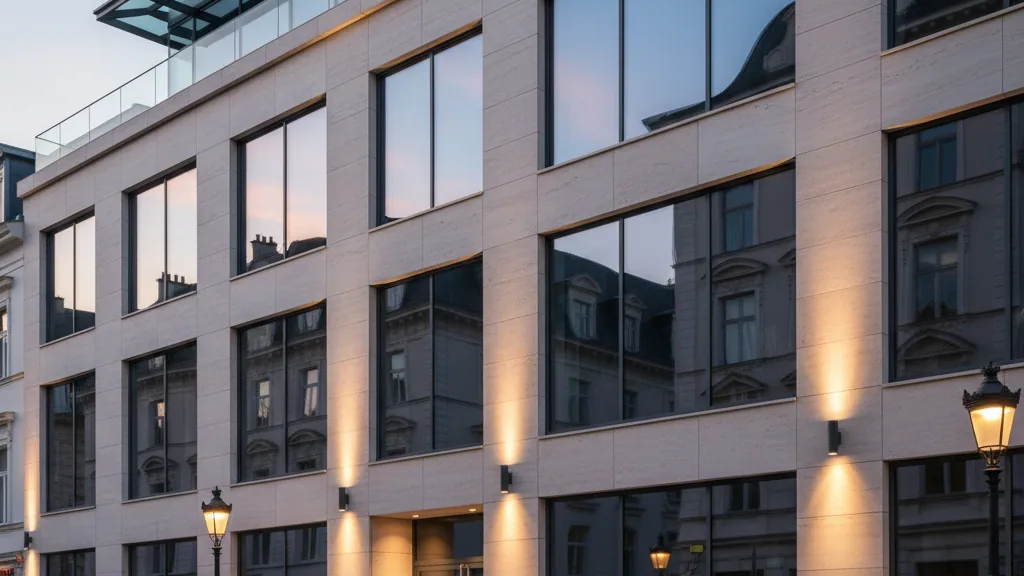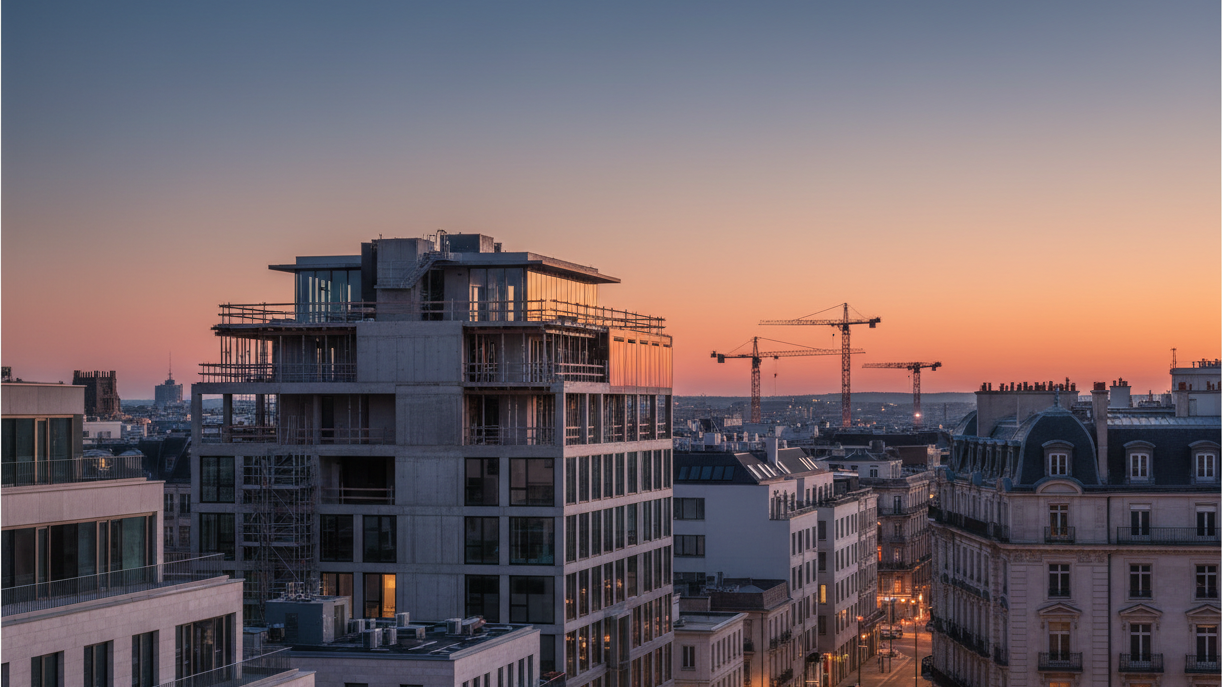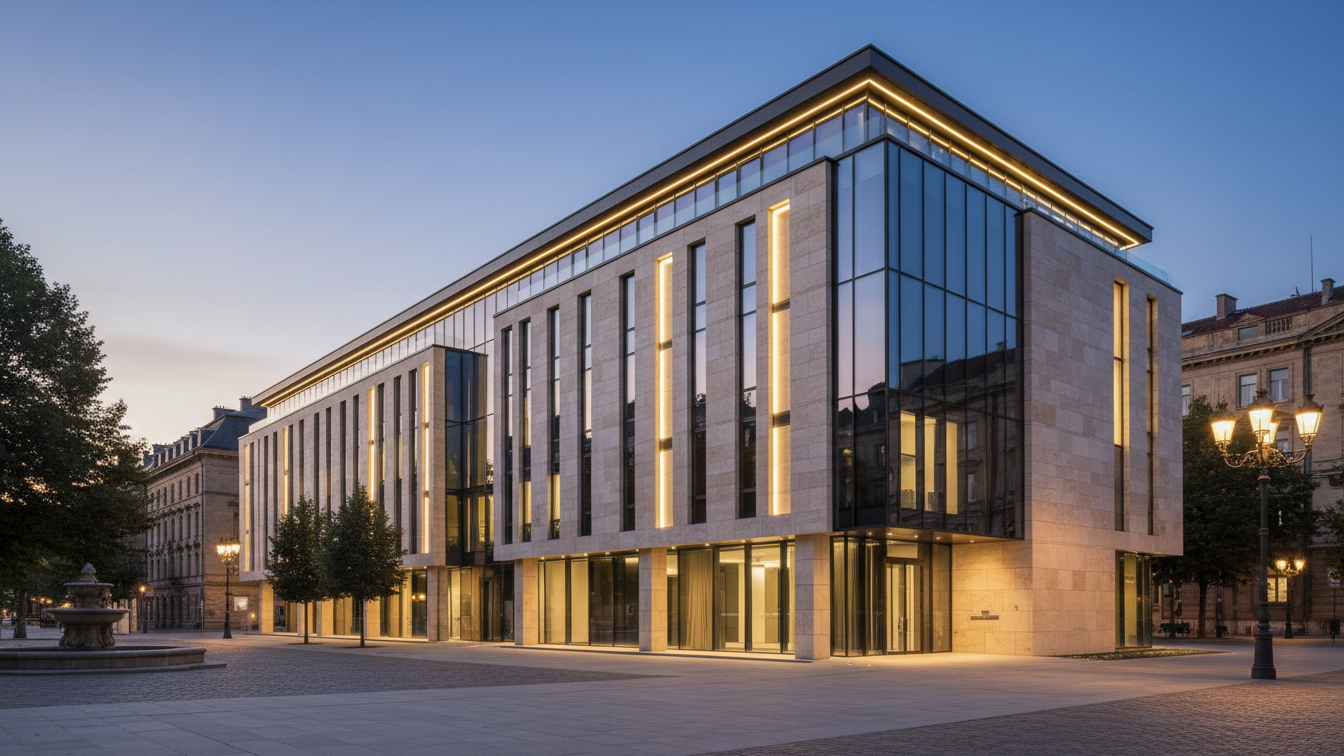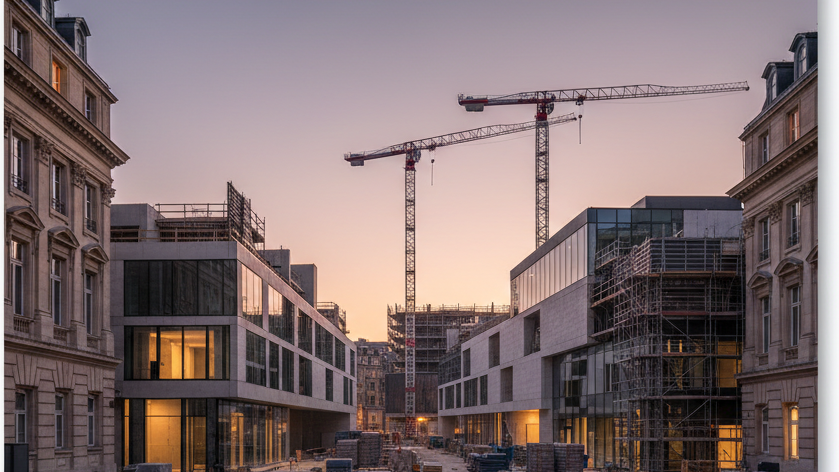
The official handover of keys at GESOcampus Quartier Alt-Wittenau took place on 7th September. Attendees included Christian Gaebler, Senator for Urban Development, Building and Housing, and District Mayor Emine Demirbüken-Wegner. This event marks significant progress in the realisation of the project, which involves a comprehensive transformation of the former freight yard in Berlin-Wittenau. The participation of high-ranking political representatives underscores the urban planning relevance of this undertaking for the development of northern Berlin.
GESOcampus Quartier Alt-Wittenau is located on the site of the former freight yard. The development aims to create a mixed-use district that integrates living, working, and social infrastructure. The planning encompasses various types of use to generate a vibrant and sustainable environment. The conversion of former industrial or railway brownfield sites into modern urban districts is a recurring theme in Berlin's urban development, which is being exemplarily implemented here.
Project Scope and Orientation
The design of the GESOcampus Quartier is based on an integrative concept. The aim is not only to create new residential areas but also workplaces and facilities to cover daily needs. This diversification of use is a crucial factor for the resilience and attractiveness of a new urban district. The realisation is taking place in several phases, with the current handover of keys concerning one of the initial construction sections, which can now be brought into operation.
- —Located on the former freight yard site in Berlin-Wittenau
- —Development of a mixed-use district
- —Integration of living, working, and social facilities
Significance for Urban Development
The development of GESOcampus Quartier Alt-Wittenau significantly contributes to meeting the demand for modern housing and commercial space in Berlin. The involvement of local politicians, represented by Senator Christian Gaebler and District Mayor Emine Demirbüken-Wegner, signals close coordination between project developers and the city administration. Such cooperations are fundamental for the successful implementation of complex urban construction projects that must meet both economic and social requirements. The project is intended to make a sustainable contribution to strengthening the district's infrastructure and provide new impetus for the regional economy.
The completion of this section is a sign of the continuous expansion of Berlin's infrastructure. The transformation of brownfield sites into liveable urban areas is a central concern of urban development to accommodate Berlin's growth. GESOcampus Alt-Wittenau illustrates these aspirations and serves as a reference for similar projects in the capital region. The continuous implementation of planning objectives will be relevant in the coming years.