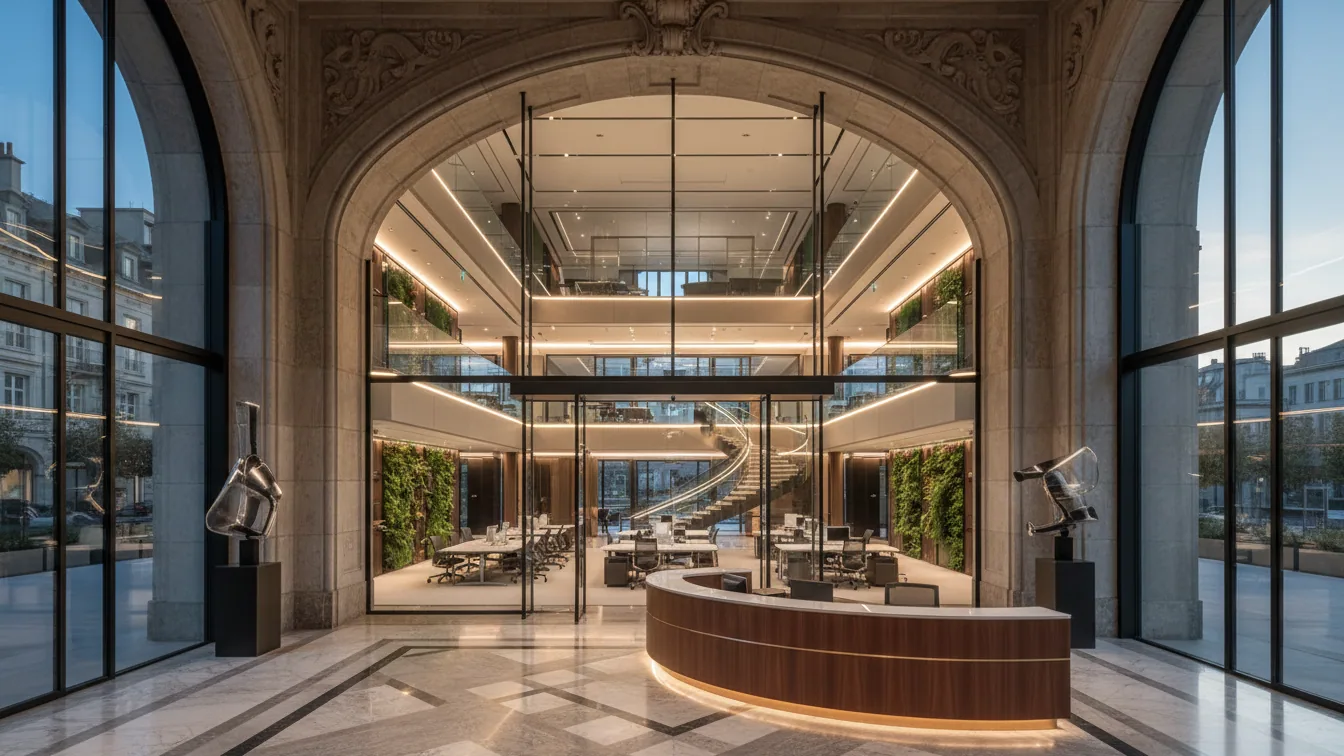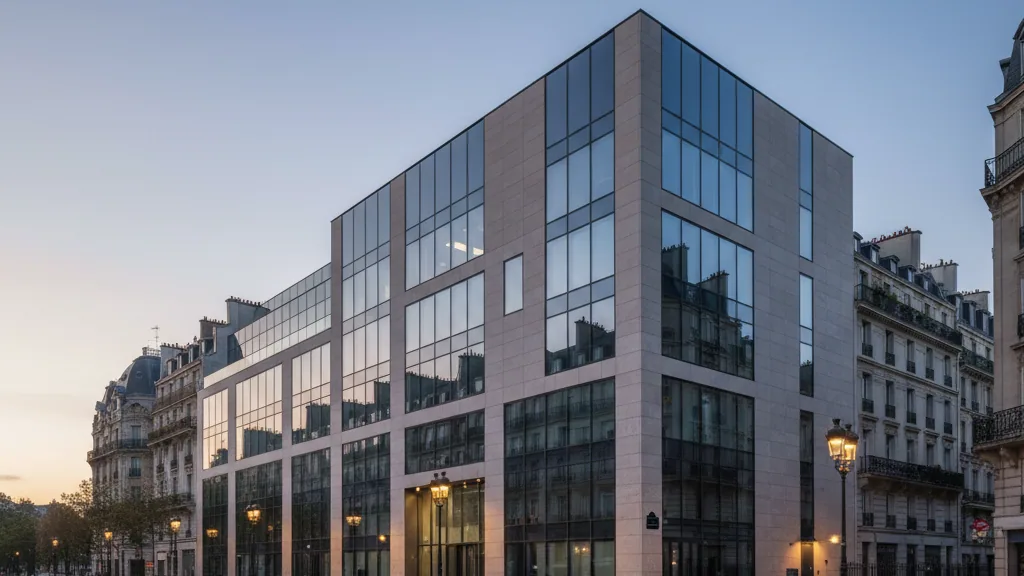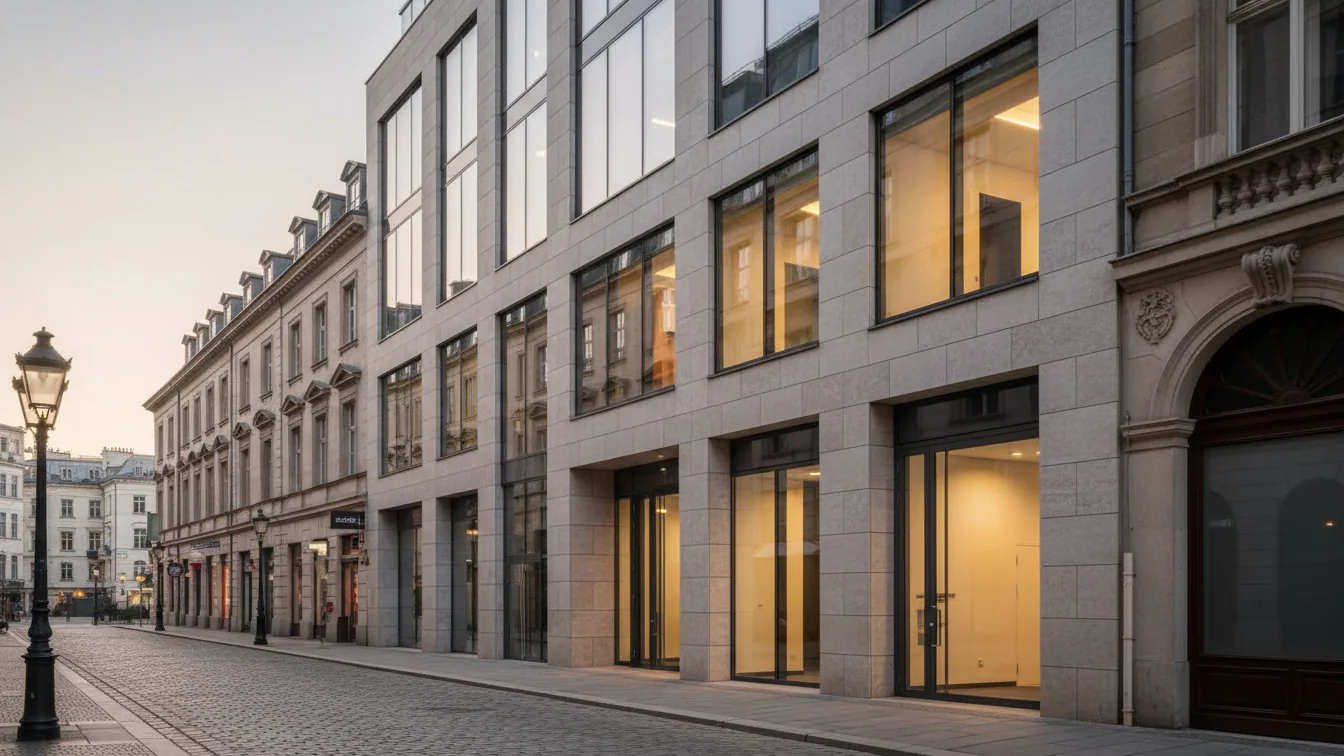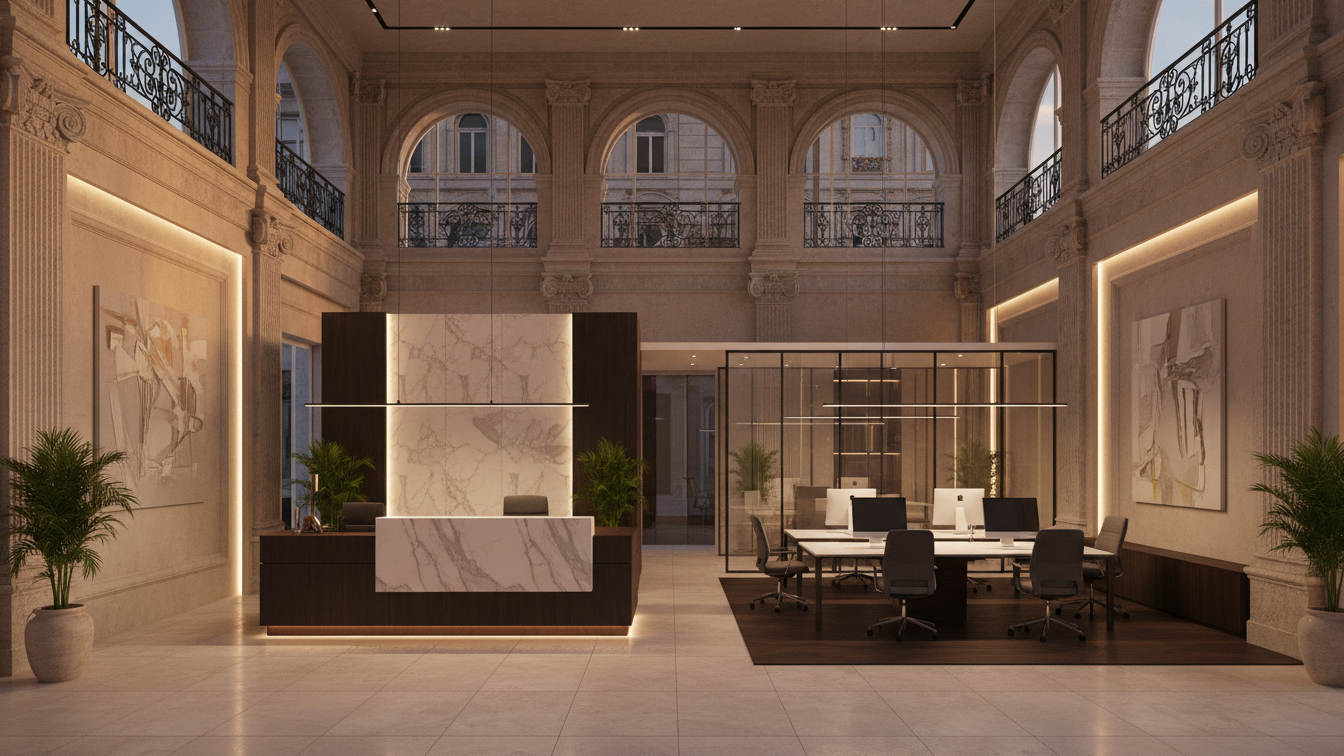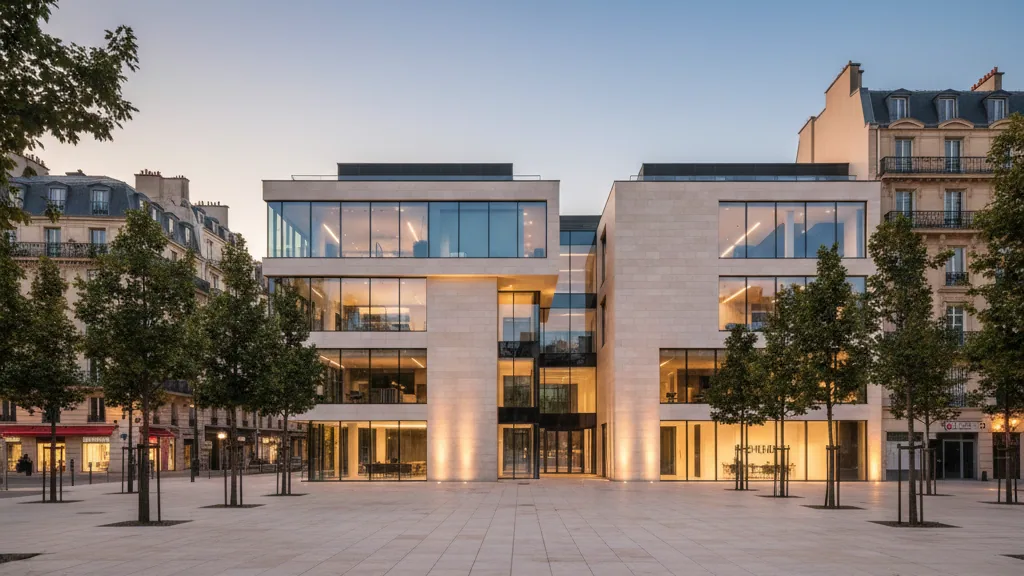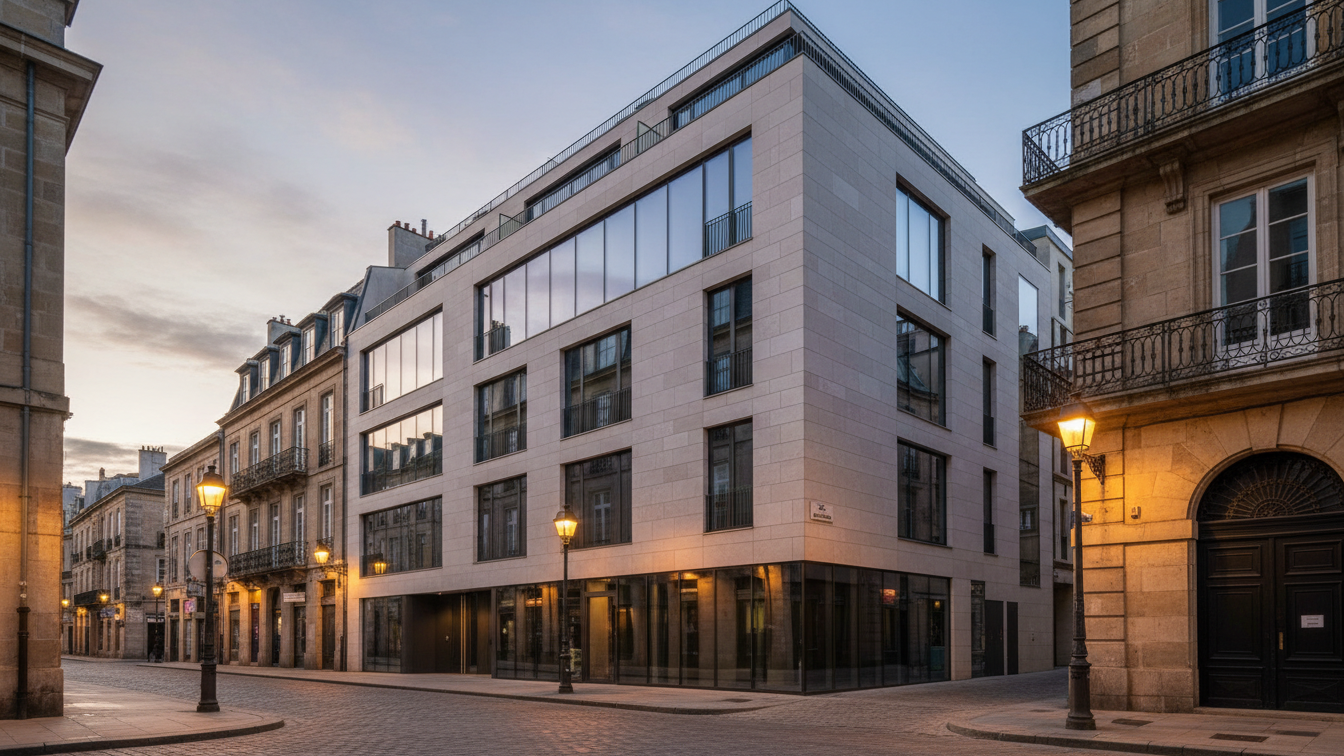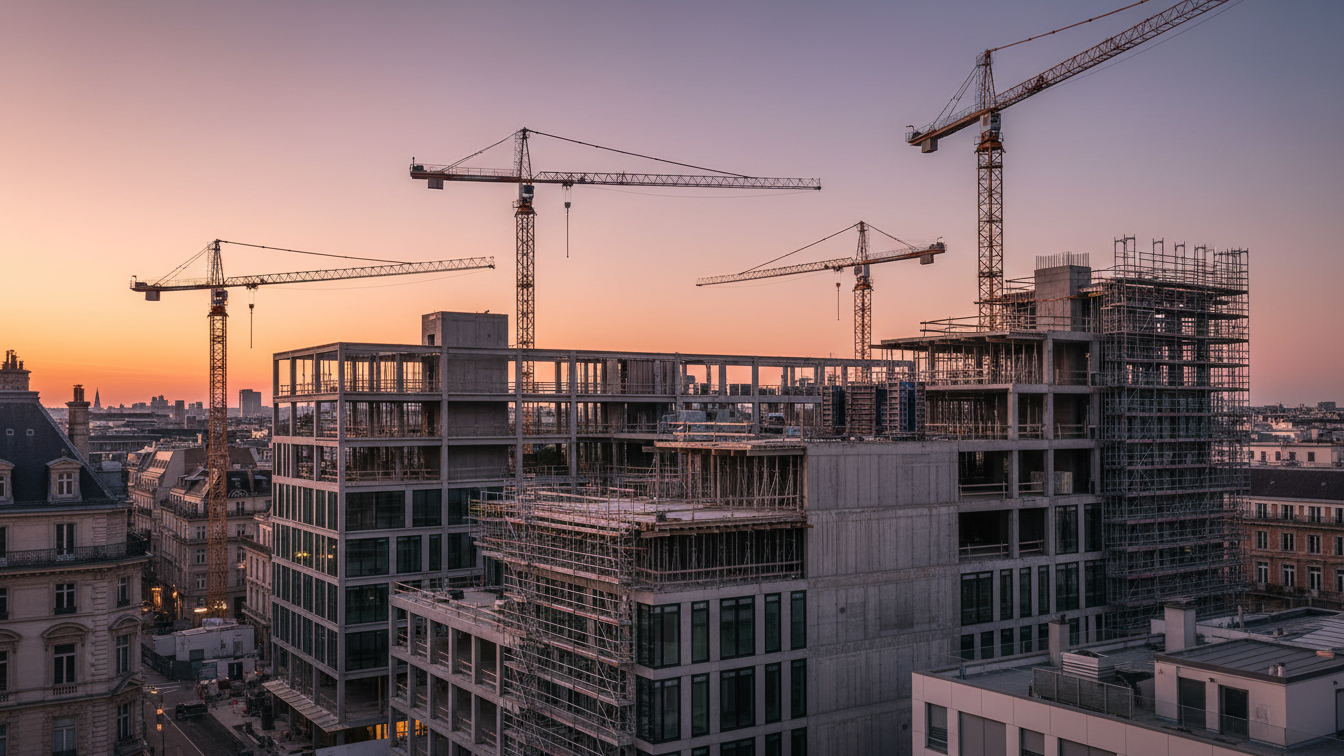
HOCHTIEF has been awarded the contract for the construction of a new collection and research centre for the Natural History Museum Berlin. The project, which will generate revenue of approximately 70 million Euros, includes the construction of a three-storey building complex, including a depot, at the museum's second location in Berlin-Adlershof. The Natural History Museum Berlin is considered Germany's largest natural history museum and manages one of the world's most significant scientific collections. The planned new building is designed to house about half of the total 30 million collection objects.
In addition to the primary storage areas, the new centre will feature specialist laboratories, digitalisation areas, and workspaces. Furthermore, special facilities for quarantine and decontamination will be created to meet the high demands for the conservation and research of the exhibits. The design for the secondary site comes from general planner agn and integrates a resource-efficient building concept that considers aspects of sustainability.
Sustainability and technical expertise
The construction project is characterised by a forward-looking sustainability concept. This includes the integration of green facades and a green roof, the use of renewable energy systems, and the application of CO₂-reduced building materials. Certification according to BNB Silver is sought for this project, underscoring the commitment to ecological construction. Peter Hingott, Chief Executive Officer of HOCHTIEF Infrastructure, emphasised that the new centre combines the specific requirements for research, laboratory, and depot areas with a sustainable building concept.
HOCHTIEF brings extensive technical expertise and experience from previous projects in research and laboratory construction to this endeavour. This includes references such as the Friedrich-Loeffler-Institut, BASF Schwarzheide, and the Landeslabor Berlin-Brandenburg. Additionally, the project benefits from the group's bundled international experience in the realisation of research, laboratory, and cultural facilities. This expertise is intended to help preserve and make accessible the country's significant scientific collection for future generations.
- —Construction is scheduled to begin in November 2026.
- —The handover of the project is planned for summer 2029.
- —The order value for HOCHTIEF amounts to approximately 70 million Euros.
The project demonstrates HOCHTIEF's ability to successfully implement public infrastructure projects with complex technical requirements and a clear focus on sustainability. The new building in Berlin-Adlershof strengthens the research infrastructure of the Natural History Museum Berlin and ensures long-term conditions for scientific work and the preservation of the collection inventory.