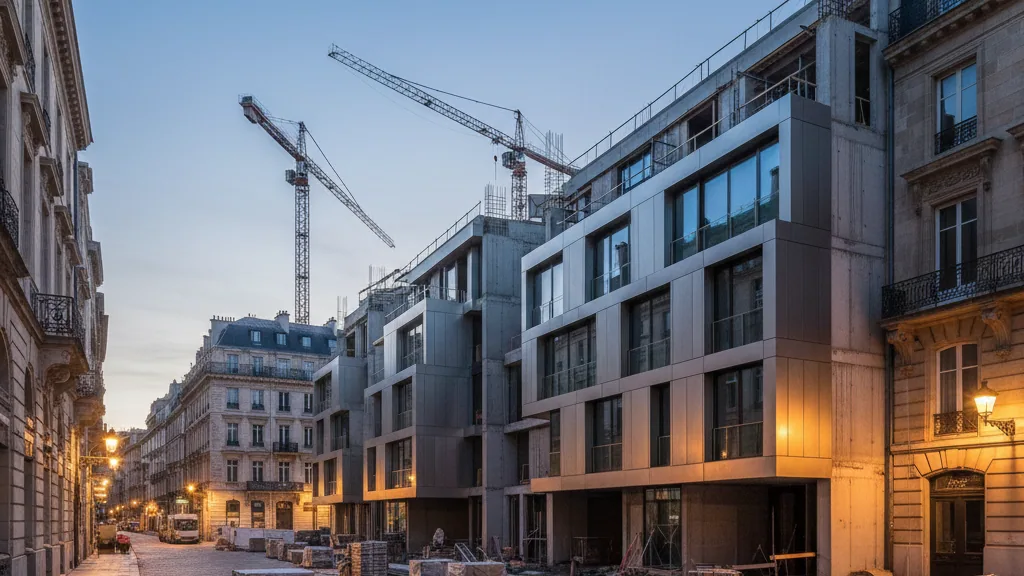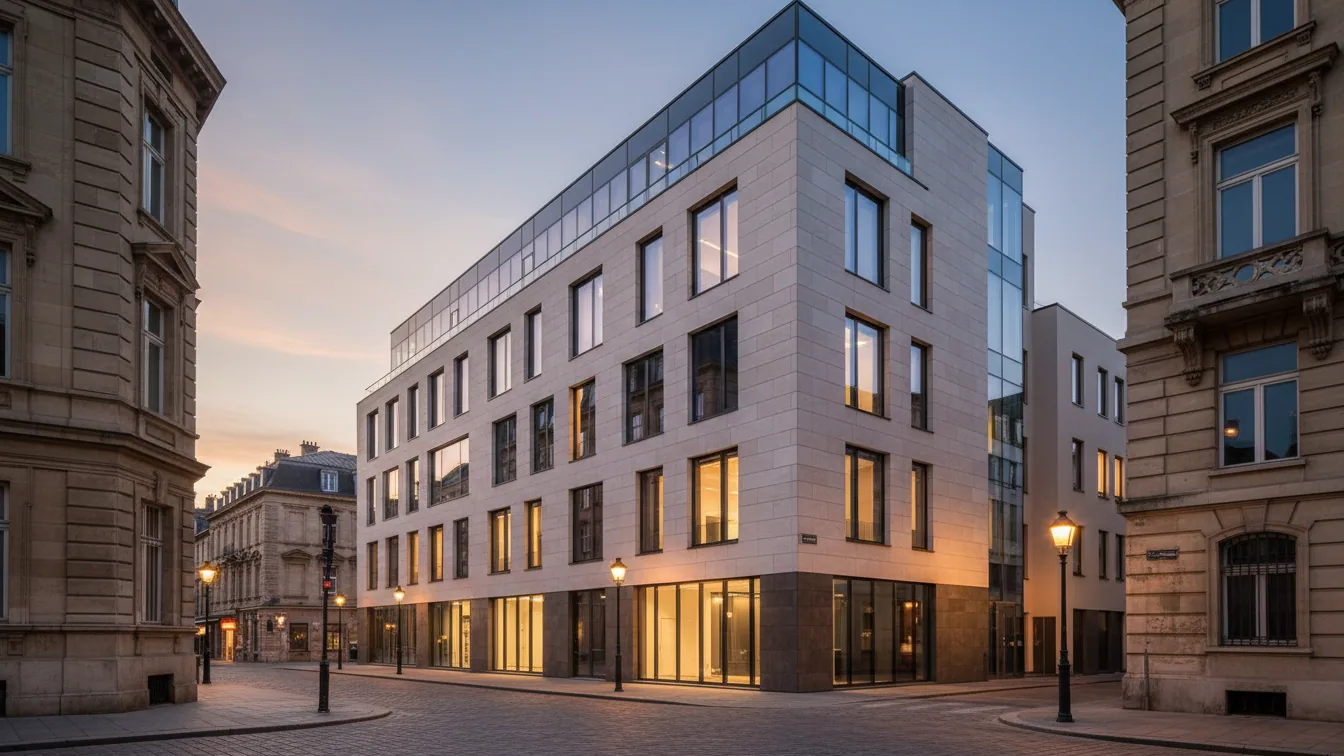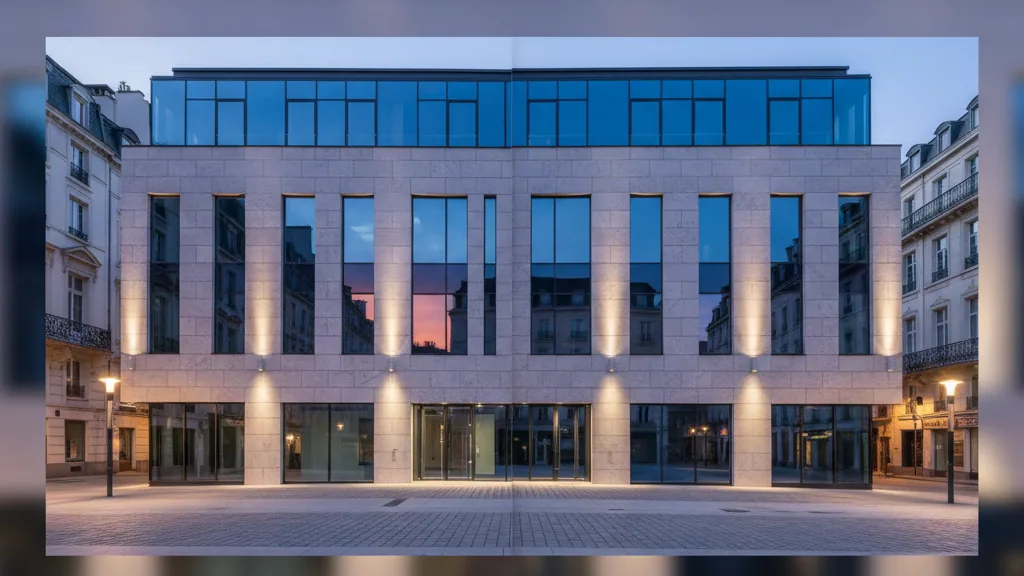
The micro-living project Little East in Frankfurt am Main is enjoying successful progress following its structural reconceptualisation. The property, consisting of five established storeys and a sixth storey completed in May 2026, boasts an occupancy rate of over 95 per cent. The successive handover of the storeys occurred after their structural completion, with no significant vacancies reported. The comprehensive repositioning of the property extended from 2024 to 2026. The client was the HT Group, while Munich-based BelForm was responsible for the conceptualisation and implementation.
The building, originally constructed in 2014, had a solid structural fabric, but after ten years, the original apartment concept no longer met the requirements of the current target group. The owner therefore decided against a core renovation and opted instead for a strategic repositioning. This included targeted investments in the floor plans, the furnishing of the units, and the design of the communal areas. As a result of this realignment, the rent per unit increased by over 30 per cent compared to the previous concept. The average length of stay for tenants almost doubled from six to over twelve months. Full occupancy of the property was also achieved three months earlier than originally calculated.
Conceptualisation and Market Alignment
The realignment of Little East is based on a detailed location and competitor analysis, carried out by BelForm, which included eleven reference properties in Frankfurt. Based on these findings, the Munich team developed a new apartment and overall product concept. This involved a redesign of the corridors, apartments, and furnishings. A new colour and material concept, custom-made kitchens and fixtures, and an optimised storage concept, all implemented by BelForm, led to an increase in usable space and flexibility in the 19 to 25 square metre units. The use of light colours, improved lighting, more inviting materials, and wider bed sizes contribute to enhancing the quality of living. Additional units were generated through space optimisation, increasing the number of micro-apartments from 272 to 276.
The communal areas also underwent a redesign. By combining several areas, a community area with a roof terrace and city views was created. The upgrading of the corridors also improved orientation and the quality of stay throughout the building. Benjamin Oeckl, Managing Director at BelForm, highlighted that the project demonstrates the potential of existing properties by creating a better product without structural interventions through the redesign of communal areas and apartments. He characterised micro-living in 2026 as a value-driver story rather than solely a growth story.
Letting and Management
Letting was carried out from the outset by OneHaven, a BelForm subsidiary specialising in micro-living. Letting took place sequentially, floor by floor, so that each completed segment immediately entered the market. A full floor with 40 to 50 units could be almost fully let within two to three months. Tobias Hemmerich, Head of Operations at OneHaven, emphasised the importance of the period between completion and letting for cash flow planning in existing micro-living properties. This was successfully implemented through the parallel setup of letting and structural execution, as well as the early provision of a high level of service and quality.
- —Occupancy: Over 95 per cent, stable over twelve months
- —Rent increase: Over 30 per cent compared to the previous concept
- —Length of stay: Almost doubled from six to over twelve months
- —Annual rental income: Approximately EUR 2.75 million
OneHaven is responsible for marketing, applicant screening, letting, occupancy management, and optionally community management for its clients, and they continue to manage the properties permanently. OneHaven acts as a service provider for residential micro-living for approximately 600 apartments owned by institutional investors in German-speaking countries. The micro-apartments in Little East, located in Frankfurt's Ostend district near the European Central Bank, are primarily aimed at individuals with temporary housing needs, including project staff, commuters, and young professionals. The one-room and occasional two-room apartments are available for a minimum rental period of six months, with an all-inclusive rent of approximately EUR 45 per square metre and around EUR 950 for a 1-room apartment per month. The property is located in close proximity to Hanauer Landstraße, with its infrastructure and public transport connections.