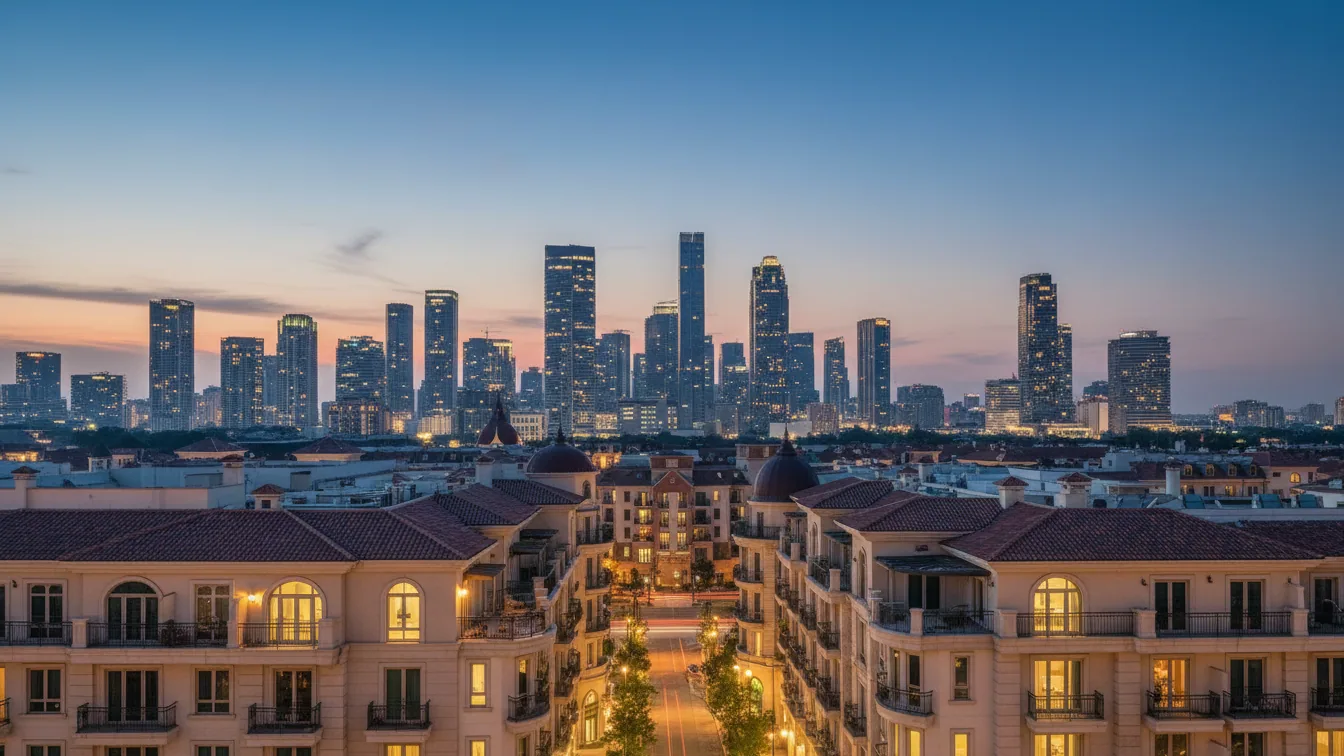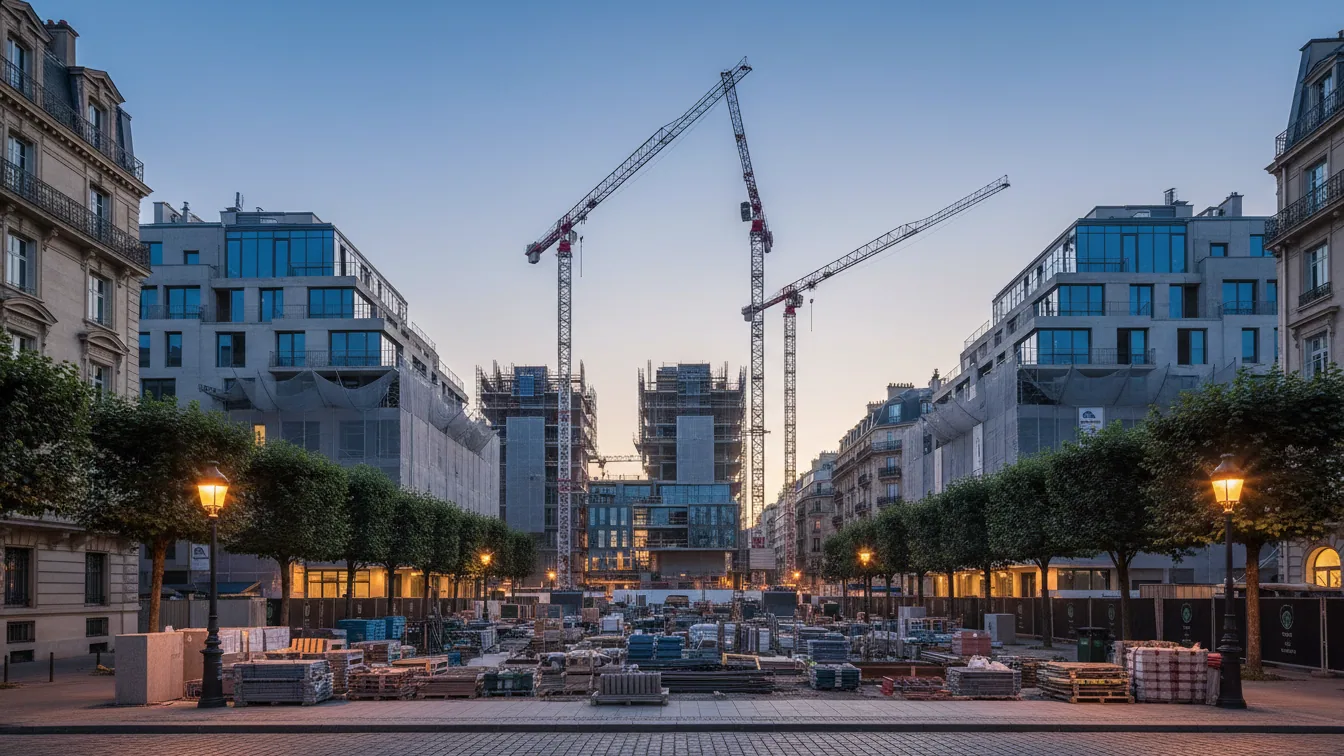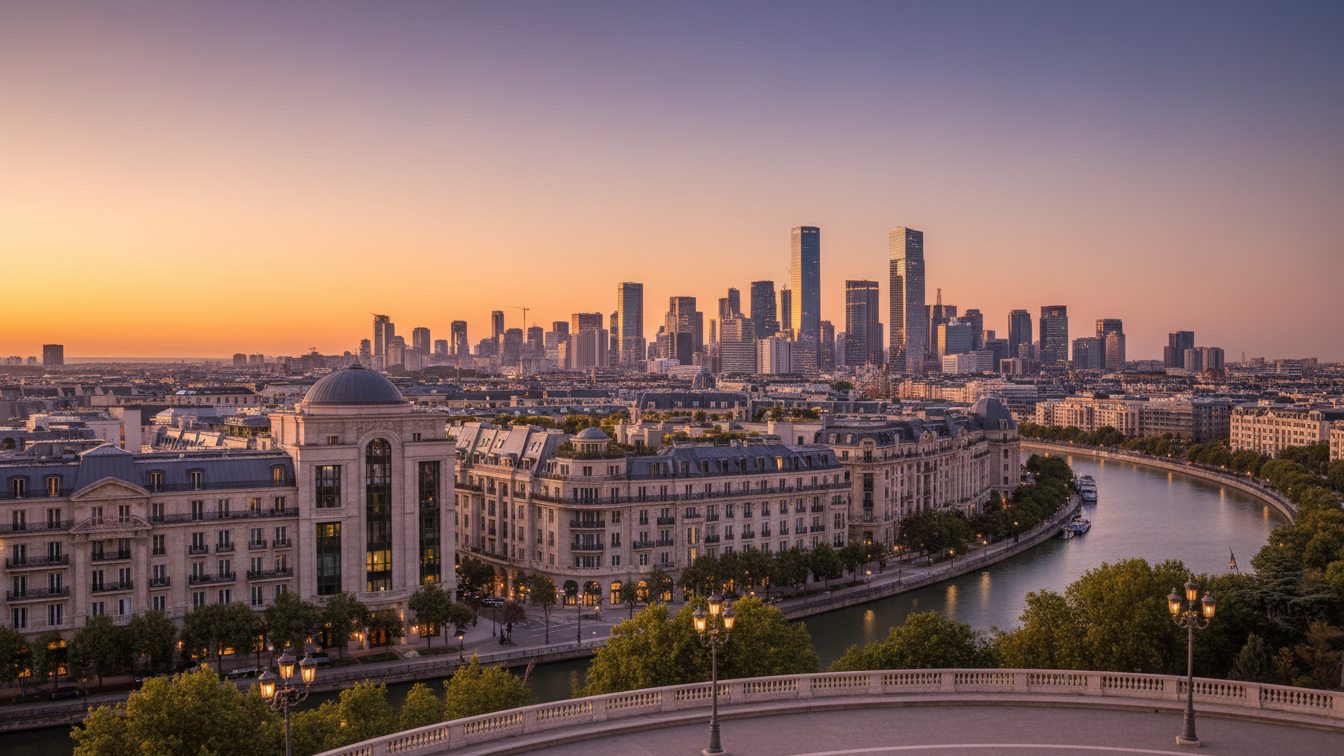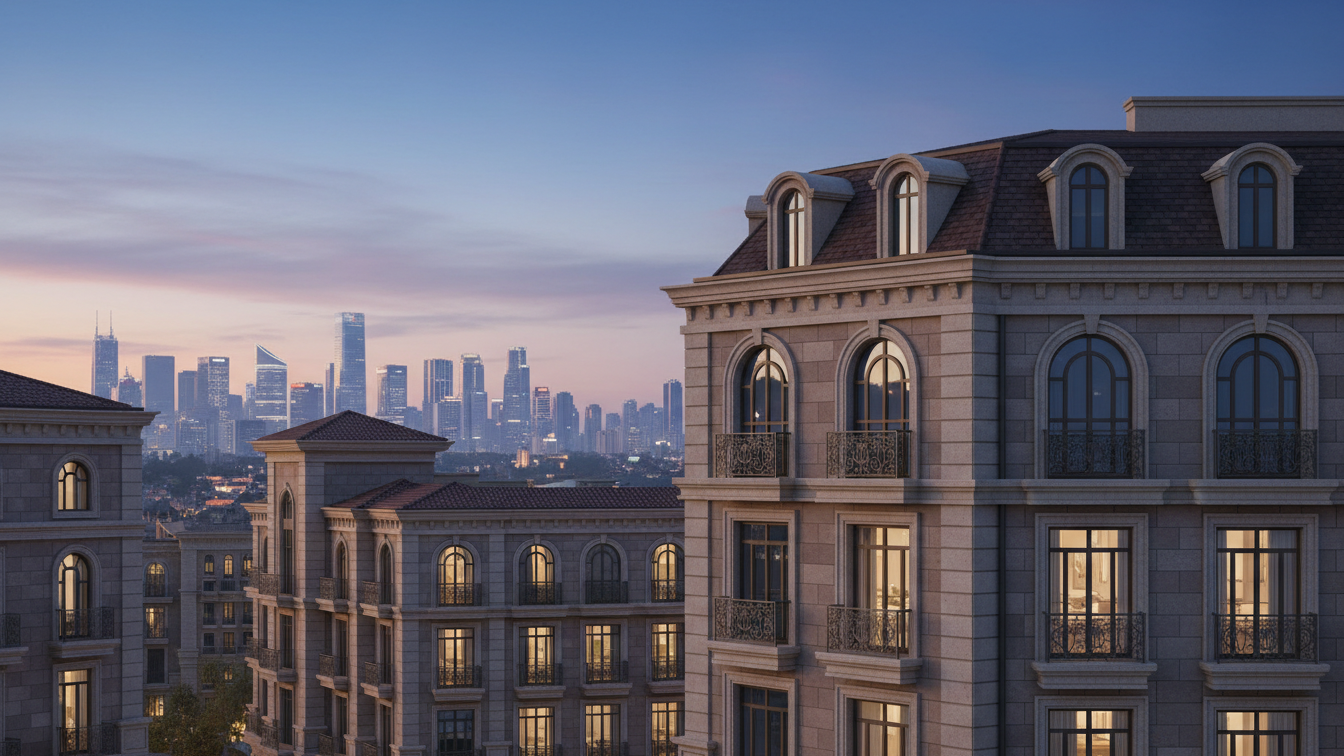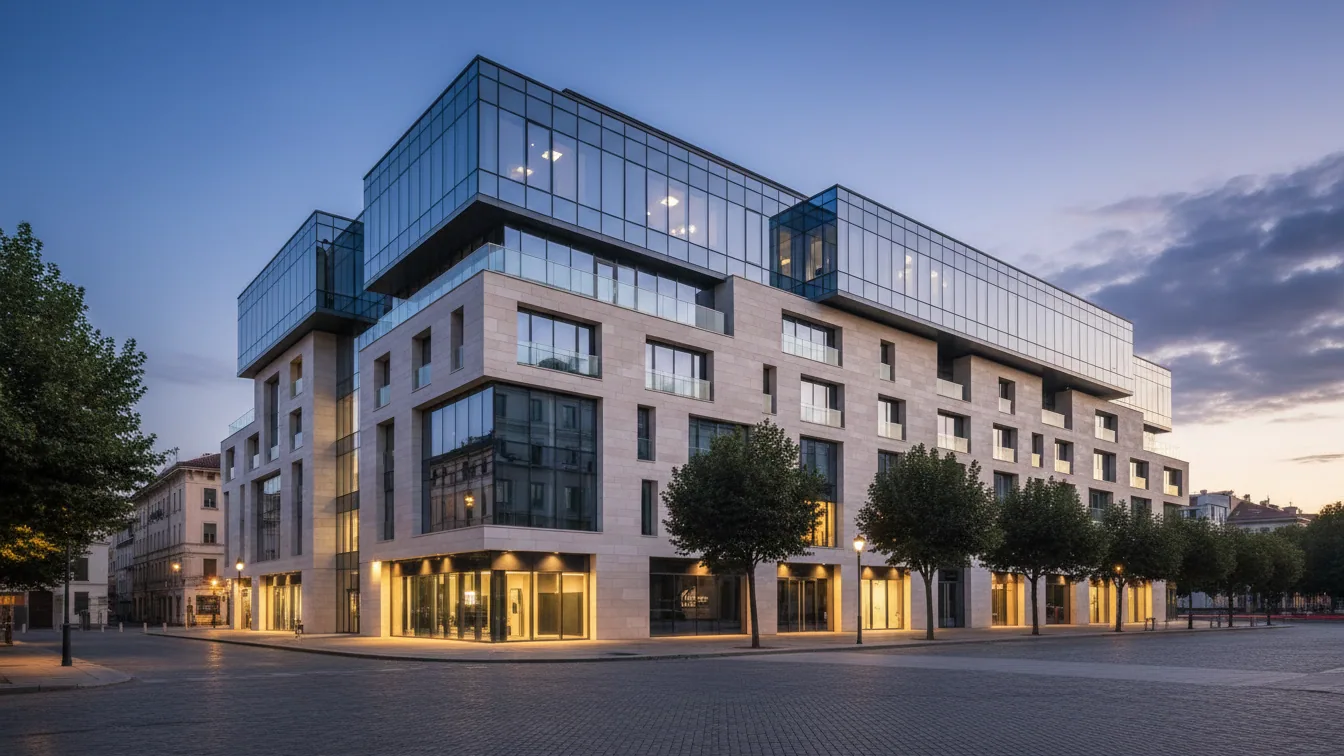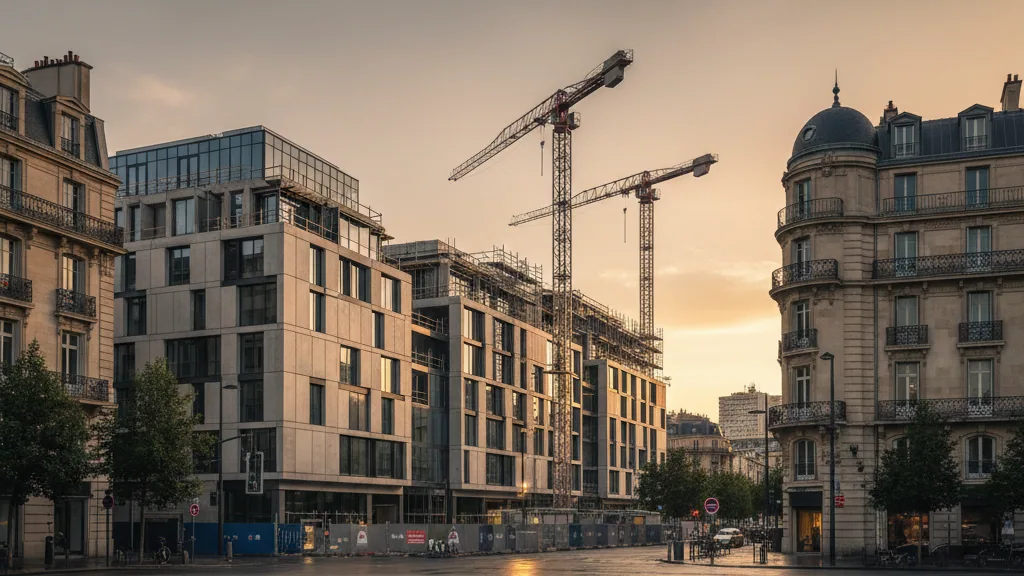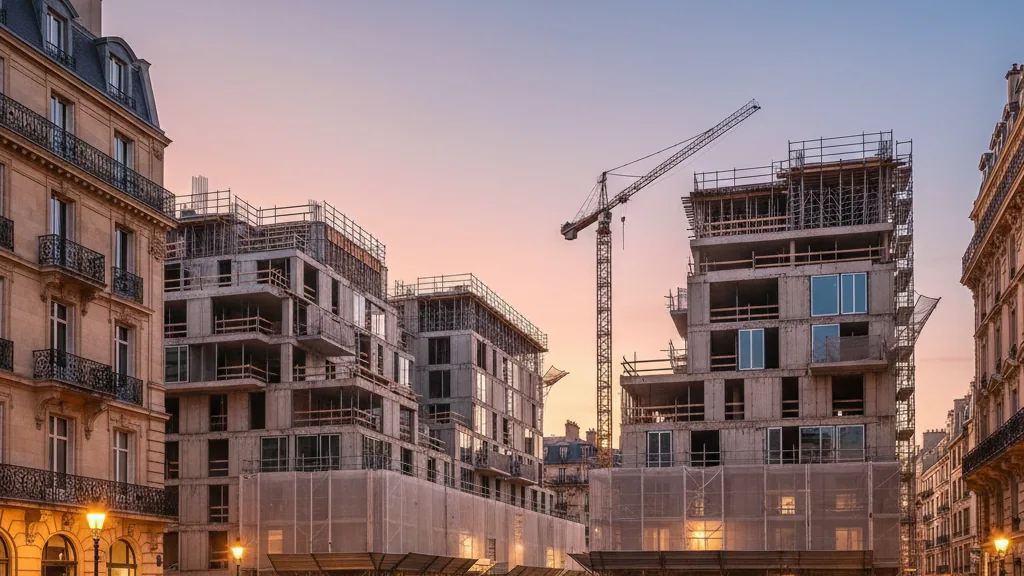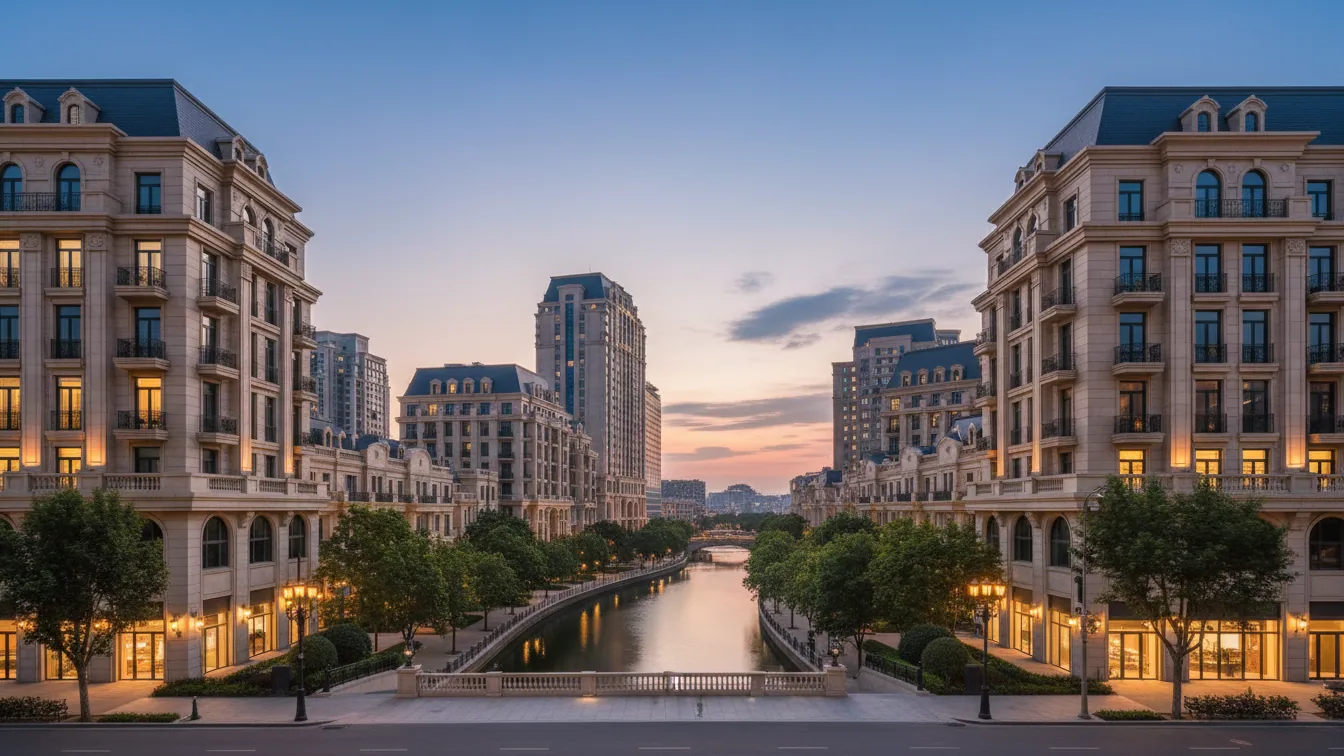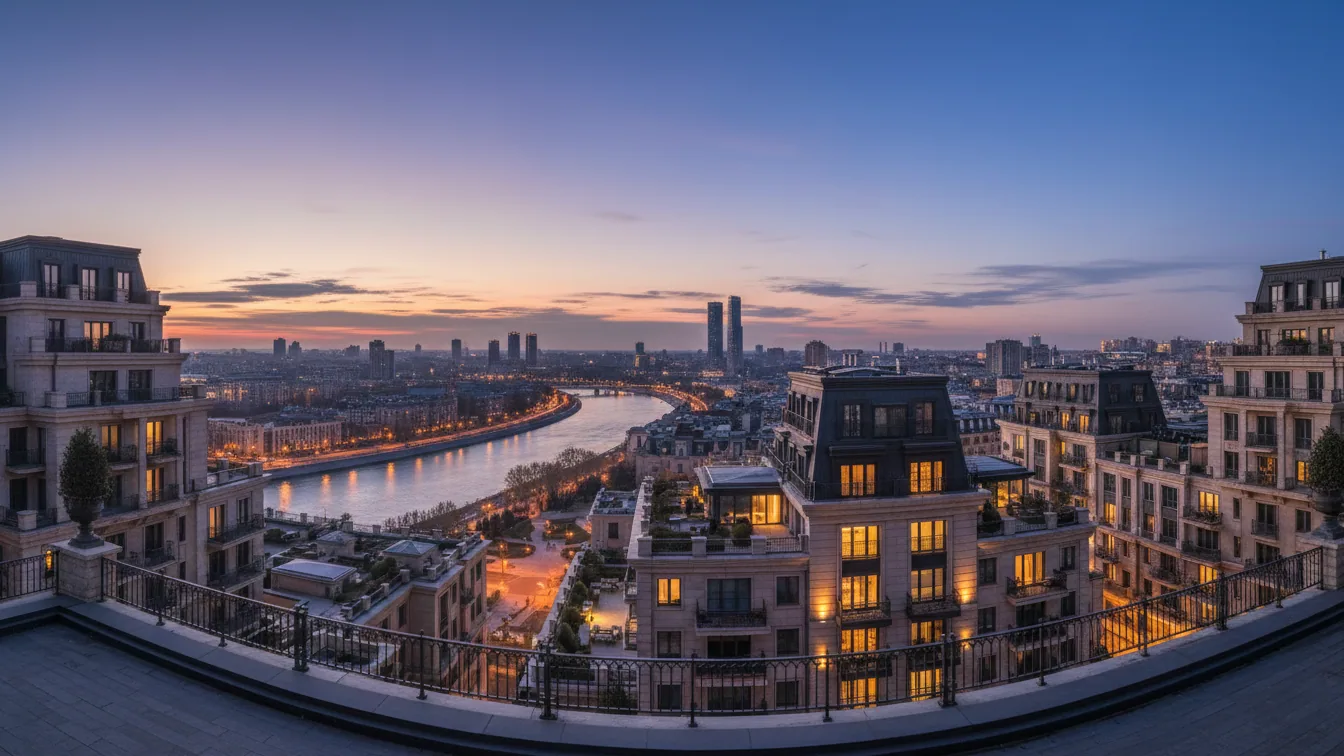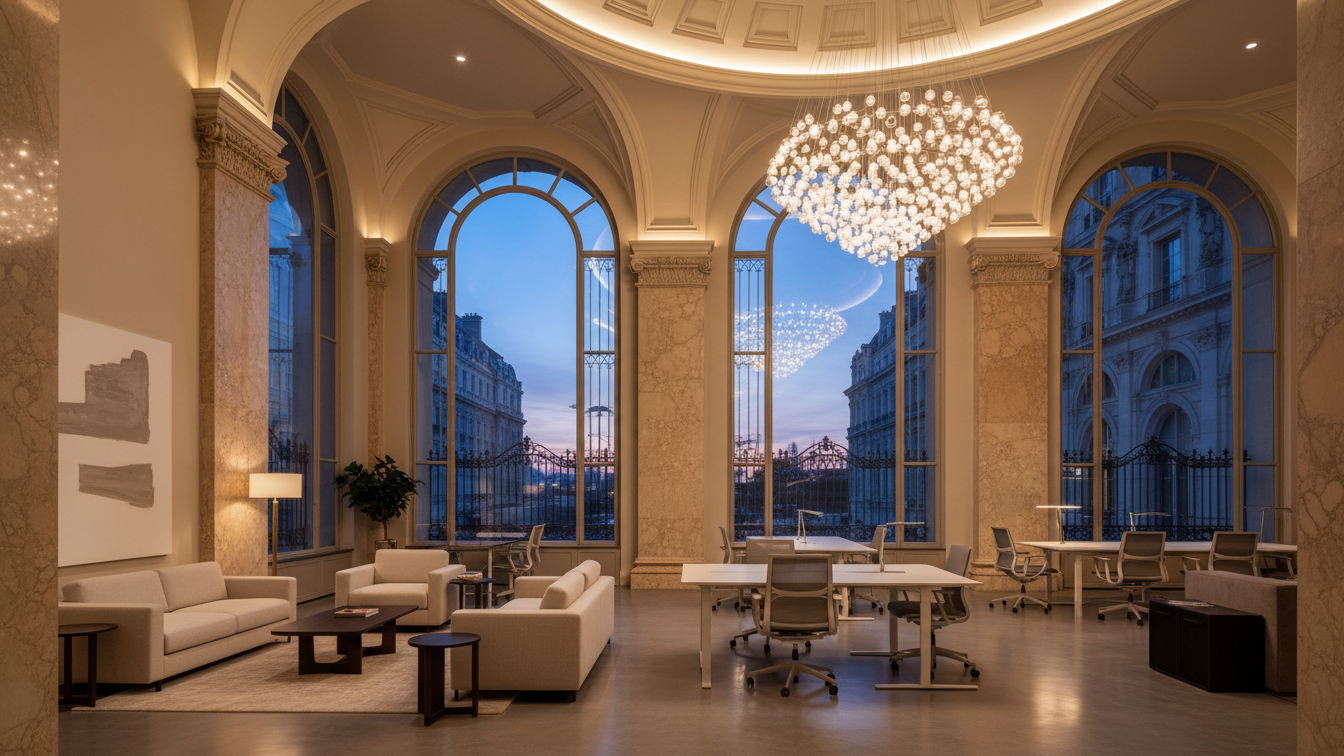
Munich is experiencing a remarkable transformation of a historic military site into a civilian centre for knowledge and innovation. The area, which formerly served the infantry, is now being revitalised by actors from research, technology, design and other creative industries. This development illustrates the structural change in urban areas, where historical uses make way for modern requirements.
The repurposing of former barracks areas is a recurring pattern in the urban development of many metropolises. It offers the opportunity to revitalise large areas within existing urban structures and to provide new impetus for the economy and society. Munich is using this opportunity to set the course for future developments in the knowledge economy.
Focus on interdisciplinary collaboration
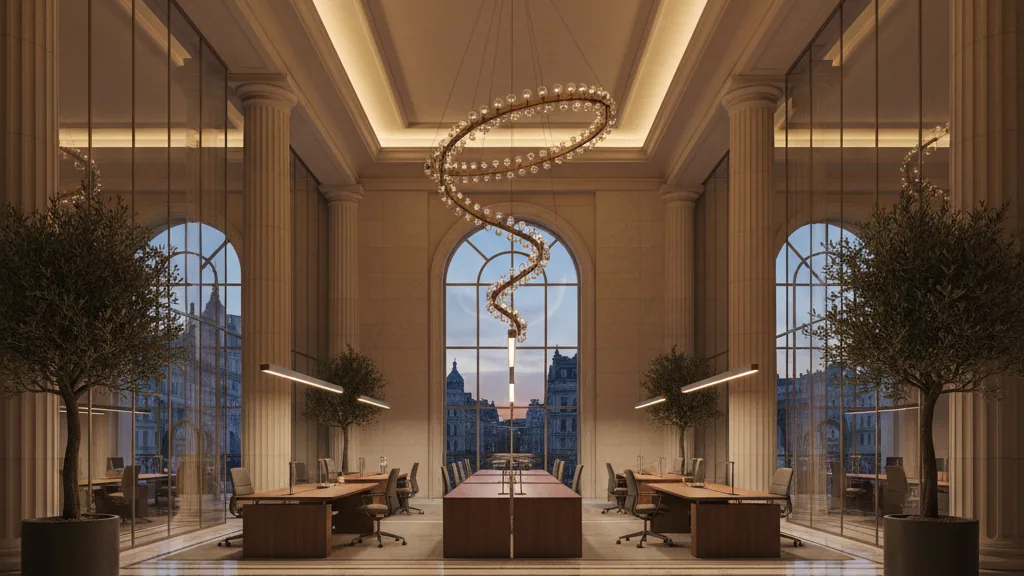
The attractiveness of the location lies in its ability to create an environment that fosters collaboration among different disciplines. The clustering of creatives, researchers, designers and technologists in close proximity enables synergies that are essential for the creation of innovative products and services. This interdisciplinary approach is characteristic of modern innovation centres based on networking and knowledge exchange.
The transformation of this area underlines Munich's strategy to gain importance nationally and internationally as a leading scientific and economic hub. By creating spaces specifically tailored to the needs of future industries, the region's competitiveness is strengthened in the long term. This is a crucial factor for attracting talent and investments.
Urban development and sustainable use
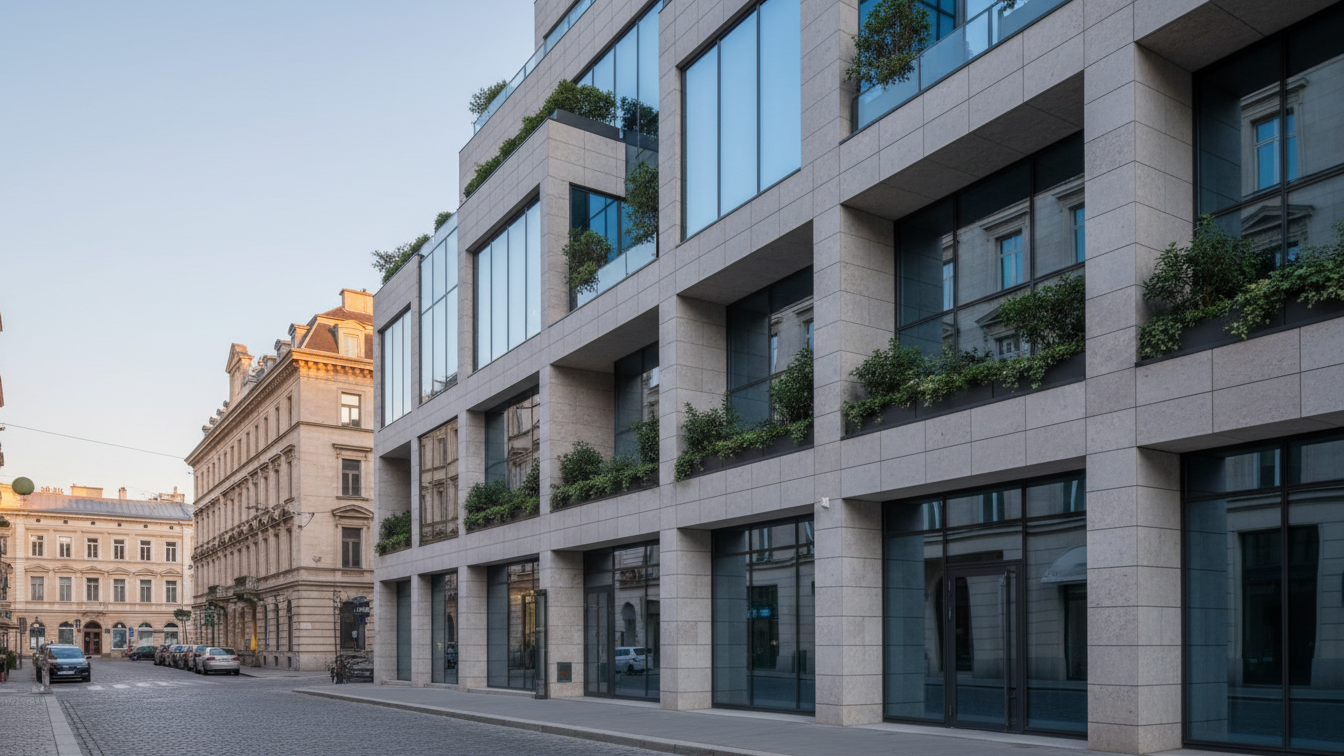
The reorientation of the site into a knowledge cluster is exemplary of forward-thinking urban planning that considers not only economic but also social and cultural aspects. The integration of living, working and leisure activities on a formerly isolated military site contributes to vital and sustainable urban development. The challenge lies in preserving the historical character of the buildings while establishing modern infrastructure.
This project reflects the ongoing dynamism in the Munich real estate market, where demand for spaces for research and development, as well as for creative office solutions, remains high. The development of former barracks areas offers significant potential for this, which is structurally integrated into the existing urban landscape.