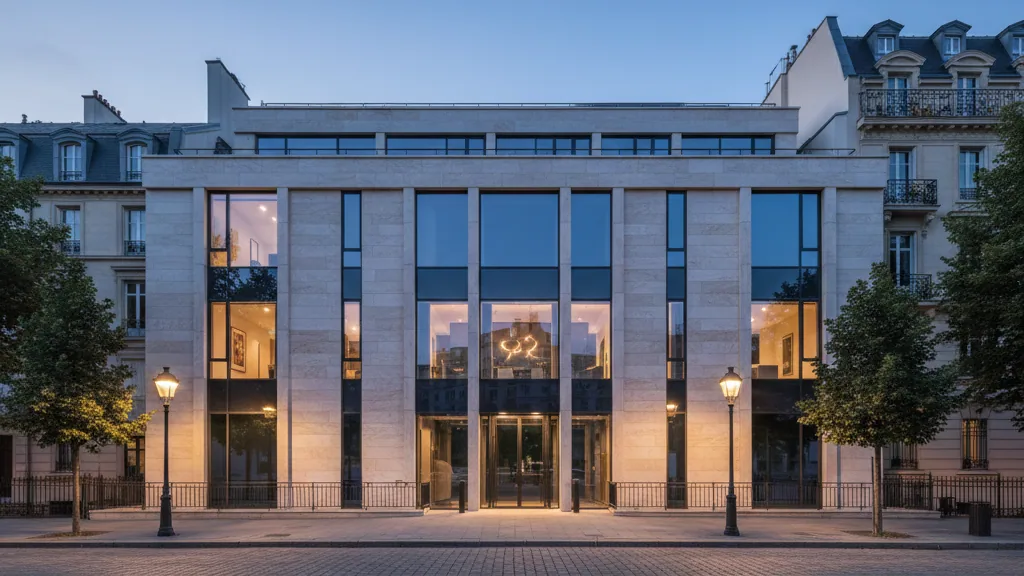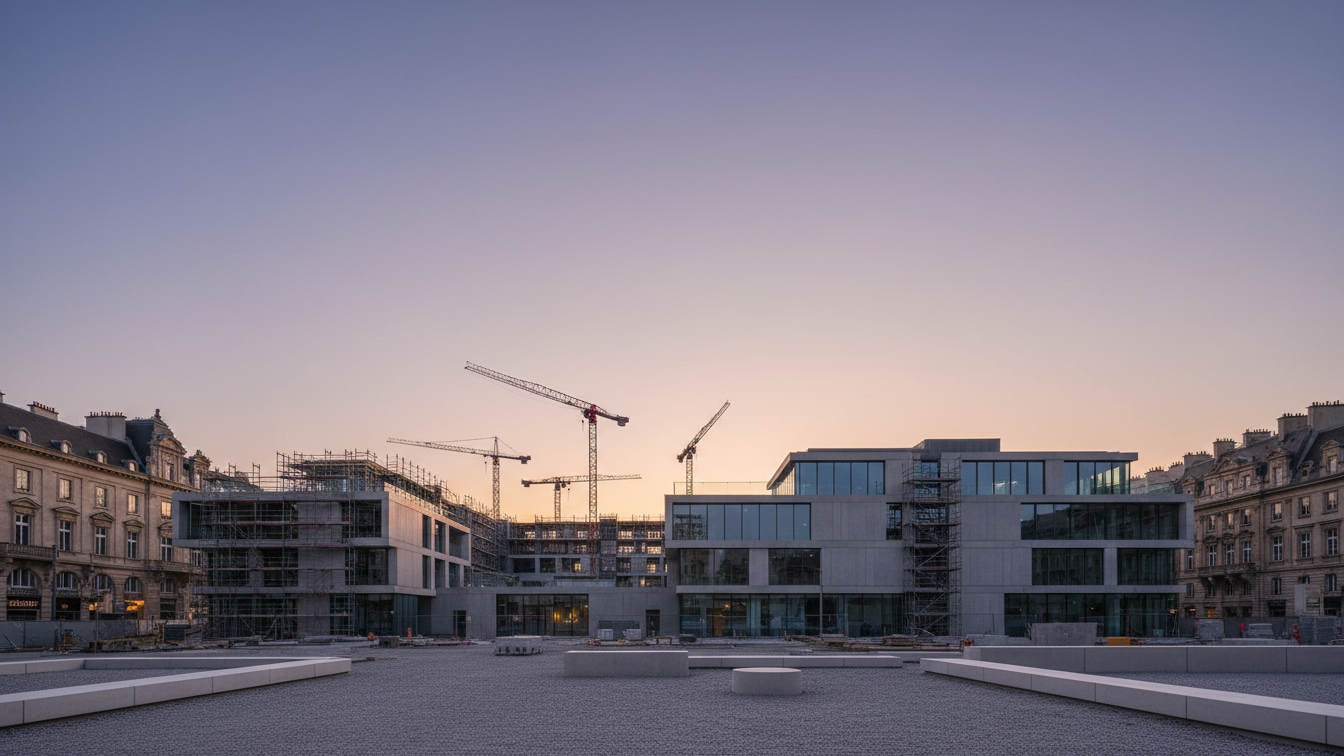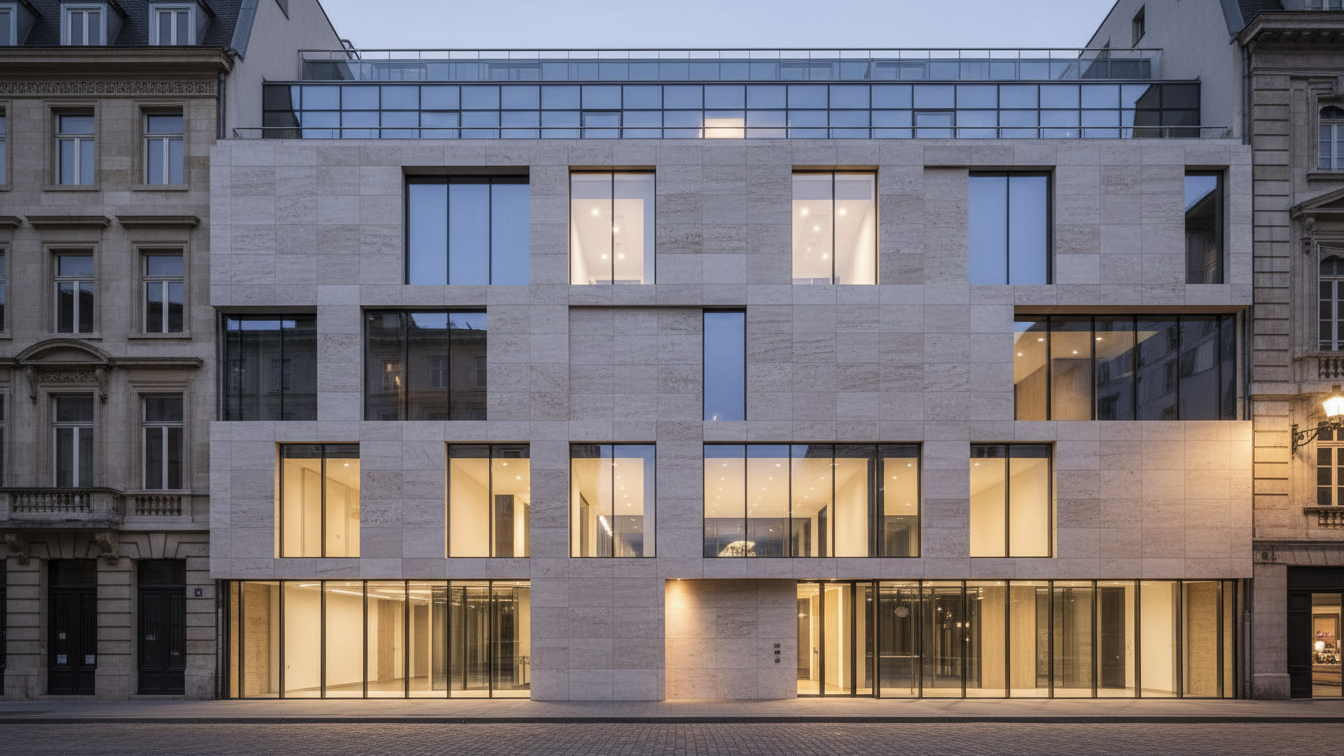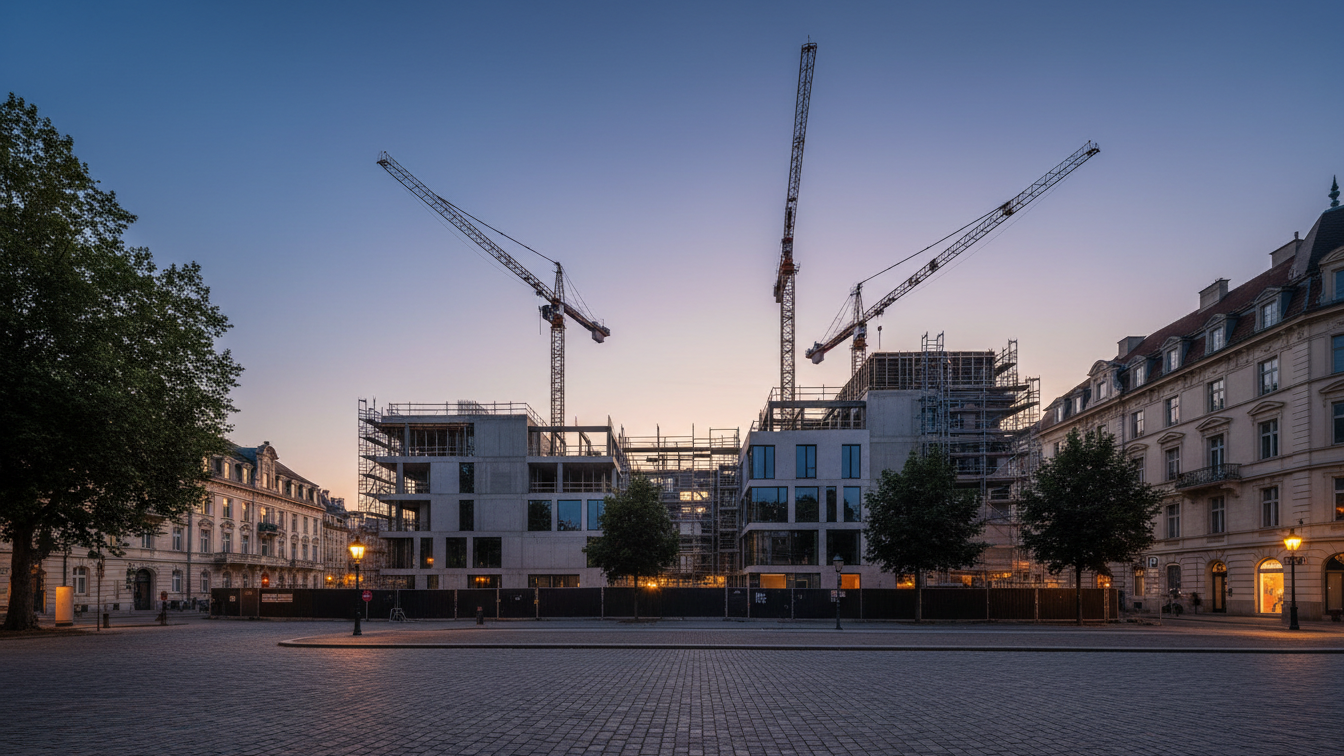
The first tenant for Maschinenhaus Schwabing in Munich has been confirmed: internationally renowned outdoor brand Patagonia has signed a ten-year lease. The letting comprises around 475 square metres of space in the west wing of the former combined heat and power plant of Schwabing Hospital, as well as an adjoining courtyard area of a further 112 square metres.
On the leased premises, the company intends to establish a combination of modern office workplace and a representative showroom space. Michael Austermühle, Regional Manager Central Europe at Patagonia, emphasised that the combination of existing architecture and functional space provides the ideal setting to bring the working and presentation areas to life going forward.
Revitalisation of a listed industrial building
The further development of the listed building is being managed by e+k. The aim of the concept was to safeguard the fabric and industrial identity of the ensemble and carefully adapt it to contemporary occupational requirements. Stefan Klein, Managing Director of Kesselhaus GmbH & Co. KG, regards the conclusion of the lease as a strong signal for continued marketing. He noted that the transaction proves the architectural distinctiveness of the building appeals to discerning commercial occupiers.
Preserving embodied carbon lies at the core of the revitalisation. Compared with conventional new office construction, the project cuts CO2 emissions by 48 per cent. A structural low-tech approach also relies on targeted air circulation to ensure the building remains cool during the summer months without conventional air conditioning.
- —Low-consumption water circuits throughout the building
- —Underfloor heating with individual room controls
- —Pre-heating of incoming fresh air via convectors for natural office ventilation
In total, around 3,900 square metres of lettable space for office and hospitality uses are being created at Maschinenhaus Schwabing. Following the initial deal with Patagonia, further units in the building remain available for commercial occupiers.