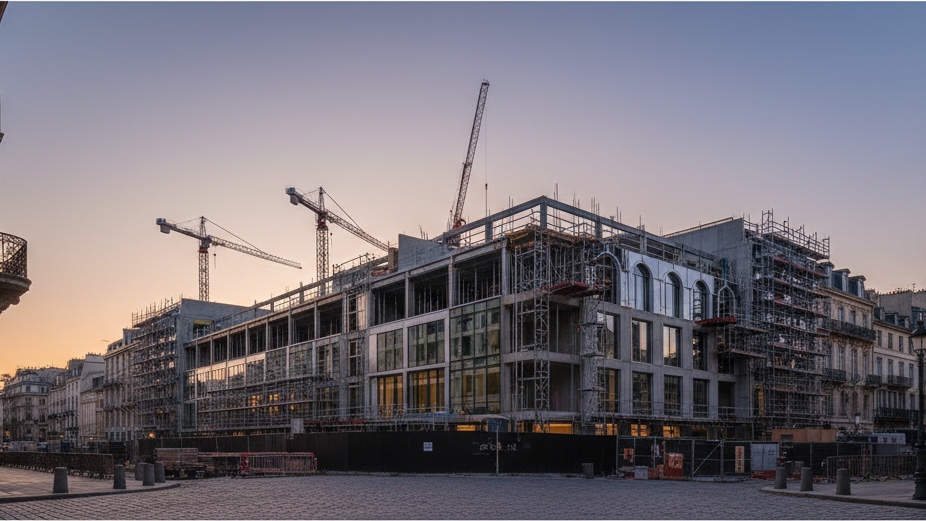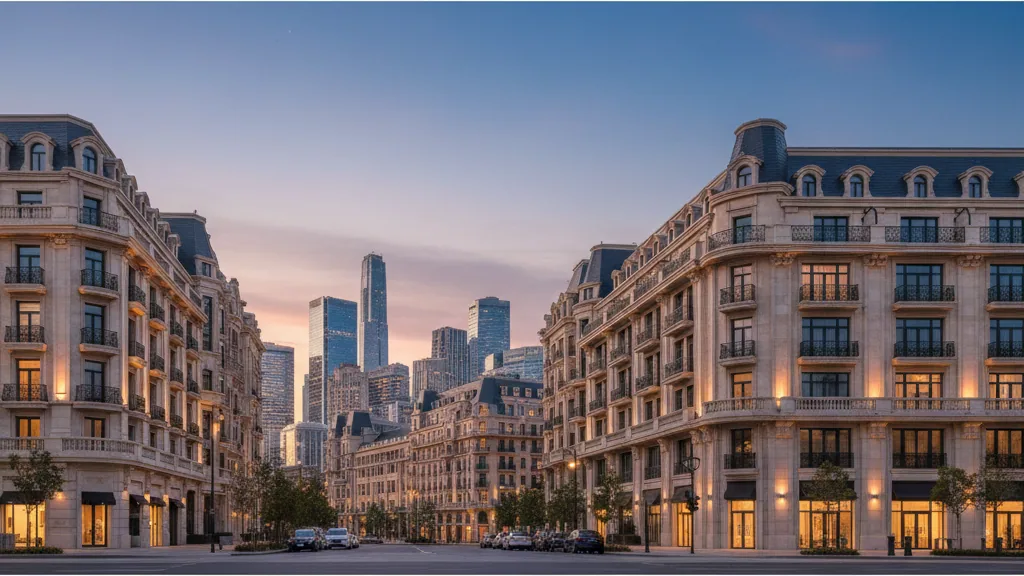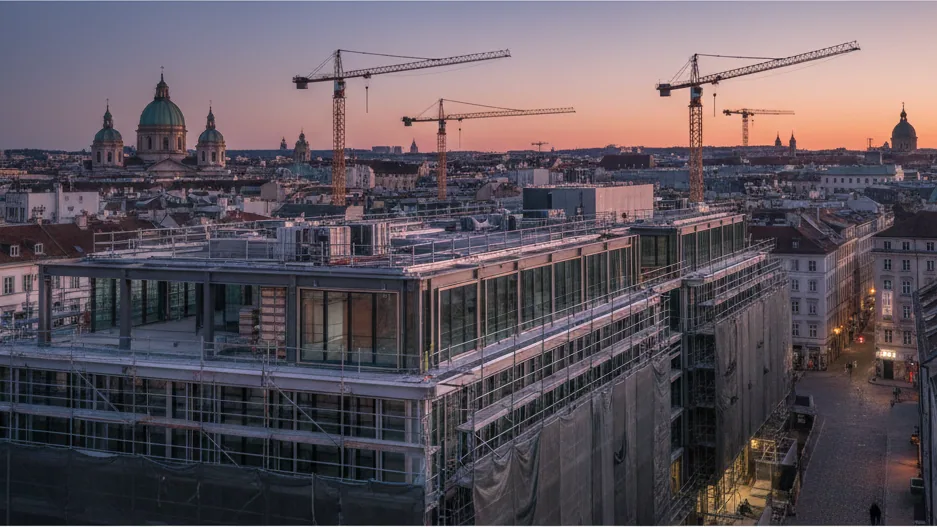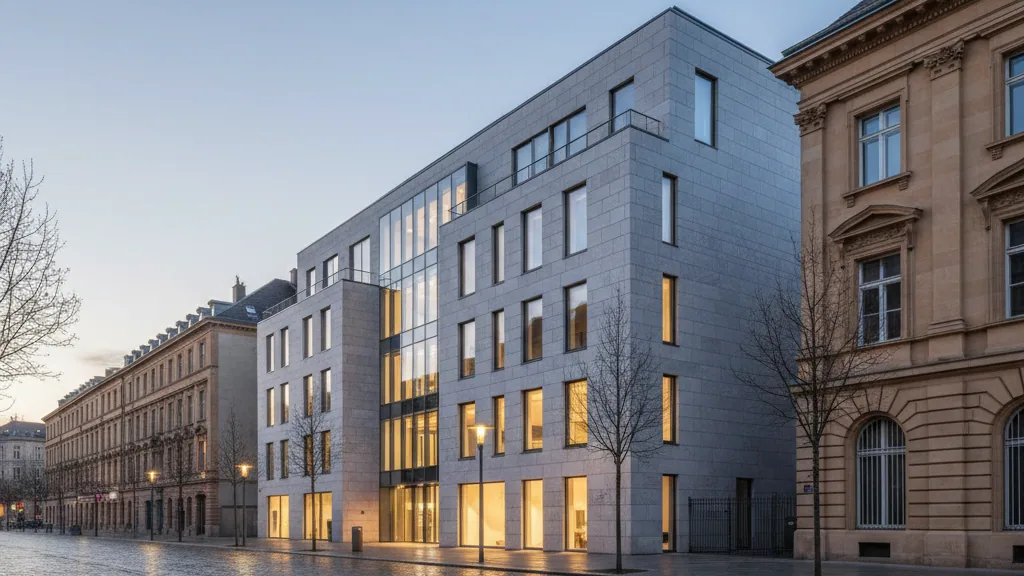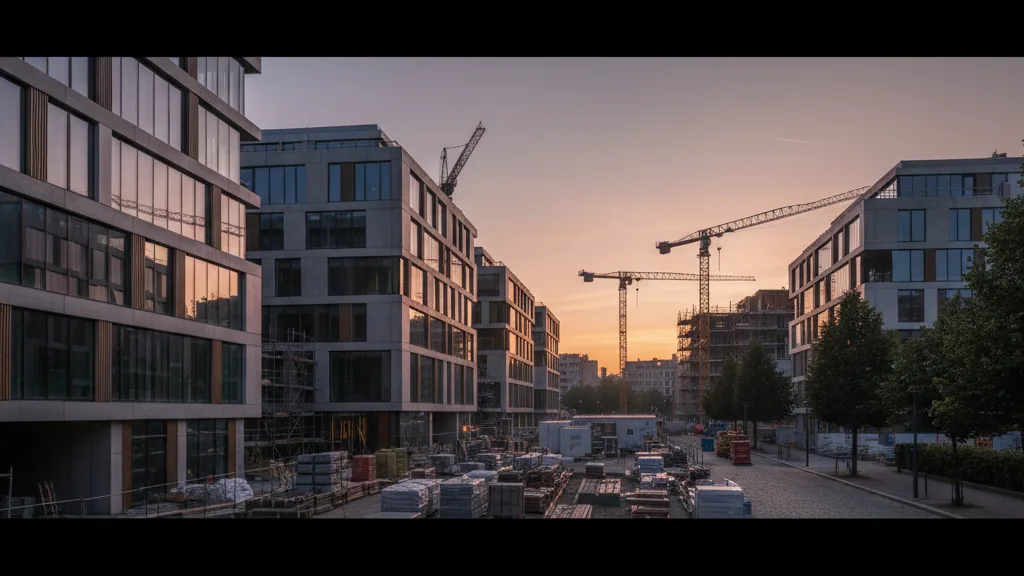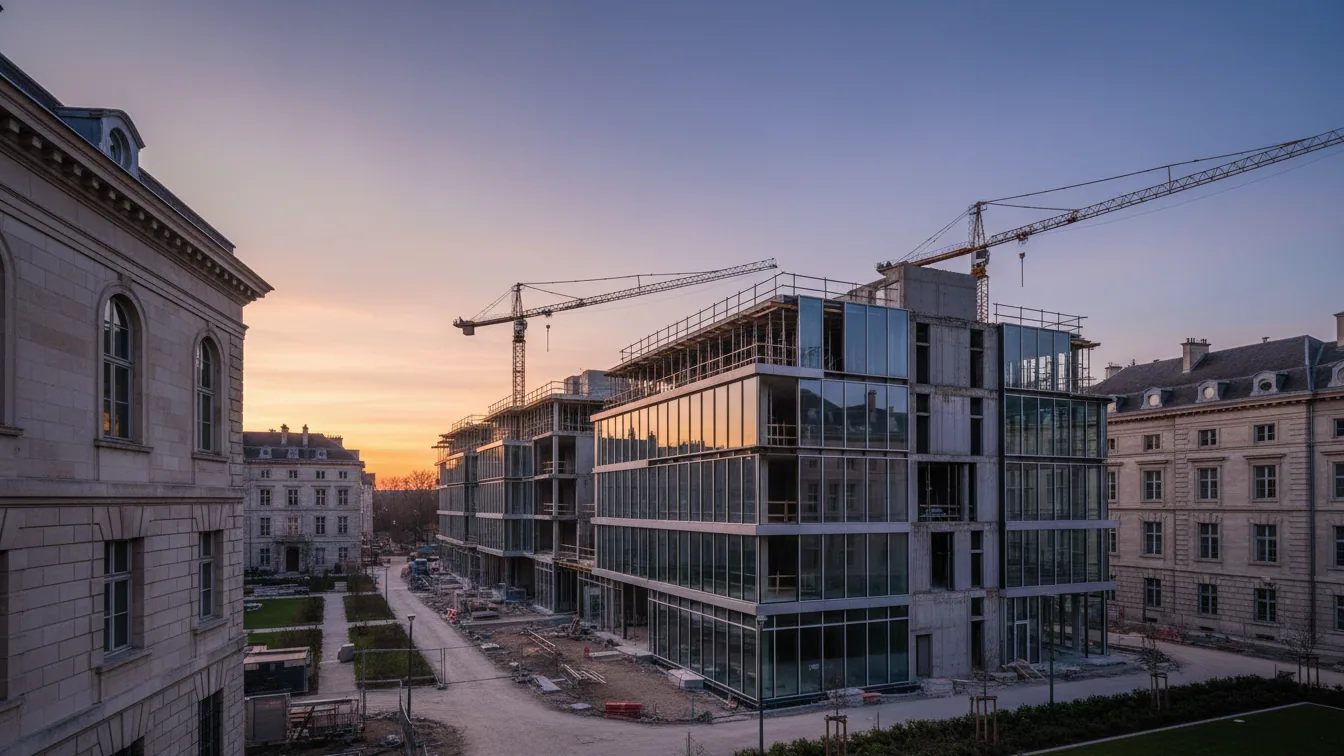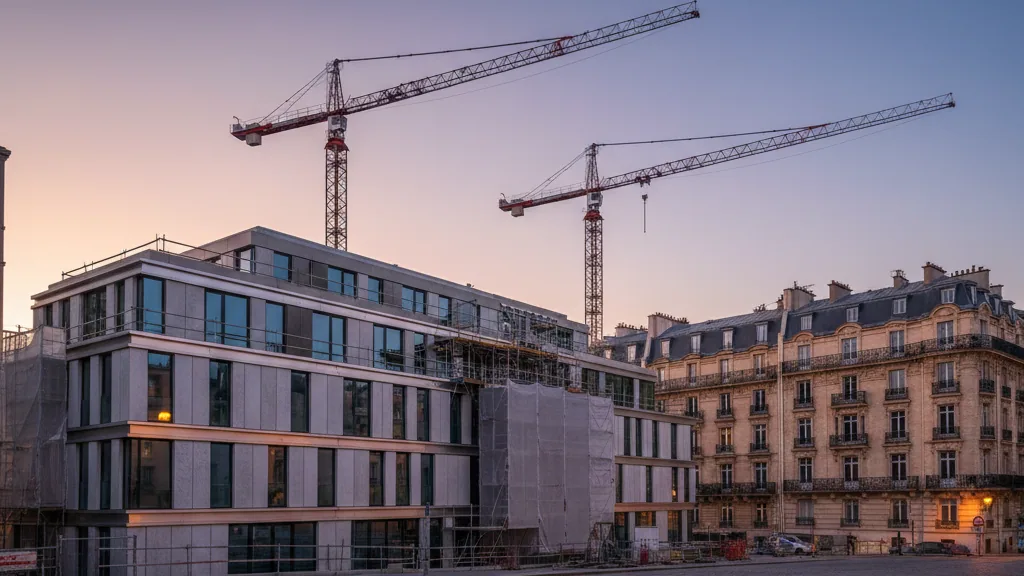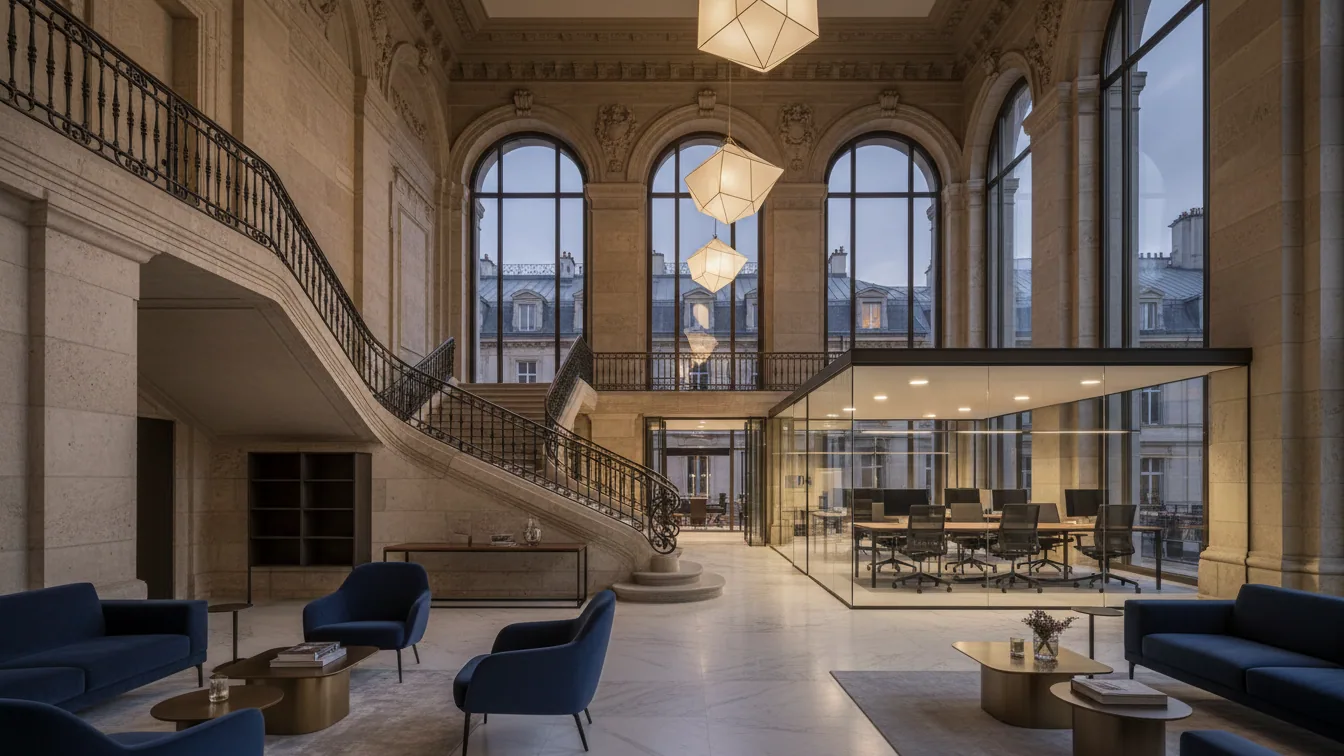
The institutions NEW bauhaus and URBAN UTOPIA have established a formal partnership. This collaboration unites two independent formats that, despite a divergence in methodological approaches, align in their fundamental objectives. Both entities pursue the goal of making relevant contributions to the transformation of cities and the development of areas.
The NEW bauhaus initiative focuses on the concrete feasibility and implementation of innovative solutions in urban spaces. Its endeavour is dedicated to the development and testing of models that shape sustainable and future-proof living environments. The emphasis here is on translating concepts into practice to generate a measurable impact on urban development.
Strategic direction of the cooperation
URBAN UTOPIA, on the other hand, acts as a platform that fosters discourse and the formulation of visions for urban development. Its focus is on the conceptual level, addressing future challenges, and creating frameworks for progressive urban concepts. The newly formed partnership enables a connection between these different competencies by linking visionary approaches with concrete implementation possibilities.
The alliance between NEW bauhaus and URBAN UTOPIA can be understood as a strategic bundling of forces in the field of urban and area development. It intends to promote both theoretical discourse and practical application. By intertwining these two perspectives, the aim is to address complex urban issues with more comprehensive expertise and to realise innovative solutions with a higher probability of success.
- —Feasibility of innovations through NEW bauhaus
- —Visionary concepts and discourses through URBAN UTOPIA
- —Linking theory and practice in urban development
- —Promoting sustainable urban transformations
This cooperation is designed to make a complementary contribution in a dynamic environment such as modern urban development. The joint activities will aim to identify, develop, and support the implementation of pioneering projects. Both partners thus position themselves as actors who not only react to current requirements but also proactively contribute to shaping urban futures.