L
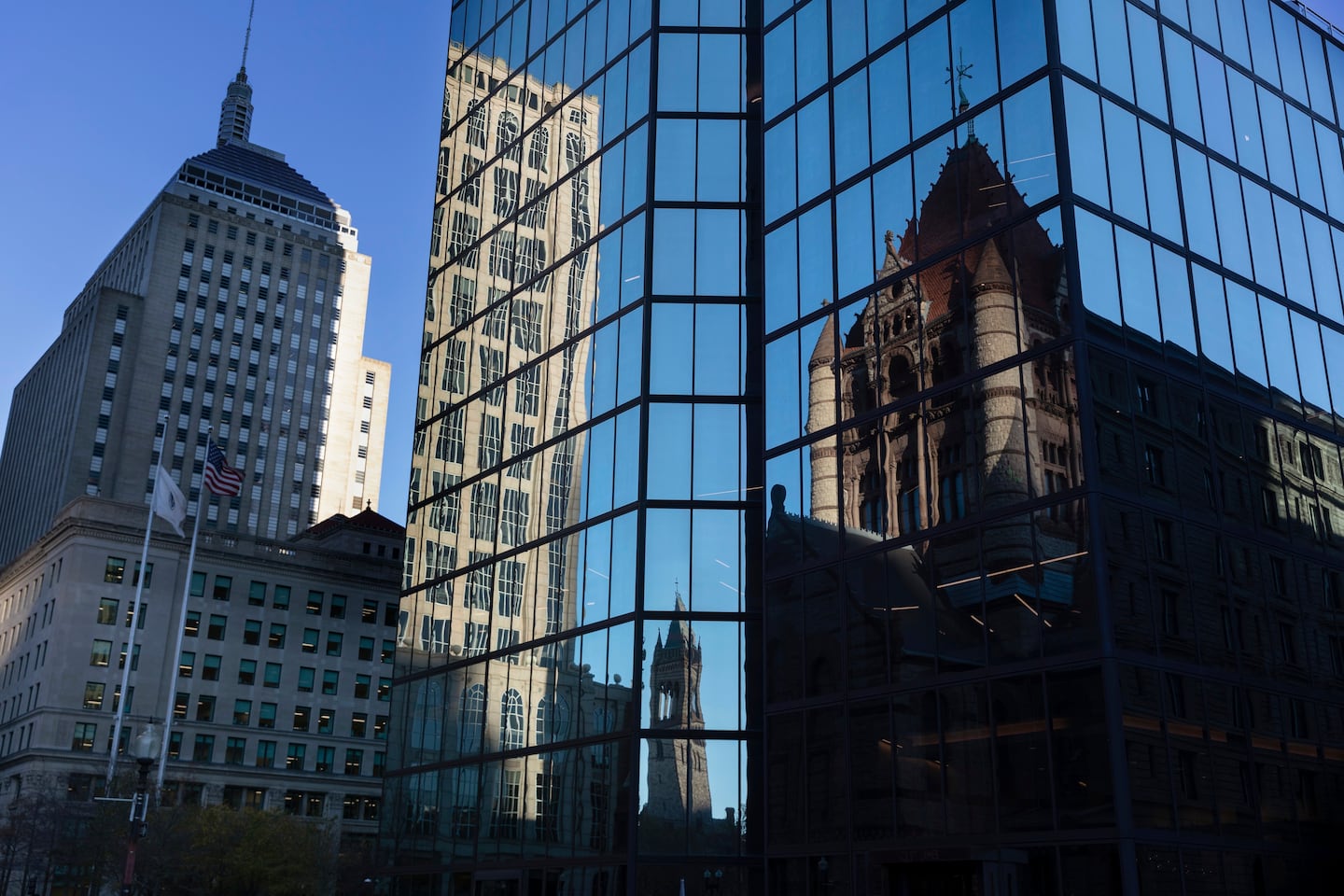
ast year saw the long‑awaited South Station tower finish, adding 51 stories of office and condo space above Boston’s busiest transit hub. The BPDA board certified the project and, in 2025, approved only 5.8 million sq ft of new development worth about $4.8 billion—half the 11.6 million sq ft approved in 2024. Over the past decade the board has green‑lit 124.5 million sq ft, roughly $70 billion. Approval does not guarantee immediate construction; developers often secure permits months after board approval.
The slowdown in commercial and residential projects prompted the city to freeze the planned rise in the “linkage” fee—an affordable‑housing contribution that applies to projects over 50,000 sq ft—effective Jan 1. Rising construction and financing costs, coupled with federal trade uncertainty, led the Planning Department to request a hold. Reuben Kantor, senior policy advisor, noted that no linkage‑eligible projects were on the books in 2025 and warned that cuts to federal research, vaccine, and education funding could further dampen development. The BPDA board and the Zoning Commission approved the hold in November and December.
Boston’s budget, which relies on property taxes for 71.7 % of its $4.8 billion operating budget, feels the pinch. Many office buildings sold at steep losses in 2025, and the city’s commercial property value fell for a second consecutive year. The pre‑COVID Seaport boom, which now contributes about 10 % of the tax base, has been a key driver of fiscal health. Greg Vasil, CEO of the Greater Boston Real Estate Board, calls the current slowdown “dangerous” and notes that recovery remains sluggish.
Despite the downturn, the BPDA has highlighted successes: an extended office‑to‑residential tax‑break program that has produced 251 housing units, and zoning reforms that cut the number of projects requiring Zoning Board of Appeal approval. The board also approved downtown zoning changes allowing towers up to 700 ft in select zones, encouraging residential over office development. Planning Chief Kairos Shen praised the move as a step toward a mixed‑use downtown that benefits the city and the region.
Catherine Carlock – [email protected] – @bycathcarlock