D
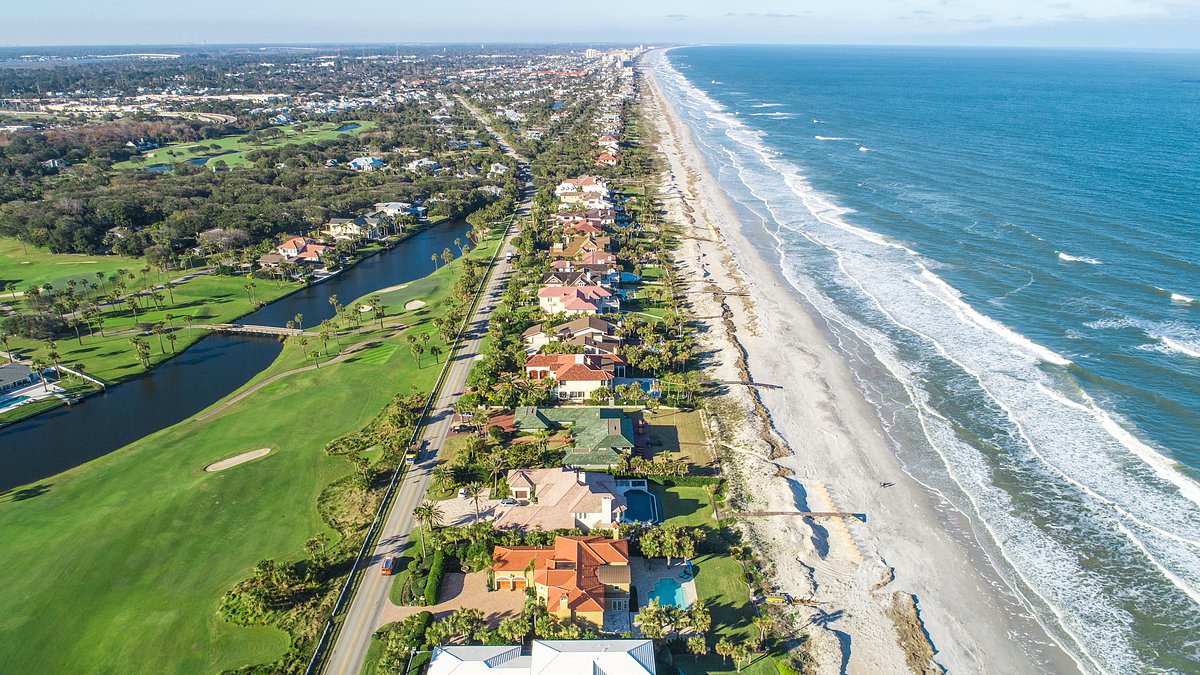
uring the pandemic, Florida became a magnet for remote‑working Americans who sought warm climates and the freedom to conduct Zoom calls in shorts and flip‑flops. The state’s coastal and inland metros surged in popularity, and home prices climbed steeply as demand outpaced supply.
Now, with many companies insisting on a return to the office, the same workers are leaving their sun‑soaked homes, and the market is feeling the squeeze. Realtor.com’s year‑end analysis shows Florida as the top state for the steepest year‑over‑year median home‑value declines, claiming six of the ten worst‑hit metro areas. The North Port‑Bradenton‑Sarasota region, in particular, recorded the largest drop, with median prices falling 8.6 %—a $36,423 decline that left the median listing at $478,800.
“During the pandemic, demand was sky‑high because people could work from anywhere,” said Ron Myers, owner of Ron Buys Florida Homes. “Now, many from New York and the North have to return to their offices, and their homes haven’t appreciated—there’s been a real drop.”
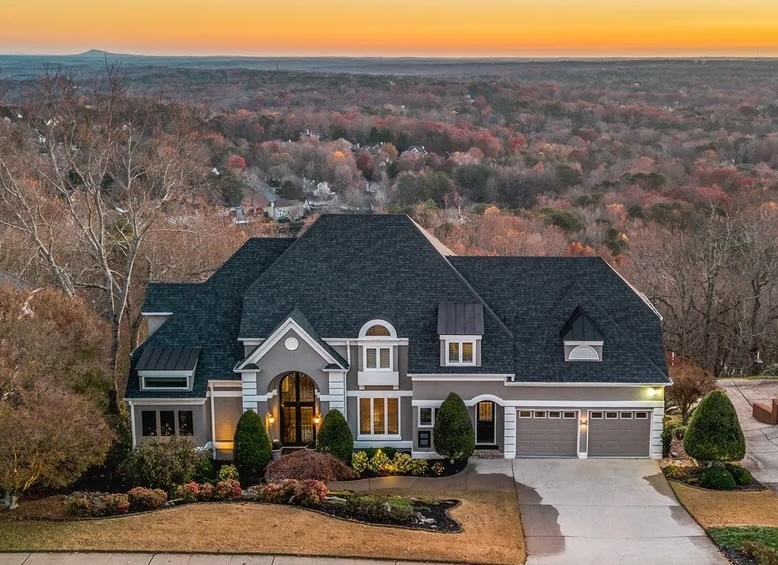
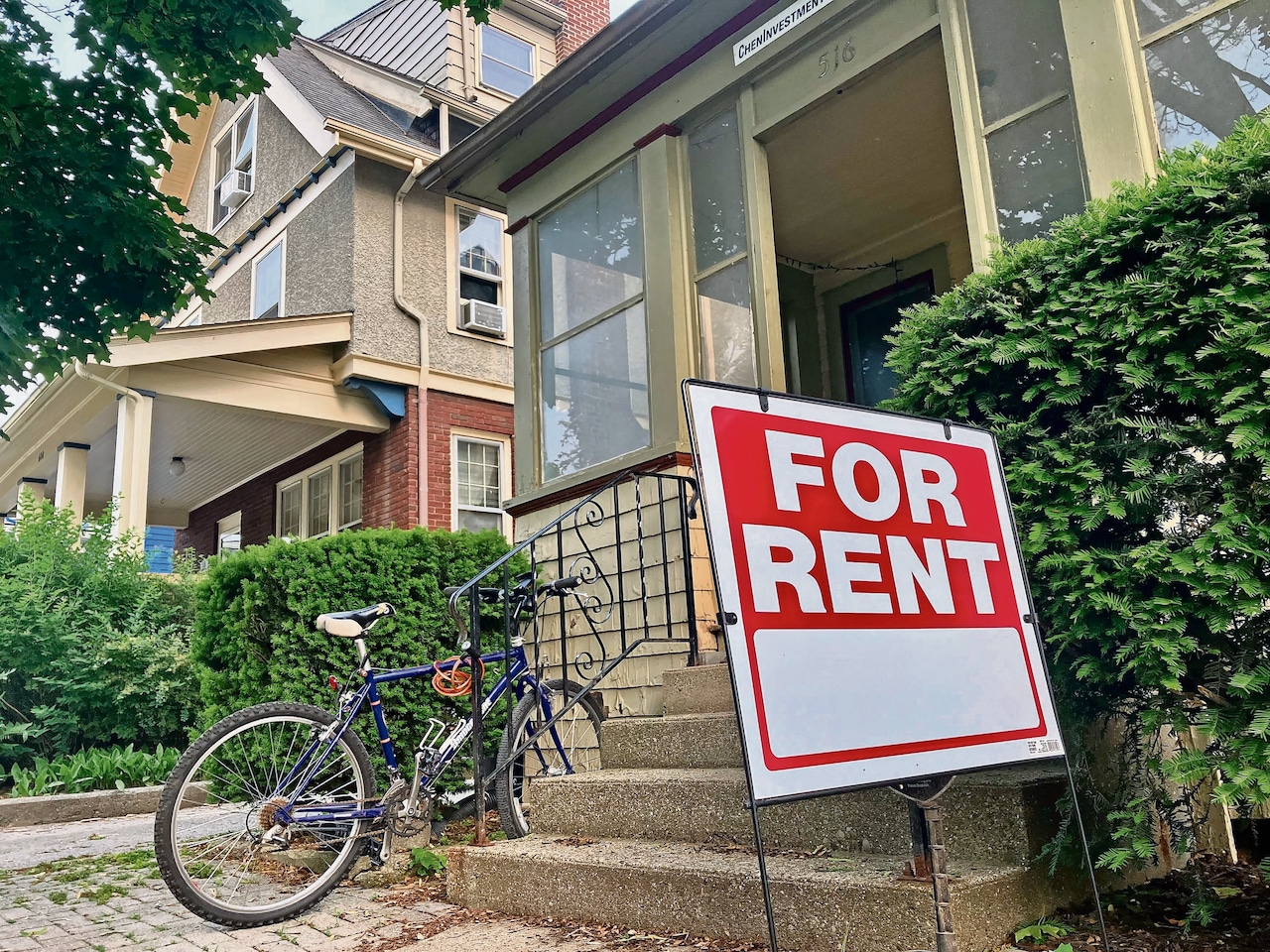
Cape Coral‑Fort Myers followed closely, with a 7.9 % median price decline to $399,900, a $29,393 fall from the previous year. The area has become a flurry of “for sale” signs, and local agents describe it as one of the worst markets for sellers. More than half of Cape Coral homes have seen price cuts over the past two years, the highest among U.S. metros. Katrina Allison, a Cape Coral broker, noted that the influx of remote workers has vanished, leaving many properties devalued.
Central Florida’s Lakeland‑Winter Haven and Deltona‑Daytona Beach‑Ormond Beach metros also slipped 4.4 % in median value, while the Tampa‑St. Petersburg‑Clearwater area fell 4.2 %. Jacksonville’s surrounding metro, the state’s most populous, experienced a 3.3 % dip. “The remote‑worker boom is over,” said Jacksonville agent Kati Spaniak. “Now there’s a glut of new construction, making it hard for slightly older homes to compete.”
Spaniak warned that many buyers who purchased for remote work are now burdened by higher insurance and property taxes, while home prices have dropped. “Sellers need to lower prices because the market isn’t rebounding soon,” she said, predicting further declines into next spring and summer. She added that buyers are waiting, and sellers are reluctant to budge, creating a stalemate that will only worsen.
Beyond the return‑to‑office mandate, rising homeowner association fees, insurance costs, and an oversupply of homes are driving Florida’s value spiral. Myers cautions that insurance rates are projected to worsen in 2026, deterring potential buyers even if homes are affordable. “Not many can afford those exorbitant rates,” he said.
Both Myers and Spaniak agree that sellers in distressed markets must price below competitors to attract buyers. In 2021‑22, buyers from other states bid high on unseen properties, hoping for future appreciation. Now, with many forced back to work, dual mortgages or a mortgage plus rent are unsustainable, and the market is experiencing a wave of simultaneous sell‑offs.
In summary, Florida’s once‑thriving remote‑work real‑estate boom has turned into a sharp decline. The state dominates the list of metros with the steepest median home‑value losses, driven by a mass exodus of remote workers, rising costs, and an oversupply of inventory. Sellers face steep price reductions, while buyers remain cautious, leading to a market that is likely to continue falling into the coming months.