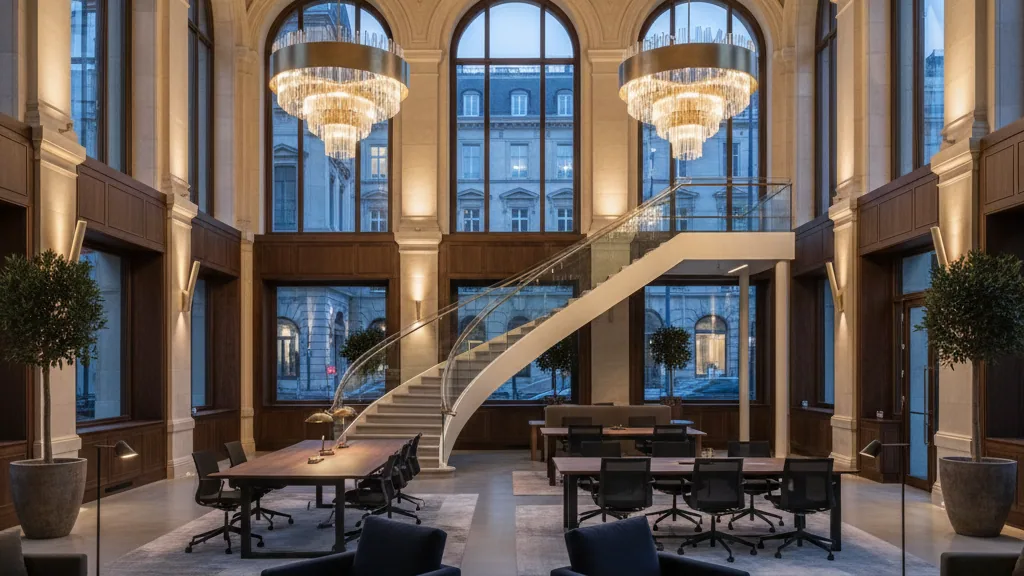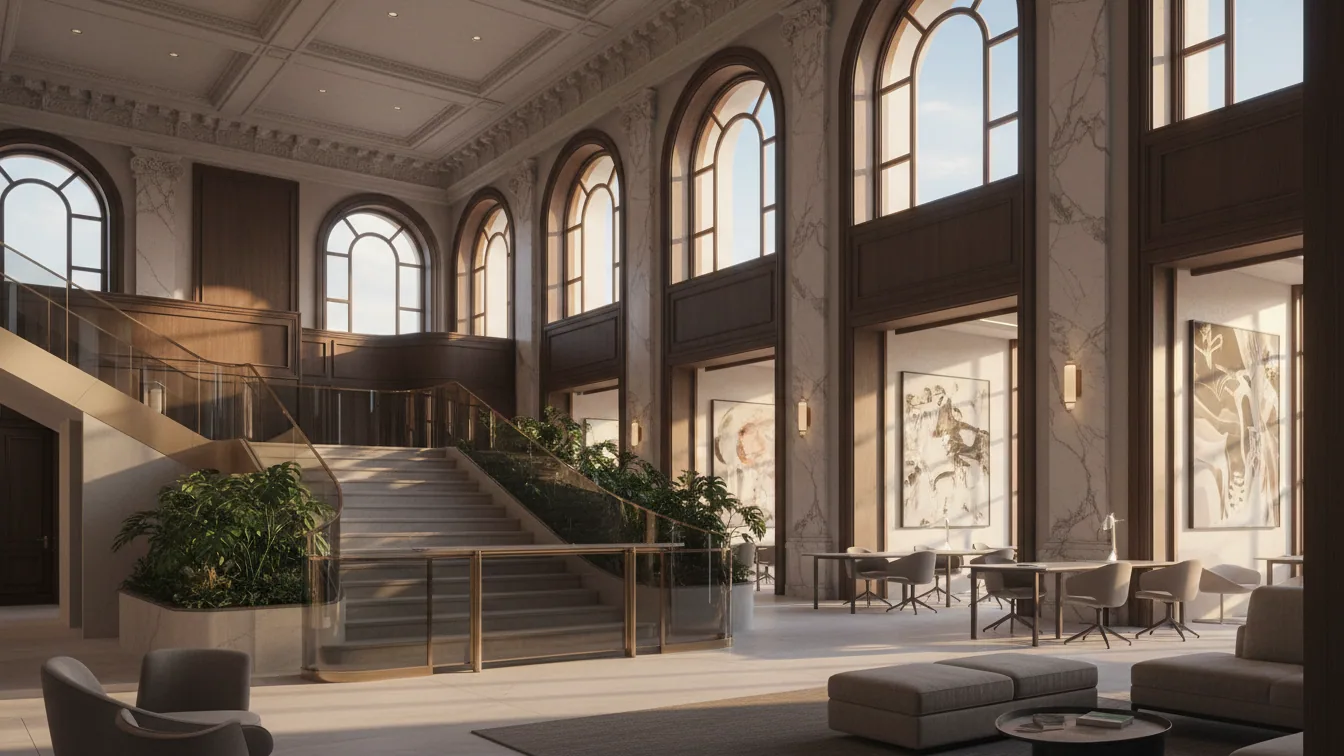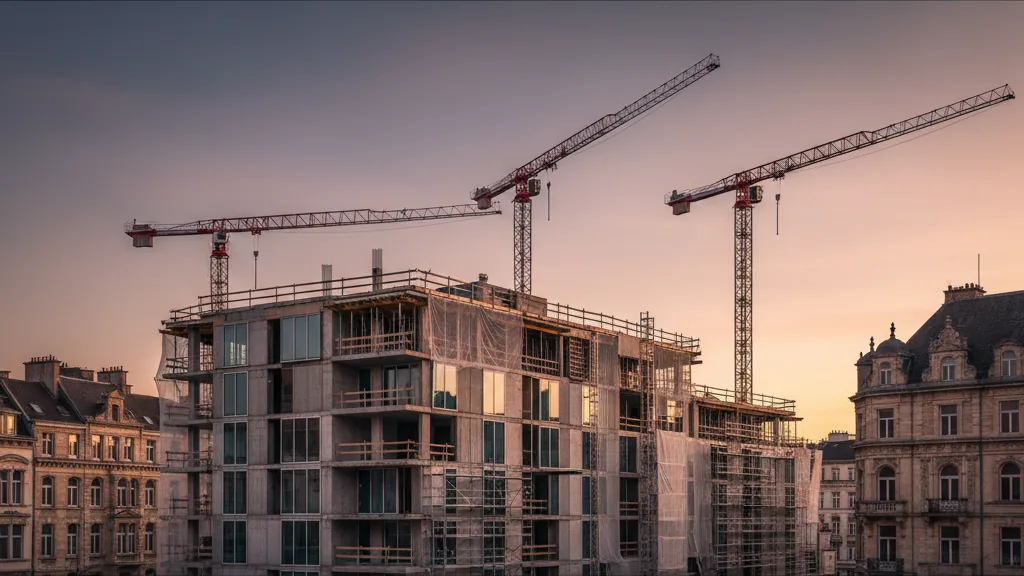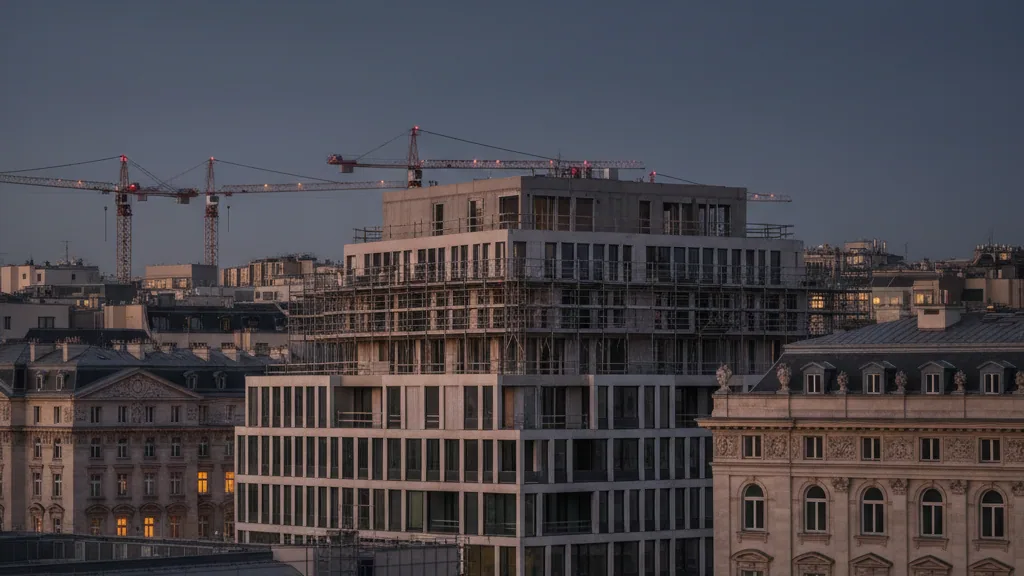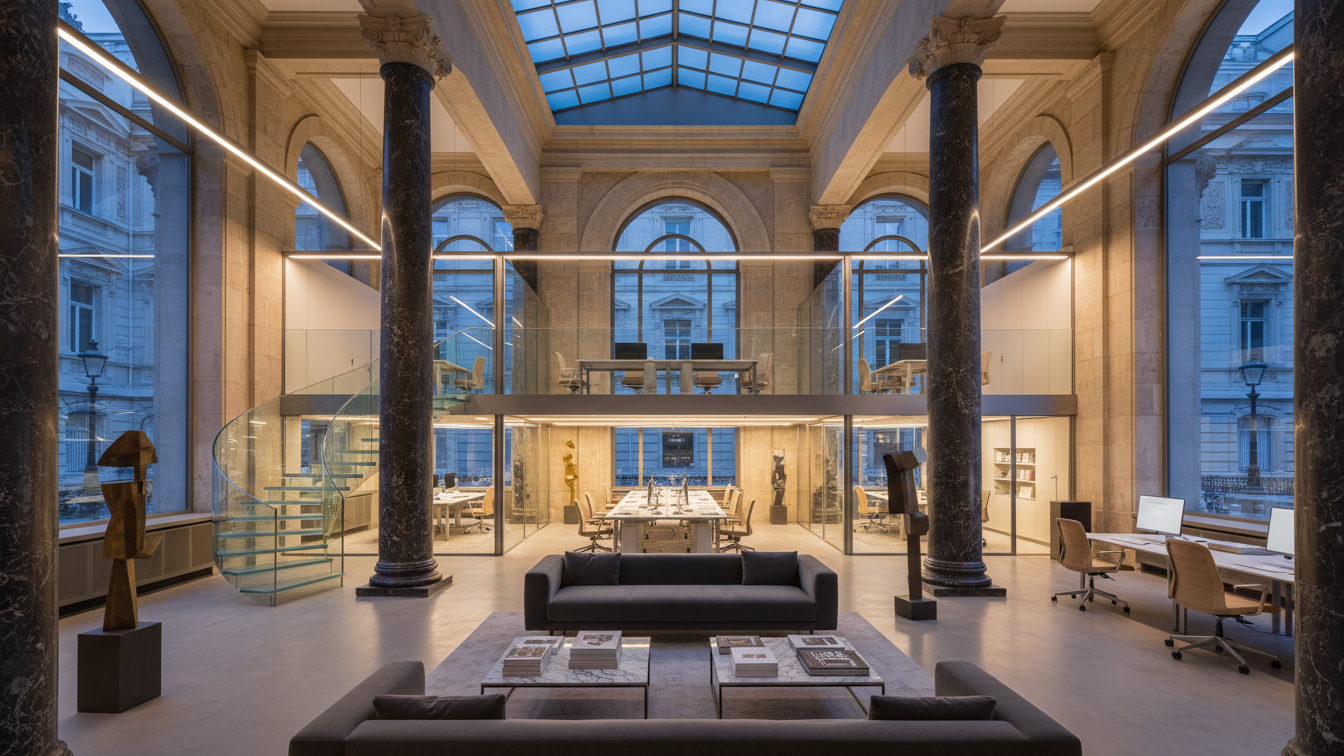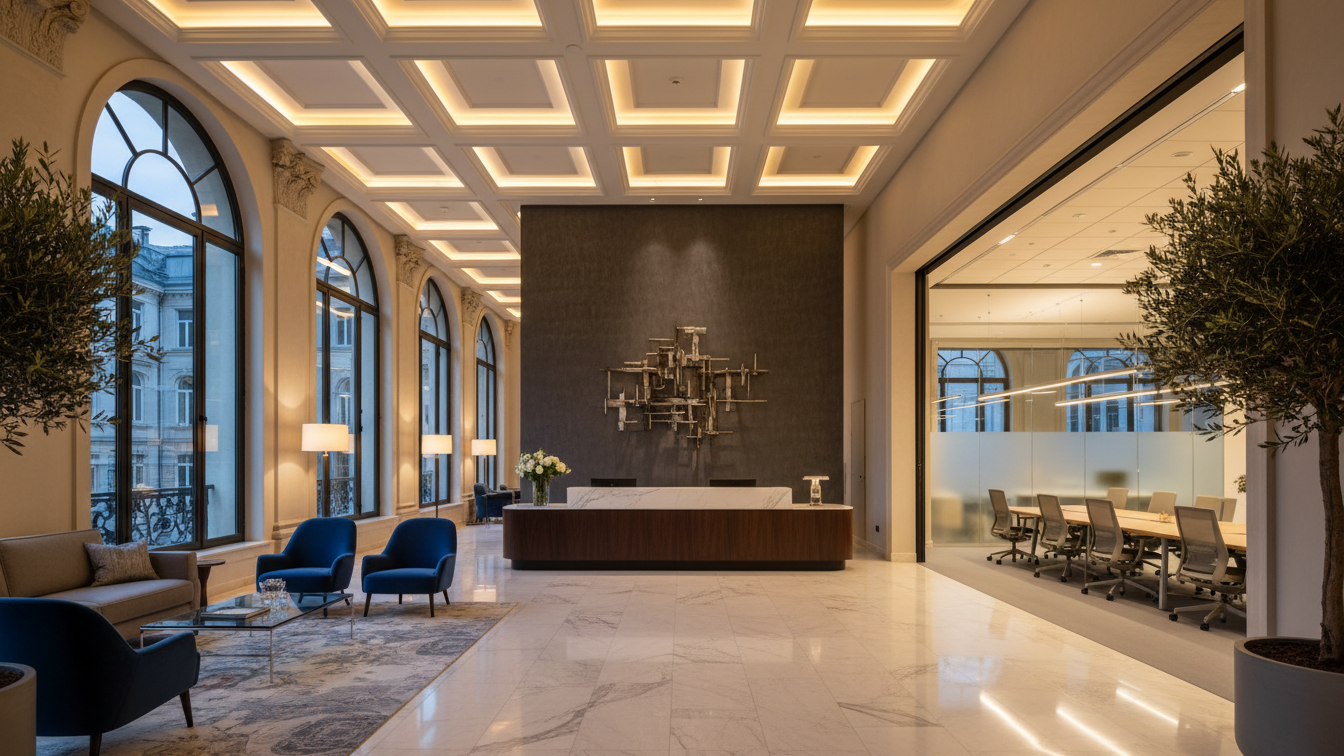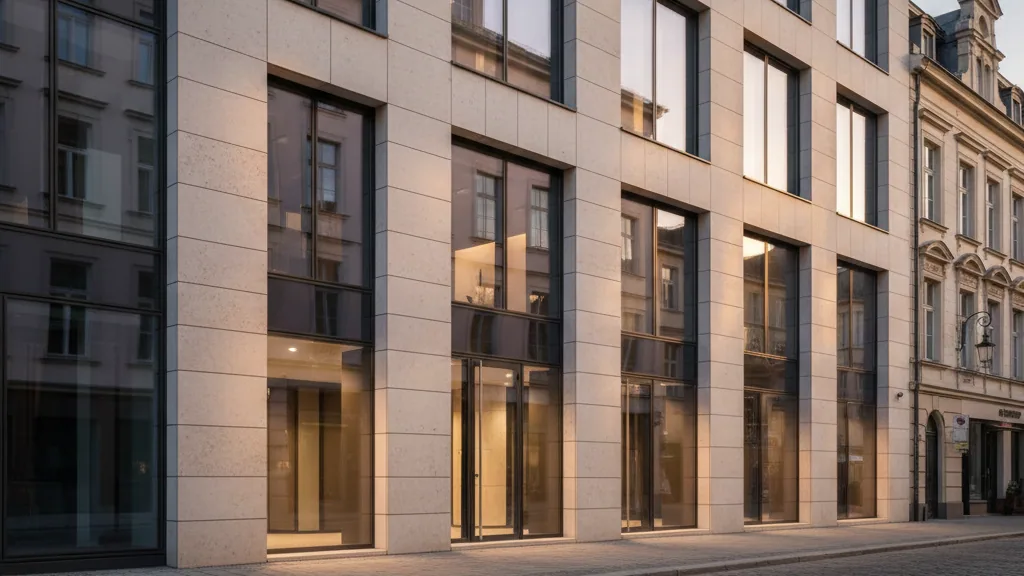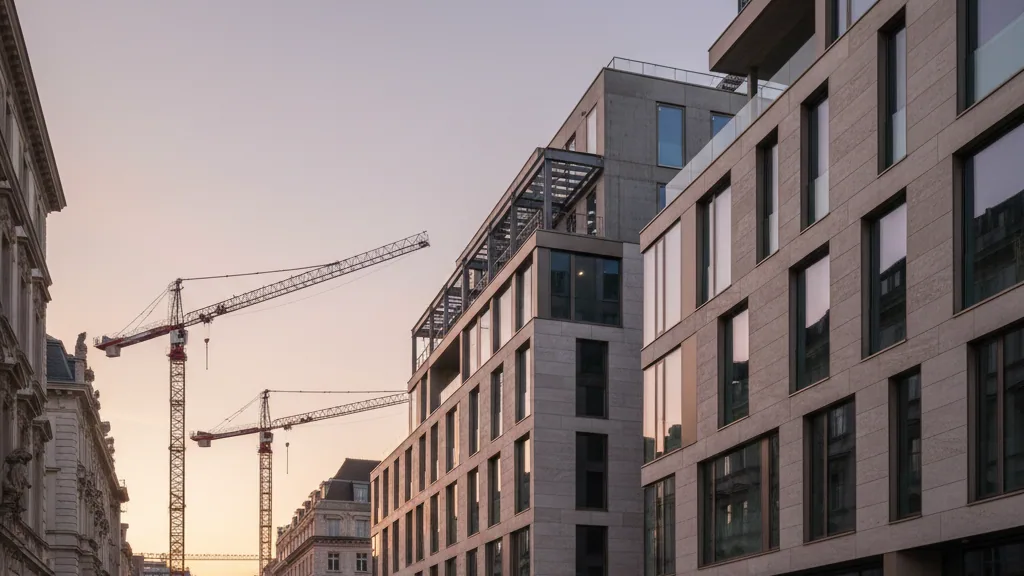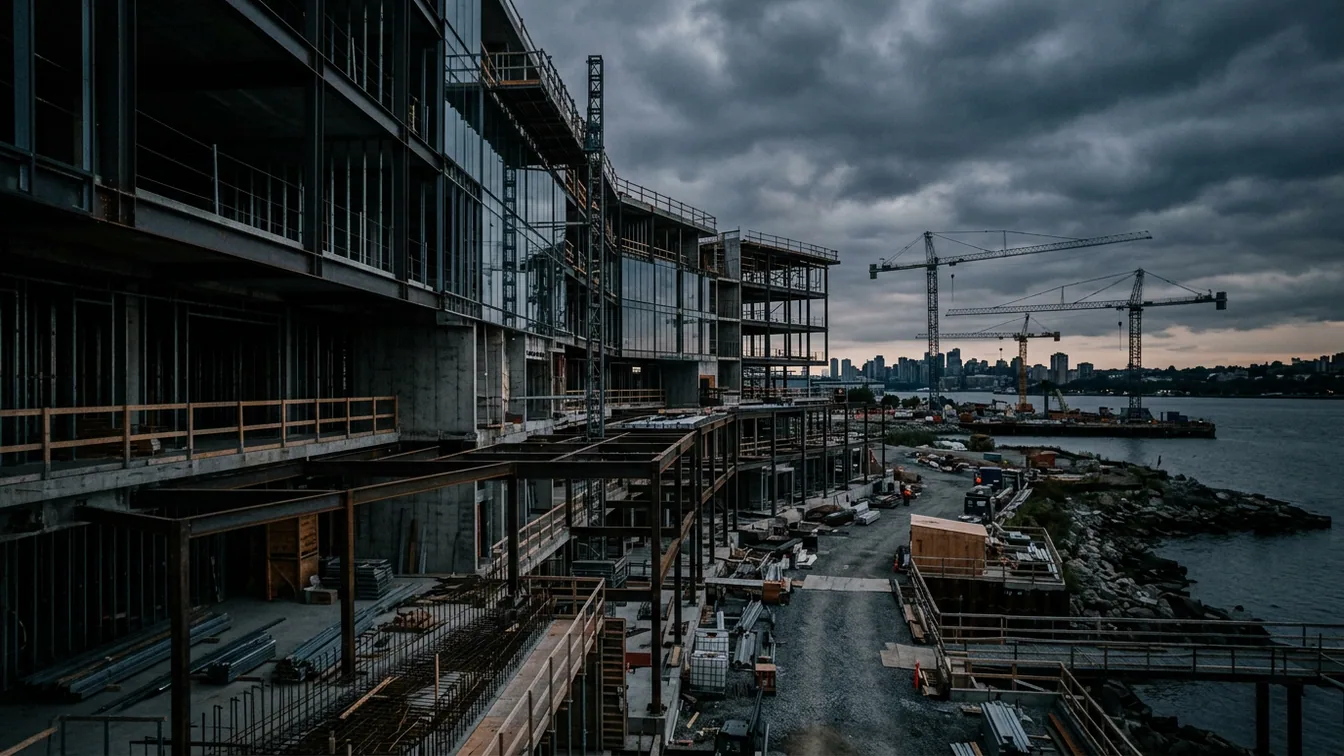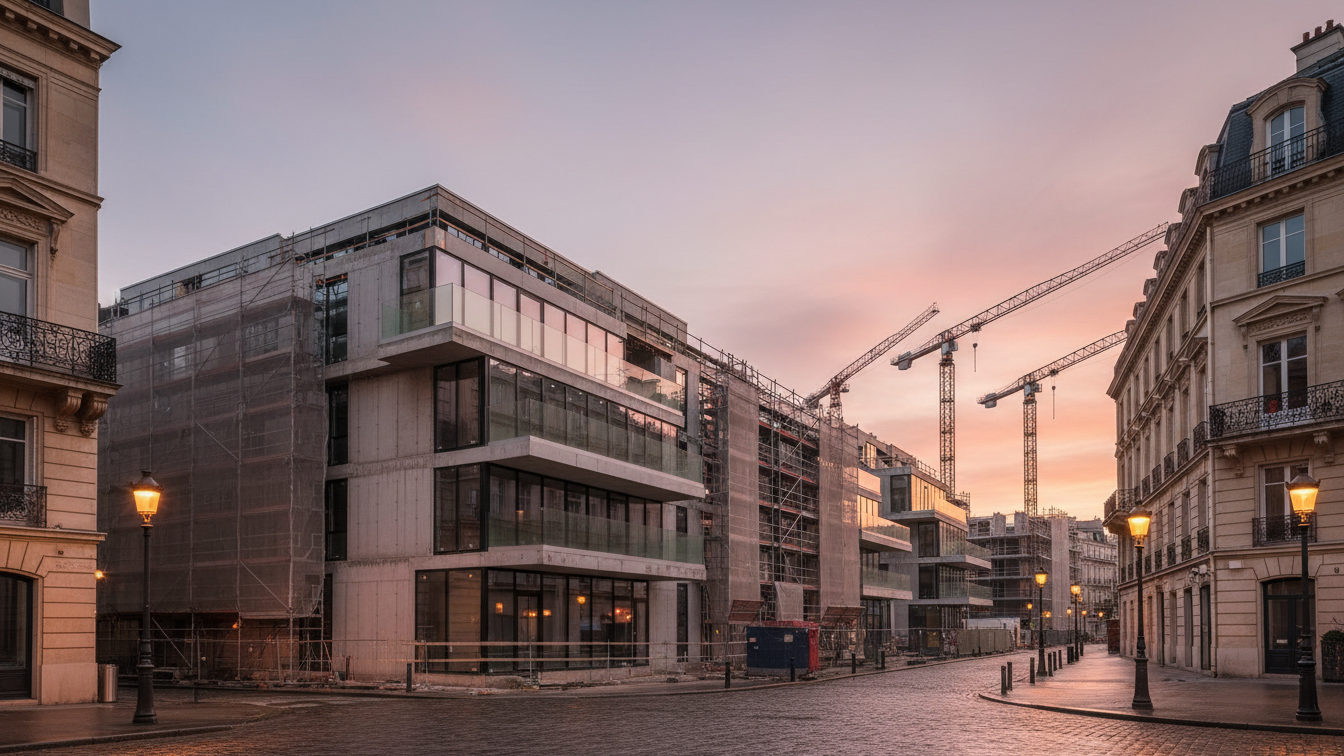
As part of the WohneNRW-Tage 2026 for public housing development in North Rhine-Westphalia, State Secretary Daniel Sieveke paid an official visit. Mr Sieveke, who works for the NRW Ministry for Home Affairs, Municipal Affairs, Building and Digitalisation, enquired about the progress of a subsidised VIVAWEST quarter. This event underscores the relevance of publicly funded housing projects for regional development and the creation of affordable housing in the region. The visit offered the participating stakeholders a platform for direct exchange on current challenges and future potential in housing development.
The WohneNRW-Tage 2026 represent a central format for presenting the achievements and opportunities of housing development in North Rhine-Westphalia. The focus is on projects supported by public funds, which thus contribute to social sustainability in urban and suburban areas. The selection of the VIVAWEST quarter for a State Secretary's visit highlights its exemplary character within these funding programmes. Such projects serve as references for the efficient and needs-based implementation of housing initiatives tailored to the population's requirements.
Significance of public housing development
Public housing development in North Rhine-Westphalia aims to ensure the availability of adequate and affordable housing. This is achieved by providing financial incentives and structural support for developers and builders. The initiative makes a significant contribution to reducing social inequalities and fostering a balanced population structure in the quarters. The State Secretary's visit to VIVAWEST underlines the Ministry's role as an initiator and supporter of such projects, which secure and improve the quality of life for many citizens in the long term.
VIVAWEST's commitment to subsidised projects demonstrates the responsibility of large housing companies in the context of urban development. Through cooperation with public funding programmes, projects can be realised that would not be feasible, or only under different conditions, without this support. This not only creates new housing but also integrates aspects such as energy efficiency, accessibility, and sustainable neighbourhood design, which are essential for the future development of urban living spaces. Continuous coordination between state-level stakeholders and project sponsors is of paramount importance here to effectively achieve the funding objectives.
Outlook and future development
The WohneNRW-Tage 2026 also serve as a forum to discuss future strategies and guidelines for housing development. The exchange with State Secretary Sieveke during the visit provides valuable impetus for the further development of the funding landscape. It is expected that the insights gained from such project visits will be incorporated into the planning of further measures to continuously optimise the effectiveness of the funding programmes. The commitment of all parties involved aims to permanently secure housing provision in North Rhine-Westphalia and adapt it to changing societal demands.