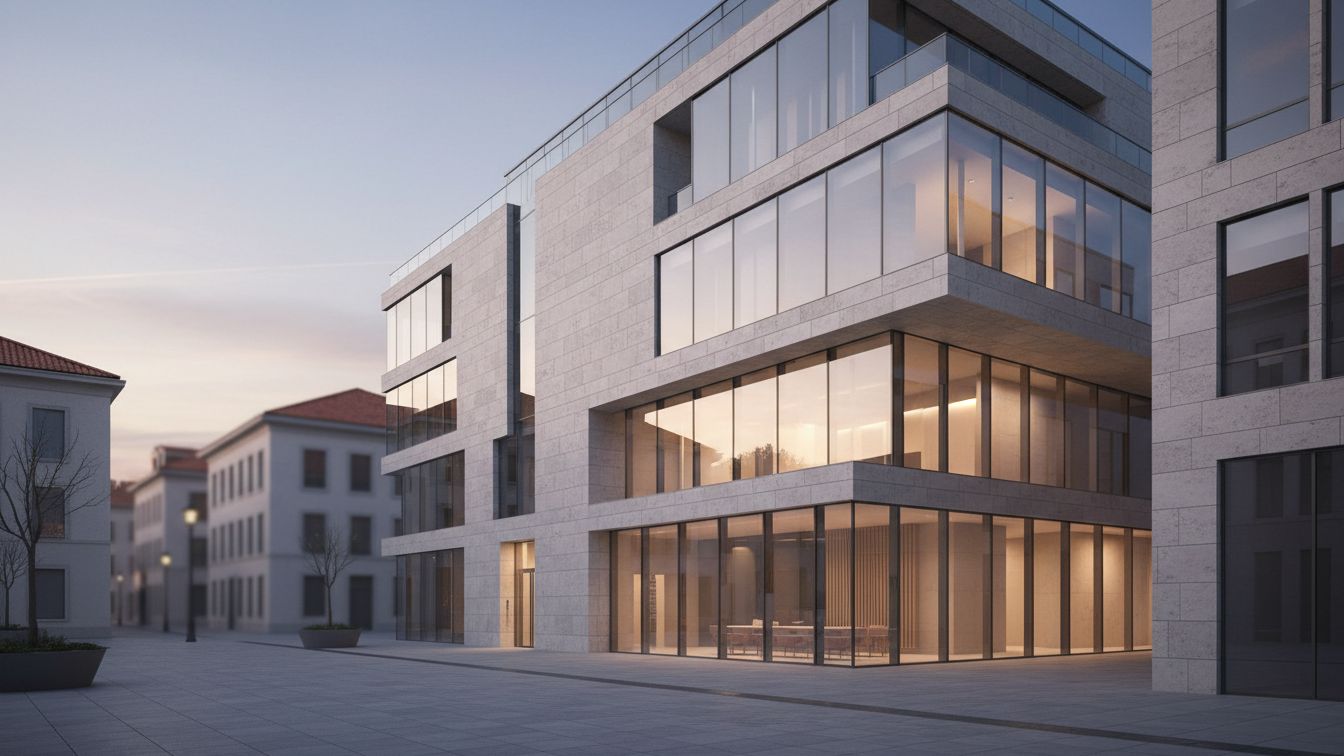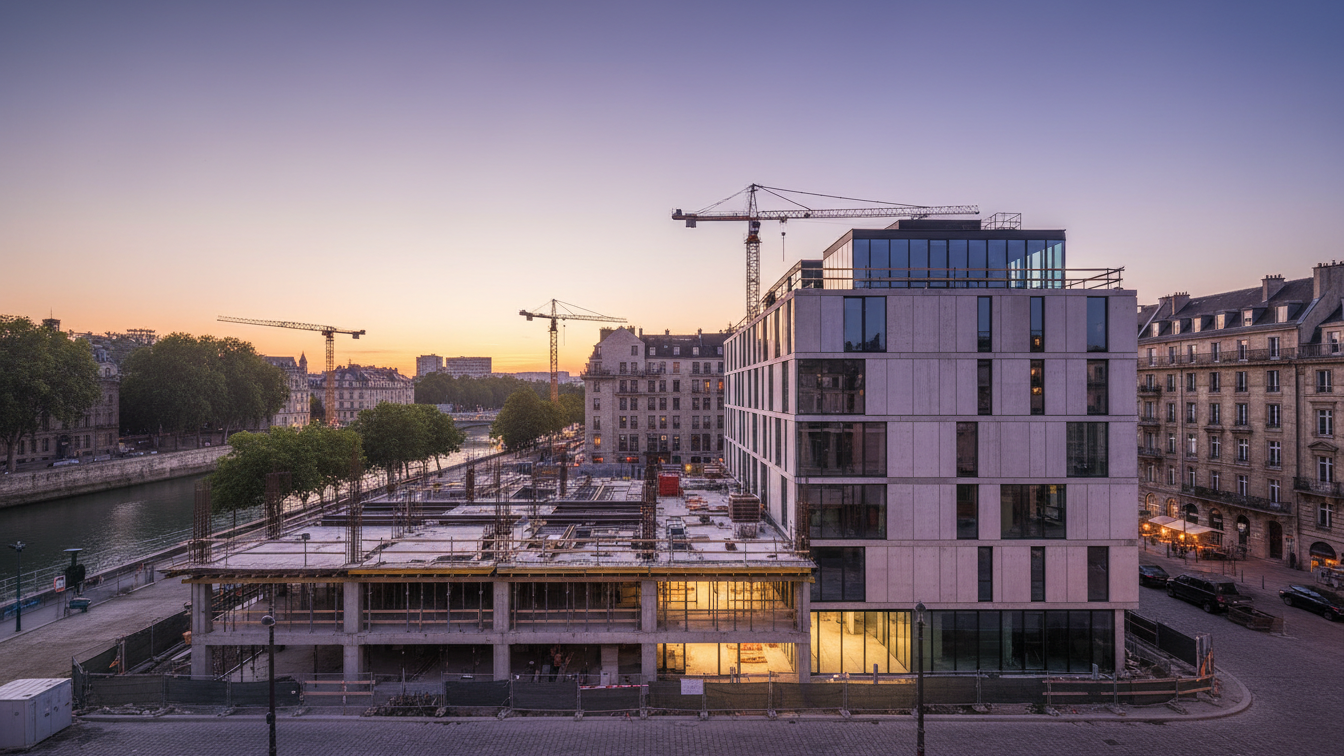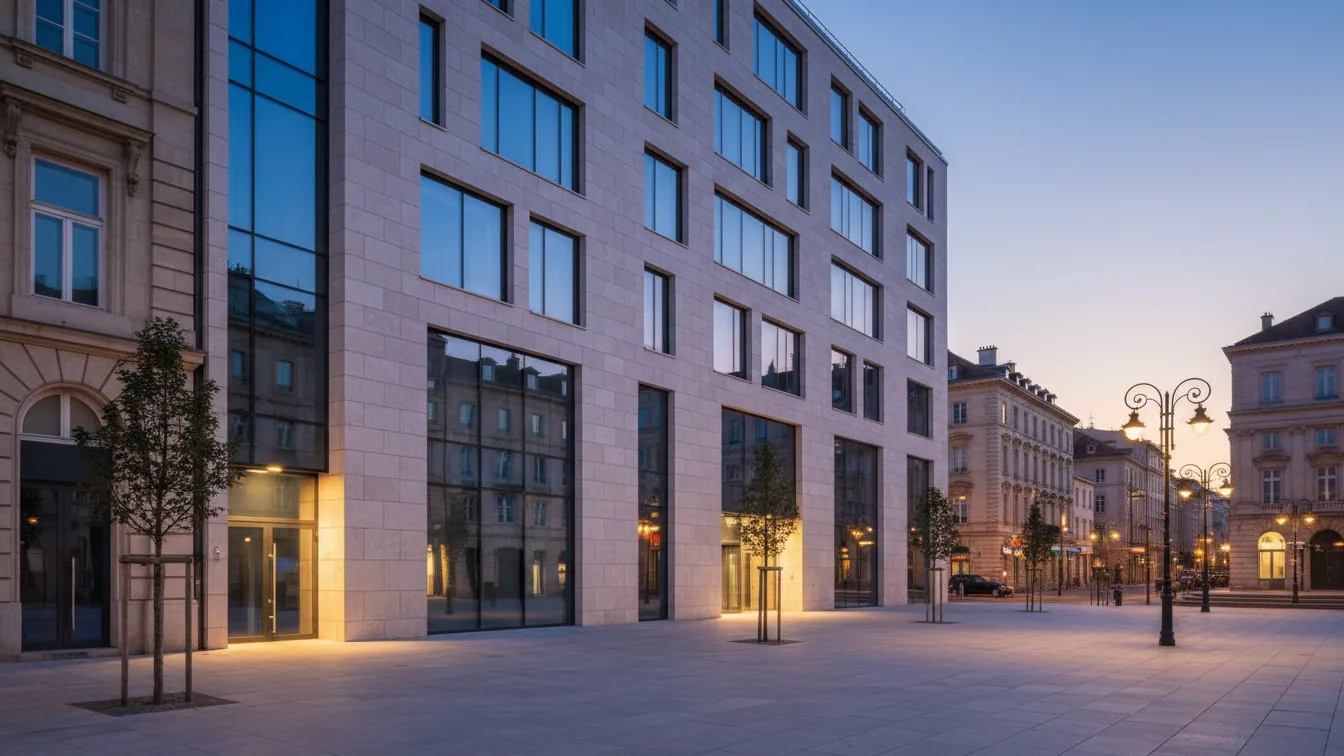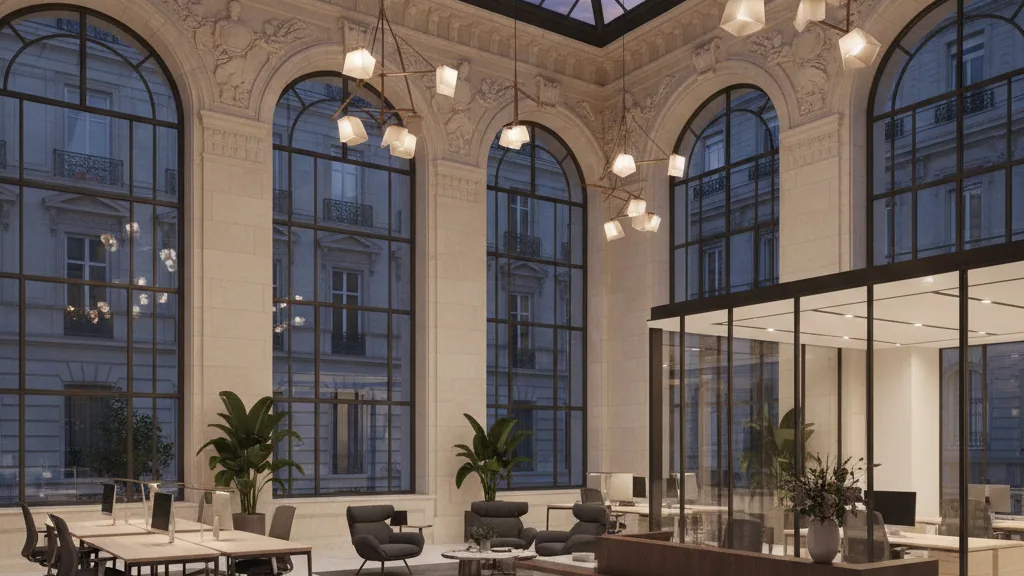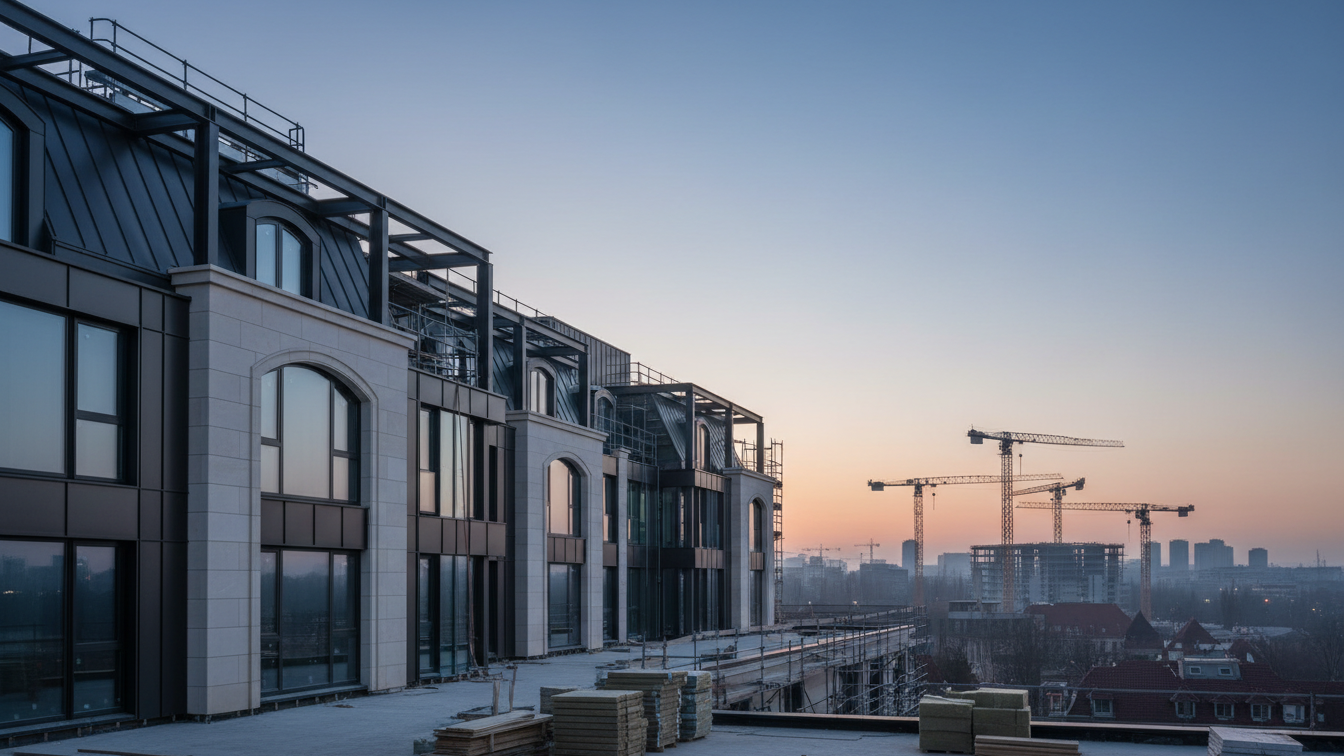
For a long time, Century City was one of Los Angeles' most concentrated office districts. However, Reuben Brothers anticipates that the next chapter for this area will be significantly more residential, experiential, and luxury-focused. At Century Plaza, the company is developing an area around the Fairmont Century Plaza Hotel and the Park Elm condominiums. The concept includes restaurants, galleries, comprehensive wellness offerings, and a newly designed public square.
For Jordana Yechiel (née Reuben) of Reuben Brothers, this strategy reflects a broader shift in how people want to live in Los Angeles. Inspiration for this comes from international examples such as the International Financial Centre in Dubai, which evolved into a 24/7 destination. There, restaurants, cultural offerings, and residences transformed an area previously dominated by business activities. At the end of August, Ms. Yechiel discussed the reasons for Reuben Brothers' substantial investment in Century City, the expectations of luxury buyers, and how the company curates tenants rather than merely pursuing occupancy rates and rents.
Strategy and Value Creation
When asked why Century City and this project fit into Reuben Brothers' portfolio, even though the company traditionally focuses on prestigious real estate and hospitality, Yechiel explained: “Century City is unique within our portfolio. We started as a traditional real estate firm, then expanded into hospitality and luxury hotels, as well as some residential developments. However, these were always 'trophy assets', be it in London, the Surrey Hotel on the Upper East Side, or our conversion of the W in South Beach to the Waldorf Astoria. Prime real estate comes first, hospitality second. We view real estate purely as a property business, as that is our mindset, and then we add the luxury aspect.”
The development in Century City is a new build project into which Reuben Brothers has invested more capital than any other venture. Ms. Yechiel emphasised the underlying conviction: “We don't just want to put more things out into the world. We want to ask: What's missing? What works? How can we help? Where do we see an opportunity to create value?”
Change in Los Angeles and International Models
Century City's appeal is also rooted in the dynamics of the last seven to eight years in Los Angeles. The real estate market and people's way of life have changed significantly. Security aspects, which were not a concern in these areas a decade ago, have now become relevant. There have been considerable migratory movements, with some residents commuting between coasts or leaving the state, but still considering California an attractive location. A shift away from Downtown Los Angeles is also observable. Ms. Yechiel describes Century City as an “unusually concentrated hub of wealth and workforce” within a small area, which is also only five minutes from Beverly Hills, Spago, and the Beverly Hills Hotel.
According to Yechiel, the parallels to the Dubai International Financial Centre (DIFC) are evident. The DIFC, once a purely business area with towers, banks, and law firms, developed into a thriving centre through the integration of five-star restaurants and art galleries, also becoming attractive for residential living. Similarly, Reuben Brothers aims to make Century Plaza a destination through diverse offerings. The excellent transport links, including proximity to the 405, the upcoming metro, and a vertiport on the skyscraper for air taxi services like Joby/Blade, underscore the development's forward-looking vision.
Instead of directly competing with the Century City Mall, Reuben Brothers views it as a complement. Anchor restaurants were selected based on the criterion of integrating offerings that were not yet available in the existing environment. Art galleries, analogous to their success in the DIFC, are intended to create cultural attractions. A particular highlight is “The Estate” with Sam Nazarian and Tony Robbins, which pursues a pioneering wellness concept with a membership model focused on preventive healthcare.