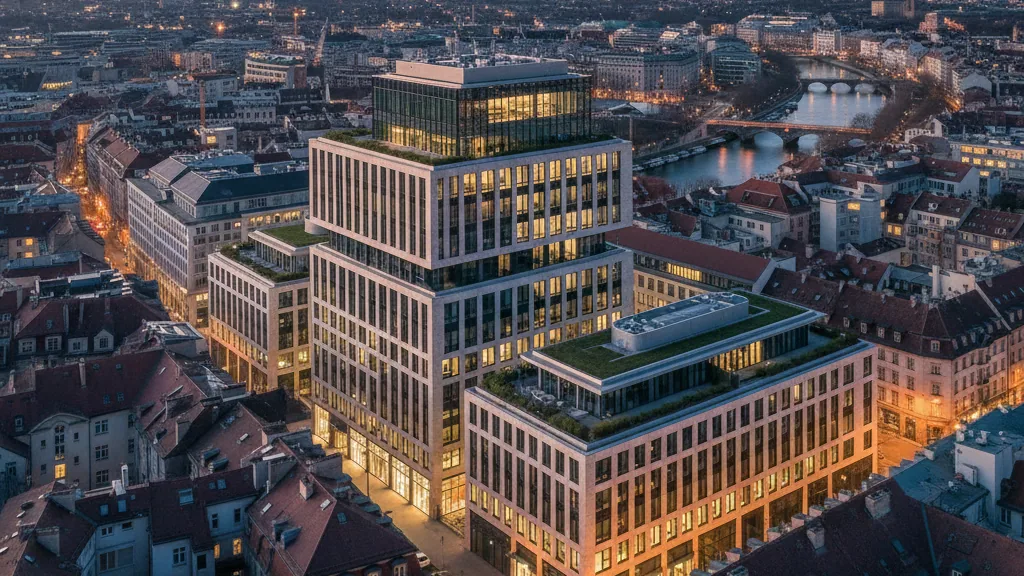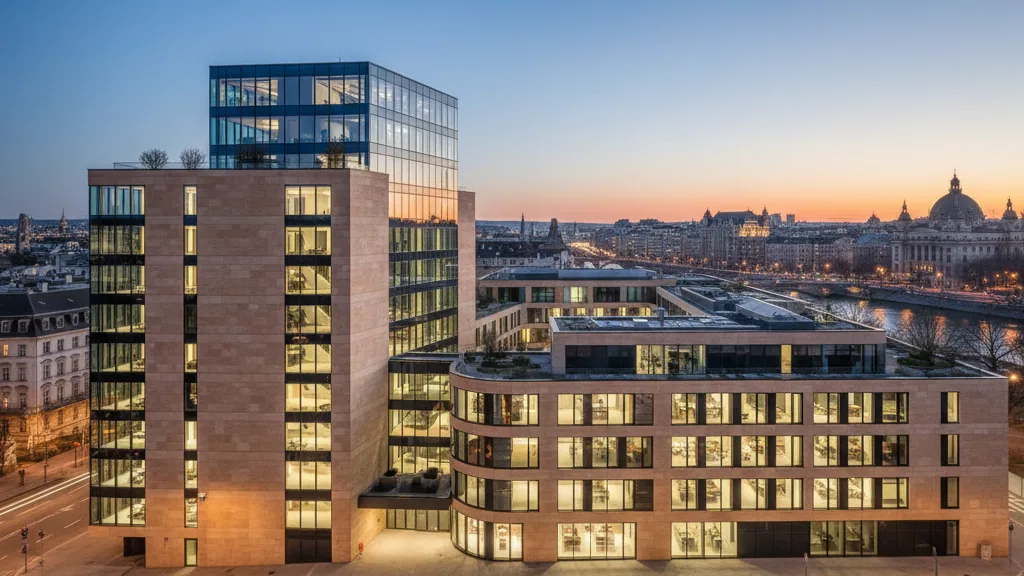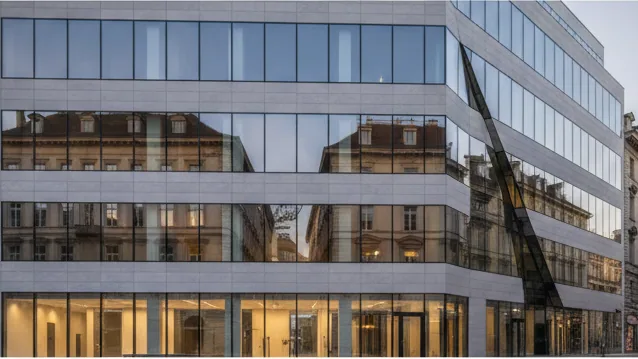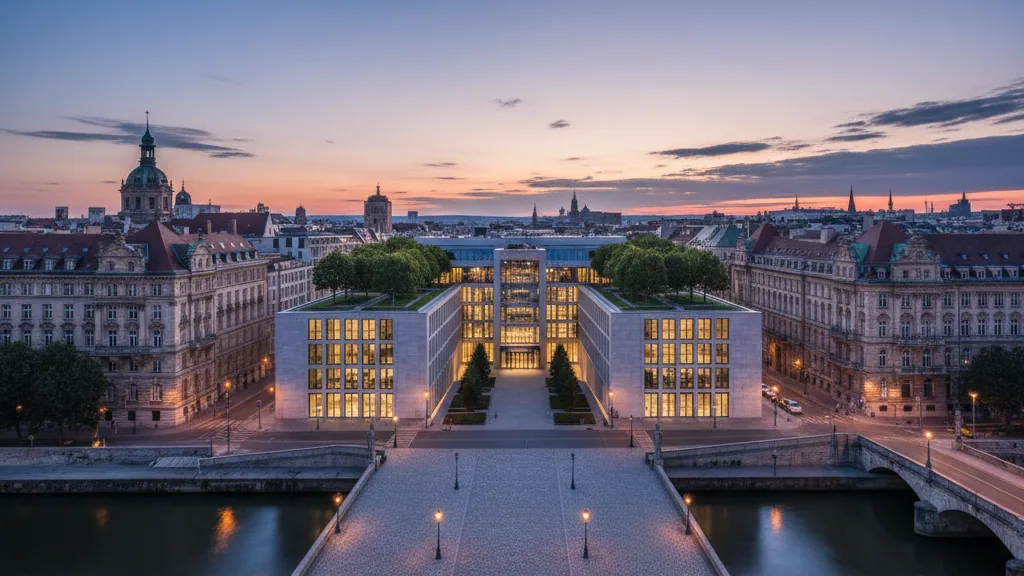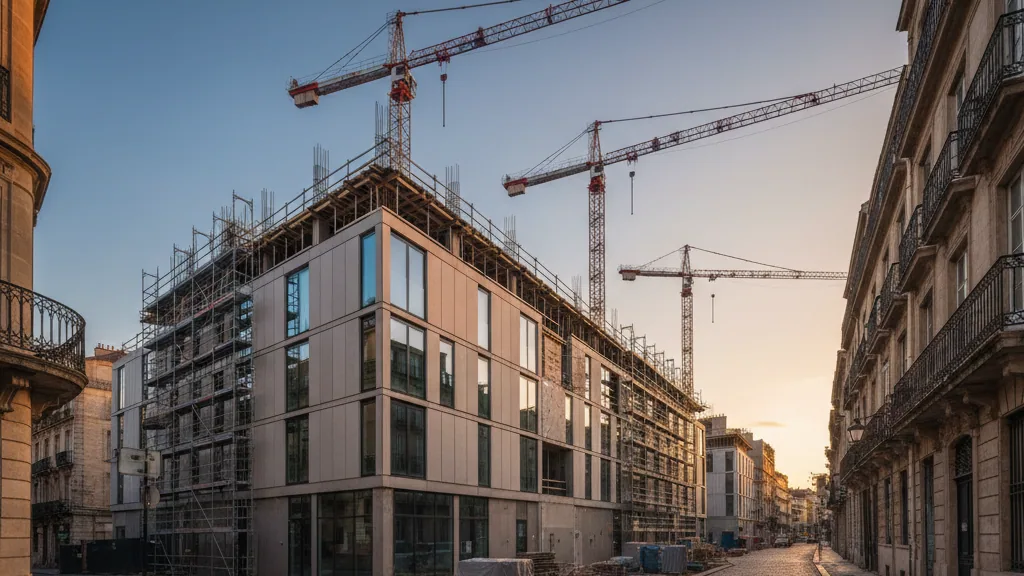
The nationally active property developer Bonava has announced the sales launch for the first construction phase of the "Waldpanorama" district. The construction project in Berlin's Buch district, Pankow borough, envisages the creation of approximately 450 residential units in total. The spectrum of planned housing types includes condominiums, furnished apartments, and options for senior living.
In the initial sales phase, 18 condominiums are being offered. These units are part of a larger complex of 182 condominiums and feature living spaces ranging from 47 to 112 square metres. All apartments are equipped with a balcony or a terrace. The turnkey handover of the first apartments is scheduled for March 2028.
Location and Features
Alexander Haß, Project Manager at Bonava, states that the residential units are located in the northern part of the Ludwig-Hoffmann-Quartier in Berlin-Buch. He highlights that the location, directly adjacent to a woodland plot, offers a combination of urban infrastructure and tranquil living. Connectivity to Berlin's city centre is ensured via the Buch S-Bahn station, which is within walking distance. In addition to the residential buildings, two underground car parks are planned. The residential buildings will be connected to a cold local heating network with geothermal probes, enabling a heating supply independent of fossil fuels.
The district is being developed on the site of a former clinic and is characterised by its integration into a green environment and short daily commutes. The concept envisages an almost car-free district, with access points secured by barriers to ensure peace and safety for residents. In the immediate vicinity of the district are three daycare centres, two schools, and other social facilities. A sports hall and newly constructed playgrounds are available, and a supermarket is within walking distance. The adjacent forest serves as a local recreation area.
Historical Context and Realisation Period
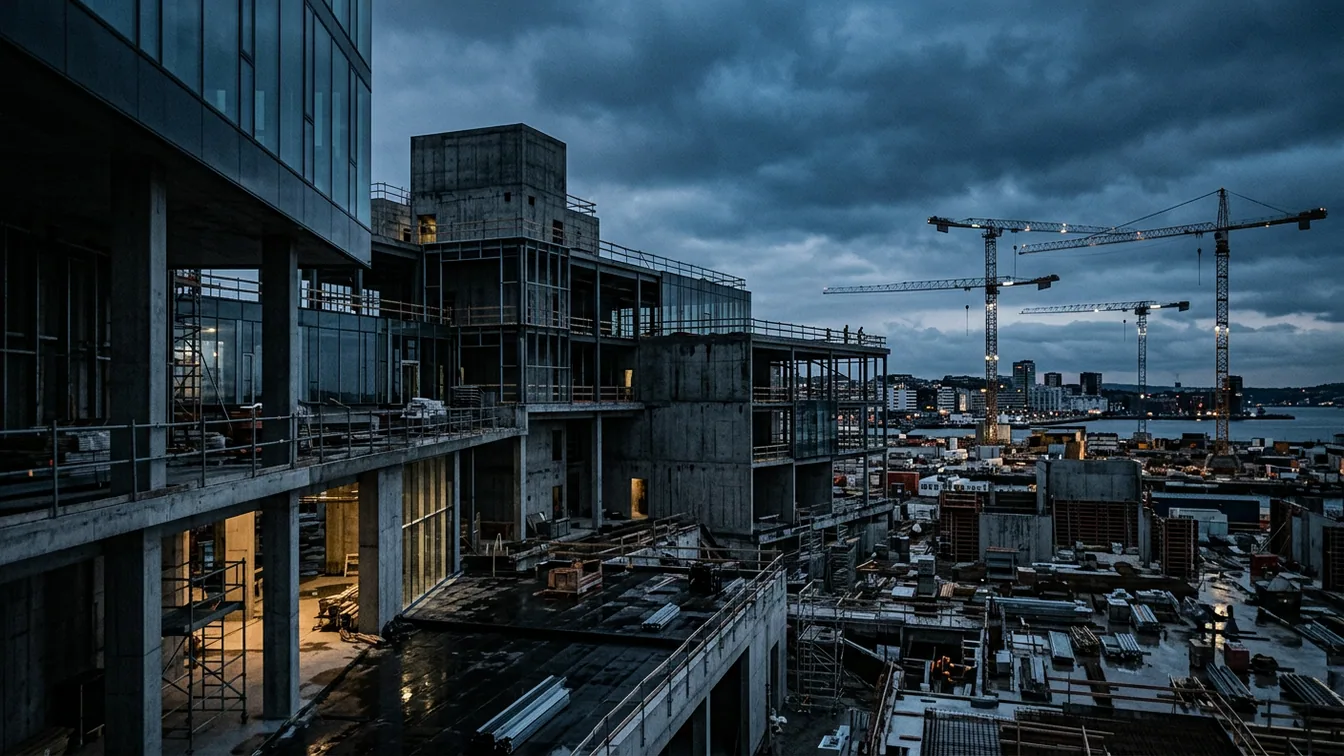
The overall development of the district is scheduled to be completed by 2030. The construction site also holds historical significance: during preparatory work, traces of a Bronze Age settlement were discovered on part of the area. These findings included a fireplace, a cooking pit, and various pottery shards. Documentation was carried out in coordination with the State Monuments Office, after which construction work could proceed as planned.