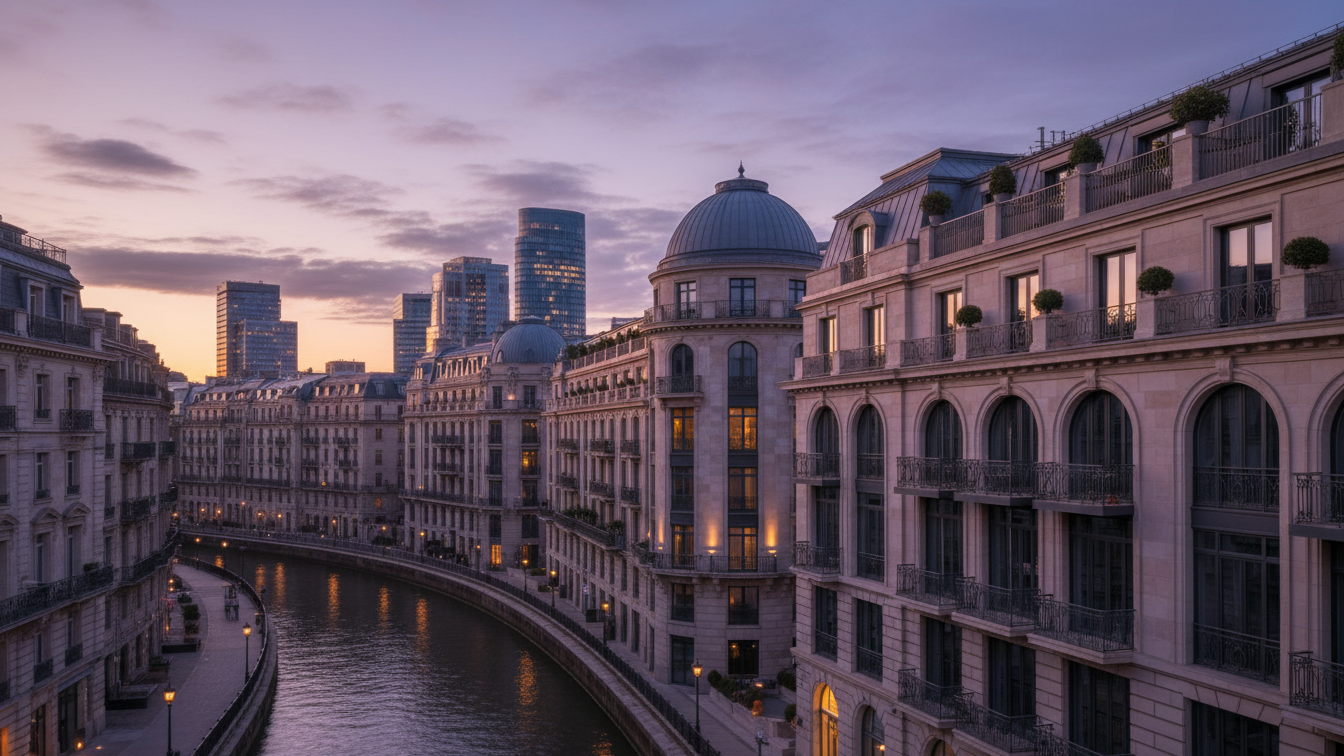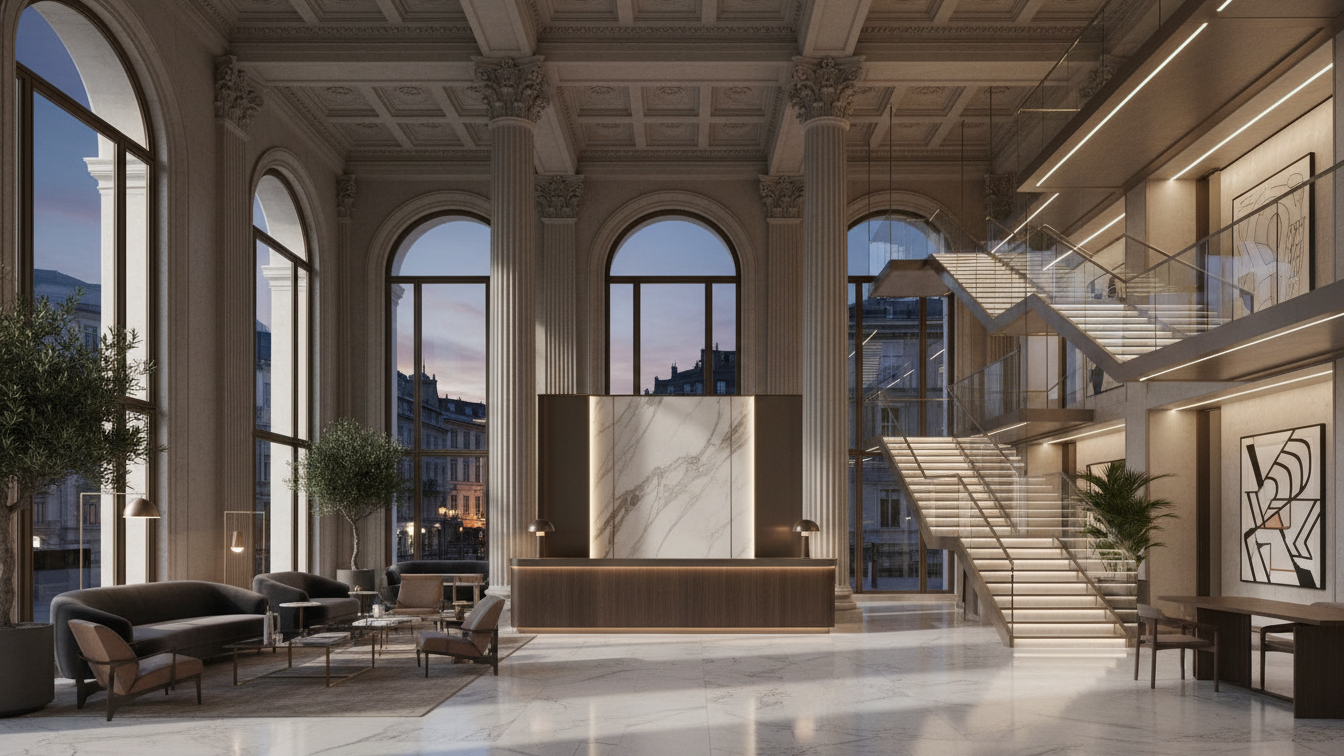
The standard of luxury in residential real estate was traditionally measured by visible and quantifiable metrics: square footage, ceiling heights, number of amenities, or the length of the service list. Today, however, discerning buyers are increasingly drawn to the experiential qualities of a home: how it feels to move through the space, the sense of privacy and tranquillity it conveys, its connection to the surroundings, and how thoughtfully it supports daily life.
In New York City, where space is inherently scarce and neighbourhoods possess distinct histories and identities, the most valuable attributes of a home are often those that cannot be easily replicated. Privacy, authenticity, craftsmanship, and a genuine sense of place are emerging as the new hallmarks of luxury.
Place-Based Development and Design
This shift has been observed first-hand at Avdoo. From the outset, the company has held the conviction that every project should respond to its neighbourhood rather than follow a generic formula. The approach begins with examining the history, architecture, and character of the location. Subsequently, a team of architects, interior designers, and landscape architects is assembled whose perspectives do justice to this specific place.
For example, in their Bergen Condominium project, Avdoo collaborated with Taller Frida Escobedo, DXA Studio, and Workstead to create a building rooted in the character of Boerum Hill and Brooklyn's creative culture. Architecture, interiors, landscaping, and programming were conceived jointly to establish a distinctive living experience that reflects the surroundings. At 110 Boerum Place, in turn, the collaboration was with local architect Brent Buck and Brook Landscape to balance the privacy and expansiveness of a Cobble Hill townhouse with the amenities of a full-service condominium.
The deliberate search for designers with diverse views, including emerging talents undertaking their first major residential commissions, is an integral part of this strategy. The goal is not to create a building that could exist anywhere, but one that feels genuinely at home in its specific location. This sense of authenticity is becoming increasingly important for buyers.
Lasting Value Through Quality and Thoughtful Amenities
There is a renewed appreciation for natural materials, craftsmanship, and thoughtful details. Customers recognise the difference between what is fashionable today and what will still feel contemporary in 20 or 30 years. A building with strong proportions, durable materials, and a clear architectural identity possesses a permanence that cannot be created by a longer list of amenities.
Some of the most significant investments in a residential building are those that a buyer may not immediately notice during a viewing. Construction quality, acoustics, circulation, material durability, and the functionality of spaces over time influence daily life. These elements may not generate the same immediate reaction as a dramatic lobby or a rooftop pool, but they ultimately determine whether a home feels exceptional long after the first impression.
Privacy has always been central to luxury, yet the way it is expressed within a home has evolved. In a city as dense and dynamic as New York, a home that offers a true sense of retreat is incredibly valuable. This can be achieved through thoughtful layouts, private outdoor spaces, carefully planned circulation, and an architecture that creates a sense of calm amidst the city's energy. Outdoor spaces are therefore fundamental. Courtyards, gardens, terraces, and communal outdoor areas are considered from the earliest planning stages, rather than being added at the end of a project.
The value of an amenity suite is not determined by its size or the number of rooms offered, but by how thoughtfully it responds to the building's context and community. The most successful amenities are tailored to the project, adapted to the interests and lifestyles of its residents, and seamlessly integrated into the living experience. At Bergen, the amenities were understood as an opportunity to build community and strengthen the project's connection to Brooklyn. This included, for example, a residents' tea lounge programmed by Kettl, a ceramics studio with BKLYN Clay, and an art studio curated by Arts Gowanus, alongside a wellness programme.
These partnerships give the building an authentic relationship with the neighbourhood, rather than treating amenities as a mere checklist. The strong demand recorded for both Bergen and 110 Boerum Place confirms that buyers respond to this approach. They desire thoughtful architecture, generous outdoor spaces, and meaningful amenities, but they also desire a home that is connected to its neighbourhood and distinct from the next building. For developers, creating this kind of lasting value requires a willingness to invest in elements that may not deliver an immediate marketing return. It means considering how a building will age, how its materials will perform, how residents will move through its spaces, and how its architecture will contribute to the neighbourhood decades later. When expanding beyond Brooklyn into neighbourhoods like Hudson Square and the Upper East Side, the strategy remains unchanged.