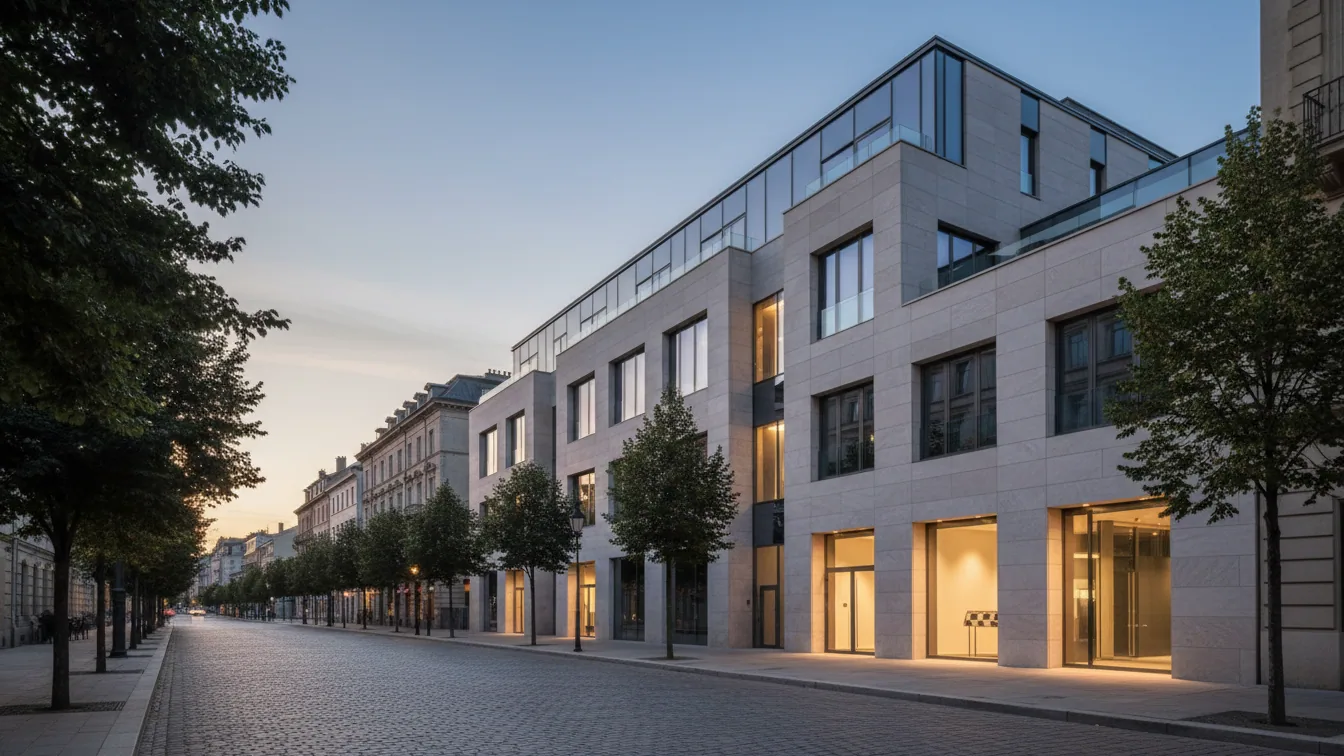
Property developer SORAVIA has reached a significant milestone in the regeneration of the former Thyssenkrupp site in Cologne-Ehrenfeld. With zamus, the European innovation centre for early music, a prominent tenant has been secured for the long term. The lease agreement has been concluded for a term of 25 years, alongside an option to extend for a further five years. Hans-Peter Weiss, COO of SORAVIA, District Mayor Maria Helmis-Arend and Mélanie Froehly from zamus officially launched the upcoming conversion works on Thursday, 5 November 2026.
The hub for the future cultural use will be a listed administration building dating from 1922, built in the Brick Expressionist style. Around 2,100 square metres of space in this structure will be modernised by January 2028. Rehearsal and event halls, rooms for artist residencies, office units and practice booths will be created there. SORAVIA is responsible for the conversion in partnership with the firm Jocks Planungen. Specialist acoustic planning is being undertaken by GRANER + PARTNER. The relocation is largely funded by the City of Cologne and the Ministry of Culture and Science of the State of North Rhine-Westphalia, supplemented by grants from the NRW Foundation and the Kämpgen Foundation.
Total site offering 50,000 square metres of gross floor area
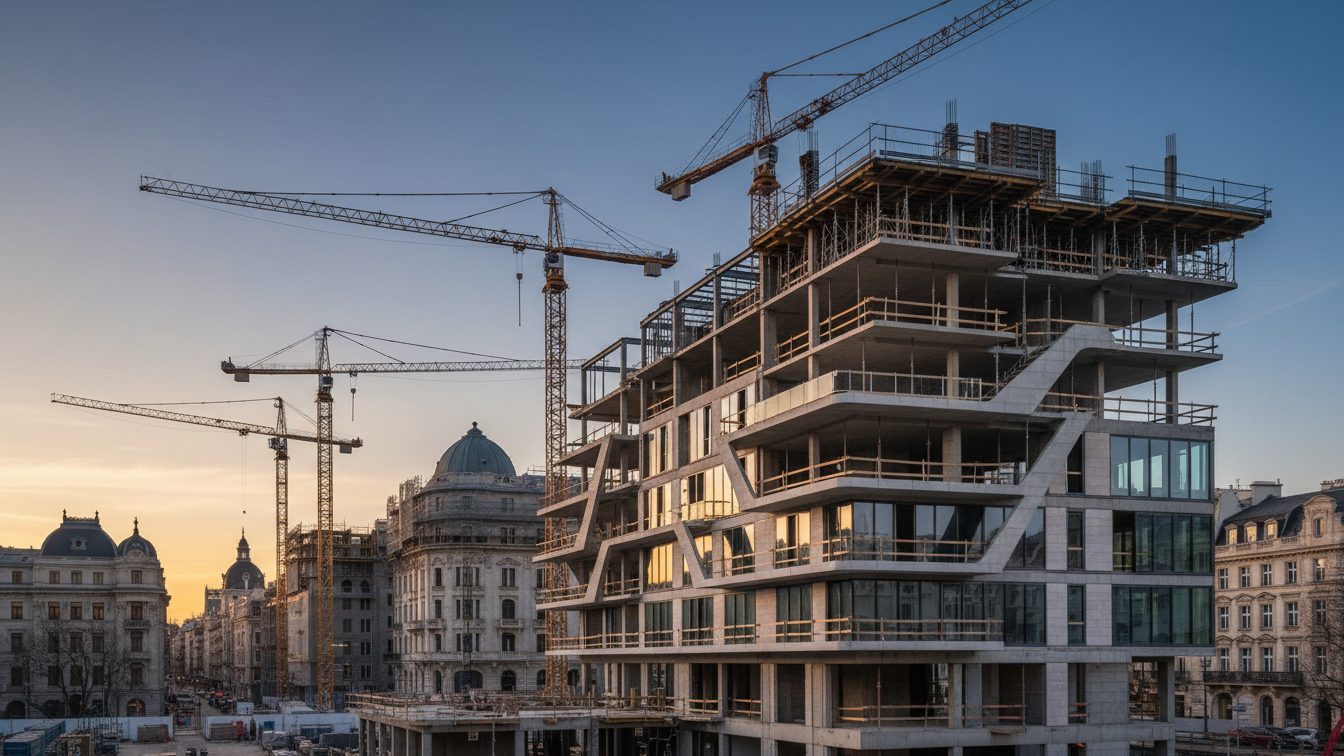
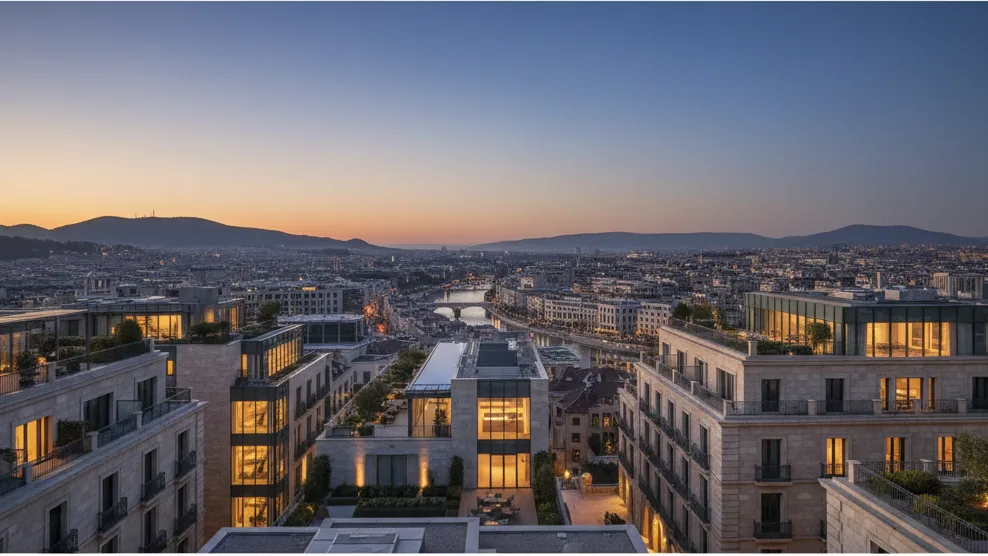
On the industrial site spanning a total of 22,000 square metres, the master plan, titled 'Urban Jungle', envisages the creation of approximately 50,000 square metres of gross floor area. The urban planning programme comprises a mix of loft offices, commercial units, hotels, gastronomy, as well as educational and cultural facilities. The architectural ensemble consisting of the listed administration building and two industrial halls will be preserved as an identity-defining landmark. New buildings are planned to the north and south of these existing structures.
The architectural concept is based on the winning design by Neutelings Riedijk Architects from Rotterdam and kollektif landscape from Ghent under the guiding principle of 'all under one roof'. An essential part of the project involves opening up the formerly sealed-off and tarmacked site:
- —Unsealing and redesigning the 3,500-square-metre campus garden as an urban park
- —Integration of the sponge city principle for targeted rainwater absorption during heavy rainfall events
- —Extensive greening of roof surfaces in combination with modern photovoltaic systems
Planning law milestones achieved
Hans-Peter Weiss stressed that early music and the historic legacy of Cologne's industrial past are an ideal match. The arrival of the cultural centre marks an important step for the entire area. The scheme brings together work, culture and social interaction, and serves as a flagship project for SORAVIA in the contemporary transformation of historic building fabric.
The project is also on track in terms of planning law. The resolution to initiate the project-based development plan procedure has already been adopted. In addition, the international peer review procedure has been concluded and early public consultation has been carried out.