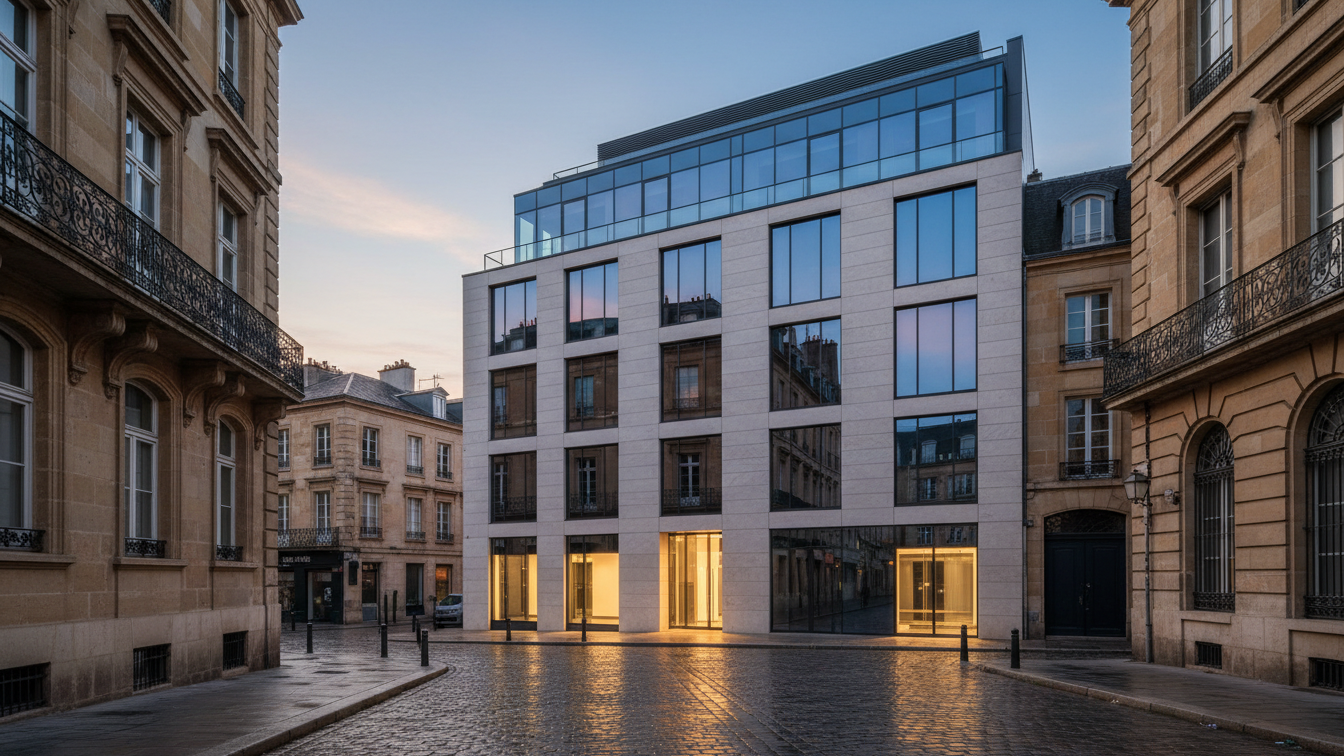
For generations, wealth creation in the real estate sector was based on a simple premise: acquire valuable assets, hold them, and bet on appreciation. Yet, as artificial intelligence (AI) reshapes industries from finance to healthcare, more and more investors are asking a different question: what if the biggest opportunity in real estate is no longer the property itself?
This paradigm shift suggests that the real estate industry is at a turning point. Historically, physical presence was the decisive value factor. Now, however, digital solutions, data analysis, and intelligent infrastructure are moving into the focus of potential investments. It is no longer primarily about the brickwork or the plot of land, but about the applications and services that can be associated with real estate.
Data as a new asset
Modern AI technologies enable the analysis of vast amounts of data. In the real estate context, this means a more precise assessment of risks, optimisation of asset management, and the prediction of market developments with unprecedented accuracy. Companies capable of efficiently collecting, processing, and converting this data into actionable insights could gain a significant competitive advantage. The infrastructure for the Internet of Things (IoT) in buildings or the development of specialised algorithms for real estate valuation could thus become independent, highly profitable business areas.
Experts are already observing how investments are increasingly flowing into PropTech companies that focus on software-based solutions for the real estate industry. This includes platforms for smart building management, digital contract processing, or augmented reality applications for viewings. These technological advancements not only promise efficiency gains but also the creation of new value streams that extend far beyond traditional rental income or resale values.
Redefining real estate value
The traditional assumption that the value of a property is inextricably linked to its physical substance is being challenged by technological progress. In the future, the value of a property could be significantly determined by the quality of integrated smart systems, the efficiency of data management, and the connectivity of the infrastructure. This leads to a redefinition of what is actually considered value-creating in the real estate context. For investors, this means that a focus on intangible assets and technological innovation will increasingly be crucial for success, and the next billion US dollars will lie not in buying buildings, but in their intelligent design and management.