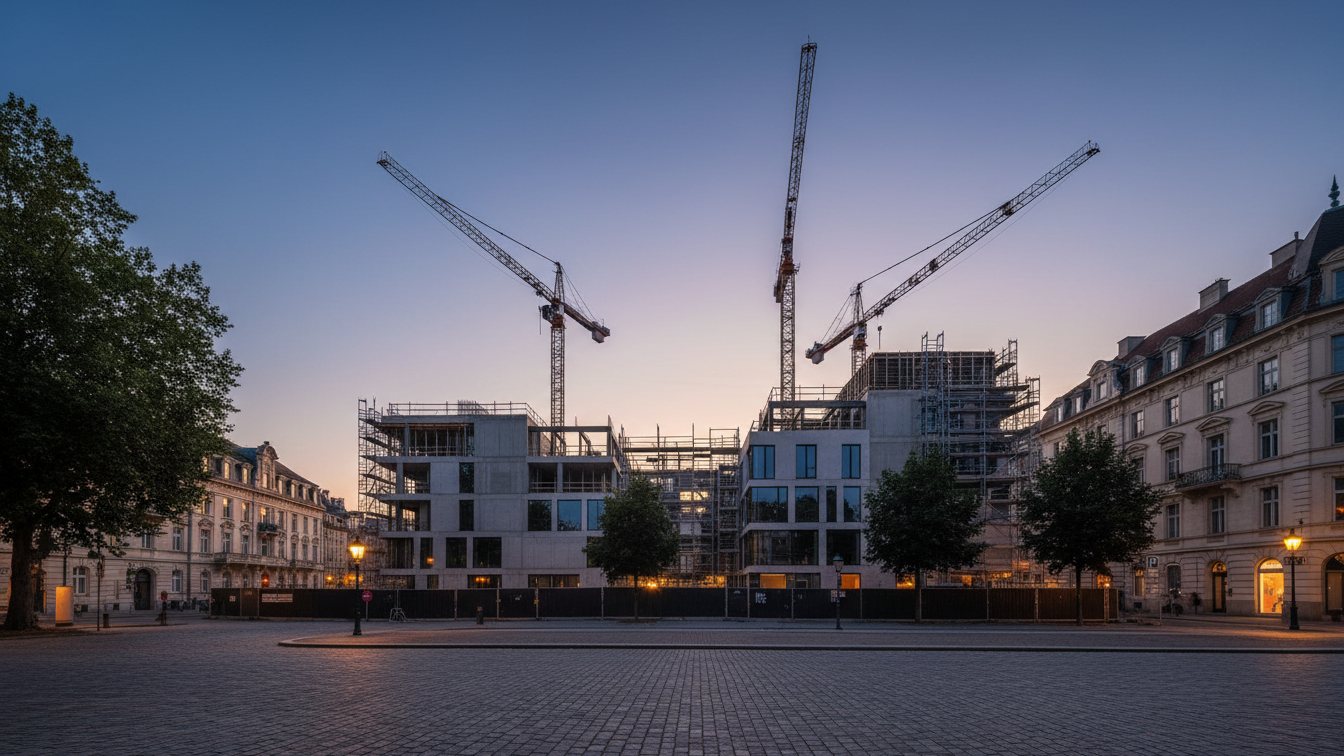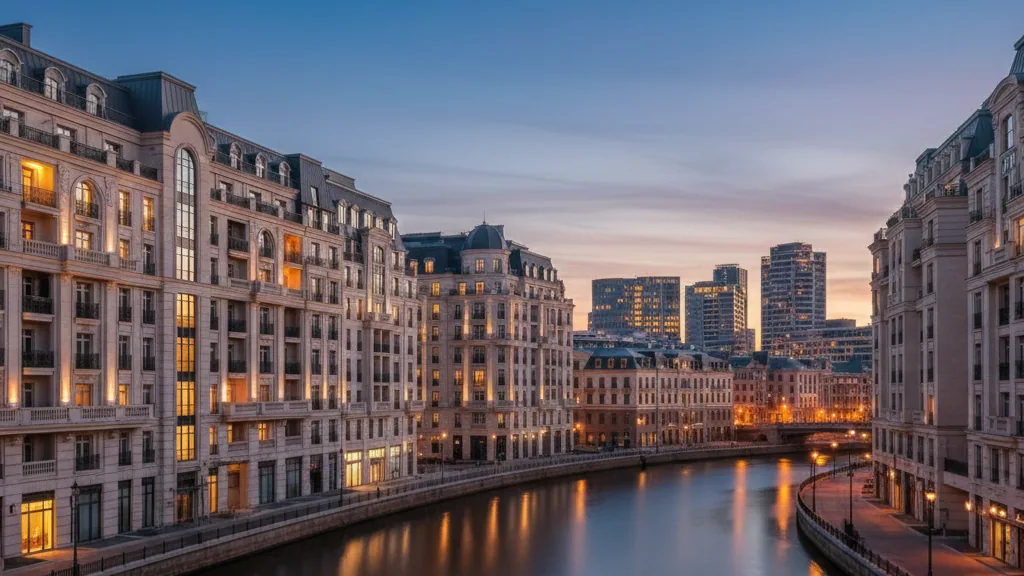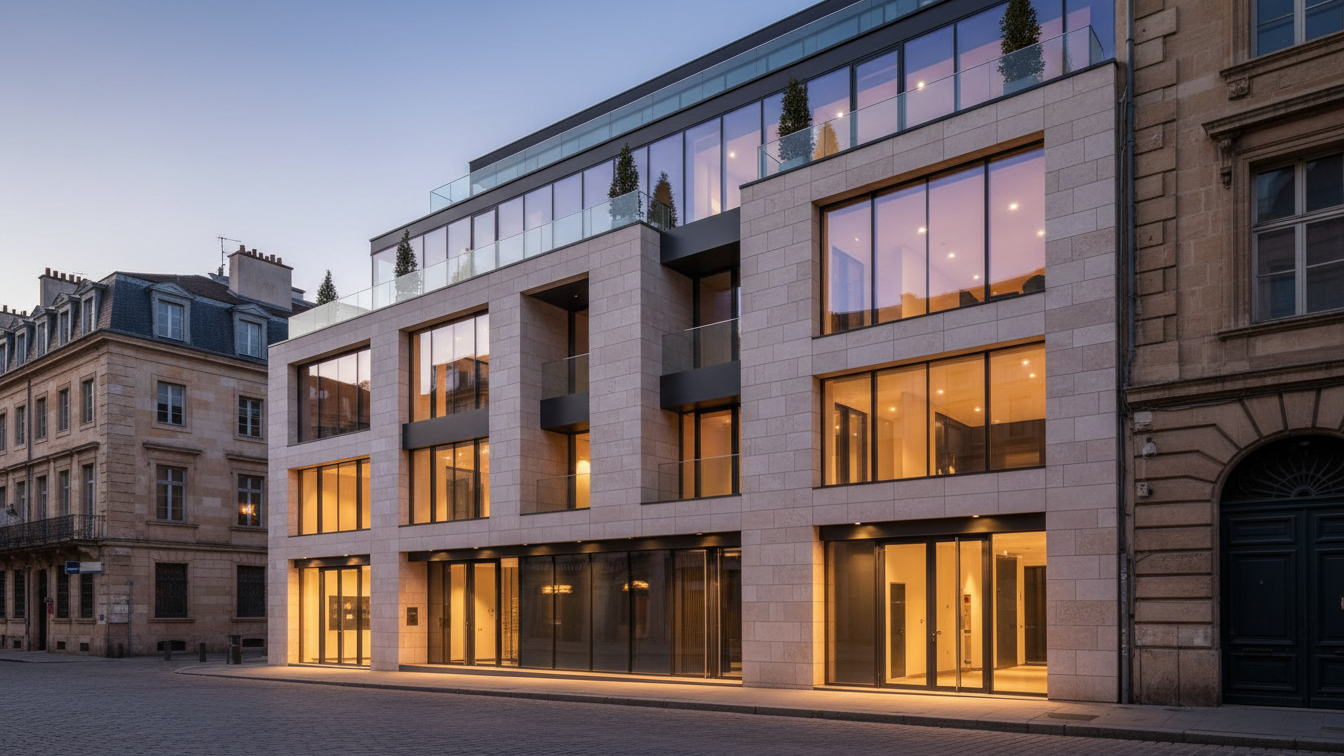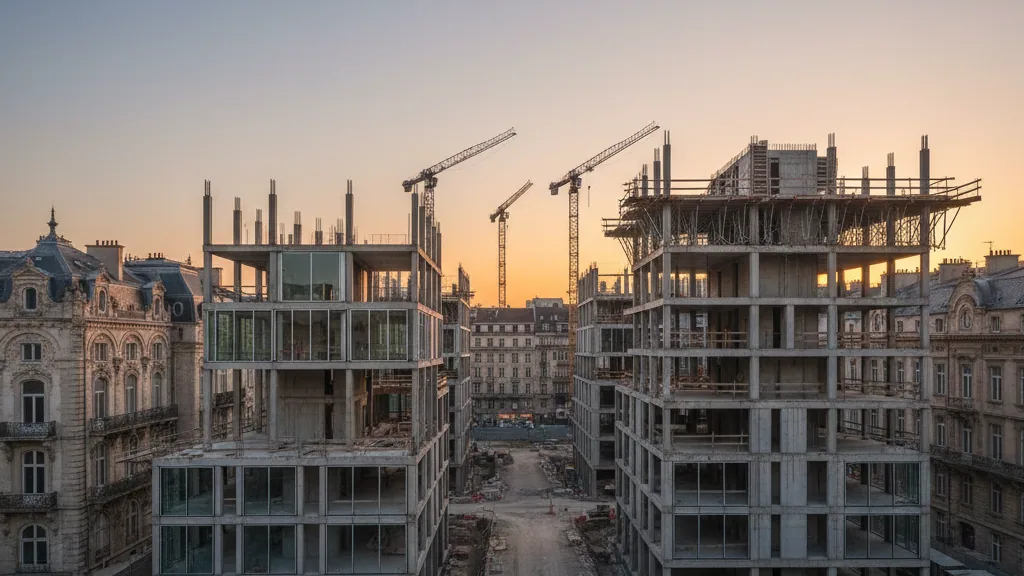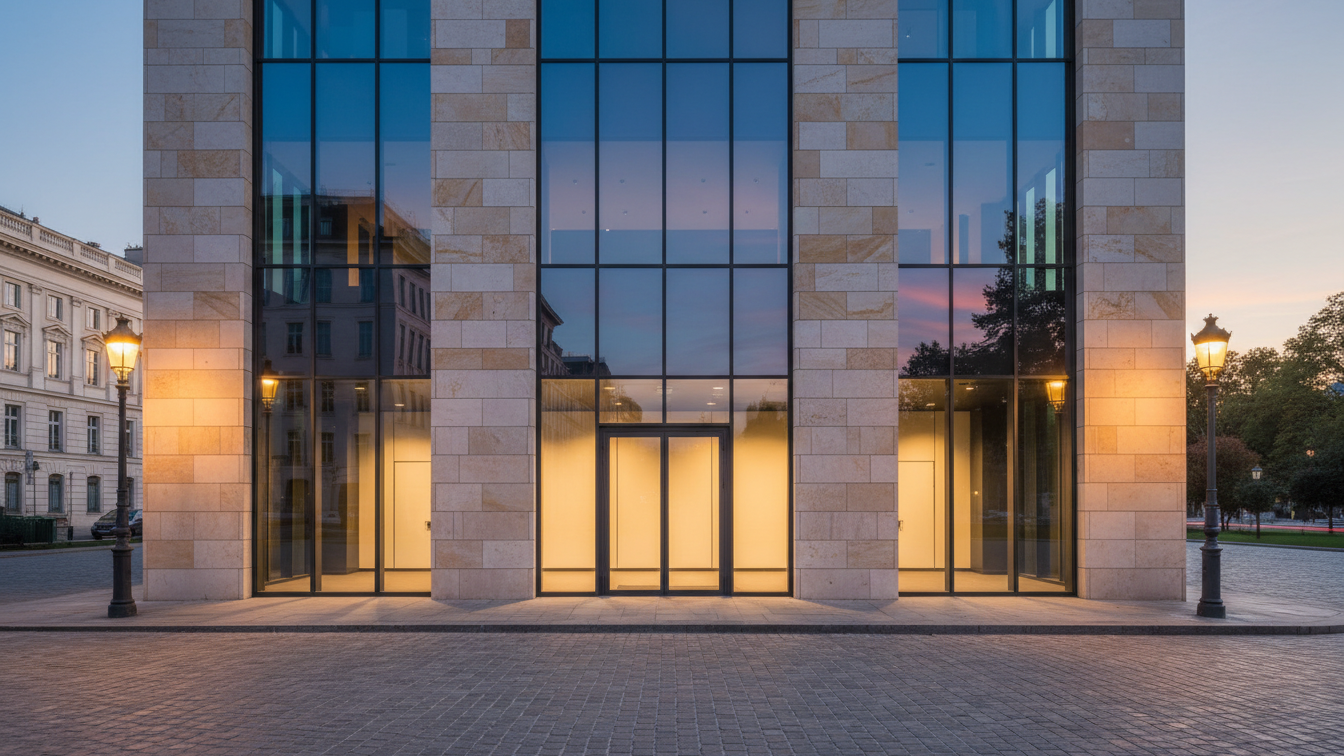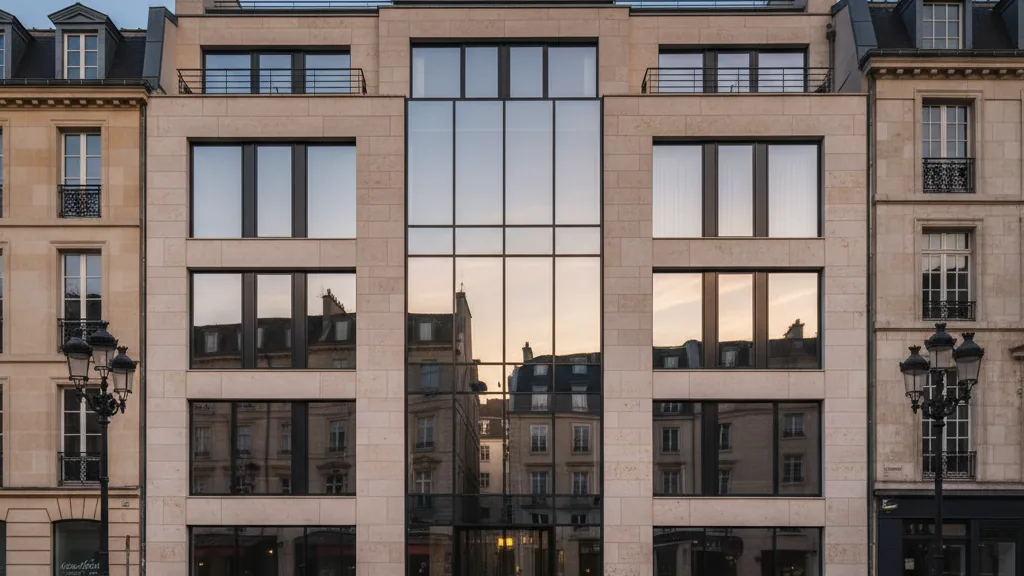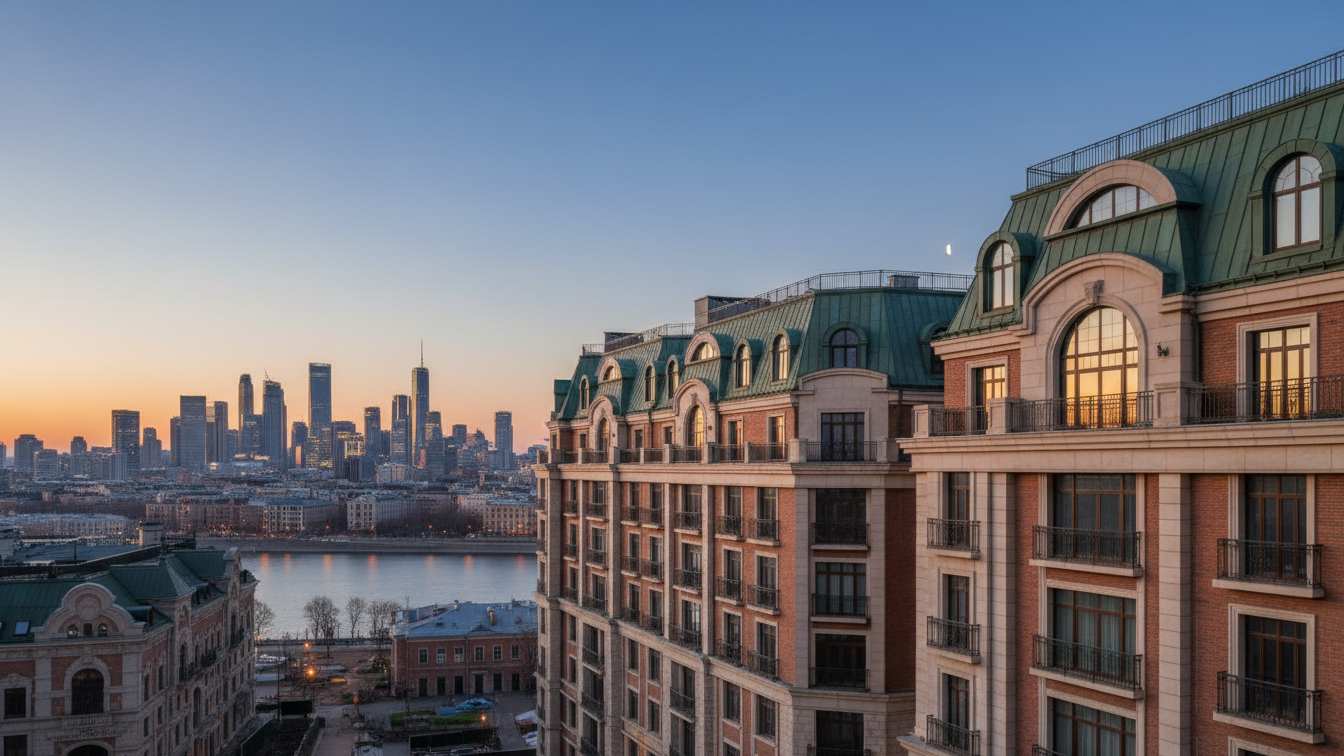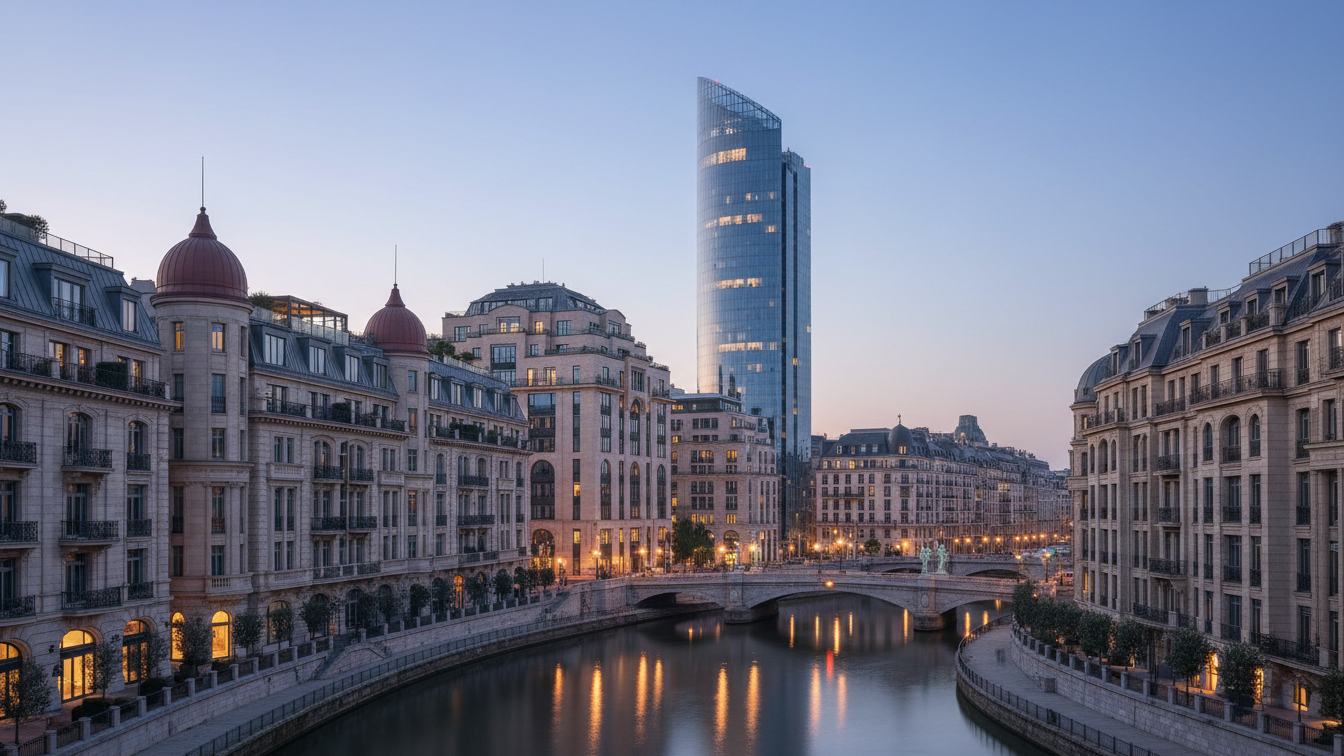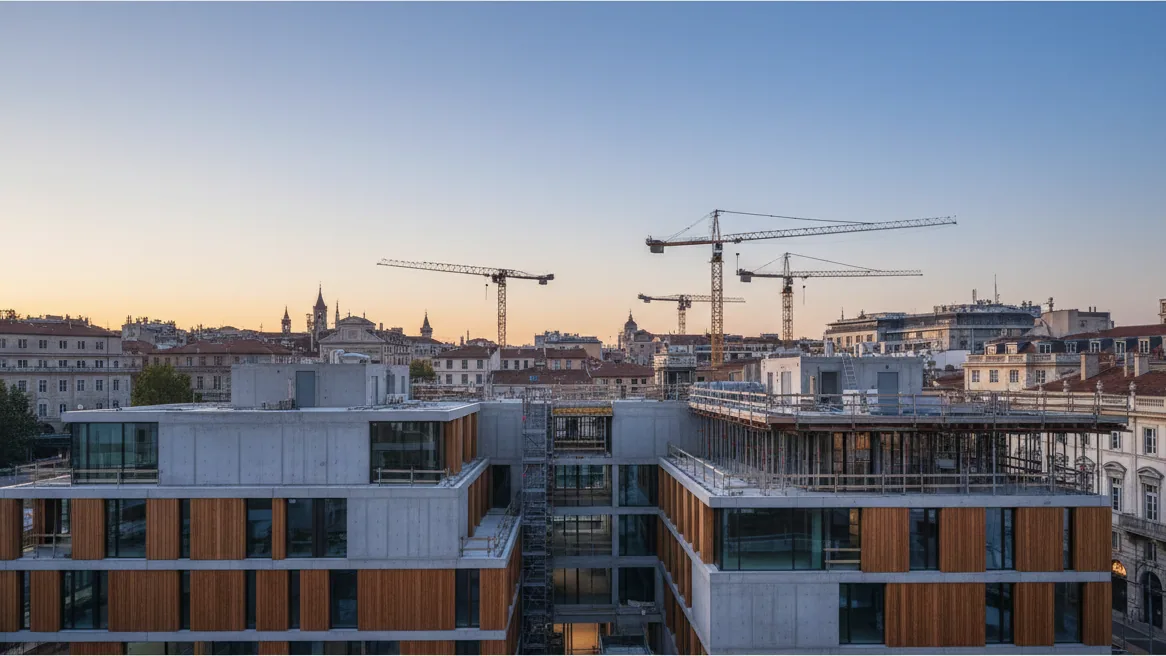
LEWO AG is now committed to subsidised housing construction. With the HAFENWERK² project, 85 rent-controlled residential units are being developed in western Leipzig, intended for households with a housing eligibility certificate. This undertaking complements the existing district on the Karl-Heine-Kanal and marks a strategic expansion of the company's activities; publicly subsidised housing is to become a permanent component of the project portfolio in the future.
Stephan Praus, CEO of LEWO AG, commented on market developments. He noted that the Leipzig housing market is now more balanced than in previous years and that demand is shifting. He remarked that new privately financed buildings often require high rents due to increased construction and financing costs, while the demand for permanently rent-controlled flats is growing. The company sees its role in this segment.
Demographic development and market demand
Leipzig continues to experience population growth. At the end of 2025, the city's population reached 633,592 according to municipal figures, which, despite a slowed dynamic, represented an increase compared to the previous year. The Free State of Saxony's current demographic forecast predicts further growth of 1.7 to 5.8 per cent for Leipzig by 2045, depending on the scenario. This highlights the city as one of the few growing regions in the country, while a population decline is expected for numerous other districts and urban districts. This demographic development leads to continued high housing demand, especially in the affordable segment.
The HAFENWERK² project responds to these market requirements. The planned flats are intended for individuals with a housing eligibility certificate and expand the existing district with permanently affordable living space. A mix of different flat sizes is planned to accommodate diverse household types. The exact breakdown will be determined during further planning in consultation with the Housing Department.
Location and corporate strategy
The location on the Karl-Heine-Kanal in Plagwitz is characterised by its proximity to the city centre and an established infrastructure. Schools, shopping facilities, leisure amenities and public transport are available in the immediate vicinity. Future residents will also benefit from the existing neighbourhood of the HAFENWERK district.
LEWO AG views its entry into subsidised housing construction as an integral part of its long-term corporate strategy. Stephan Praus emphasised that districts only function sustainably if they appeal to different income groups. Subsidised flats are therefore not a separate business area, but a permanent component of modern district development.
At the same time, LEWO AG identifies a need for optimisation in the political framework conditions. High construction and financing costs, as well as complex funding regulations and lengthy approval processes, complicate the economic implementation of projects. Praus noted that while the funding instruments are fundamentally correct, their implementation is often too cumbersome. He explained that too much time often passes between funding application, approval and start of construction, while costs increase. To create more subsidised housing, he called for faster procedures, less bureaucracy and more practical requirements, for example regarding parking space ratios. He elaborated that in social housing, parking spaces often have to be built, even though many households do not own a vehicle.