Long-term planning in the real estate sector faces structural challenges. Developers and planners must already make structural decisions today that will meet user needs in ten or twenty years. This temporal dimension calls for a fundamental look at societal developments and the dynamics of urban living spaces.
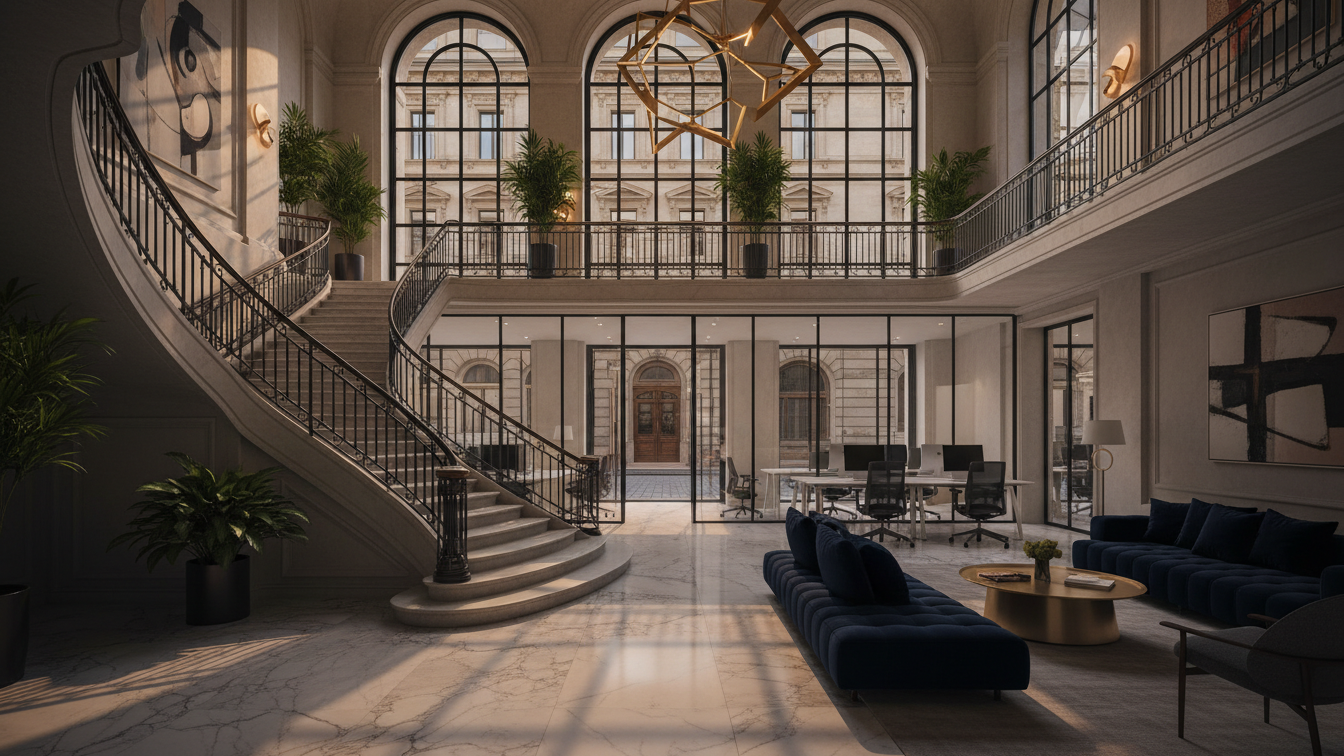
Changing working and living needs are at the centre of the debate. Spatial separations, as have been customary in urban planning for decades, are gradually losing relevance. Future user groups formulate different demands on their immediate surroundings than previous generations, which has direct consequences for the design of residential and commercial properties.
Changing usage patterns
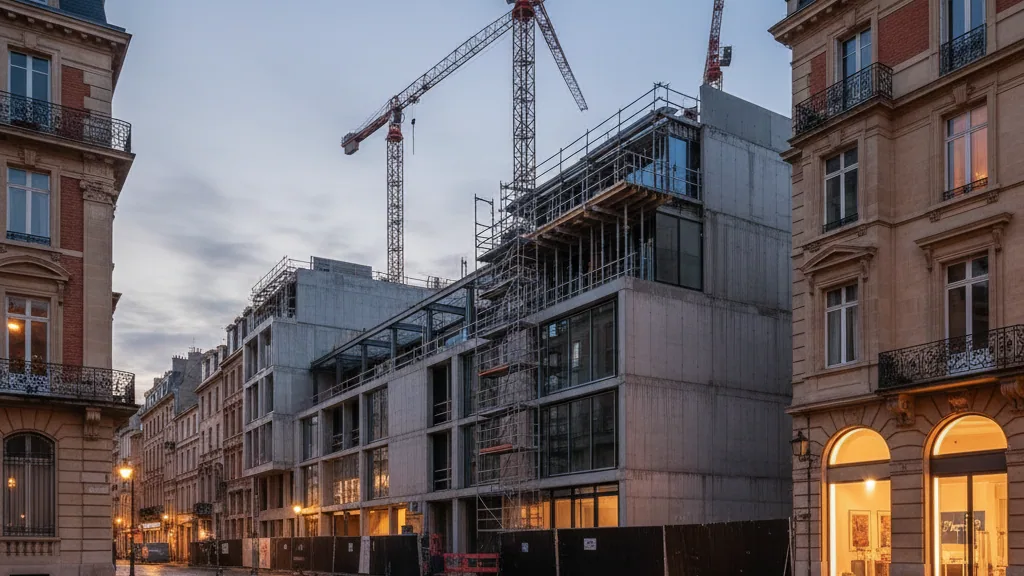
To keep properties economically and functionally viable over a period of several decades, the adaptability of space is gaining relevance. Rigid floor plans are increasingly taking a back seat, while adaptable structures are needed to respond to future modifications in everyday life.
- —Considering modified requirements for private and professional spheres of life
- —Creating spatial concepts with high adaptability to future uses
- —Long-term value preservation through forward-looking planning flexibility
Significance for future project development
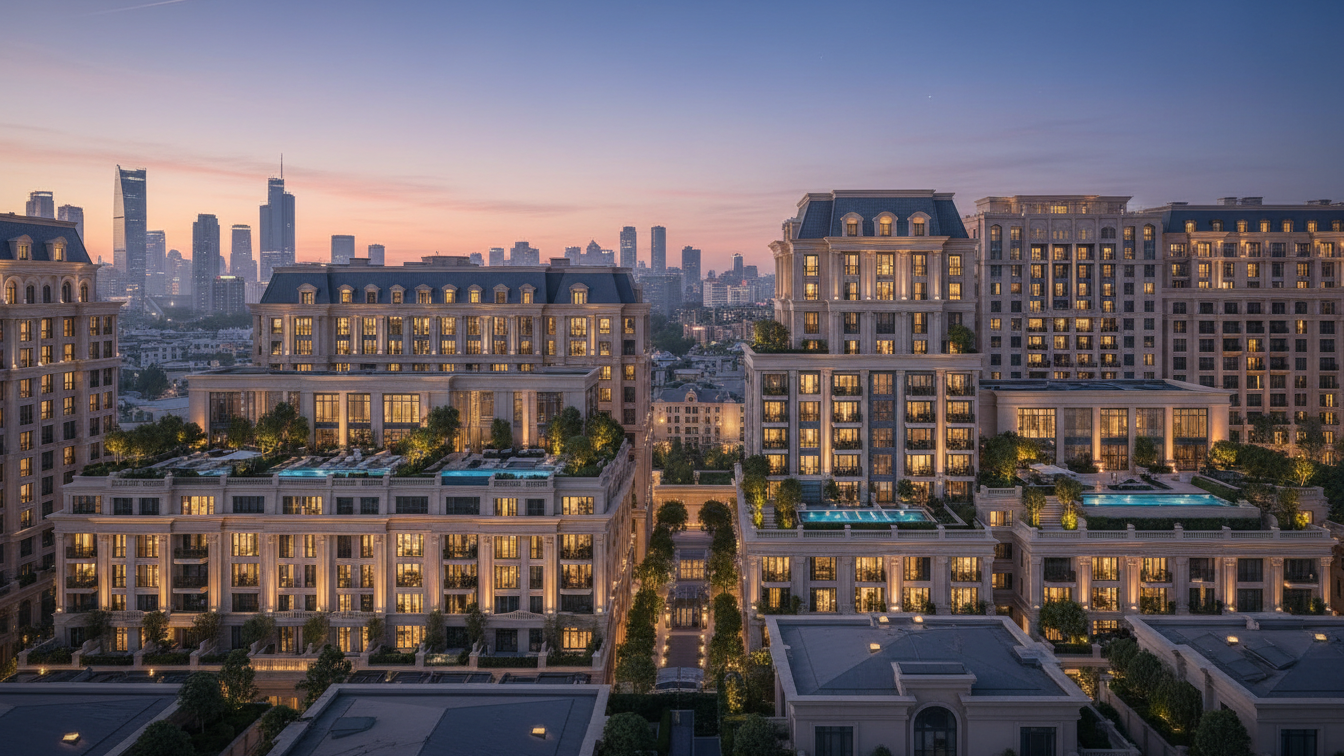
For the next generation of property developments, utility value over the entire life cycle will be decisive. Buildings must be designed to adapt to changing lifestyles without complex core refurbishments or premature changes of use disrupting ongoing operations.
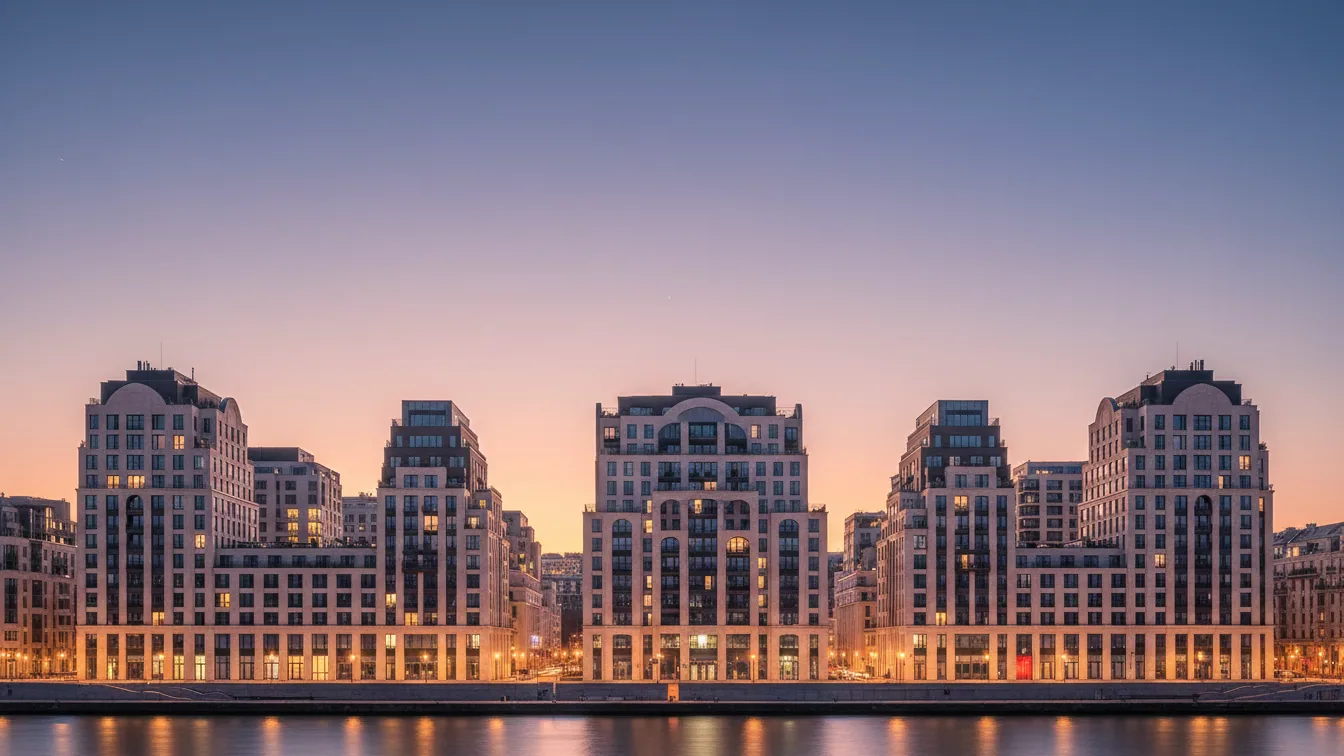
Urban development therefore faces the task of harmonising today's investments with the realities of life in the decades ahead. Only projects that structurally anchor this temporal perspective will secure lasting market acceptance.