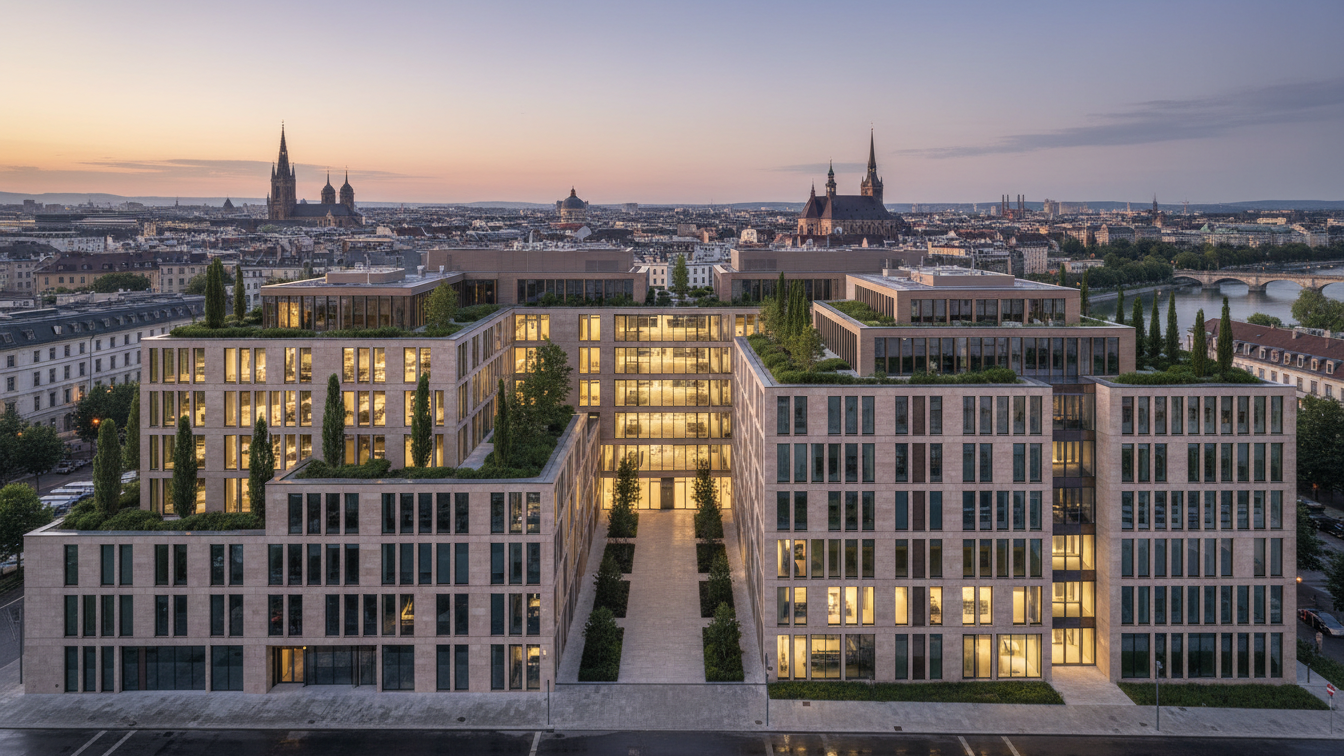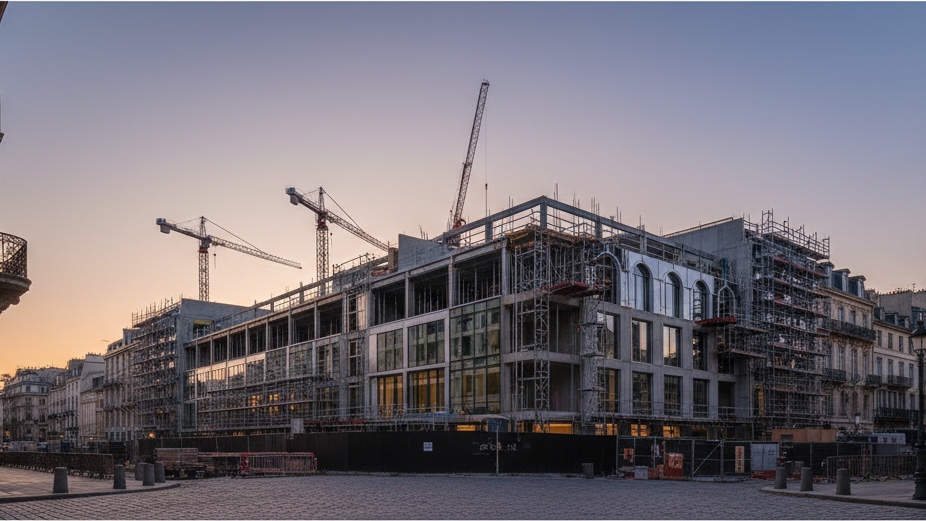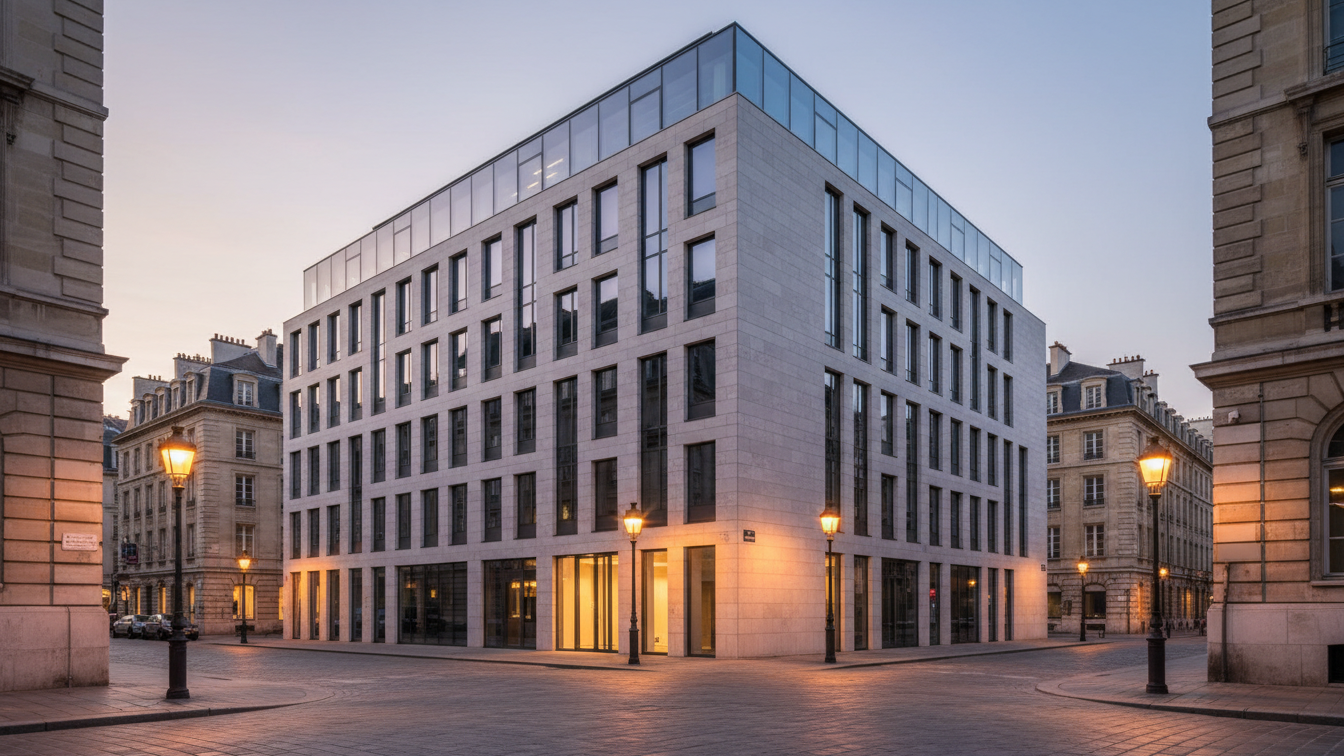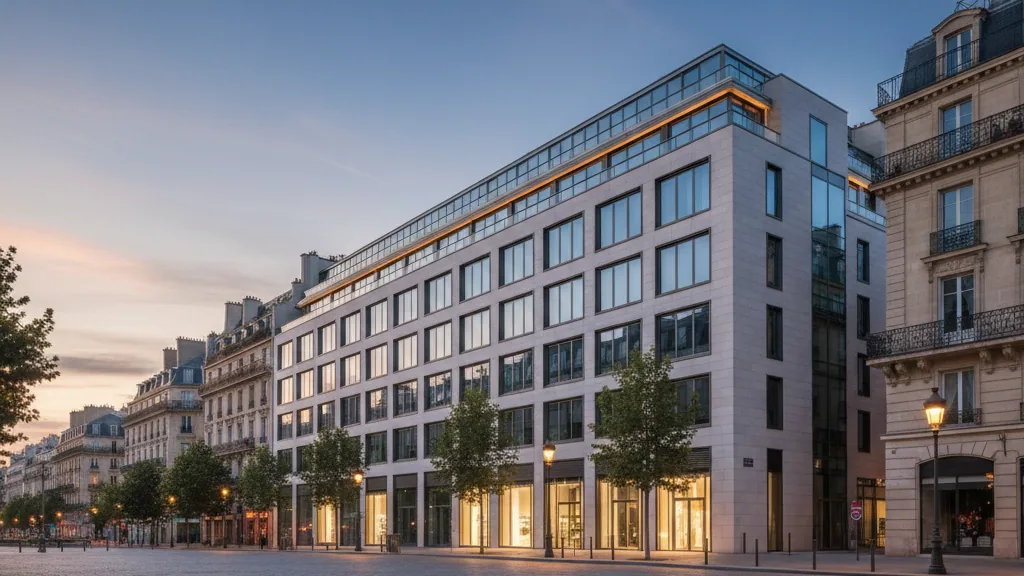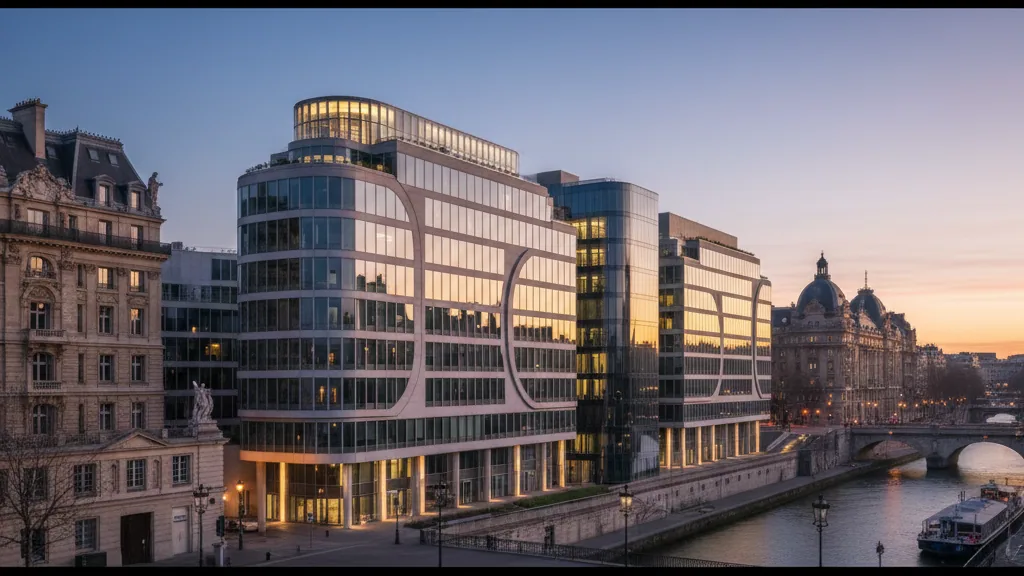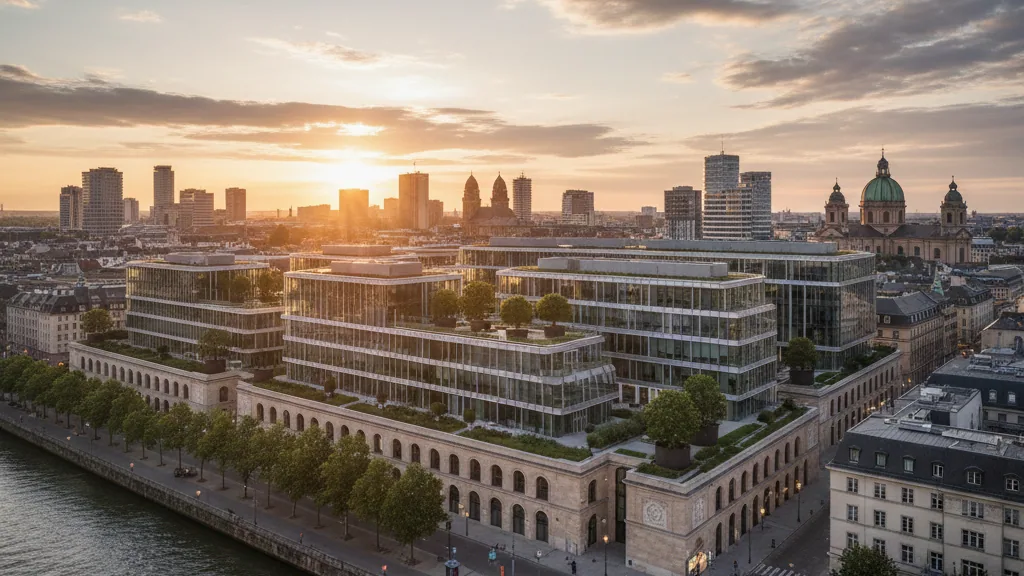
Urban Partners has announced the launch of its "Urban Partners Regeneration Fund". Strategic partners for this fund include Copenhagen Infrastructure Partners (CIP) and the Viessmann Generations Group. Furthermore, the fund is supported by institutional anchor partners PensionDanmark and SamPension. The fund's objective is to transform formerly disused brownfield sites into vibrant, multifunctional urban districts.
With commitments from a specific investor group, the Urban Partners Regeneration Fund achieved its first closing. At launch, the fund has an investment capacity of up to €650 million in equity, comprising primary capital and co-investment funds. Further closings are planned for later this year, according to the company. This initiative is designed to address structural challenges faced by European cities, including increasing urbanisation and demographic change.
Dr. Jens Stender, Co-CEO of Urban Partners, explained that the company has specialised in urban spaces for two decades. He emphasised that the Regeneration Fund is a response to a key European challenge. The goal is to combine long-term capital with local requirements to create lasting value. Dr. Jesse Shapins, Head of Urban Regeneration at Urban Partners, added that transforming brownfield sites into future-proof city districts helps prepare Europe's cities for future developments and population growth. This requires new forms of collaboration between public and private actors, especially in cities such as Munich, Hamburg, and Berlin, which show great interest in tackling their housing and competitiveness challenges.
Fund Potential and Strategy
By 2050, a population increase of approximately 42 million people is projected in European cities. This intensifies the demand for housing and sustainable urban districts, creating an estimated investment potential of €158 billion for large-scale revitalisation projects. These include the transformation of former railway or industrial areas into mixed-use districts. The Regeneration Fund targets this specific asset class by bringing institutional capital together with urban requirements and promoting a methodological approach that secures value long-term, strengthens competitiveness, improves energy efficiency, and generates social value.
The fund is designed for long-term ownership, with business plans accounting for the complexity and time horizon of such revitalisation projects. The geographical focus is on high-growth cities in the Nordic countries, Germany, and the United Kingdom. Projects in Copenhagen, Hamburg, Munich, Stockholm, and London are in preparation. A key feature of the fund model is close cooperation with cities through public-private partnerships.
Leadership and Expertise
The Regeneration Fund is jointly managed by Dr. Jesse Shapins and Peter Epping. Dr. Shapins brings 25 years of experience in urban innovation and district development, including roles at Sidewalk Labs and Urban Partners. He has also contributed to publications such as "The Copenhagen Way". Peter Epping, an experienced real estate investor and ESG specialist, takes on the role of fund manager. In his previous role, he was responsible for funds with €7 billion in assets under management at Hines and executed investments in mixed-use projects across Europe.
The fund's senior team also includes industry experts such as Nick Searl, who has over 35 years of experience in urban regeneration and was significantly involved in the King's Cross project. Paul Clark, former CIO of The Crown Estate, is a member of the Investment Committee. The fund builds on Urban Partners' proven expertise in revitalisation projects and a unique partner constellation. Examples such as Nordhavn, Tingbjerg, and the Railway District in Copenhagen demonstrate the effectiveness of public-private partnerships and a comprehensive approach.
- —Capital commitments: Up to €650 million in equity in the first closing.
- —Geographical focus: High-growth cities in the Nordic countries, Germany, and the United Kingdom.
- —Leadership: Dr. Jesse Shapins (Head of Urban Regeneration) and Peter Epping (Fund Manager).
- —Approach: Development of brownfield sites into mixed-use, sustainable districts through public-private partnerships.